

What I especially like is that this isn’t just theory. It uses manga panels and concrete examples to show how subtle discrimination works in Japan, and why it can be so hard to notice until you’ve already been hurt by it. Wild, isn't it?



Know that feeling when someone says something that sounds polite, but still leaves you oddly uncomfortable? That’s exactly where this book starts. Lookism in Japan is often subtle, wrapped in everyday language, and this new manga-based nonfiction title from Kodansha puts that discomfort under a microscope. The result is sharp, readable, and very close to real life.

This isn’t a fluffy “learn about Japan” read. It’s a manga-based sachihon, a nonfiction book built with manga storytelling, and it deals with 23 concrete cases. The main angle is simple, and that’s why it works: appearance-based bias isn’t always loud, and it isn’t always intentional, but it still shapes the way people are treated. Personally, I think that’s what makes the book hit so hard.
What this Kodansha manga-based book is about
Let me show you why this title stands out. Kodansha, one of Japan’s biggest publishers, is putting serious editorial weight behind a topic that many people still treat as a “small” issue. The book’s theme is lookism, meaning discrimination or bias based on appearance, body shape, age, facial features, clothing, and even assumptions about “presentability.”
The core phrase in the German reference, “Hast du abgenommen?”, already tells you a lot. In Japanese daily life, similar comments often get framed as concern or friendliness, but they can carry hidden judgement. A comment about weight can be praise, pressure, or a reminder that your body is being watched. No exaggeration: that social tension is the real subject here, not just the surface topic of dieting. From my experience, this is the kind of thing Japan learners hear in dramas, workplace scenes, and manga all the time, but don’t always decode right away.
Why the manga format matters
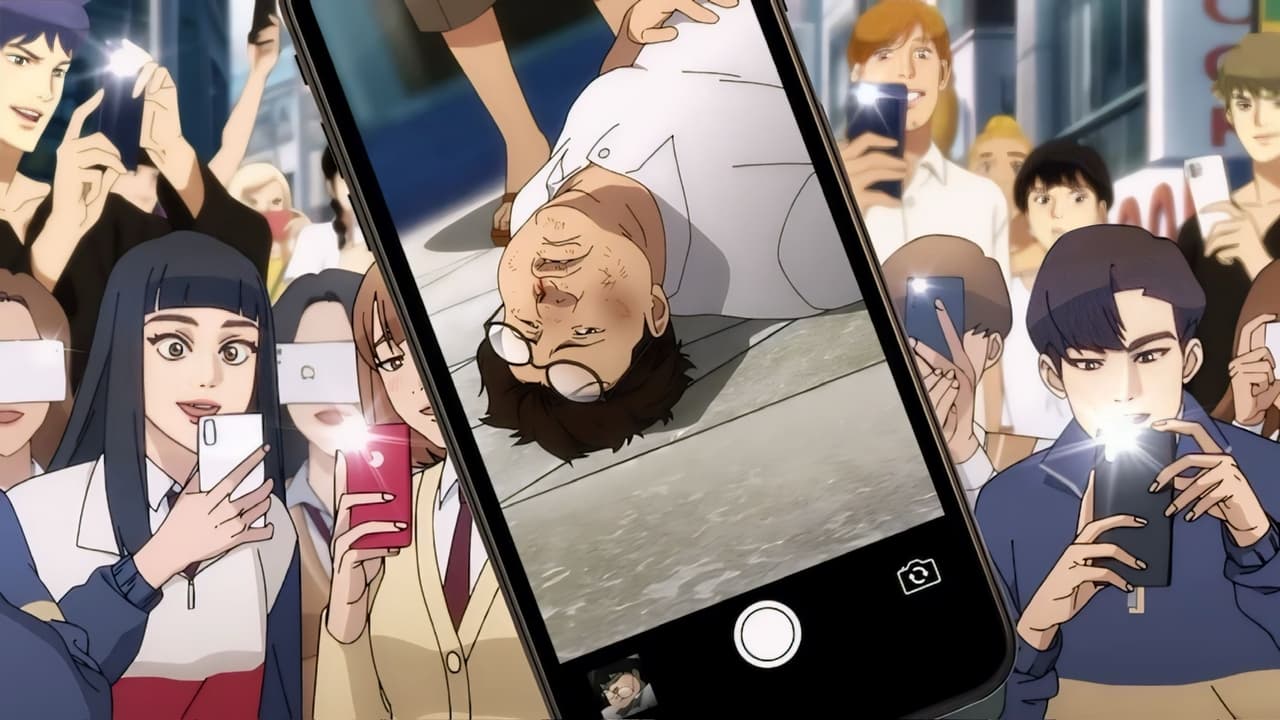
Here’s the catch: an essay about bias can feel distant, but manga panels make the social pressure visible. You see facial expressions, pauses, the angle of a reply, the tiny gap between words and meaning. That matters in Japanese, where indirect speech is so common. A line like “良くなったね (yoku natta ne, You've gotten better; improved)” can sound warm, but context decides everything. Highly recommended: if you’re learning Japanese, pay attention to how the book turns social nuance into readable scenes.
On a related note, this format also helps with memory. Learners tend to remember a scene with a facial expression far longer than a definition in a glossary. That’s one reason manga-based nonfiction has become such a useful bridge between language study and social understanding. But that’s not all.
Lookism in Japan and the 23 cases in the book
The book’s 23 cases are what give it weight. They make lookism feel less like a buzzword and more like a pattern you can actually recognise. Some cases are about being judged for weight, some about age, and some about not matching the “right” look for school, the office, or public life. That spread matters, because lookism in Japan doesn’t live in just one place. It shows up in conversations, hiring, media, and even family comments at the dinner table.

I still remember exactly how often Japanese media uses body-related praise as social glue. A relative says someone looks slimmer, a colleague notices a new hairstyle, a friend says someone looks “元気 (genki, energetic; fine; healthy).” None of that is automatically bad. To be fair, not every comment is discrimination. But the book’s strength is that it asks readers to notice when a casual remark turns into pressure, comparison, or control.
Everyday Japanese phrases learners should notice
For Japanese learners, this book is useful because it gives real-world context for common expressions. Phrases around appearance often use softening language, and that softness can hide judgement. Words like 綺麗 (kirei, pretty; beautiful; clean), 可愛い (kawaii, cute), genki, and 痩せた (yaseta, lost weight; became thin) can all depend heavily on tone and setting. The reason is simple: Japanese social language often works through implication, not direct statement.
Imagine a narrow alley in Tokyo. A shopkeeper greets you, a customer passes by, and someone quietly comments on someone’s appearance. Nothing is shouted. Nothing looks dramatic. Still, the social message can be strong. Classic Japan, isn't it? That subtlety is exactly why a manga-based book is such a smart way to present the topic. From my experience, readers who care about language tend to become much better at reading these layers once they see them drawn out in context.

Why Japan fans should care about subtle lookism
Before I forget, this topic isn’t only for sociologists or activists. It affects tourists, residents, language learners, and anyone who spends time around Japanese media. If you read manga, watch j-drama, or follow Japanese workplace stories online, you’ve probably seen lookism in action even if nobody called it that.
For Japan fans, the book also opens a useful cultural door. It shows how respect and politeness can sit next to social pressure. That mix is very Japanese, and it’s part of why conversations about appearance can be so hard to navigate. My tip: when you hear body-related praise in Japanese content, don’t translate it too quickly as “nice compliment.” Ask what else the speaker might be signalling. Wild, isn't it?
No joke: this is one of those books that makes you read Japan a little more carefully. Not just the language, but the social coding behind it. And that’s valuable whether you’re studying for JLPT, reading manga raw, or simply trying to understand why some everyday remarks feel heavier than they sound.
If you want more Japan news on jpnerd.com, check out more Japan news on jpnerd.com.
In pictures


Frequently Asked Questions
What is lookism?
It’s bias or discrimination based on appearance, body type, age, or how someone is judged to look.
Why does the manga format help?
It makes social pressure easier to see through facial expressions, timing, and context.
Is this book useful for Japanese learners?
Yes. It helps learners understand real-life social language and the nuance behind common phrases.


