
Overview
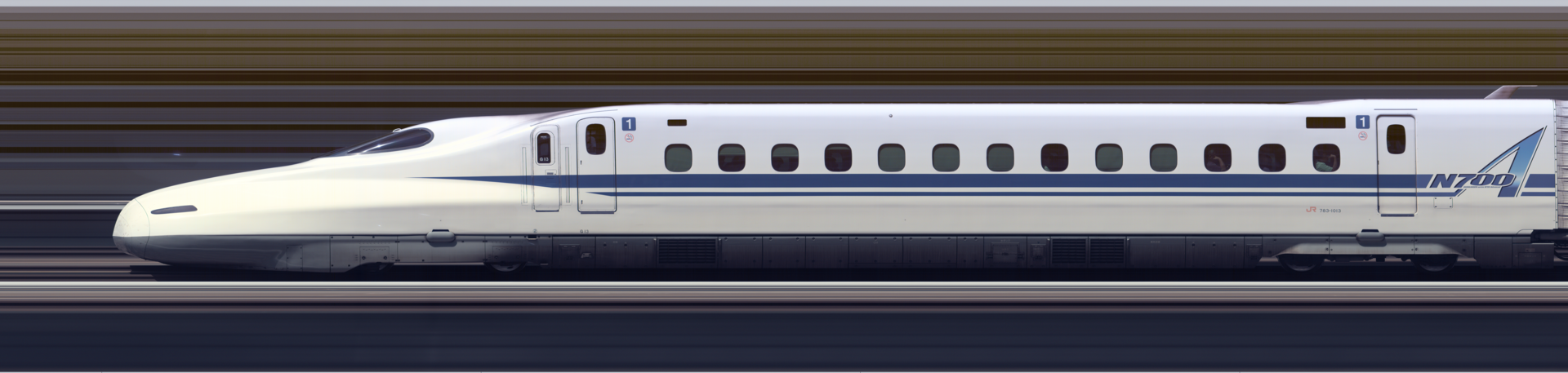
The modern 新幹線 (shinkansen, bullet train; Japan’s high-speed rail network) has always been about speed, but this upgrade is about texture too: less cabin noise, steadier connectivity, and more personal space on a ride that can run from Tokyo to Osaka in a little over two hours. JR Central introduced the service on 2026-10-01, and by the time later reporting caught up, it was already in regular operation on the Tokaido line. That matters, because this is not a concept sketch or a one-off prototype. It is a working change to how long-distance rail travel feels in Japan.
The phrase shinkansen upgrade fits here in the plainest sense. The train is still the train. The body still sits in a seat and watches the land slide by. But the details have shifted: 5G-capable windows help mobile connectivity, quieter cabins reduce background noise, and private suites create a premium layer of privacy. If you follow Japan transport news, this is exactly the sort of adjustment that tells you where rail travel is headed next.
What changed on the Tokaido line
The upgrade introduced three linked features. First, the windows are designed to work with 5G, which is meant to improve mobile connectivity even on routes where tunnels and signal fluctuation usually interrupt the day. Second, the cabins are quieter, so the background hum of the train is less intrusive. Third, the private suites, branded as Supreme Class, are available by reservation for travelers who want a more enclosed space.
This is not only about luxury in the obvious sense. It is also about changing the conditions of the journey. A long ride becomes easier to use for work, easier to sleep through, and less tiring overall. That is the quiet logic of the upgrade. Less friction. More control.
For readers who keep an eye on transit coverage, it may help to compare this with other reporting on the network, such as Shinkansen upgrade coverage focused on 5G windows and quieter cabins and the later piece on the version that adds private suites. Same direction of travel. Slightly different emphasis.
Why the quieter cabins matter
A quieter cabin sounds like a modest change until you sit with it for a few hours. On intercity rail, noise is not just noise; it is fatigue. It accumulates in the body. By reducing background sound, JR Central is making the ride more workable for people who need to read, answer messages, or simply let their thoughts unfold without constant interruption. There is a practical elegance in that.
For business travelers, the benefit is obvious. For everyone else, it is subtler but real. You arrive less folded in on yourself. You have not been flattened by the train. That is worth something.
5G-capable windows and the problem of tunnels
The windows are the most technically interesting part of the package. The stated aim is to improve mobile connectivity, especially on routes with tunnels and changing signal conditions. Anyone who has tried to use a phone or load a page while moving fast through Japan knows the familiar pattern: bars up, bars down, connection gone, connection back. The upgrade is meant to smooth that out.
This is one of those details that seems small until it becomes part of your day. If you are working en route, checking reservations, or keeping in touch with people, a steadier connection changes the rhythm of the trip. Not dramatically. Just enough. And enough is often the point.
Inside the Supreme Class private suites
The private suites are the most obviously premium element, and the most carefully reserved. They are marketed as Supreme Class and must be booked in advance. The appeal is simple: more privacy, more calm, and more space to do ordinary things without an audience. Work. Sleep. Make phone calls. Sit without performing public composure for strangers three feet away.
That kind of compartmentalization has become a serious part of modern rail design, especially on long-distance routes where people want to use the journey rather than merely endure it. The suite is not about spectacle. It is about removing noise from the system, including social noise. Us dorks sometimes like to call that comfort; the railway industry, more elegantly, calls it premium service.
Where to experience it in Japan
If you want to experience this specific upgrade, the place to start is the Tokaido Shinkansen, the high-traffic corridor linking major cities such as Tokyo and Osaka. That is where the service was introduced and where it has been in regular operation since 2026-10-01. A reservation is essential if you want the private suite option, since the Supreme Class is not an open-ended walk-up arrangement.
In practical terms, the best approach is to check the train type and booking class when planning your trip. The upgrade is part of a broader move toward a more comfortable, private, and connected rail experience, so the question is not only whether you can ride it, but how you want to use the ride itself. Read. Sleep. Work. Watch the scenery. The train now accommodates all of it more deliberately.
Why this upgrade matters beyond novelty
It would be easy to reduce this to a luxury headline, but that misses the larger pattern. Japanese rail often changes by increments, and those increments accumulate. A better window system here, a quieter cabin there, a private suite for longer trips: each one adjusts how the journey sits in the body. The result is not just faster movement between cities, but a more controlled and humane kind of distance travel.
For anyone interested in shinkansen upgrade news, this is the useful part: the change is operational, not hypothetical. For anyone learning Japanese travel vocabulary, it is also a neat set of terms to meet in context. The word shinkansen itself refers to the bullet train network; 予約 (yoyaku, reservation; booking) means a reservation, which you will need for the private suite; suito is the borrowed word for suite; and kaisui? No, not here. Better to keep the vocabulary tied to the actual experience. If you are looking up shinkansen upgrade kanji or shinkansen upgrade japanisch lernen, this is a good example of how transport terms show up in real-life booking and travel information rather than in tidy textbook lists.
More soon.
Frequently Asked Questions
What is included in the Shinkansen upgrade?
It includes 5G-capable windows for better connectivity, quieter cabins, and private suites marketed as Supreme Class.
Where can I experience the upgrade in Japan?
On the Tokaido Shinkansen, where the service has been in regular operation since 2026-10-01.
Do the private suites need a reservation?
Yes. The private suites are available by reservation.
Why do the 5G windows matter?
They are intended to improve mobile connectivity, especially on routes with tunnels and fluctuating signal.
Is this upgrade only about luxury?
No. It is also about making long rides quieter, more workable for rest or work, and more connected overall.


