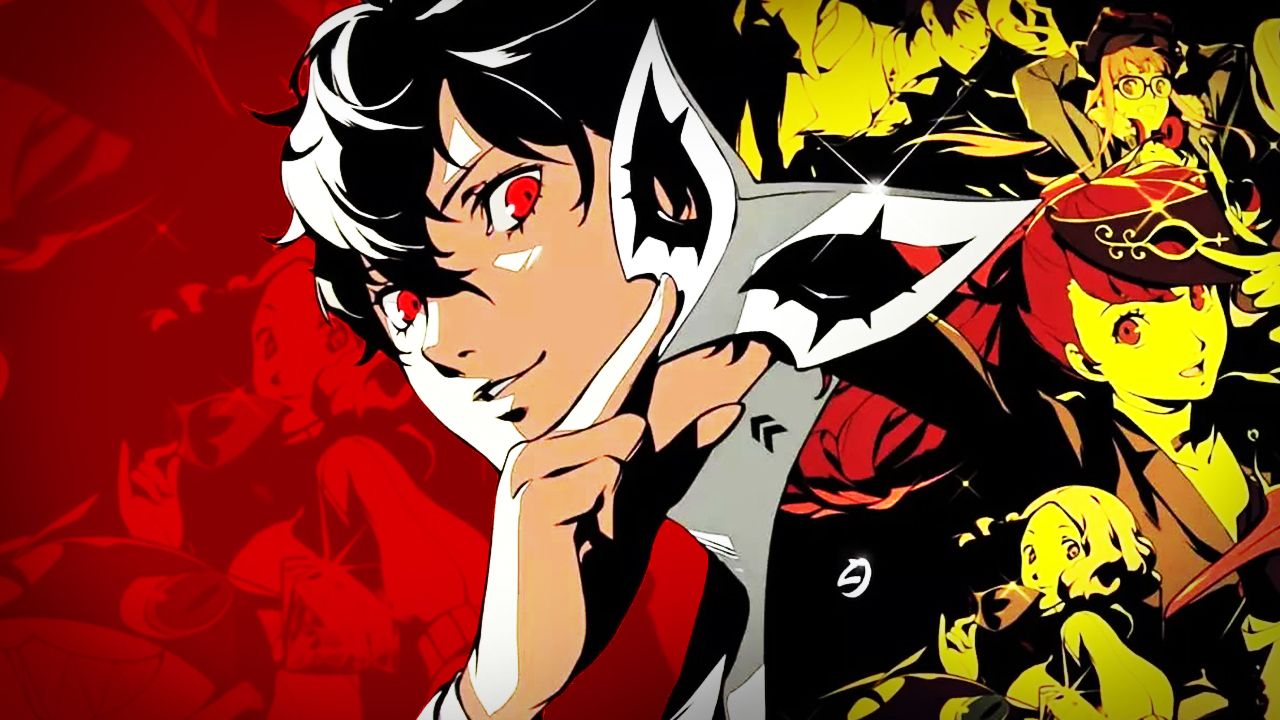
Overview
The Persona 30th anniversary marks three decades since the series began in 1996, and Atlus has treated the celebration as more than a single commemorative moment. The rollout started in January 2026 with a livestream that introduced new merchandise, collaborations such as Sanrio tie-ins, and the wider shape of the campaign. Later, the Persona 30th Anniversary Jazz Album arrived digitally on streaming services such as Spotify and Apple Music on May 7, 2026. There is also an announced vinyl line for collectors, which makes the anniversary feel carefully built, not thrown together. And that is very Persona. It likes presentation with intent.
If you are looking for a practical persona 30th anniversary guide, I think the best way to approach it is through the series' own language. Persona has always balanced school life, role-playing structure, social relationships, and battles against inner and outer shadows. That mix is what gives a Shadow ver. movie its weight. It is not just a recap style piece. It sits inside a franchise that turns identity into drama, and drama into style.
For readers trying to learn more, this anniversary is a good entry point because it gathers several kinds of material at once: music, merchandise, and series history. The jazz album is part of a broader strategy rather than a simple bonus soundtrack release, which tells you a lot about how Atlus wants the anniversary to be understood. It is culture, branding, and memory working together. Well, Persona has always been unusually good at that.
What the Shadow ver. angle says about Persona
The phrase shadow matters here because Persona treats the shadow as more than a monster to defeat. It points toward hidden desire, self-denial, and the parts of the self that are hard to face. That is why the series can feel intimate even when the stakes are supernatural. The outer battle is always tied to an inner one.
In practical terms, that means the 30th anniversary material is not only for longtime fans who already know the cast and systems. It is also a clean way to discover what makes the franchise distinct. You get the social rhythm of daily life, the tension of turn-based battles, and the recurring idea that understanding yourself is part of surviving the world. It sounds lofty, but the games usually ground it in small routines and sharp character writing.
How the anniversary campaign is being presented
Atlus opened the celebration with a livestream in January 2026. That presentation unveiled new merchandise and crossovers, including Sanrio collaborations, and it set the tone for the rest of the campaign. The message was clear: this anniversary is meant to be experienced across formats, not just through a single announcement.
The most visible collector-focused piece so far is the announced vinyl line. Vinyl suits Persona unusually well because the series already treats music as character. Jazz, pop, battle themes, and menu music all carry meaning. So when you see a vinyl release attached to the anniversary, it does not feel random. It feels age-old in the best sense: the kind of format that asks you to slow down and actually listen.
The jazz album strengthens that idea. It released digitally on May 7, 2026 through services like Spotify and Apple Music, making it easy to sample even if you are not building a physical collection. If you are exploring the anniversary from the music side, this is a useful starting point. I also think it is one of the most accessible ways to understand the series' mood without needing to boot up a game first.
Why this anniversary matters for the wider franchise
Persona 5 sold over ten million copies worldwide, and that figure matters because it explains why this anniversary is built so broadly. The audience is huge, but the franchise still speaks in specifics. It does not flatten itself for everyone. Instead, it gives different entry points: games, music, goods, and collaborations. That is smart. And it is very on brand.
For a series this successful, a 30th anniversary can become empty branding if the content is thin. Here, the opposite seems true. The campaign keeps circling back to the elements that made Persona matter in the first place: style, emotional conflict, and the sense that daily life and fantasy are never fully separate. That balance is why the series still feels current even when it leans into older forms like vinyl or jazz arrangements.
If you are new to the franchise, I would start by noticing those recurring ideas before worrying about chronology. Learn the vocabulary of the series first. The school setting, the party dynamics, and the shadow imagery will make much more sense that way. If you have been reading Persona 30th anniversary news for a while, this is the thread that ties the announcements together.
Related titles and useful entry points
The anniversary naturally points people toward the mainline Persona games, especially Persona 5, because that entry brought the series to a much wider audience. But it also encourages a broader look at the franchise's musical identity and its long-running emphasis on character bonds. If you want to trace the series' evolution, the anniversary material works best as a bridge rather than a final answer.
- Start with the 30th anniversary announcements to get the tone of the campaign.
- Listen to the jazz album to hear how Persona music can be reinterpreted.
- Compare the merchandise and vinyl line to see how Atlus frames the series as a collectible culture object.
- Then move into the games themselves if you want the full context for the shadows, school life, and social links.
For readers searching for persona 30th anniversary kanji or persona 30th anniversary japanisch lernen, this is also a neat place to pause and notice how often the franchise uses the language of selfhood, masks, and reflection. You do not need to study the Japanese text to appreciate the idea, but the series rewards that kind of attention. Small terms often carry a lot of mood. That is part of the charm.
How to follow along from here
If you want to keep up with the celebration, focus on the official campaign materials, the digital music releases, and the collector announcements. That is where the most reliable information appears first. For a broader sense of the franchise's cultural footprint, the merchandise and collaboration side is worth watching too, because Persona has always moved easily between game culture and fashion-adjacent presentation.
My advice is simple. Follow the music, then the goods, then the games. That order makes the anniversary easier to understand. It also reflects how Persona often works in practice: you are drawn in by style, and then you stay for the emotional architecture underneath.
This is your chance to discover Persona 30th anniversary material in a way that is both practical and genuinely fun. Spreading my love and admiration for Japan's game culture to the rest of the world: that's what this is about. The Persona 30th anniversary is an experience so layered it deserves its own afternoon, maybe even a return visit. There is always something more to uncover.
For more context, you can also read Persona wird 30: Atlus bringt Jazz-Album auf Streaming and Persona 30th Anniversary: Funko, Jazz und Vinyl im Überblick for related anniversary coverage.
Frequently Asked Questions
What is Persona celebrating in 2026?
Persona is celebrating its 30th anniversary in 2026, marking the series' start in 1996.
What has Atlus released for the anniversary so far?
Atlus opened the celebration with a January 2026 livestream, then released the Persona 30th Anniversary Jazz Album digitally on May 7, 2026.
Is there anything for collectors?
Yes. The anniversary includes an announced vinyl line aimed at collectors, along with other merchandise and collaborations.
Why does the Shadow ver. theme fit Persona so well?
Persona often blends school life, role-playing structure, social relationships, and battles against inner and outer shadows, so the theme matches the series' core ideas.
Where should a new fan start?
A new fan can start with the anniversary announcements, listen to the jazz album, and then move into the main Persona games for the full context.