
Guess what? This is also one of those rare game updates where sales data feels genuinely interesting, not just corporate bookkeeping. The remake has clearly found a wide audience, and that matters if you follow Japanese games closely.
![Dragon Ball Z: Kakarot [Master Edition]](https://s.pacn.ws/1/p/1eh/dragon-ball-z-kakarot-master-edition-908785.1.jpg?v=t8ja8t&width=400)


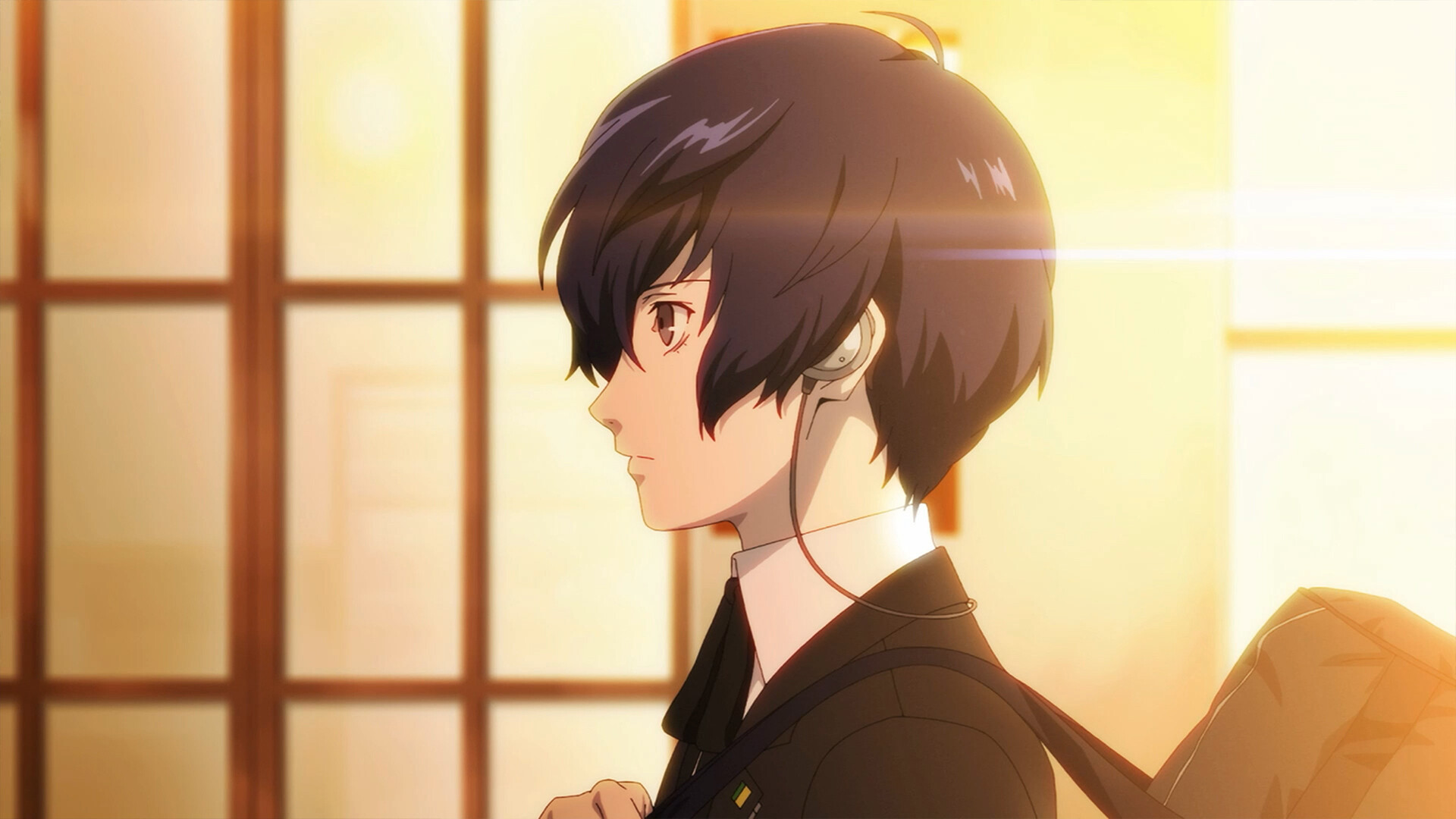
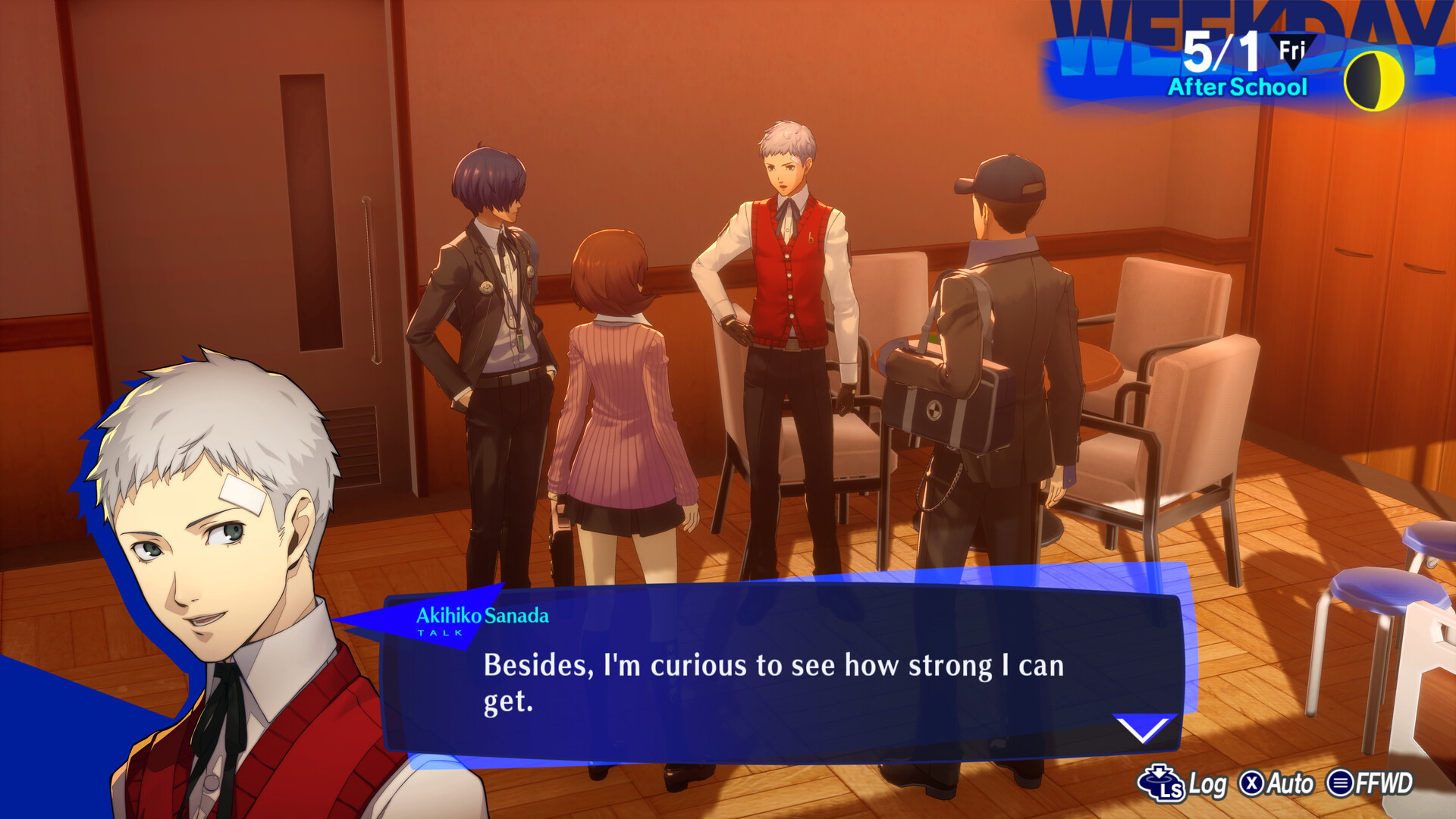
Persona 3 Reload has reached 3 million copies sold worldwide, and Atlus has officially confirmed the milestone. Here’s the kicker: this isn’t just a nice round number for investors, it’s proof that a full remake of a 2006 RPG can still pull in a huge global audience in 2024 and beyond.
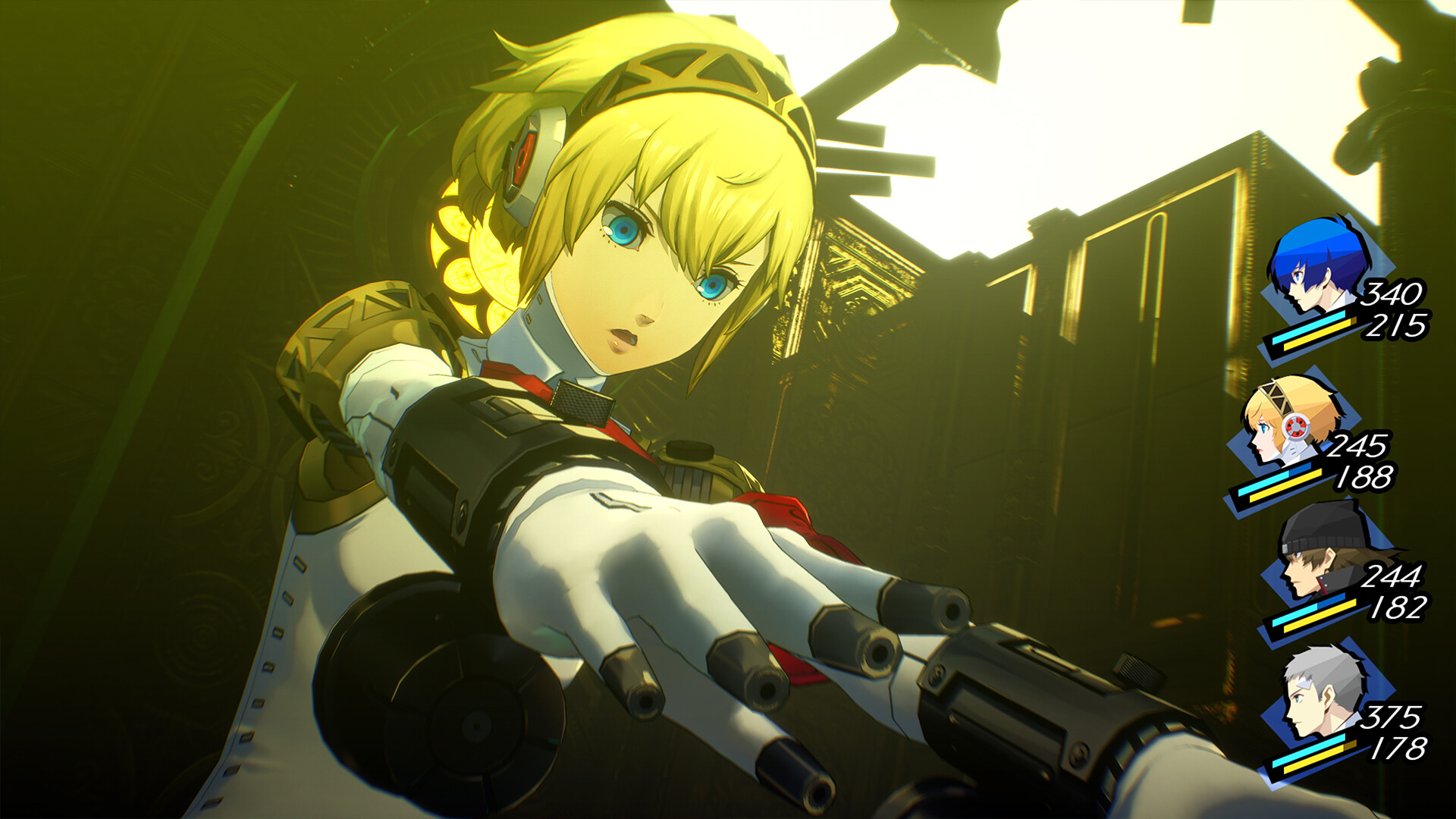
For Japan fans and Japanese learners, this kind of update is worth watching. JRPG sales often tell you which series still have real cultural weight, and Persona remains one of the clearest examples. No exaggeration: when Atlus speaks, the Persona community listens.
Atlus Confirms Persona 3 Reload Sales Milestone
Atlus announced that Persona 3 Reload has sold 3 million copies worldwide, combining physical and digital sales across platforms. The game launched in February 2024, and the figure shows that the remake kept momentum well after release. Unlike what we're used to with many single-player launches, this one clearly had staying power.
The original Persona 3 first arrived on PlayStation 2 in 2006, then expanded through Persona 3 FES and Persona 3 Portable. Reload rebuilt the core story with modern visuals, updated UI, and a fresh combat feel. That mix of nostalgia and polish seems to have worked, and Atlus has every reason to be pleased. Personally...
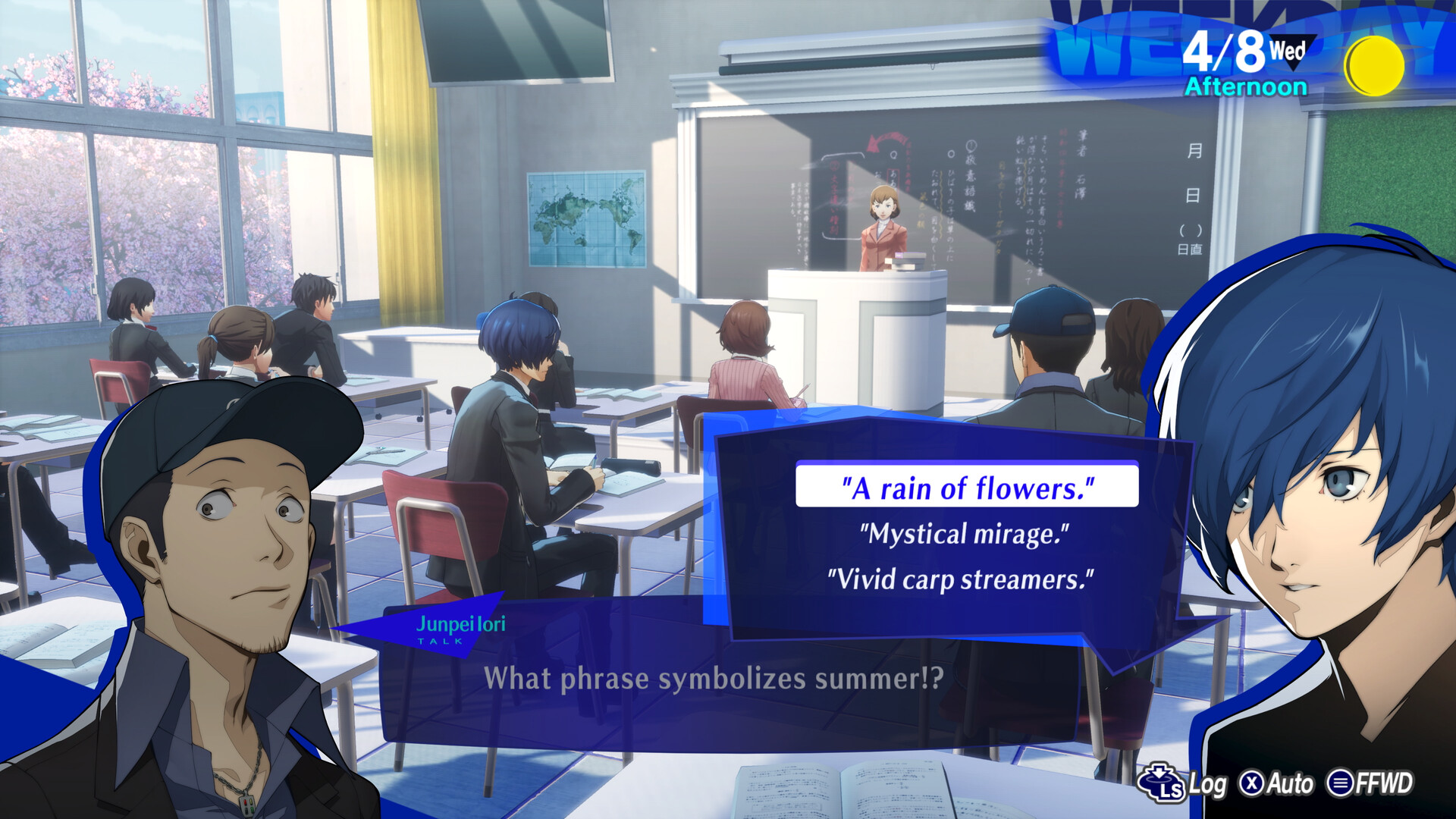
Hand on heart: this kind of milestone is exactly what makes remake projects exciting. They’re not just about prettier graphics, they’re about giving older games a new life for a new generation.
Why Persona 3 Reload Still Matters to JRPG Fans
Ever wondered why Persona 3 Reload hit this level so fast? A big reason is simple, the Persona name carries serious trust. Persona 5 turned the series into a global pop-culture fixture, but Reload shows that even older entries can still command attention if the package is right. Sounds odd, but it's true.
From a JRPG perspective, Persona 3 Reload is especially important because it represents a bridge between eras. It keeps the dark mood, the school-life rhythm, and the social-sim structure that made Persona 3 memorable, while smoothing out rough edges that older players had long accepted. My tip: if you’re learning Japanese, this kind of game is also a great vocabulary mine, because it’s packed with school terms, everyday expressions, and emotional dialogue that feels natural in context.
A great example: language learning through JRPGs
Terms like 天気 (tenki, weather), 勉強 (benkyou, study), 会議 (kaigi, meeting), and 友達 (tomodachi, friend) pop up constantly in Japanese media, and Persona-style games make them easier to remember because you see them in recurring situations. That’s why RPGs can be useful study material, not just entertainment. You hear the same patterns again and again, and the context sticks. Personally...
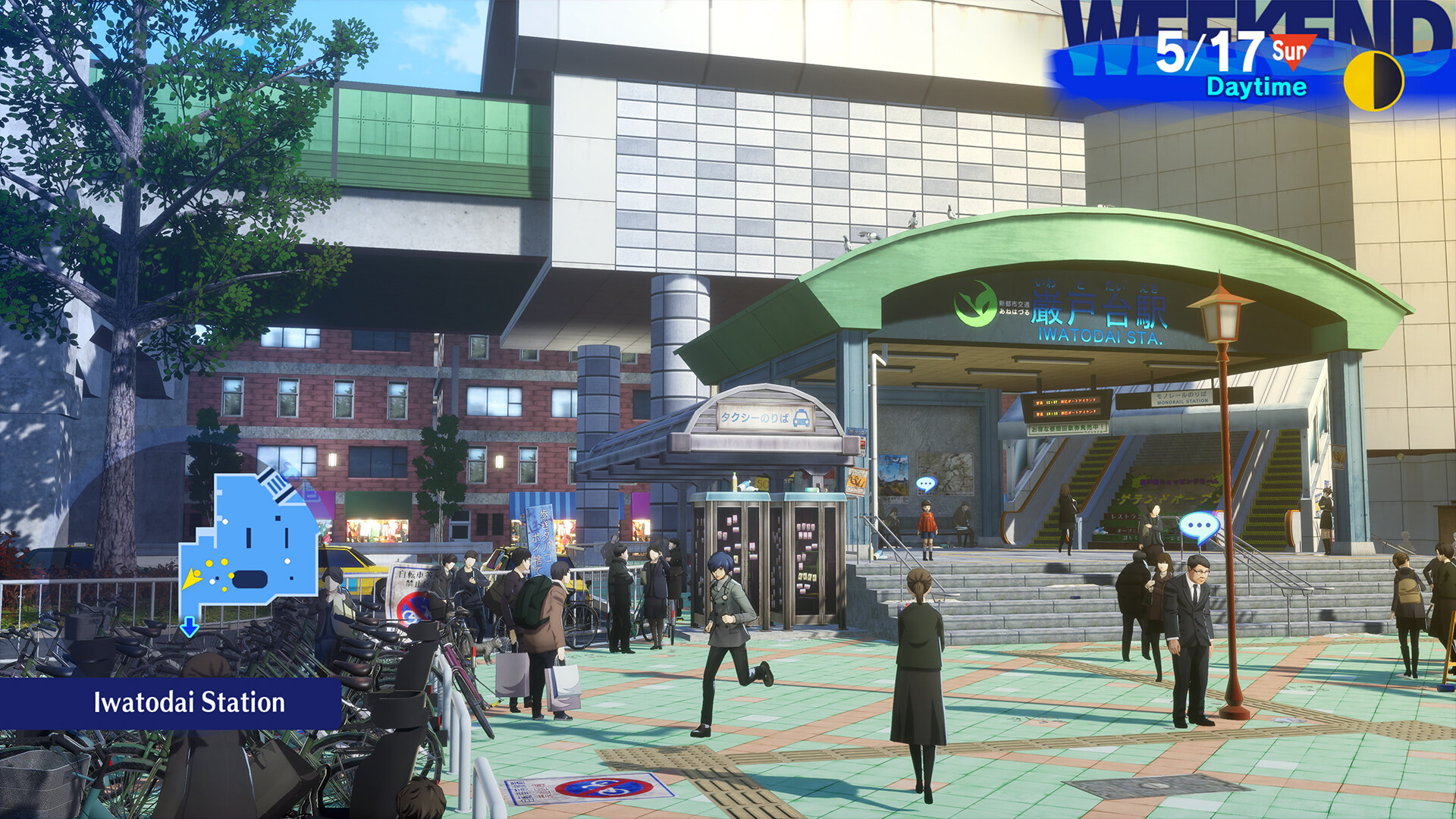
What 3 Million Sales Says About Atlus and Persona
Pro tip: big sales figures don’t always mean a game is culturally important, but in Persona’s case the two are linked. Atlus has spent years building a brand that blends high school drama, stylish presentation, and turn-based combat into something instantly recognisable. The 3 million mark suggests that formula still has plenty of fuel left.
This also matters because Atlus has faced a common JRPG challenge, how to grow beyond a devoted niche without losing identity. Persona 3 Reload shows that the answer can be a careful remake, not a risky reinvention. By keeping the core story intact and modernising the presentation, Atlus gave longtime fans a reason to return and new players a clean entry point. Not bad, right?
On a related note: sales milestones like this often shape what publishers do next. If a remake performs strongly, it can encourage more revival projects, ports, or expanded releases. JRPG fans have seen this pattern before, especially with franchises that become cult favourites first and mainstream hits later. My verdict:
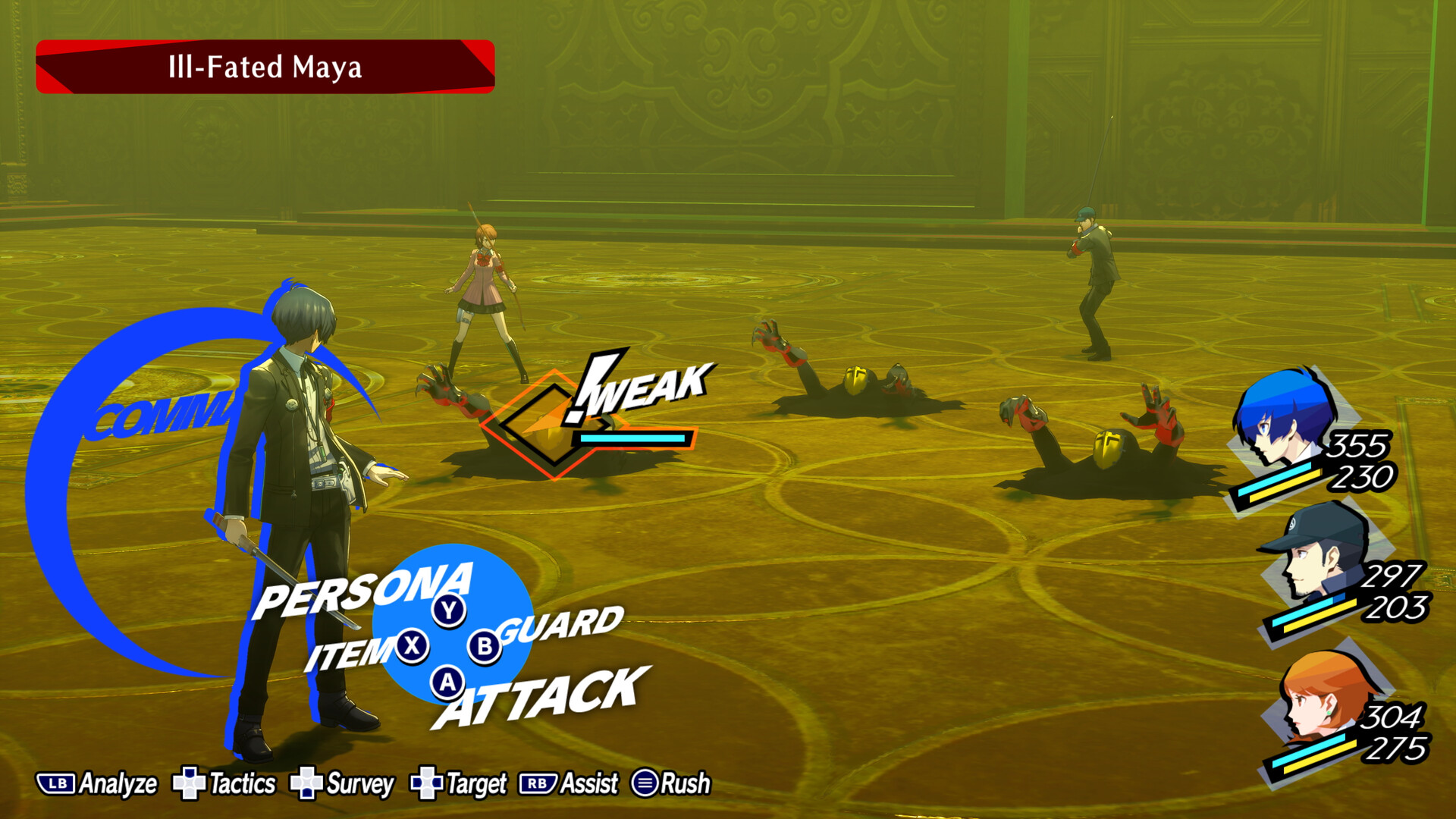
What Japanese Learners Can Take from Persona 3 Reload
Did you know that...? A lot of learners use games like Persona to build listening habits without feeling like they’re studying. That approach works because the dialogue is emotional, repeated, and tied to clear scenes. You may not catch every line at first, but the combination of voice acting, menu text, and subtitles helps a lot.
There’s also a cultural angle. Persona 3 Reload is set in a familiar Japanese school environment, with club life, seasonal events, and the daily rhythm of student life. For learners, that means exposure to concepts like 学生 (gakusei, student) life, 先輩後輩 (senpai-kouhai, senior-junior relationship) dynamics, and the broader feel of Japanese youth culture. Highly recommended: if you play in Japanese, keep a notebook nearby and jot down phrases that keep coming back.
That's why Persona coverage belongs on a Japan-learning site like jpnerd.com. It’s not just about numbers, it’s about what those numbers mean for the stories, language, and games many of us care about. From my experience...
If you want to keep following similar updates, check out more Japan news on jpnerd.com.
In pictures
Frequently Asked Questions
How many copies has Persona 3 Reload sold?
Atlus says Persona 3 Reload has sold 3 million copies worldwide.
Why is this sales milestone important?
It shows that the Persona series still has strong global demand, even for a remake of an older game.
Is Persona 3 Reload useful for Japanese learners?
Yes, it can help with vocabulary, listening practice, and understanding school-life language in context.