
For Japan fans and Japanese learners, this one’s worth a closer look, not just because it’s quirky, but because it sits right in that sweet spot where game design, pop culture, and Japanese console relevance meet.
![Dragon Ball Z: Kakarot [Master Edition]](https://s.pacn.ws/1/p/1eh/dragon-ball-z-kakarot-master-edition-908785.1.jpg?v=t8ja8t&width=400)
![Startup Company [Console Edition] (Limited Edition)](https://s.pacn.ws/1/p/157/startup-company-console-edition-limited-edition-741799.16.jpg?v=ry4mm8&width=400)
![Startup Company [Console Edition]](https://s.pacn.ws/1/p/157/startup-company-console-edition-741779.10.jpg?v=ry4ngq&width=400)
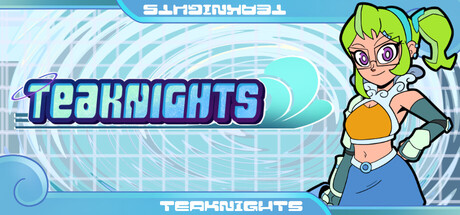
TeaKnights, a Y2K-flavoured Switch indie with rhythm in its blood
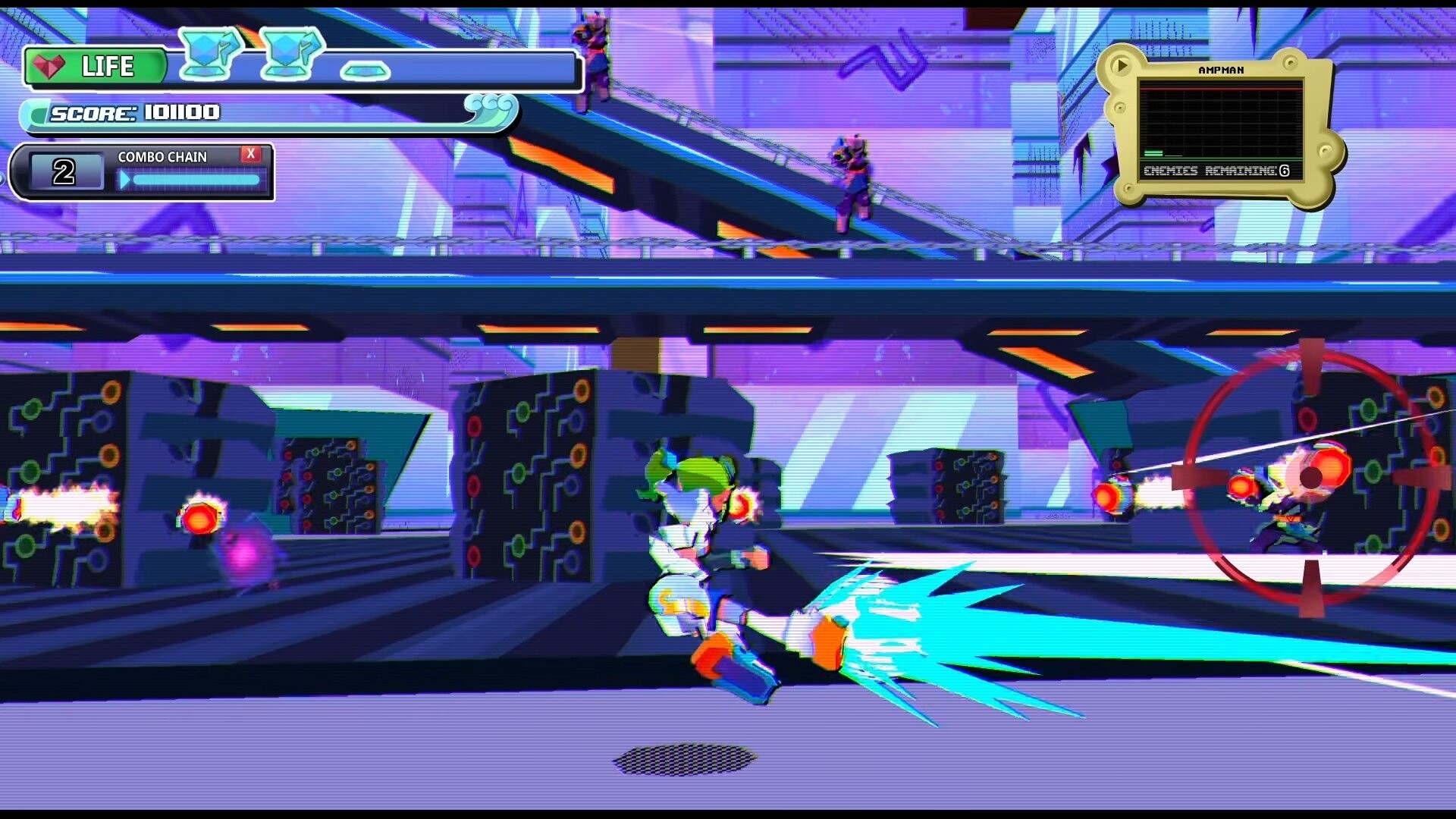
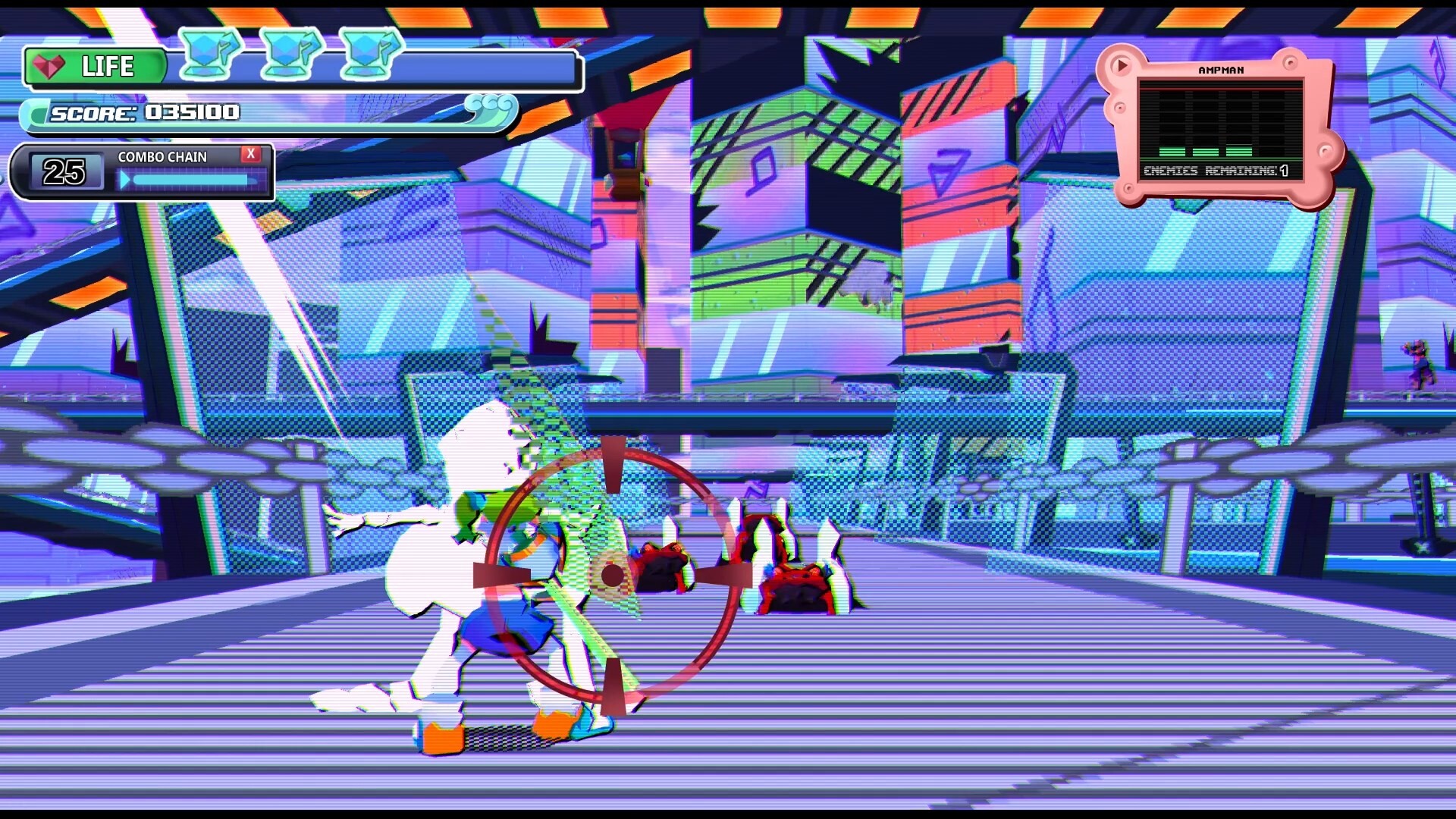
TeaKnights isn’t trying to look subtle, and that’s exactly why it stands out. The project is described as a musical rail shooter, and that already tells you most of what you need to know: you’re moving along a fixed path, shooting targets, and doing it in sync with the music. It’s a great example of how indie teams can still surprise us. This is the kind of game that borrows from old arcade energy and gives it a late-90s, early-2000s coat of paint.

Here’s the thing: the Y2K-inspired angle matters for more than just fashion. Y2K design usually means bright colours, metallic UI, flashy transitions, and that slightly futuristic look people now associate with the era around 1999 to 2003. In Japanese pop culture, that period had a very specific vibe, from arcade cabinets to magazine layouts, and it still shows up in games, anime, and fashion today. TeaKnights seems to tap into that mood on purpose, and that gives it instant identity. See what I mean?
For Japanese learners, there’s a nice vocabulary hook here too. Words like 音楽 (ongaku, music) for music, シューター (shoota, shooter) for shooter, and 企画 (kikaku, concept / plan) for concept come up naturally when talking about games like this. If you ever read Japanese indie coverage, you’ll notice how often writers describe a title’s 世界観 (sekaikan, worldview; overall atmosphere), meaning its overall atmosphere or world feel. That’s the sort of term that helps you read beyond literal translation.

Why a musical rail shooter feels so right on Nintendo Switch
Let me show you why the Nintendo Switch angle matters. The Switch has become a very friendly home for smaller experimental games, especially ones that are easy to pick up in short bursts. A rail shooter fits that pattern neatly, because the player doesn’t need to learn a huge open system or manage ten different menus. You jump in, follow the rhythm, react fast, and enjoy the ride.
To be fair, the Switch also has a strong history with rhythm-adjacent and arcade-style games. Nintendo players have long shown love for titles that are playful first and technical second, and that suits an indie like TeaKnights. It’s the sort of game that can work in handheld mode during a train ride, which feels very Japan-friendly in spirit. Not bad, right?
What many overlook is that rail shooters and music games both rely on timing, pattern recognition, and repetition. Put those together and you get something that can be oddly addictive, especially if the soundtrack is memorable. If TeaKnights nails that loop, it could become one of those small releases that people recommend years later with a grin. My tip: keep an eye on the soundtrack first, because that’s usually where the real magic lives.
Why this matters for Japan fans
Japan has always had a strong relationship with rhythmic game design, from arcade cabinets to music-heavy console experiments. Even when a game isn’t made in Japan, a concept like this can feel very Japanese in how it balances style, repetition, and polish. That’s part of the appeal here, and it’s a big reason Switch owners tend to give oddball indies a chance. Sounds good, right?
What TeaKnights says about indie games and Japanese Nintendo relevance
Guess what? The bigger story isn’t only that TeaKnights is coming to Switch, it’s that Nintendo still matters as a stage for unusual ideas. A game like this might struggle to stand out on a crowded PC storefront, but on Switch it gets a clearer identity. The platform’s audience has room for strange little experiments, especially when the idea is easy to explain in one sentence.
I still remember how many Japanese game discussions begin with a simple hook, then expand into style, music, and audience appeal. TeaKnights has that same energy. It sounds odd, maybe even a little too odd at first, but weird concepts often travel well in Japan-focused gaming spaces because fans are used to hybrids: action plus rhythm, retro plus modern, cute plus intense. Sounds weird, but it's true.

What I especially like is that the game’s premise leaves room for personality. A rail shooter with music timing can become repetitive very quickly if the stages don’t keep changing, so the real test will be how TeaKnights handles enemy patterns, visual flow, and song variety. If the developers built enough contrast into each stage, the game could feel like a compact arcade showpiece rather than just another novelty release. My verdict: this is exactly the kind of indie reveal that makes Nintendo fans stop scrolling.
For readers who follow Japanese gaming culture, this announcement also hits a familiar nerve. Japan still loves compact, stylish games that know what they are, and Switch has become the natural place for them to land. TeaKnights may be small, but it fits that tradition nicely, and that makes it more than just a random oddity.
In pictures
Frequently Asked Questions
What kind of game is TeaKnights?
It is a musical rail shooter, which means you move along a fixed path and attack in time with the music.
Why is the Nintendo Switch release important?
The Switch is a strong home for short, experimental indie games, so it gives TeaKnights a platform that fits its style well.
What does Y2K-inspired mean here?
It refers to a visual style influenced by the late 1990s and early 2000s, with bright, retro-futuristic design choices.


