For Japanese learners and Japan fans, this is a pretty great case study in gaming nostalgia, pop culture memory, and the way one title can carry decades of expectation. Hand on heart: very few games have this kind of weight.
![Dragon Ball Z: Kakarot [Master Edition]](https://s.pacn.ws/1/p/1eh/dragon-ball-z-kakarot-master-edition-908785.1.jpg?v=t8ja8t&width=400)

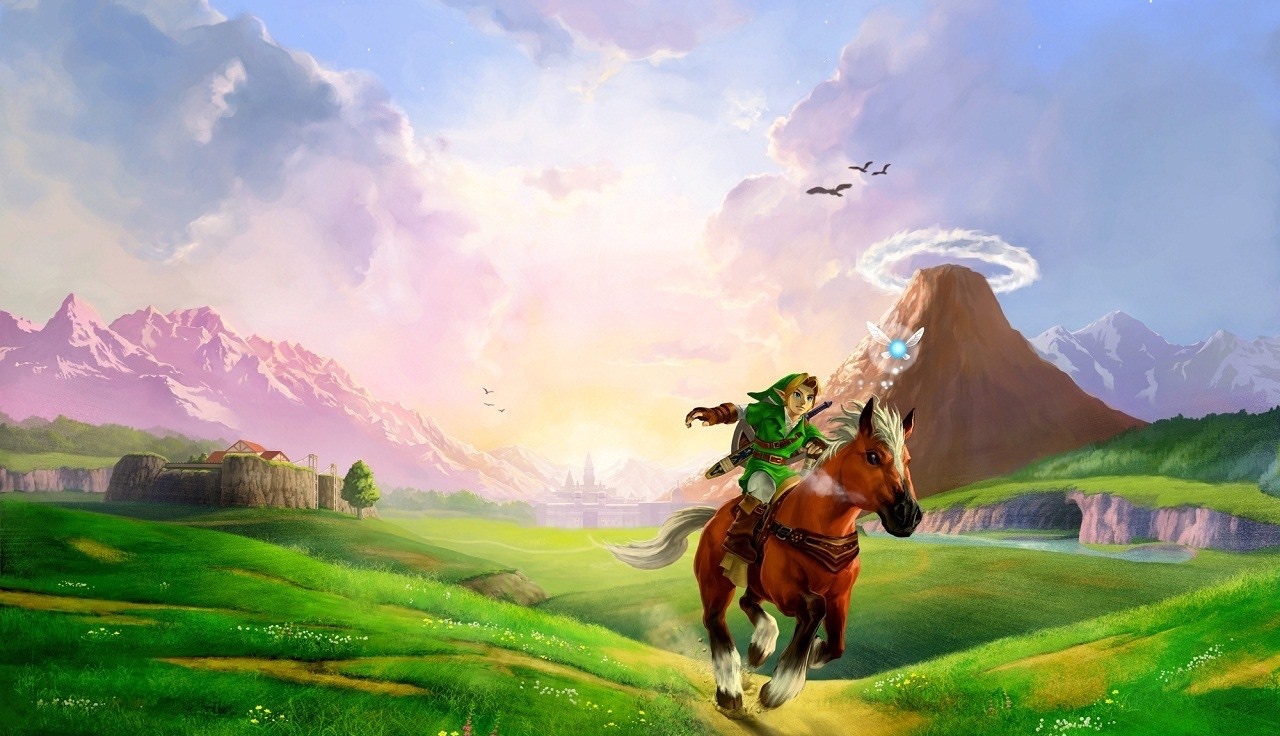
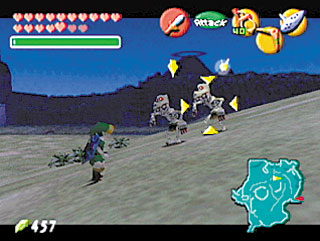
Know that feeling when a game is so loved that even the idea of remaking it feels risky? That’s exactly the situation with Ocarina of Time. Released in 1998 for the Nintendo 64, developed by Nintendo EAD under Shigeru Miyamoto, it didn’t just become a hit, it became a standard. People still talk about its dungeons, its Z-targeting, and that eerie Lost Woods theme as if they played it yesterday.
And then there’s the remake rumour. It never really goes away, does it? Every few years, someone spots a hint, a quote gets misread, a fan mock-up starts circulating, and the internet lights up. Polygon has also weighed in on the whole remake conversation, especially in pieces like Polygon, which frame the issue less as “will Nintendo do it?” and more as “can any version survive the expectations?” Seriously though, that’s the real story.
For Japanese learners, this is also a nice vocabulary moment. Words like 伝説 (densetsu, legend), 不安 (fuan, anxiety; unease), 希望 (kibo, hope), and 思惑 (omowaku, expectation; intention) fit the mood perfectly. Ocarina of Time is a densetsu title, the kind of game that creates fuan around change and huge kibo at the same time. Sounds weird, but it's true.
Why Ocarina of Time still casts such a long shadow
Picture this: a game arrives in 1998, on a cartridge, on hardware that now feels ancient, and it still ends up in “greatest game ever” lists almost 30 years later. That’s not normal. Ocarina of Time introduced 3D Zelda to the mainstream, gave players a living Hyrule, and sold over 7.6 million copies worldwide on Nintendo 64. Those aren’t nostalgia numbers, those are culture numbers.
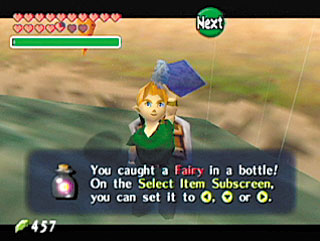
What matters even more is timing. Nintendo fans grew up with it during a period when the company was still defining 3D adventure design. The lock-on combat, the shift between child and adult Link, the puzzle-dungeon rhythm, all of it became a blueprint. So if a remake changes too much, people say it loses the soul. If it changes too little, people say it wasn’t worth doing. From my experience, that’s the hardest kind of fan debate to satisfy.
Nostalgia is doing a lot of the work
A great example: many fans don’t just remember the game, they remember where they played it. In a bedroom in Osaka, during a family visit, at a friend’s house after school, or on a first-ever television set in a small apartment in Tokyo. That kind of memory is powerful. Nintendo nostalgia is tied to place, season, and age, almost like remembering a first 花見 (hanami, cherry blossom viewing) or a summer 祭り (matsuri, festival). Wait, there’s more.
The emotional layer matters because remakes are never only technical updates. They’re reunions. And reunions are messy. Some players want the exact same dungeons, just cleaner textures and smoother controls. Others want a full reinterpretation, maybe in the style of modern Zelda games. That split alone explains why the pressure is so high. But that’s not all.
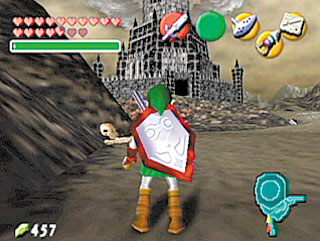
The remake rumour problem, and why it keeps growing
Unlike what we’re used to with ordinary game chatter, remake rumours for Ocarina of Time keep returning because the title feels permanently unfinished in fans’ minds. There’s already a 3D version on Nintendo 3DS from Grezzo, released in 2011, and that remake was excellent. Simply brilliant. Yet even that didn’t close the book, because fans still imagine a bigger leap, something that would sit next to The Legend of Zelda: Tears of the Kingdom as a showcase product.
Hand on heart: Nintendo also knows how to fuel expectation without confirming much. A silhouette in a presentation, a copyright renewal, a rumour on social media, and suddenly everyone is parsing every detail. The company doesn’t need to say much for the cycle to start again. For a game as revered as this one, silence can be louder than a trailer.
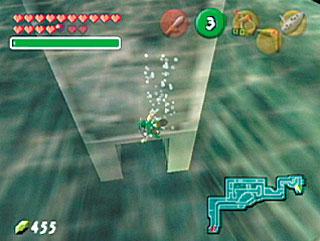
And here’s the catch. A remake of Ocarina of Time would be judged not just on graphics, but on memory. The water temple still needs to feel right. The music still needs to hit. The pacing still needs to respect the original flow. If Nintendo changed the dungeons too much, older fans would complain. If it kept them exactly the same, newcomers might wonder why the project exists at all. Wild, isn’t it?
What a real remake would have to get right
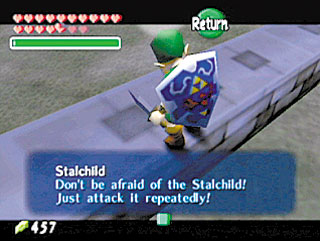
Plot twist: the technical part might actually be the easy bit. Modern Nintendo hardware can handle polished visuals, better camera control, and quality-of-life changes. The hard part is tone. Ocarina of Time balances fairy-tale wonder with darker moments, and that mix is delicate. A remake would need to preserve that tension while making the game readable to players who expect modern interface design, clearer save systems, and faster movement.
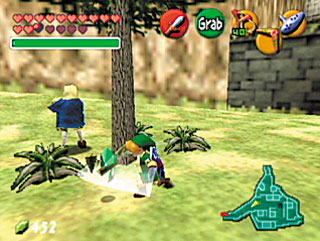
My tip: if you want to understand why this game still matters, look at its structure rather than only its graphics. Each major area teaches a different kind of play, from Kokiri Forest’s gentle opening to the pressure-cooker design of the Shadow Temple. The game is a masterclass in pacing, and that’s one reason fans still talk about it in 2026. Not every classic can survive that level of scrutiny.
For Japan fans, there’s also a cultural angle here. Nintendo often treats its icons with almost shrine-like care, and that’s a very Japanese kind of caution. There’s respect for legacy, but also a fear of breaking what already works. Speaking of which, that’s exactly why an Ocarina of Time remake would be such a high-wire act. It wouldn’t just be another product, it would be a statement about how Nintendo sees its own history.
If a remake ever happens, it won’t be enough for it to be pretty. It would need to feel inevitable, as if the original had been waiting for this version all along. That’s a brutal standard. But for Ocarina of Time, the standard was always brutal. From my experience...
In pictures
Frequently Asked Questions
Why do fans want an Ocarina of Time remake so badly?
Because the original is one of Nintendo's most important games, and many players want to see it updated with modern visuals and controls.
Has Ocarina of Time already been remade once?
Yes, it received a 3DS version in 2011, but many fans still imagine a larger modern remake.
Why is the pressure so high for Nintendo?
Any remake would be compared to a legendary original, so fans would judge every change very closely.