If you love arcade fighters, or you’re learning Japanese and want a game-world excuse to notice katakana names, menu terms, and combat vocabulary, this one has a lot to offer. Let me show you why it works so well, and where the Switch 2 Edition still leaves room for improvement.
![Dragon Ball Z: Kakarot [Master Edition]](https://s.pacn.ws/1/p/1eh/dragon-ball-z-kakarot-master-edition-908785.1.jpg?v=t8ja8t&width=400)
![Startup Company [Console Edition] (Limited Edition)](https://s.pacn.ws/1/p/157/startup-company-console-edition-limited-edition-741799.16.jpg?v=ry4mm8&width=400)
![Startup Company [Console Edition]](https://s.pacn.ws/1/p/157/startup-company-console-edition-741779.10.jpg?v=ry4ngq&width=400)
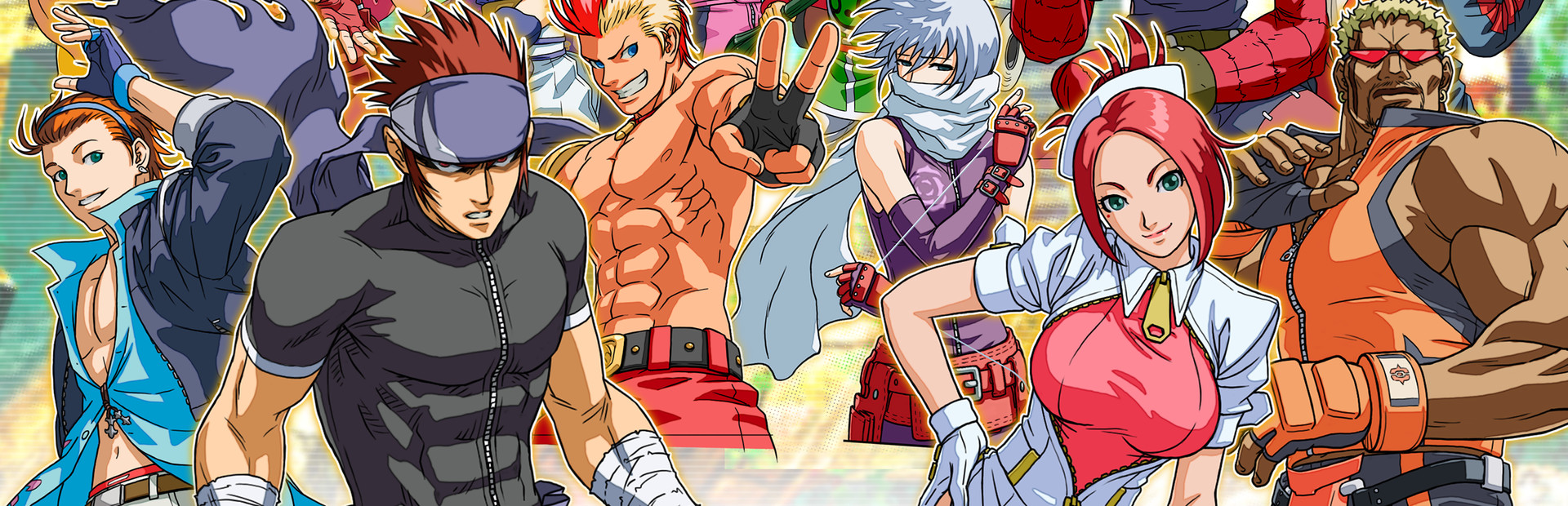
No joke: The Rumble Fish 2 is one of those arcade fighters that spent years being talked about like a secret handshake. Created by Dimps and first released in Japanese arcades in 2005, it never got the mainstream fame of Street Fighter or Guilty Gear, but it earned a loyal following for its slick animation, two-gauge battle system, and sharply designed characters.
Now it has arrived as The Rumble Fish 2 Switch 2 Edition, and that matters more than it might first sound. Retro fighters can feel clumsy on modern hardware, especially when the port team doesn’t respect input timing, image scaling, or online play. Here, the Nintendo hardware angle is the whole story, because a game like this lives or dies on responsiveness. Sounds good, right?
The Rumble Fish 2 on Switch 2: a surprisingly sharp retro fighter
Picture this: you boot up a game that looks like a mid-2000s arcade cabinet, and within seconds you remember why people still chase that feeling. The Rumble Fish 2 is fast, readable, and built around short, intense matches. That’s a big deal for Switch 2, because portable pick-up play suits a fighter where rounds can swing in less than a minute.
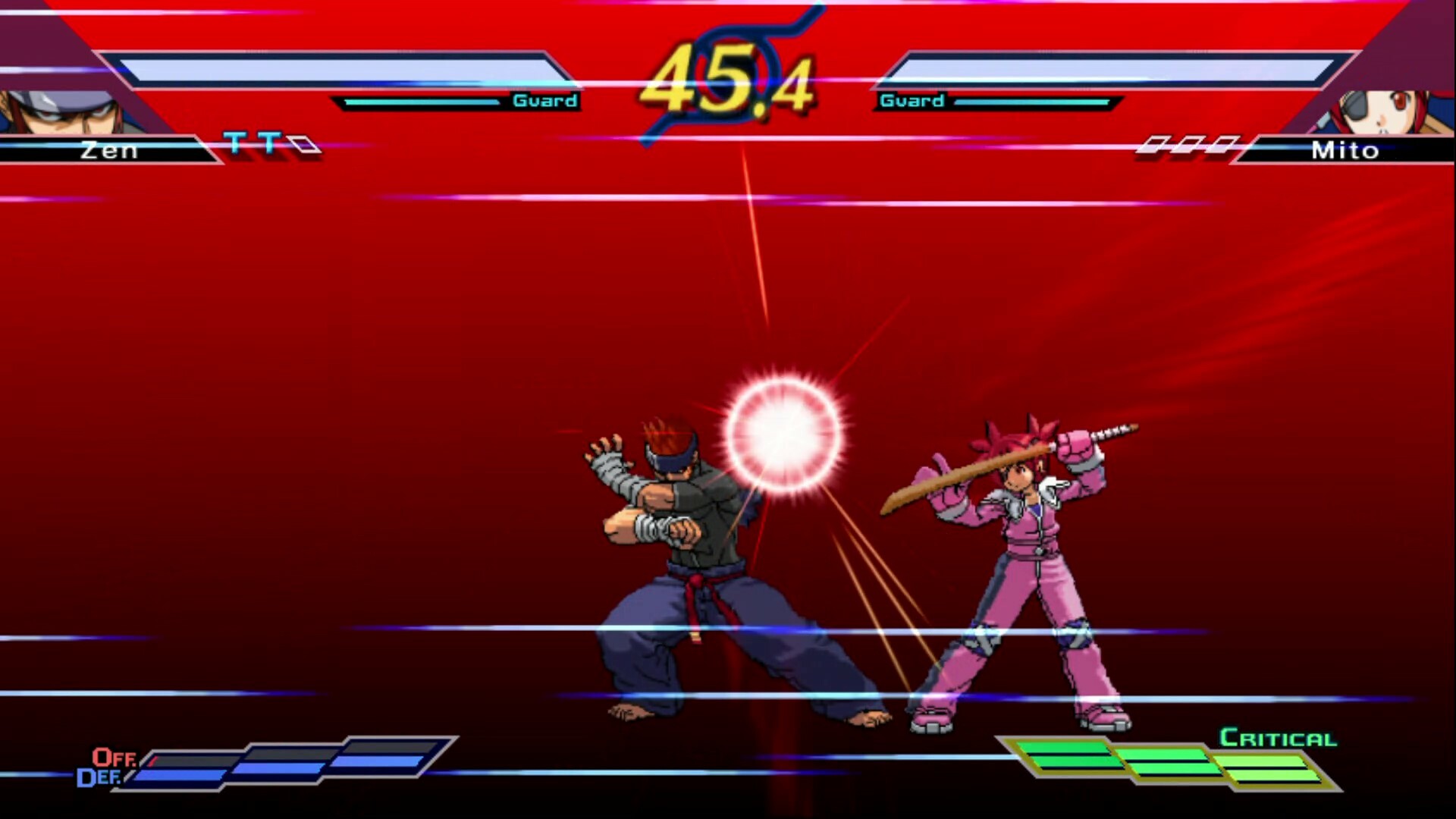
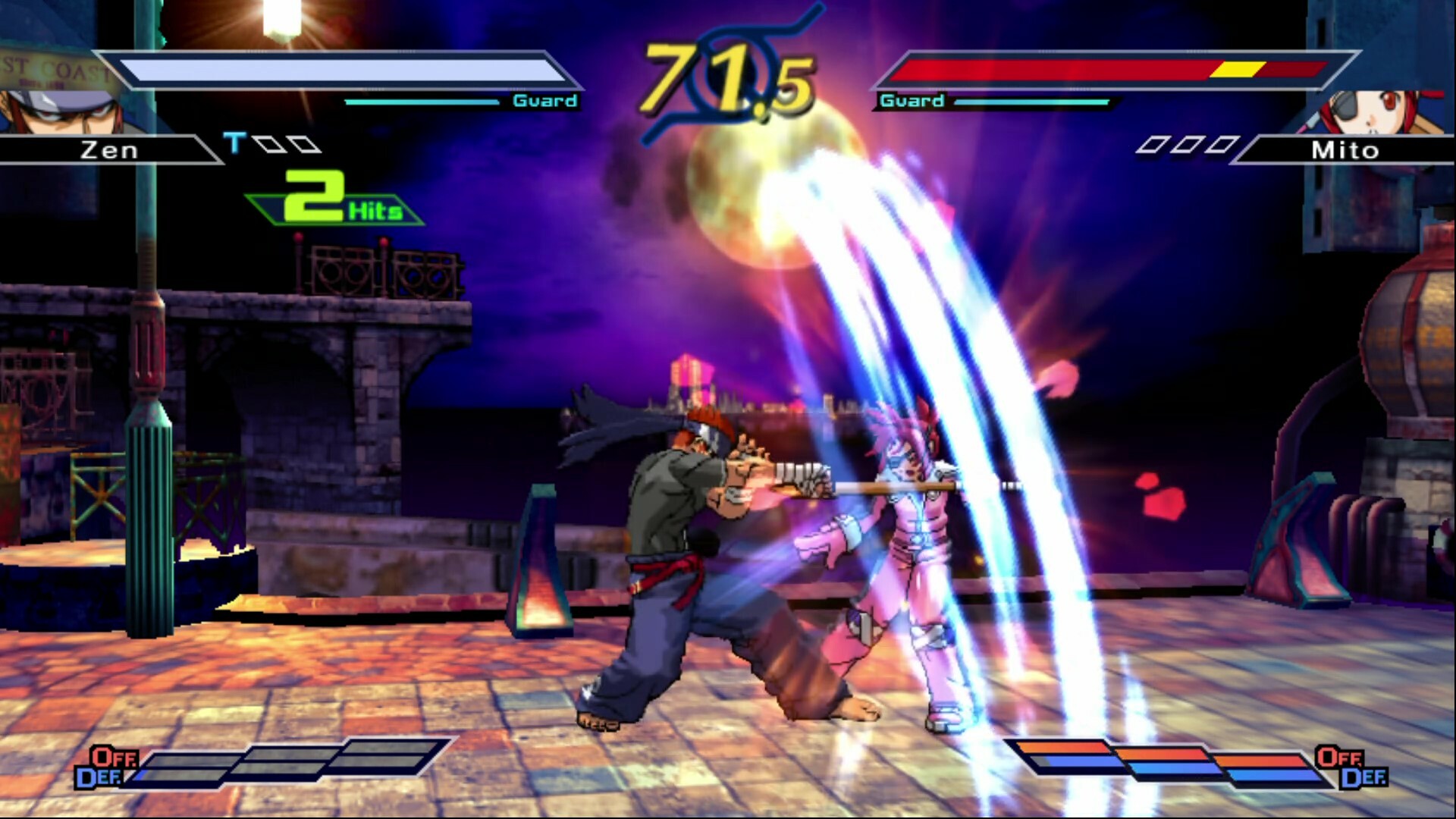
Dimps built the combat around the Offense and Defense gauges, which shape special attacks, defensive options, and momentum. Basically, it’s not just about memorising combos, it’s about watching the screen and reading your opponent’s rhythm. For Japanese learners, that’s a nice bonus, because fighting-game language often repeats simple, useful terms like 攻撃 (kougeki, attack), 防御 (bougyo, defense), and 開戦 (kaisen, outbreak of battle; battle start) in menus and move descriptions. Convinced yet?
Why this game still feels fresh
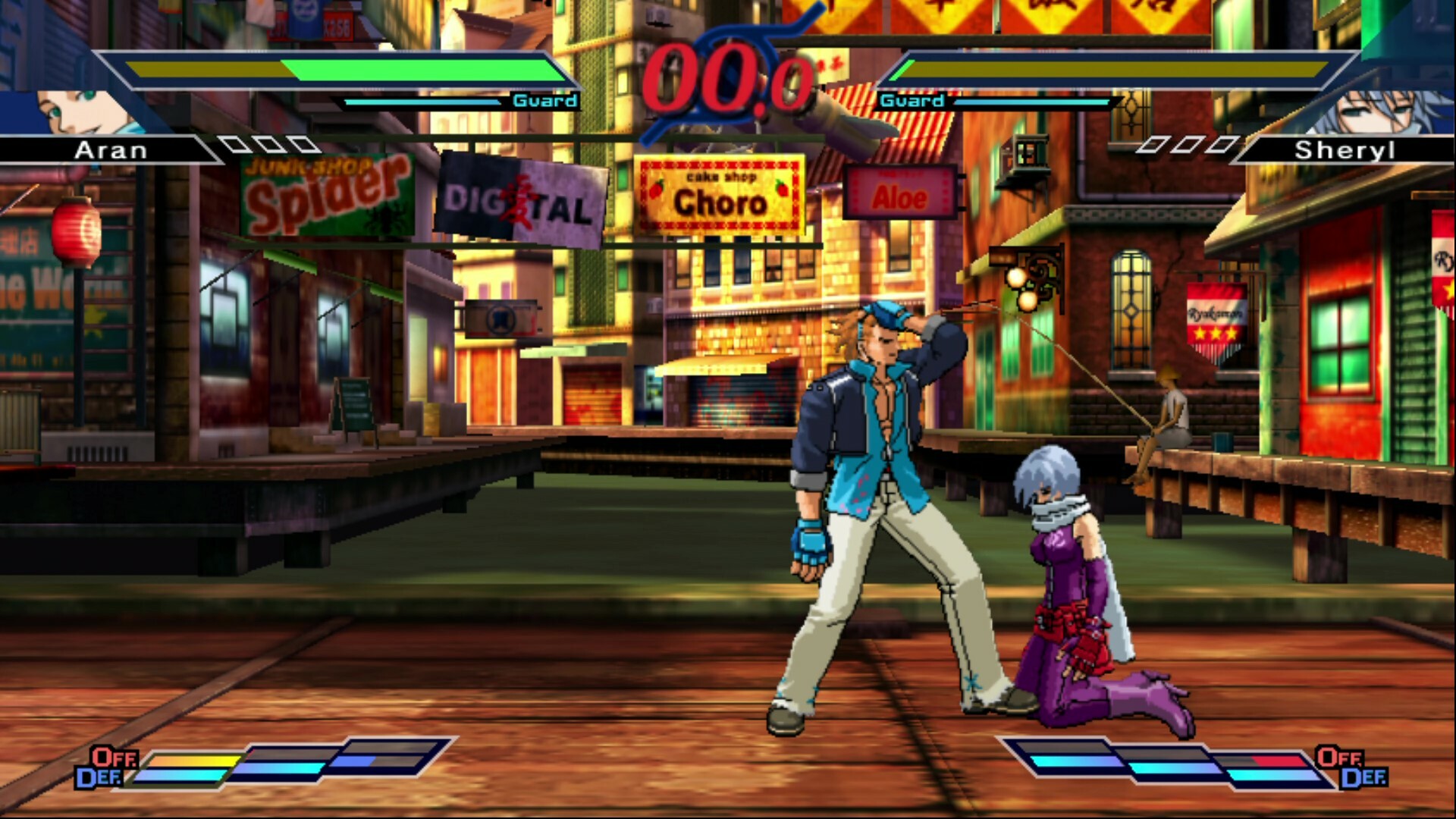
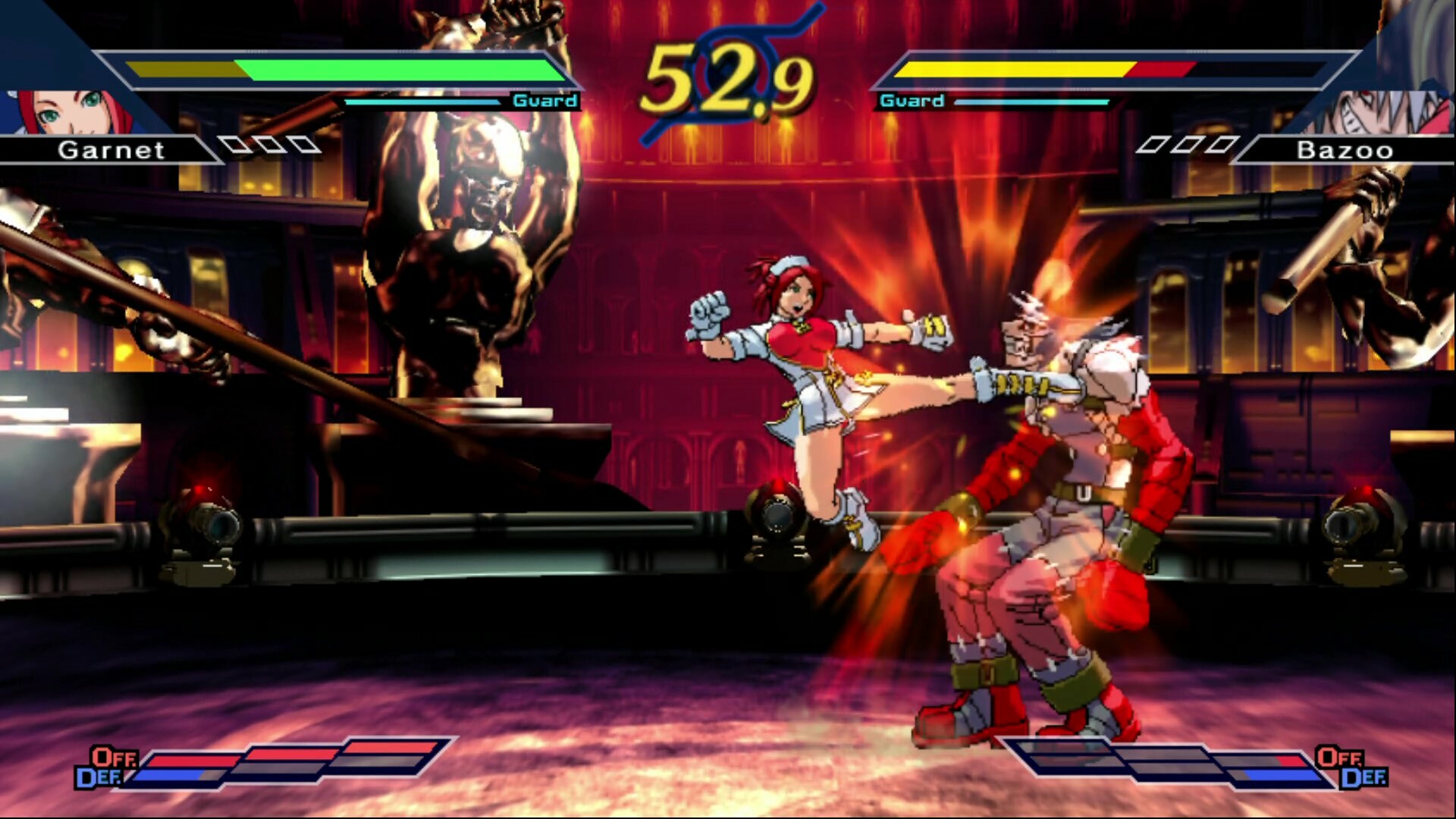
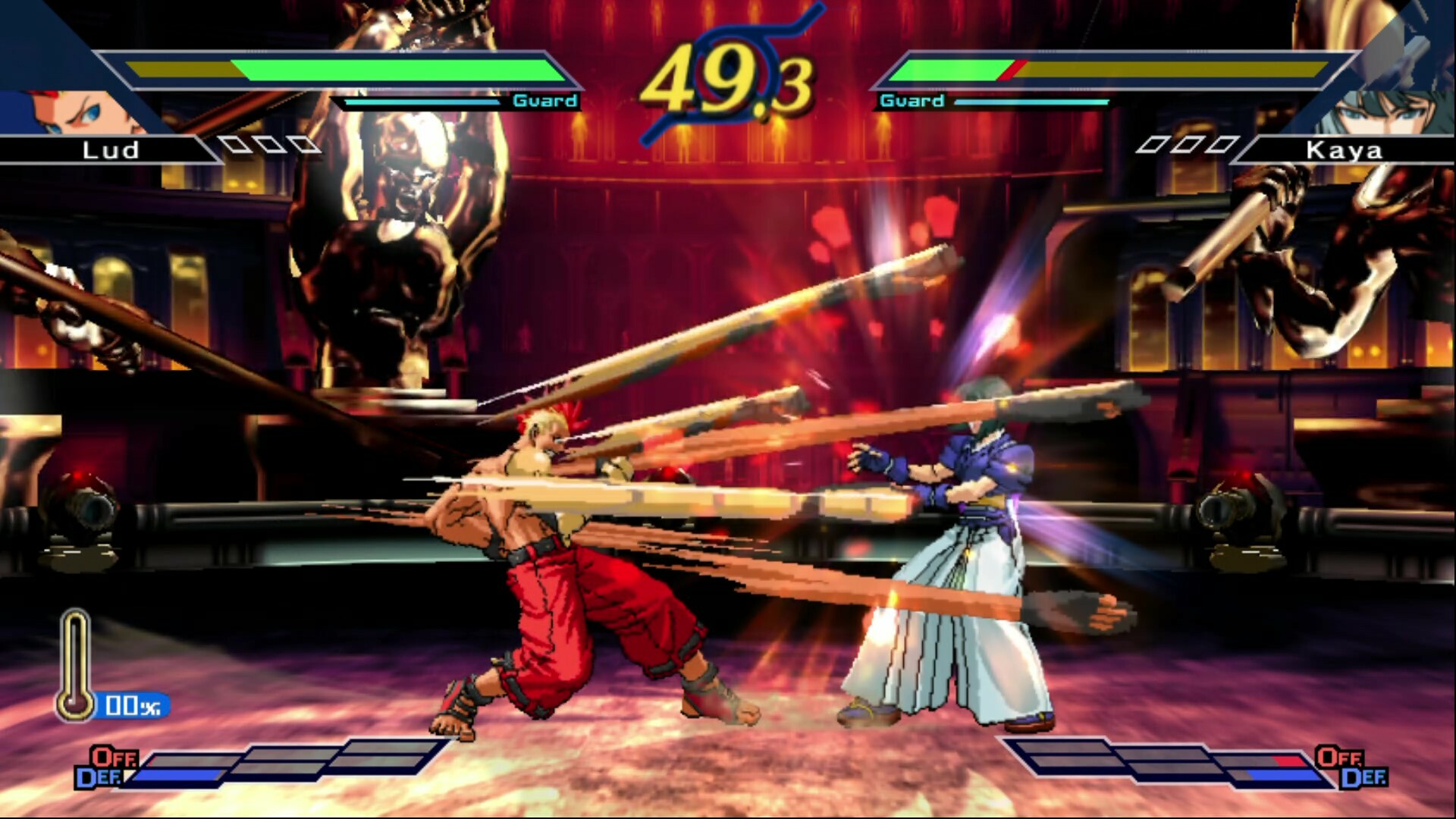
A great example is the character animation. Even now, the sprites have a clean, almost hand-drawn snap to them, and the hit reactions make every exchange feel deliberate. That visual clarity helps on a Nintendo handheld screen, where muddy effects can ruin timing. Here, attacks are easy to read, and the game rarely loses track of what’s happening, even when the screen gets busy.
What many overlook is the cast is weird in the best way. You’ve got recognisable archetypes, sure, but each fighter has enough personality to stand out from the usual arcade crowd. That gives the game a little of the same appeal that makes late-night Japanese arcade culture so memorable, where one cabinet can pull in players just because it looks different from the rest. Classic Japan, isn't it?
Switch 2 Edition changes: what this Nintendo port gets right
Insider tip: a good fighting-game port doesn’t try to reinvent the original, it tries to make the original easier to live with. The Switch 2 Edition of The Rumble Fish 2 does that job by focusing on convenience. You get a cleaner on-the-go setup, quick access to matches, and the kind of platform fit that makes the game feel natural in docked and handheld modes alike.
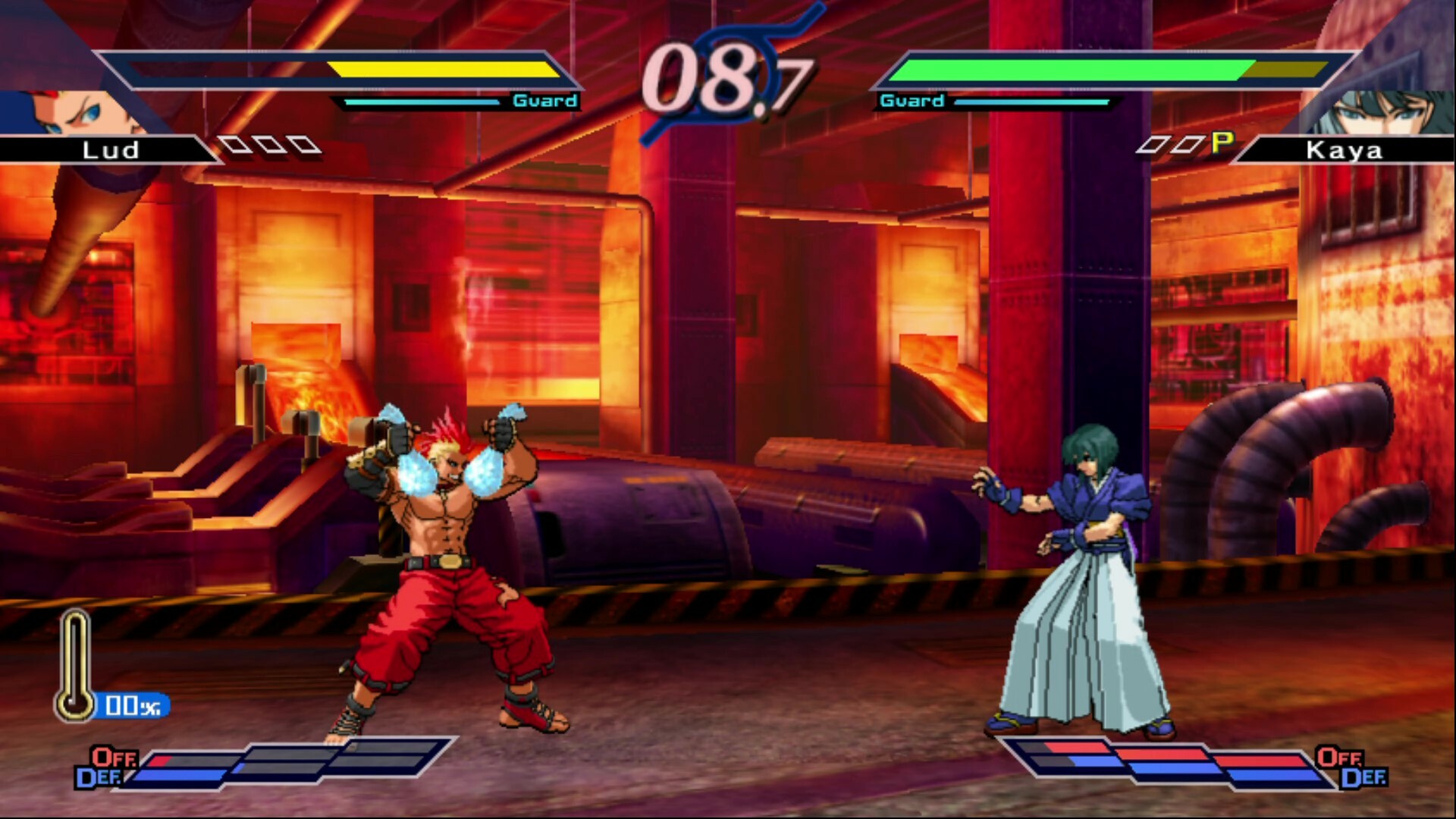
What matters most is input feel. On a fighter this old, even tiny delays can wreck special moves and counter timing, but the Switch 2 hardware handles the basics well. That means quarter-circle motions, dashes, and guard breaks feel stable enough for casual sessions and serious practice. If you’ve ever played arcade fighters on older portable systems and felt them lag behind your hands, this port will feel like a relief. See what I mean?
Image, sound, and the old arcade mood
Before I forget: presentation matters more here than flashy extras. The original game was made for arcade cabinets, so a straight, respectful port is the right choice. The soundtrack still has that tense, metallic energy Dimps fans will recognise, and the sound effects give every hit a nice punch. It’s not remastered into something unrecognisable, and that restraint helps.
For example, the UI doesn’t bury you in nonsense. Menus are functional, fast, and easy to learn, which suits a game that already asks you to track multiple systems during a fight. My tip: if you’re a Japanese learner, spend a few minutes reading the menu screens before you jump into matches, because fighter vocabulary is one of the easiest ways to build real game-related reading confidence. You’ll spot words like story, training, and option in no time. Sounds good, right?
Dimps, arcade history, and why this matters to Japan fans
Guess what? Dimps has a deeper place in fighting-game history than many players realise. The studio has worked across major action and fighting projects for years, and The Rumble Fish 2 shows that classic arcade discipline clearly. You can feel the design choices: compact move lists, strong visual feedback, and a focus on player skill over spectacle.
That makes the game appealing to Japan fans for more than nostalgia. It’s a snapshot of a specific arcade era, when companies were still experimenting with how much style and system depth a 2D fighter could carry. If you enjoy learning about Japan through games, this is the kind of release that gives you context, not just entertainment. It’s also a reminder that not every important Japanese game needs to be a blockbuster to matter.
Who should buy it?
Let me show you why this Switch 2 Edition makes sense for three groups. First, retro-fighting fans who want a portable copy of a once-hard-to-play arcade title. Second, collectors who follow Dimps and want to see how the studio’s ideas evolved. Third, Japanese learners who like games with simple interface language and clear battle flow. If you fall into any of those camps, this is an easy recommendation.
The one caveat is obvious: if you only care about online ranked depth or huge modern feature sets, The Rumble Fish 2 won’t replace today’s top esports fighters. But that’s not the point. Its charm lies in precision, pace, and the feeling that you’ve uncovered a cabinet from another time, now neatly packed for Nintendo hardware. What I especially like is that it respects the original while making it genuinely playable in short sessions. That’s the sweet spot. Convinced yet?
In pictures
Frequently Asked Questions
Is The Rumble Fish 2 a full remake on Switch 2?
No, it is a port of the original arcade fighter, presented as a Switch 2 Edition.
Who made The Rumble Fish 2?
Dimps developed the game, and it first appeared in Japanese arcades in 2005.
Is this a good game for Japanese learners?
Yes, especially if you want to get used to menu language and common fighting-game terms.