For Japan fans and game nerds alike, this is peak retro culture: a bit of nostalgia, a bit of chaos, and a lot of money for plastic that looks like 1991 never ended.
![Dragon Ball Z: Kakarot [Master Edition]](https://s.pacn.ws/1/p/1eh/dragon-ball-z-kakarot-master-edition-908785.1.jpg?v=t8ja8t&width=400)


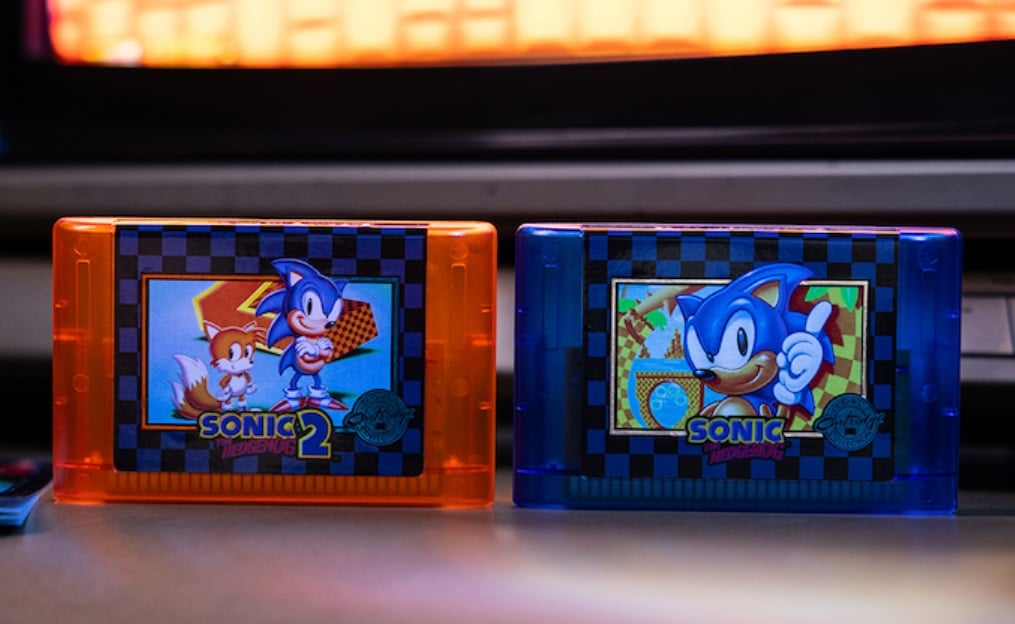
Guess what? The blue blur is getting another anniversary spotlight, and this one comes in the form of old-school Sega Genesis cartridges. Sega and Limited Run Games are selling physical carts for the original Sonic the Hedgehog and Sonic the Hedgehog 2, and the price is, frankly, outrageous. Each cartridge costs 100 dollars before shipping, which puts these squarely in the “cult object” category.
That number stings a bit, because these aren’t new games in the usual sense. They’re classic Mega Drive-era releases, wrapped in a premium package that leans hard into nostalgia. If you grew up with the Genesis, or the Mega Drive in Japan, the appeal is obvious, but so is the sticker shock.
By the way, this is also very Sega. The company’s always had a slightly chaotic charm, from the Saturn days to the Dreamcast era, and fans still love it for that. A Sonic cartridge on a shelf feels like a little museum piece, and for some collectors, that matters more than value for money.
Sonic anniversary nostalgia meets Genesis cartridges
Fun fact: Sonic the Hedgehog first launched in 1991, developed by Sonic Team, with Yuji Naka and Naoto Ohshima among the names most often tied to its early identity. Sonic the Hedgehog 2 followed in 1992, and both games helped define Sega’s rivalry with Nintendo during the 16-bit era. That history is doing a lot of heavy lifting here.
The timing makes sense, too. Anniversary releases always trigger a memory rush, and Sonic’s been one of the most recognisable game mascots for more than three decades. Take Sonic Mania, for instance. It showed that players still want pixel-era Sonic when it’s handled with care, and these cartridges are clearly aimed at the same emotional sweet spot.
What many overlook is that retro hardware is about ritual as much as software. Slipping a cart into a console, hearing the click, and seeing the logo appear on a CRT, that’s part of the experience. If you know the Japanese word 懐かしい (natsukashii, nostalgic; evoking fond memories), this is exactly that feeling, the warm pull of old memories that hits before you even press start. And there’s more.
Why these Sega Genesis carts cost so much
Here’s the kicker: the games themselves aren’t rare, but the packaging strategy is. Limited Run Games built its business on limited physical editions, and that scarcity drives the price. You’re not just paying for a ROM on a cart, you’re paying for manufacture, licensing, collector appeal, and the fact that lots of fans will buy first and grumble later.
To be fair, a premium retro release isn’t the same as a normal reprint. You get the look, the feel, and the shelf presence, and some buyers care deeply about preserving that old Genesis aesthetic. The problem is that 100 dollars is hard to justify when digital versions, collections, and emulation options already exist for much less.
Know that feeling when you spot something perfect, then the price ruins the moment? That’s this release in a nutshell. A great example: if you’re building a Sega shelf next to Virtua Fighter, Panzer Dragoon, or a Mega Drive mini console, the cart looks amazing. If you just want to play Sonic, the value case falls apart fast. Sounds about right, doesn’t it?
What Japan fans and collectors should think about
Plot twist: for many Japan fans, the real attraction isn’t utility, but cultural texture. The Mega Drive was the Japanese name for the Genesis, and Sega’s home-market story is full of bold design choices, arcade energy, and a kind of stylish underdog status. A cart like this taps straight into that era, even if the price feels a bit absurd.
My tip: if you love Japanese gaming history, compare the cartridge culture with how Japan treats memorabilia in general. From limited ガチャ (gacha, capsule-toy lottery; random draw item) items to collaboration merch in Akihabara, scarcity is part of the game. That doesn’t make every premium item worth buying, but it helps explain why collectors don’t always react like budget-minded players.
Insider tip: if you want the Sonic anniversary vibe without the financial pain, look for official compilations, museum-style box sets, or regional Sega collections instead. You’ll still get the music, the speed, and the blue hedgehog energy, just without the feeling that your wallet was sent through a loop-de-loop. My verdict: these cartridges are cool, nostalgic, and very Sega, but the price is doing most of the talking.
Frequently Asked Questions
Why are the cartridges so expensive?
They are limited physical collector editions, and the price includes licensing, production, and scarcity-driven demand.
Are these new Sonic games?
No, they are physical reissues of the original classic games.
Who are these cartridges for?
Mainly collectors, Sega fans, and retro gaming enthusiasts who value display pieces as much as gameplay.