
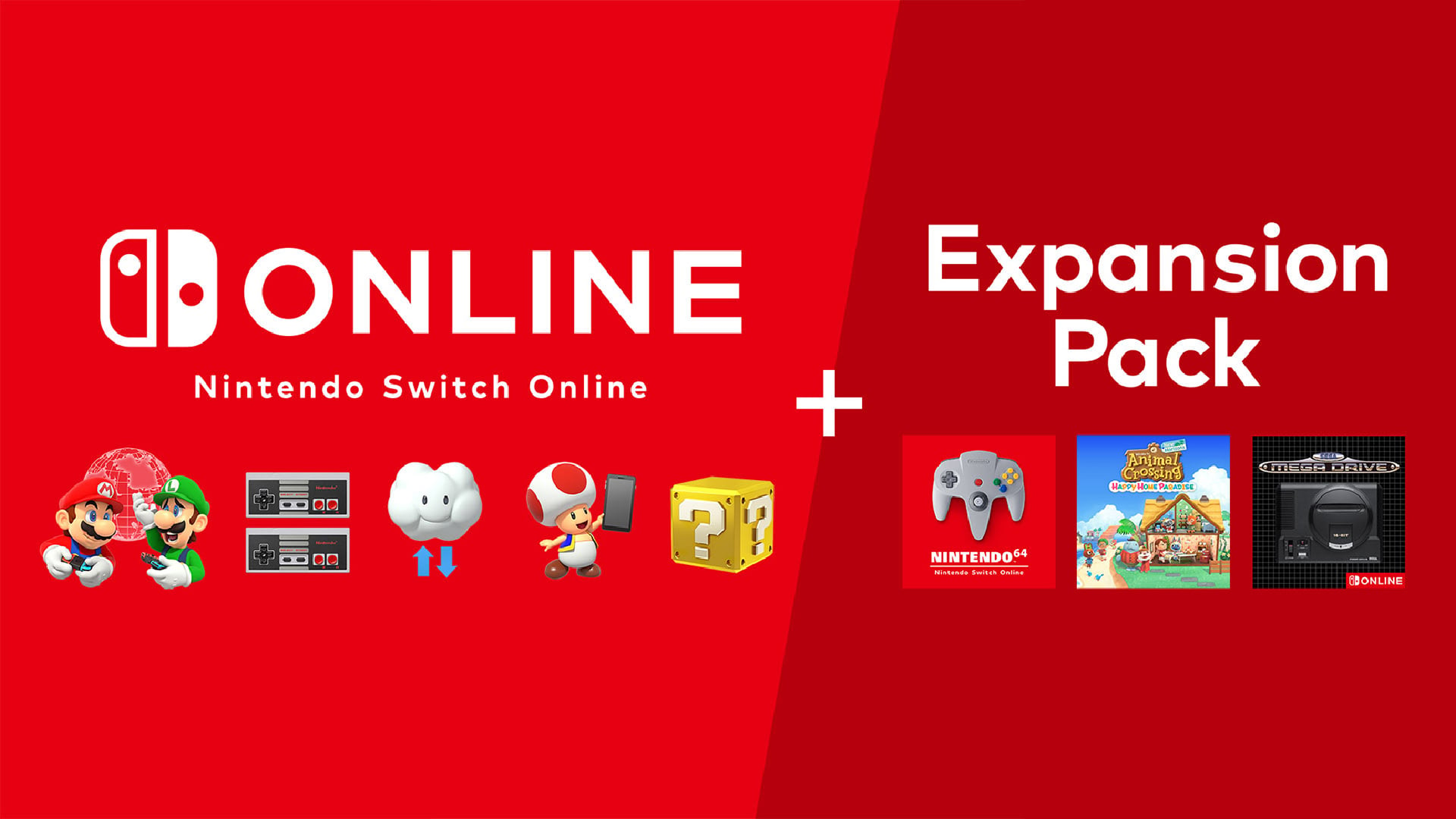
Hand on heart, this isn't a dramatic headline like a new console reveal, but it does affect real players, especially families and fans who use the Expansion Pack.
![Startup Company [Console Edition] (Limited Edition)](https://s.pacn.ws/1/p/157/startup-company-console-edition-limited-edition-741799.16.jpg?v=ry4mm8&width=400)
![Startup Company [Console Edition]](https://s.pacn.ws/1/p/157/startup-company-console-edition-741779.10.jpg?v=ry4ngq&width=400)
Japan’s Nintendo Switch Online prices are going up
Know that feeling when a subscription you barely think about suddenly costs more? That’s exactly what’s happening in Japan with Nintendo Switch Online. Nintendo has confirmed a price increase for the Japanese market, and the change affects both the Family Plan and the Expansion Pack tier.
For solo players, the basic yearly plan is still the entry point, but the bigger jump matters for households. In Japan, where shared accounts and family setups are common, the Family Plan has always been the value option. Now that value is shifting a little, and people will notice when the renewal email lands. See what I mean?
According to coverage from Video Games Chronicle, the increase applies in Japan first, which makes this a useful reminder that regional pricing can move independently. No exaggeration: Nintendo has a long history of adjusting services by market, and Japan often gets pricing that reflects local conditions, taxes, and platform strategy.
For Japanese learners, this is also a neat little vocabulary moment. The service is called Nintendo Switch Online in English, but in Japanese gaming news you’ll often see terms like 費用 (hiyou, cost) for cost, 価格 (kakaku, price) for price, and 改定 (kaitei, revision; revision of rates) for revision or change. If you read Nintendo news in Japanese, those words show up all the time. Not bad, right?
Why the Family Plan matters most
Here's the deal: the Family Plan is where the real discussion starts. In Japan, families often split digital services across one household, and Nintendo has always leaned into that. A Family Plan covers up to eight Nintendo Accounts, so one subscription can support parents, siblings, and even a game-obsessed cousin or two.
The price increase hurts more there than on the individual plan, because the whole point of the Family Plan is savings. If the yearly fee rises, the per-person benefit still exists, but the gap gets smaller. That changes the conversation for parents who already pay for Switch games, online access, and maybe a second console in the house. From my experience, that’s when people start checking whether the plan still makes sense.
Quick detour: this kind of pricing move also tells you something about how Nintendo sees its service business. The Switch is no longer just a boxed-software machine, it's a recurring revenue platform too. That doesn't mean the company is abandoning players, but it does mean subscriptions matter more than they did in the 3DS era. Wild, isn't it?
What this means in practical terms
If you’re in Japan and your renewal date is coming up, check it before it auto-renews. That sounds obvious, but subscription changes are easy to miss when they’re tucked into account settings. And if you share a plan with family members, it may be worth comparing the new annual cost with the monthly one, just to see what still makes sense.
My tip: if you only play a few games online, a Family Plan might no longer be the automatic best buy for every household. If you use cloud saves, classic games, and online play regularly, the value is still there, but it’s worth doing the maths. Sounds weird, but it's true.
Expansion Pack users will feel it too
And it gets better: the Expansion Pack is the tier that will probably trigger the most discussion among long-time fans. That bundle includes everything in the basic service, plus access to Nintendo 64, Game Boy Advance, and Sega Mega Drive titles in supported regions, along with select DLC perks such as Mario Kart 8 Deluxe Booster Course Pass access and Animal Crossing: New Horizons Happy Home Paradise for eligible users.
That extra content made the Expansion Pack easier to justify when it launched. But once the price climbs, people start asking harder questions. Are you really using the retro library often enough? Do you want the DLC included, or would you rather buy it separately? These are the sorts of decisions that feel very Japanese in a practical sense, careful, cost-aware, and rarely impulsive. Trust me on this one.
Japan’s game market has always been price-sensitive in a very specific way. Players will spend on what they love, but they also compare value ruthlessly. A service price rise in Japan, especially for a family-friendly brand like Nintendo, is not just a number change. It's a small signal about where the company thinks demand is strongest. See what I mean?
What Japan fans and learners should watch next
It's early morning in Kyoto. You’re checking Nintendo news with coffee, and a price update like this appears before the rest of the day has even started. That’s the rhythm of following Japan-related gaming news, small updates often matter more than big spectacle because they affect everyday use.
For Japan fans, this is also a reminder that regional Nintendo decisions can differ from what you see in Europe or North America. If you read Japanese sources, keep an eye out for words like 追加 (tsuika, addition; add-on) for add-on, ファミリーパック (famiiri paku, family pack) for Family Pack, and shinjo or お金 (o-kane, money) in consumer articles about spending. You don't need perfect Japanese to follow the gist, just a bit of vocabulary and a habit of checking official announcements.
What I especially like: news like this is useful even when it’s not exciting. It gives you a real-world reason to read Japanese, compare regional prices, and understand how Nintendo talks about services in different markets. That's practical language learning, and it fits the Japan fan life nicely. But that's not all.
If you want more Japan-related gaming updates, keep an eye on Nintendo’s regional sites and on outlets like Video Games Chronicle, which often breaks the English-language side of these stories quickly. For deeper Japanese reading practice, official Nintendo press releases are a strong next step, because the wording is usually clear, formal, and full of useful business vocabulary. From my experience, they’re well worth a look.
Frequently Asked Questions
Is Nintendo Switch Online more expensive in Japan now?
Yes. Nintendo has raised the price of the service in Japan, including the Family Plan and the Expansion Pack.
Will this affect players outside Japan?
Not automatically. Nintendo often adjusts prices by region, so this change is specific to Japan unless other markets are announced separately.
Why should Japanese learners care about this news?
It gives you useful real-world vocabulary, plus a chance to read about gaming and consumer topics that come up often in Japanese news.


