This is a business story, yes, but it’s also a familiar game-industry moment. You know how it goes: a publisher ships two big titles, hopes for a strong start, and then has to explain why the curve didn’t quite bend the right way.
![Dragon Ball Z: Kakarot [Master Edition]](https://s.pacn.ws/1/p/1eh/dragon-ball-z-kakarot-master-edition-908785.1.jpg?v=t8ja8t&width=400)

Sega Sales Expectations and the Reality Check
What most people don’t know is that Sega doesn’t just judge a game by how loudly it trends online. It judges it by whether it moves units, meets forecasts, and supports the wider business plan. That sounds cold, but it’s really just the language of public companies, and Sega is very much one of those.
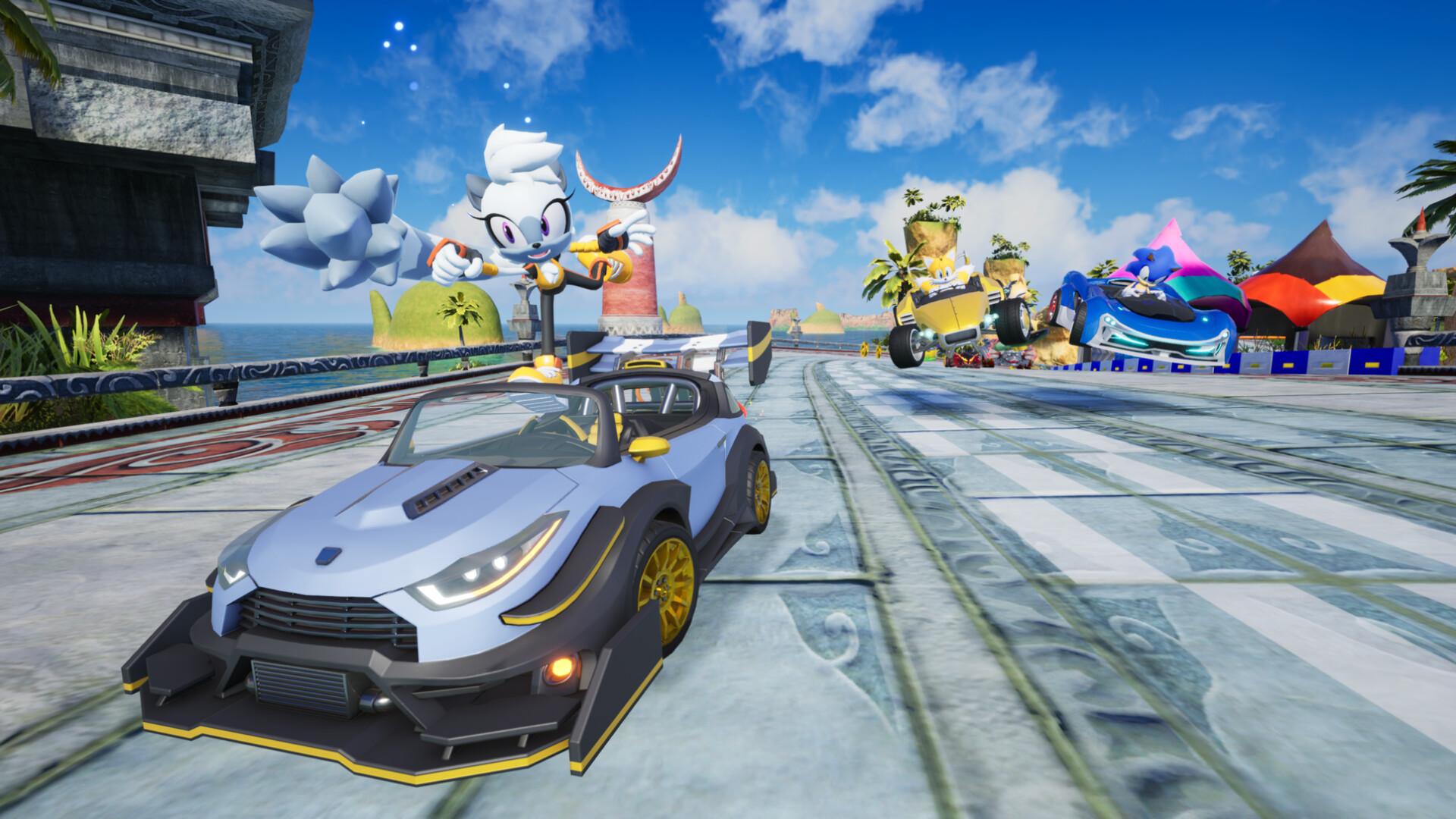
In its latest update, Sega acknowledged that both Sonic Racing: CrossWorlds and Shinobi sold below expectations. That matters because these aren’t tiny side projects. Sonic is one of Sega’s flagship names, and Shinobi is one of those legacy series that carries a lot of quiet goodwill, especially with older fans who remember the arcade and 16-bit eras. The company didn’t frame the situation as a disaster, but it did make the gap between hopes and results clear.
The reason is simple: game sales are front-loaded, and publishers plan around that early burst. If the launch window is softer than expected, the whole internal forecast shifts. That can affect future marketing, sequel planning, and how confidently a company leans on a franchise. Wild, isn’t it?
Sonic Racing: CrossWorlds and Sega’s Expectations
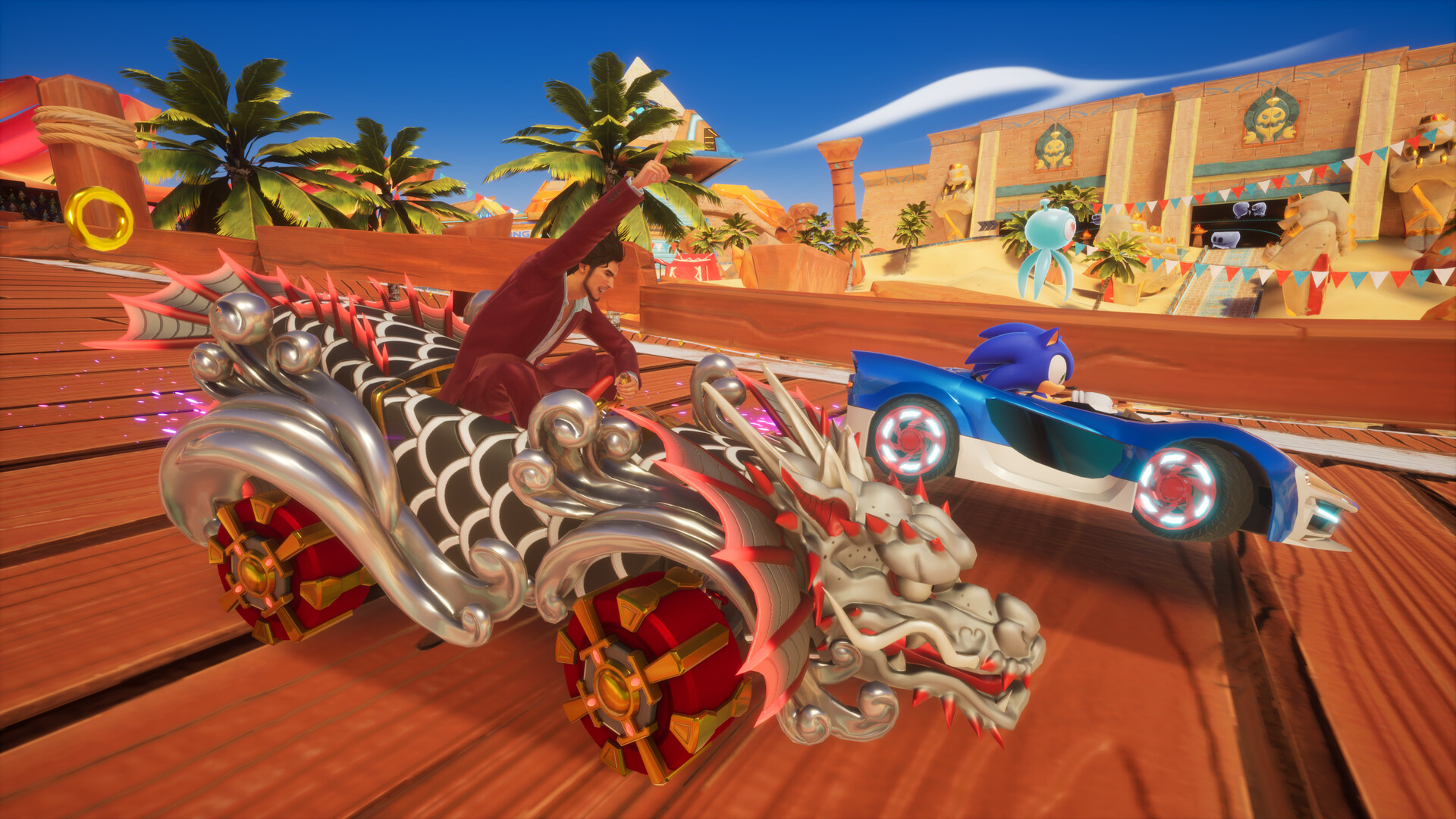
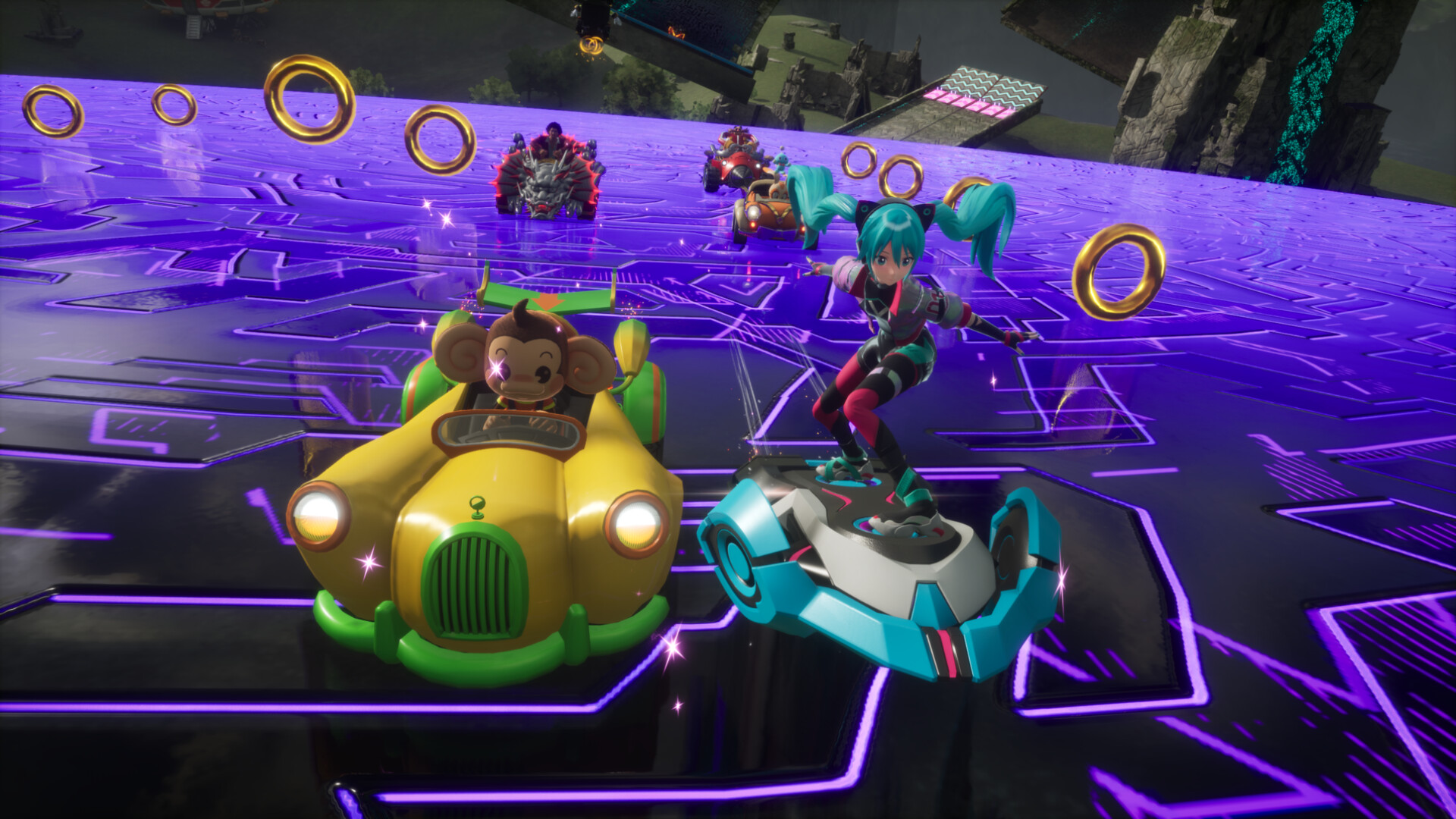
Sonic Racing: CrossWorlds had the kind of setup that should, on paper, travel well. Sonic as a brand is global, racing games are easy to understand, and Sega knows how to market speed, competition, and bright character-heavy visuals. If you’ve spent any time in Japan, you’ll know how much weight a familiar mascot can carry, especially when it appears across merch, arcades, and collaborations.
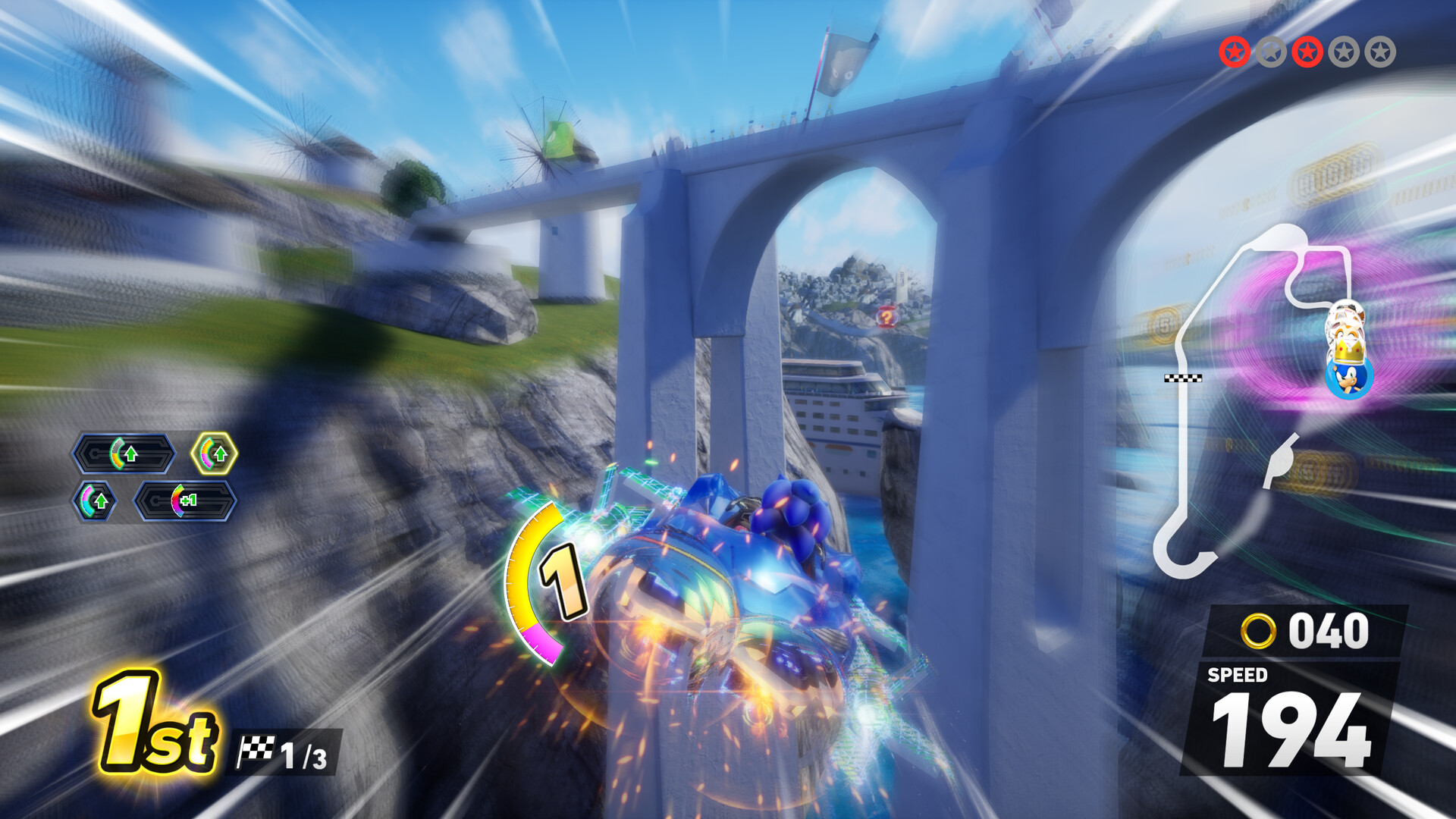
But that’s not all. Racing games live and die by timing, platform mix, and how crowded the release calendar is. If a title lands near bigger launches, or if players are already deep into another racer, the road gets rough fast. Sega’s comment suggests CrossWorlds didn’t hit the sales level the company had in mind, even if it may still have found its audience among Sonic fans and multiplayer regulars.
Why Sonic still matters
For example, Sonic is more than a mascot; he’s part of Sega’s identity, and that makes every mainline or spin-off release feel bigger than a normal product launch. When Sonic does well, it can lift the whole brand. When he underperforms, investors notice.
My tip: if you’re a Japanese learner, this is a good moment to notice how often business articles use words like 目標 (mokuhyo, target; goal) (target), 計画 (keikaku, plan) (plan), and 実績 (jisseki, results; track record) (results). You’ll see them all the time in Japanese company reports, and once you know them, the language of corporate news suddenly feels much less foggy. Not bad, right?

Shinobi’s Quiet Return and the Sales Gap
Take Shinobi, for instance. This is one of Sega’s older action series, and its return should’ve stirred a nice mix of nostalgia and curiosity. The first time I went to Japan, I noticed something similar with old game brands there; people often remember them with a kind of warm, tucked-away affection, even when the modern market has changed completely.
That affection doesn’t always translate into blockbuster sales, though. Sega’s own statement makes it clear that Shinobi also fell short of expectations. And honestly, that’s the tricky part with revival projects. They carry history, but they also carry a high bar. Older fans want authenticity, newer players want something instantly readable, and both groups can be hard to please at the same time. It certainly was.
Unlike what we’re used to with evergreen giants like Mario or Pokemon, not every classic can return and automatically become a massive hit. Some series become cult favourites again, which is still valuable, but it doesn’t always satisfy the spreadsheet. Sega appears to be walking that familiar line between heritage and hard numbers. You know, living.
What Sega’s Admission Means for Fans and Learners
Picture this: a company releases two games with real legacy weight, and then has to publicly say they didn’t meet internal sales expectations. That’s not just a headline, it’s a small lesson in how the Japanese game industry works. Companies like Sega, Capcom, and Square Enix often speak carefully, but the message underneath is usually blunt enough. Sales are the scoreboard.
Speaking of which... this is also a useful case study for language learners who like gaming news. Japanese corporate English tends to be direct but restrained, and the original Japanese reports often use phrases that sound polite while still carrying disappointment. If you’re reading Japanese financial updates, try looking for 予想 (yoso, forecast; expectation) (forecast) and shikyo (expectation) terms. They show up constantly, and once you spot them, you start reading company news like a local.
Personally, I like when companies admit a miss without turning it into drama. It feels more honest, more workable. Sega seems to be doing that here, and that matters because long-term trust is built on that sort of plain speech, not on glossy optimism. But that’s not all.
In pictures

Frequently Asked Questions
Did Sega say Sonic Racing: CrossWorlds and Shinobi failed?
Sega said both games sold below its expectations. It was a sales shortfall, not a public statement of failure.
Why does this matter for Sega?
Because Sega uses sales performance to guide future marketing, franchise planning, and investor expectations.
Is this common in the Japanese game industry?
Yes. Japanese publishers often speak carefully, but they still update the market when sales come in under forecast.
If you enjoy Japan-focused gaming and language stories like this, more Japan news on jpnerd.com is a good place to keep exploring.