
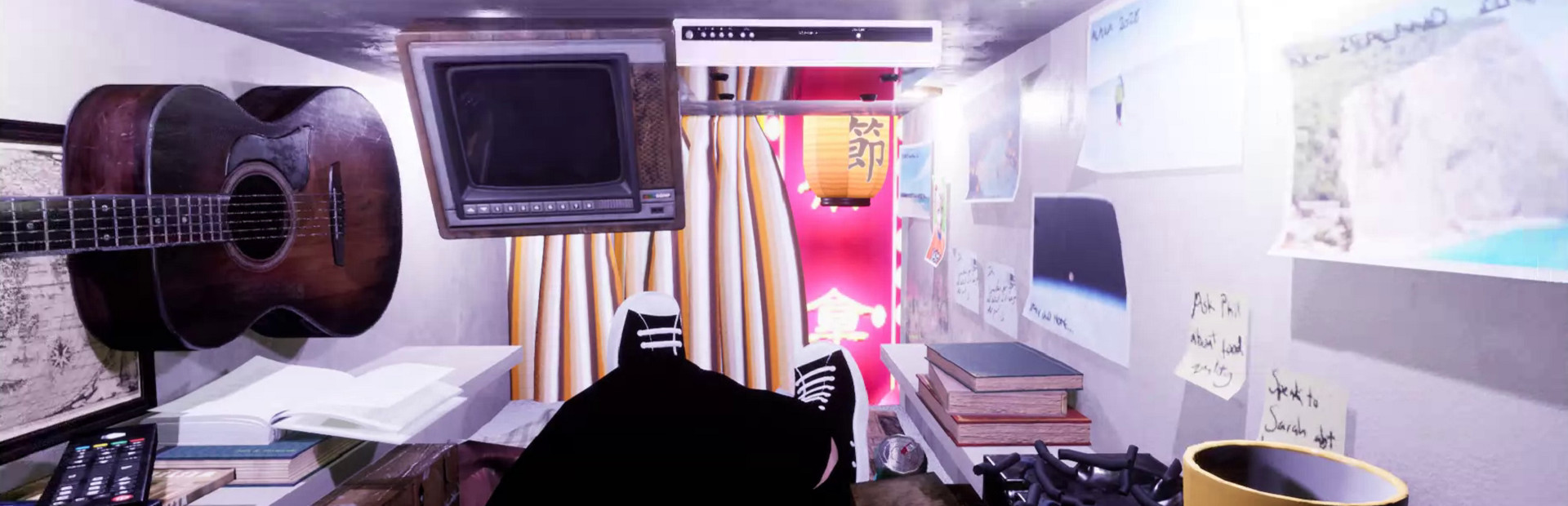
And yes, Kotaku covered it, which tells you plenty about the vibe. This isn’t a flashy mainstream release; it’s a niche curiosity with Japan written all over it.
![Dragon Ball Z: Kakarot [Master Edition]](https://s.pacn.ws/1/p/1eh/dragon-ball-z-kakarot-master-edition-908785.1.jpg?v=t8ja8t&width=400)


Why capsule hotels became such a Japanese icon
Did you know that the first capsule hotel opened in Osaka in 1979? That was the Capsule Inn Osaka, designed by Kisho Kurokawa, and it nailed a very specific need: cheap, compact, city-centre sleep for salarymen who missed the last train. The whole concept is pure Japanese urban problem-solving, efficient, tidy, and just a little bit futuristic. Classic Japan, isn’t it?

For language learners, capsule hotel is a handy phrase too, because you’ll hear it in English, but the Japanese context around it matters more than the words themselves. In Japan, you’ll often see the term キャプセルホテル (kyapuseru hoteru, capsule hotel) used casually, and the cultural image attached to it is bigger than a bed in a box. It suggests late trains, neon streets, and a night spent in the city instead of going home. From my experience, that’s where the charm starts.
What most people don’t know is that capsule hotels have moved far beyond the old salaryman stereotype. Some are sleek and quiet, some are male-only, some are women-only, and some target tourists near stations and airports. A few even add sauna access, manga corners, and communal lounges, which makes the whole thing feel more like a carefully managed micro-hotel than a gimmick.
Capsule Hotel Simulator turns a Japan original into a game
Unlike what we’re used to in many management games, Capsule Hotel Simulator doesn’t ask you to build a theme park or a giant factory. It focuses on the tiny world of pods, corridors, check-ins, cleaning, and the constant need to keep guests satisfied. That narrow focus is exactly why it stands out. The game leans into the capsule hotel idea as a setting first, not just a decorative skin.
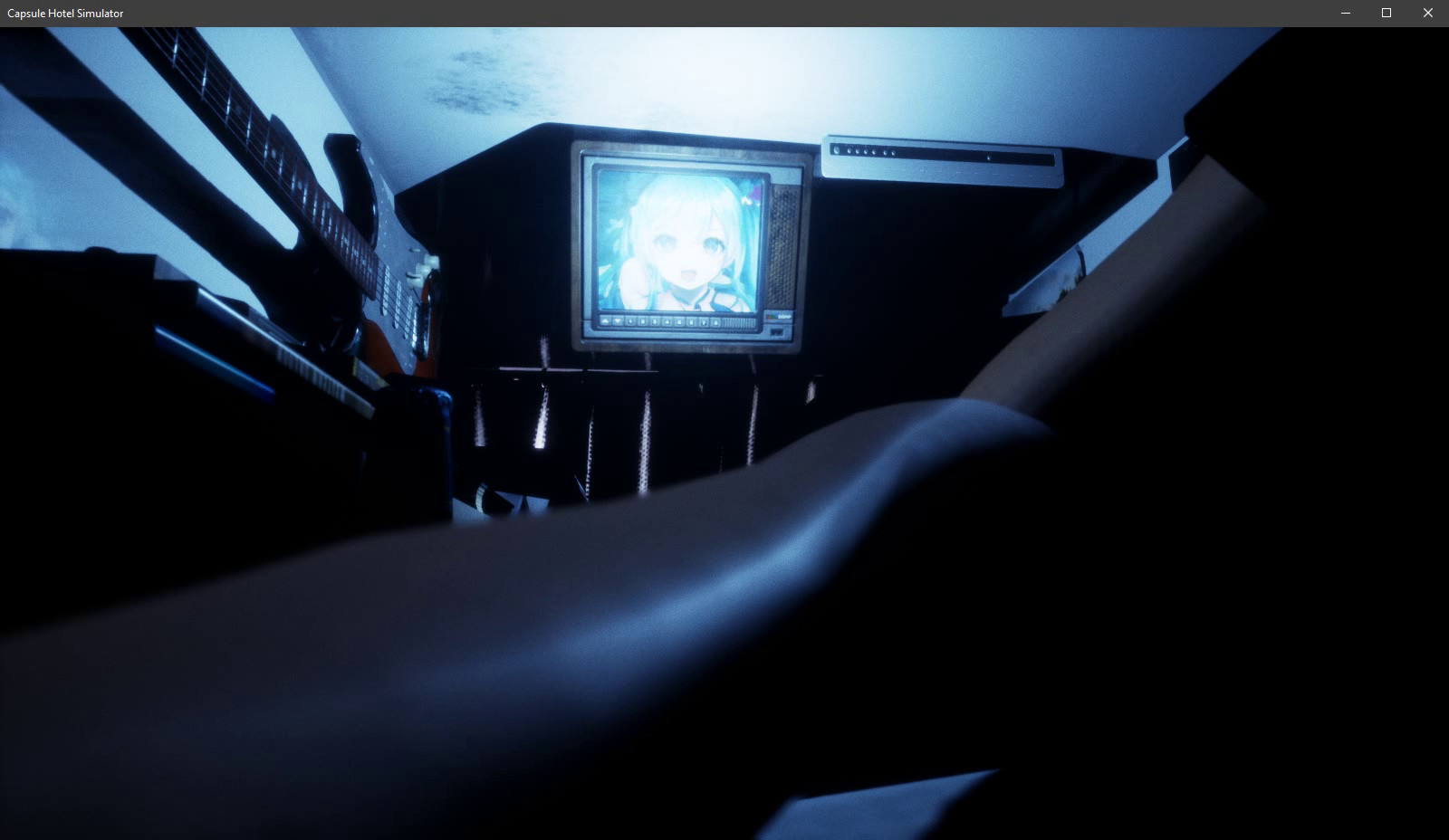
Speaking of which, that’s also where the Japan angle gets really interesting. A capsule hotel is already a simulation in real life, a controlled environment with rules, routines, and very little wasted space. Turning that into a simulator game is almost too perfect. You’re not just watching Japan from the outside, you’re managing the logic of a distinctly Japanese form of hospitality, one pod at a time.
Why the format works so well
The appeal comes from precision. In a capsule hotel, a single mistake can throw off the mood, whether it’s noise, clutter, or bad traffic flow in the lobby. A game built around that has to care about tiny details, and that’s catnip for players who love systems. It also creates a weirdly calming rhythm, because the space is small, but the decisions keep stacking up. Sounds odd, but it’s true.
My tip: if you enjoy Japanese city life games, watch how this one treats space. Japanese design often rewards restraint, and capsule hotels are basically restraint made physical. From my experience, that’s where the fun lives.

Kotaku noticed the weirdness, and that says a lot
On a related note, when Kotaku ran coverage of Capsule Hotel Simulator, it wasn’t because the game looked like another big-budget hit. It was because the concept is so specific, so oddly Japanese, that it instantly triggers curiosity. Kotaku has always had a nose for internet oddities and game concepts that feel half-serious, half-meme, and this one fits right in.
The reaction makes sense. A simulator game about capsule hotels sits right in that sweet spot between cultural specificity and pure strangeness. Players who know Japan recognise the setting immediately, and players who don’t can still tell they’re looking at something deeply tied to Japanese city life. That combination gives it a strong niche pull. Not bad, right?
Quick detour: games like this also work as tiny cultural postcards. Even if the mechanics are simple, they can teach you vocabulary and habits. Words like 見取る (mitoru, to watch over; to observe) for watching over something, or 綺麗 (kirei, clean; neat; beautiful) when talking about cleanliness, fit naturally into the logic of hospitality games. If you’re learning Japanese, those little context hooks matter more than memorising random word lists.

Why Japan fans keep coming back to this kind of niche game
I still remember how often I’ve seen Japan fans gravitate towards weirdly specific games, from convenience store sims to train line management titles. Capsule Hotel Simulator belongs to that same family. It doesn’t try to be all things to all players, and that’s why it works. The more grounded the reference point, the more room there is for personality.
And it gets better: these niche games often teach you how Japanese spaces feel, not just what they’re called. Capsule hotels are about density, privacy, and movement, and those ideas show up in the layout as much as in the culture. If you’ve ever stayed in one, you’ll know the nervous little ritual of keeping quiet, storing your shoes neatly, and respecting shared space. If you haven’t, the game can still make that atmosphere visible.
What I especially like is that this kind of game doesn’t flatten Japan into cherry blossoms and temples. It shows a night-time, practical, urban Japan, the side many learners actually encounter when they visit Tokyo, Osaka, or Nagoya. That feels more useful, and more honest. Convinced yet?
In pictures


Frequently Asked Questions
What is Capsule Hotel Simulator about?
It is a simulator game centred on running or managing a capsule hotel, with a strong Japan setting and plenty of detail about compact urban hospitality.
Why do Japan fans find capsule hotels so interesting?
Because they are a very recognisable Japanese invention, practical, visually striking, and tied to city life, late trains, and efficient use of space.
Is this game useful for Japanese learners?
Yes, because it connects language to a real cultural setting, so words about hotels, cleanliness, and daily routines feel easier to remember.


