That’s the short version. The slightly nerdier version is better, though, because the game’s design history says a lot about how Japanese game companies handle legacy characters when the brand gets wobbly.
![Dragon Ball Z: Kakarot [Master Edition]](https://s.pacn.ws/1/p/1eh/dragon-ball-z-kakarot-master-edition-908785.1.jpg?v=t8ja8t&width=400)


Here’s something that probably doesn’t get enough attention: Sonic Mania wasn’t just a good retro game, it was a repair job. Sega had spent years pushing Sonic through 3D experiments, awkward reboots, and at least a few ideas that looked better in a pitch deck than they did on screen. Then 2017 came along, Sonic turned 35 in the broader franchise timeline, and Sega did something smart for once, it stepped back and let a 2D revival carry the banner.
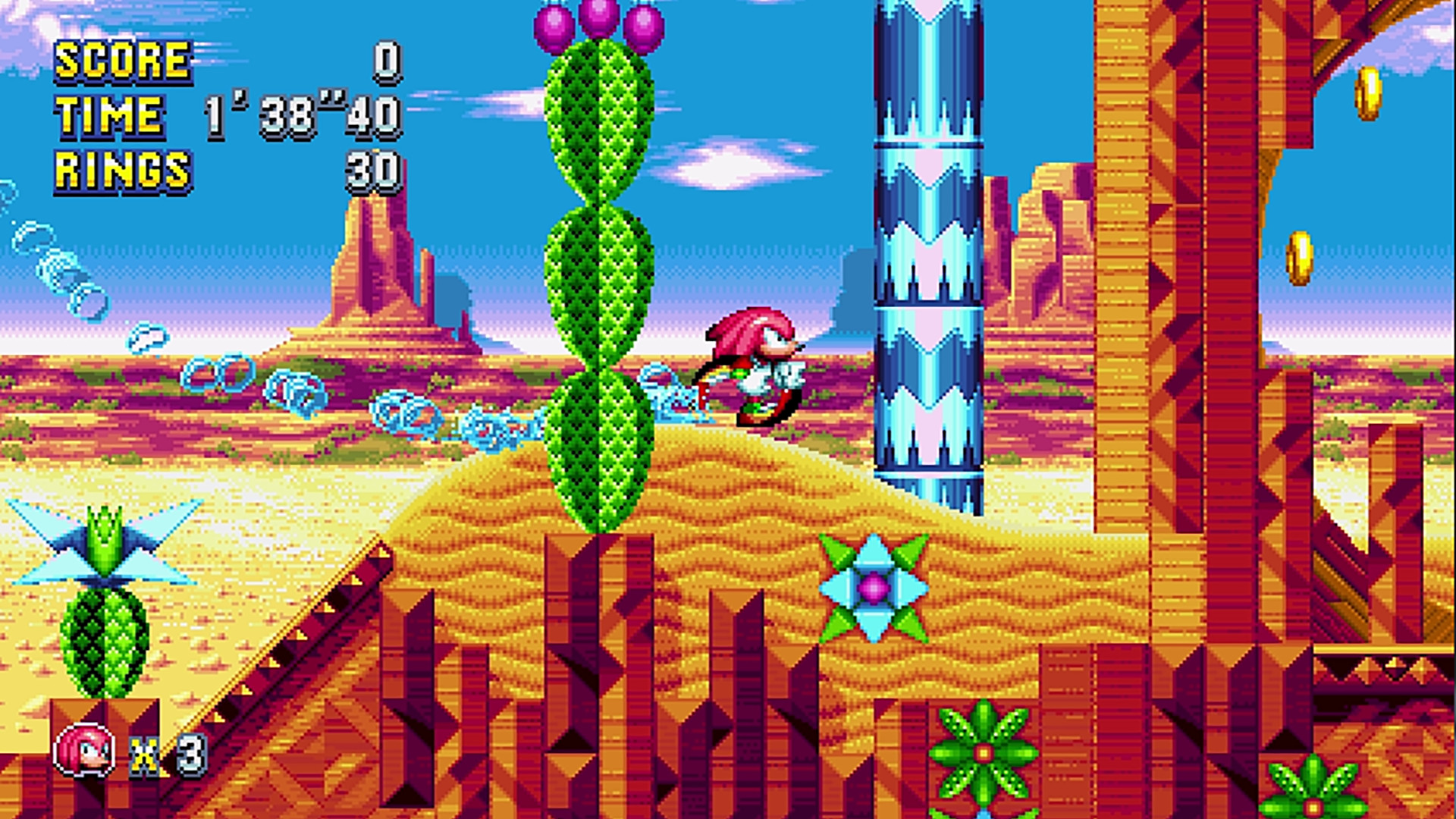
The result was Sonic Mania, a game that felt familiar without feeling lazy. That distinction matters. Nostalgia can be a trap, especially for a character built on speed, and Sonic's history is full of projects that misunderstood that balance. Mania didn’t try to out-shout the classics. It studied them, polished them, and then added just enough new material to make the thing sing. Simple idea. Hard execution. Classic Japan, isn’t it?
Sonic Mania and Sega's 35th anniversary reset
Fun fact: Sonic the Hedgehog debuted in 1991, which means Sega had plenty of history to work with by the time the 35th anniversary conversation came around. By 2017, the franchise had lost some of its old momentum. 3D Sonic games still sold, but they rarely inspired the kind of trust that the early 2D titles once did. The brand had become loud, broad, and inconsistent, which is a polite way of saying that Sega had too often confused size with confidence.
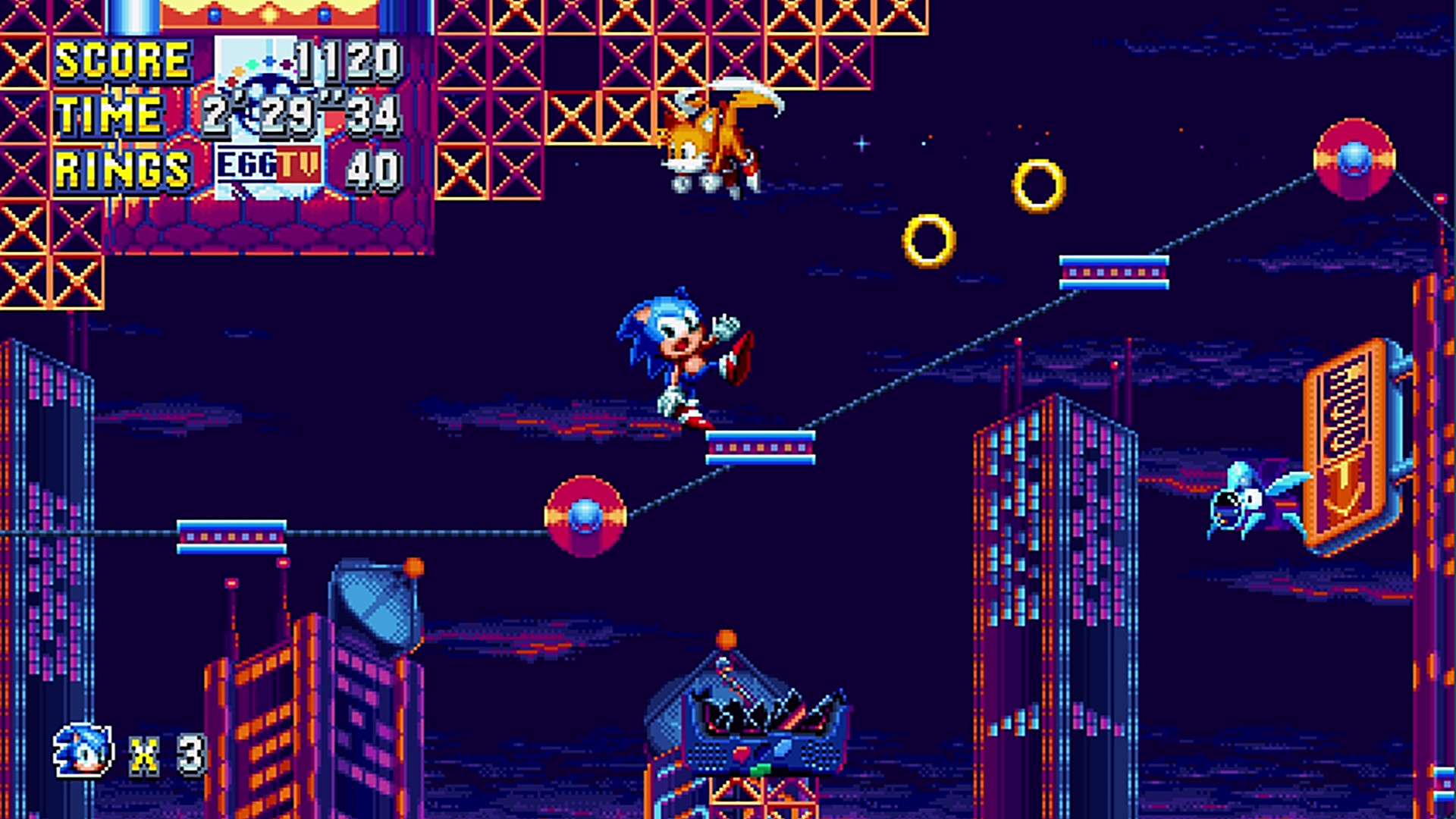
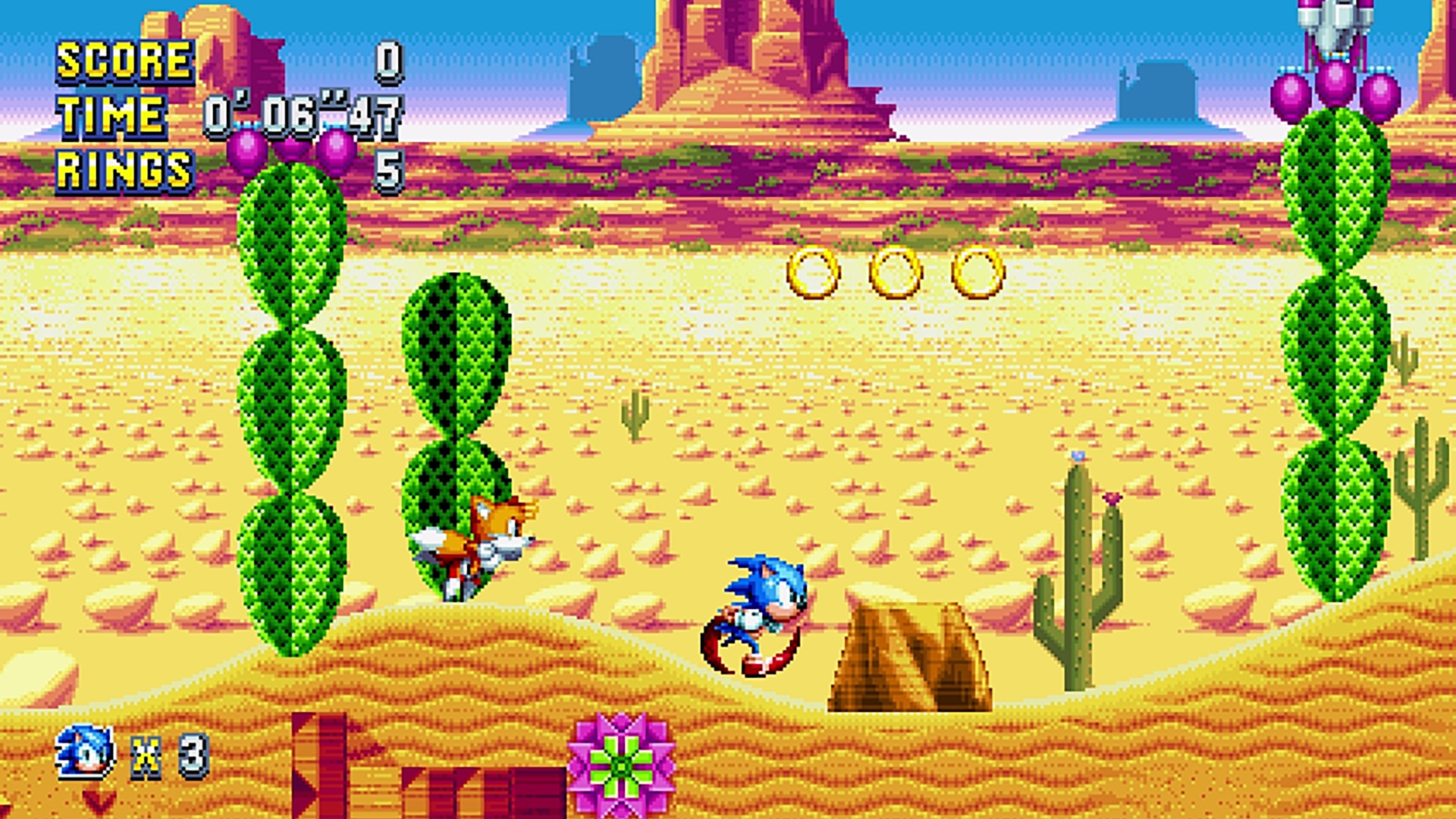
Sonic Mania changed the tone. It arrived as a deliberate callback to the Mega Drive era, the one many fans still treat like sacred ground. You can hear the design language immediately: tight side-scrolling movement, readable enemies, spring-based level flow, and stages that reward memory without demanding encyclopaedic knowledge. Sega used the anniversary not to boast about scale, but to admit that the old stuff still worked. That humility helped. A lot.
The best part: Mania didn’t feel like a museum piece. It felt like a machine someone had oiled, tested, and then taken onto the track. That is why people responded to it so strongly. The game respected the original grammar of Sonic, then reminded everyone that grammar can still be lively. Personally... I think that was the first time in years that Sega looked like it trusted its own history.
Why the 2D revival worked after years of turbulence
To be fair: Sonic had never completely left 2D behind, but the series had spent a long time chasing bigger formats. Sonic Adventure in 1998 opened the 3D door, and later entries kept trying to find a stable identity in a space that kept shifting under them. Some games landed. Many didn’t. The problem wasn’t movement speed itself, which is the obvious Sonic thing, but level design and camera control, which are less glamorous and much harder to fake.
Mania solved that by narrowing the target. It took the classic 2D perspective, kept the momentum, and rebuilt the experience around clarity. The zones are designed to be fast, but not random. You can learn them, and learning them feels good. That matters for Japanese game design conversations because it echoes a broader principle you see in other traditions too: once the system is stable, you can start playing with it. Think of how a ryokan might preserve an old layout while upgrading the futon and bath. The frame stays, the comfort improves.
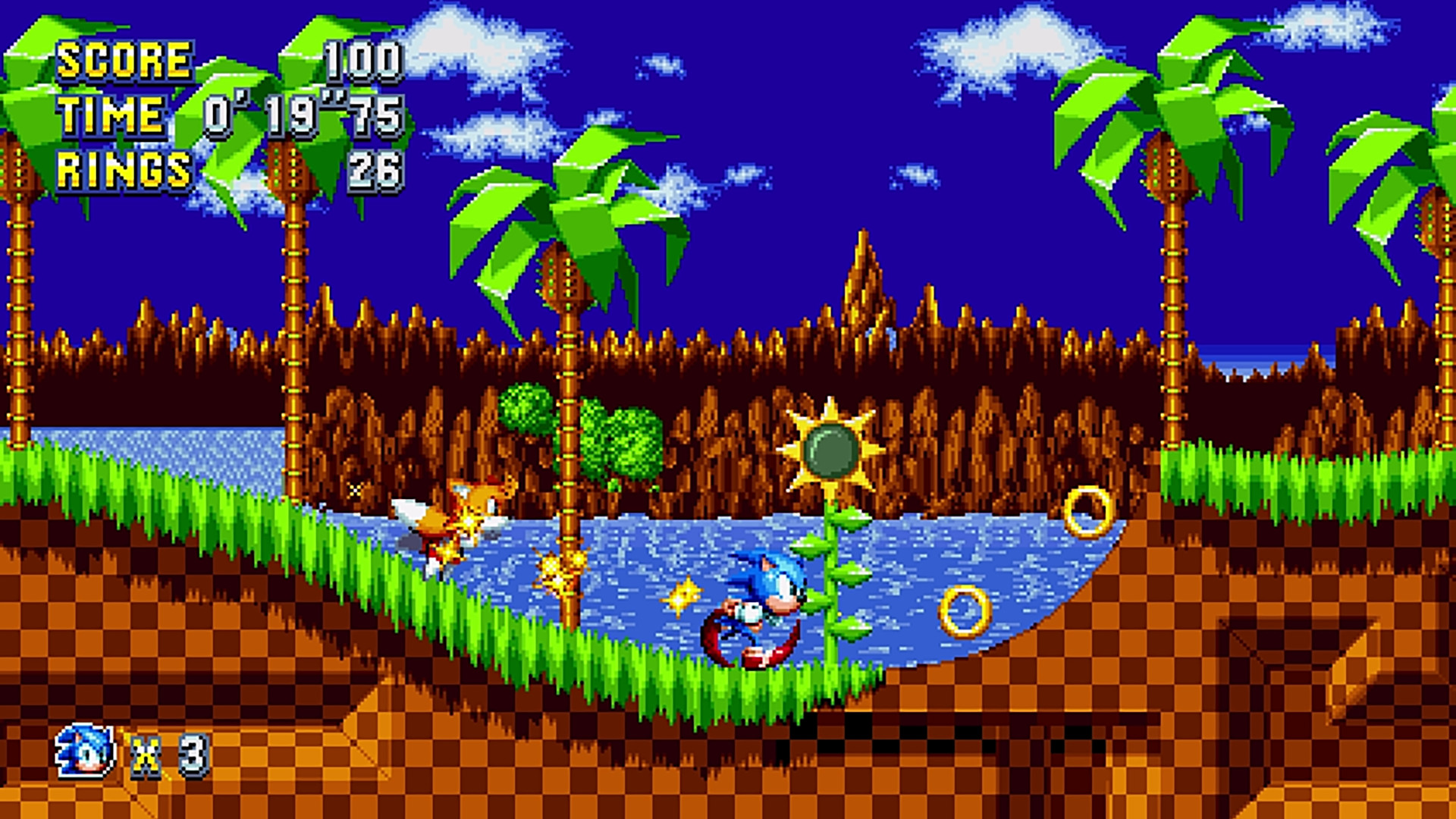
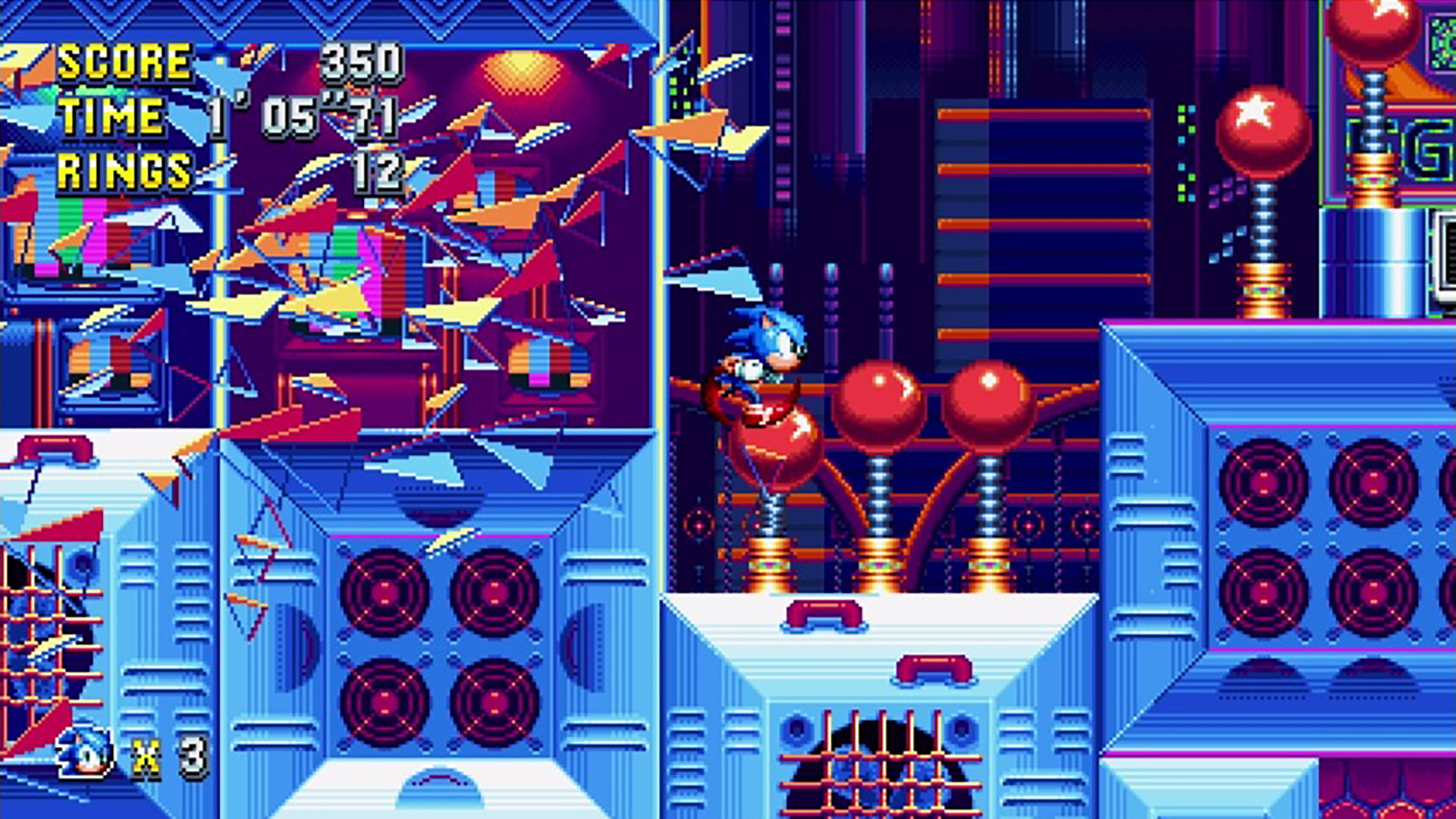
For example, the game’s mix of returning zones and new acts gave longtime fans a sense of recognition without pure repetition. Chemical Plant echoes, Green Hill appears, and then the game throws in its own inventions. That structure is clever because it avoids the laziest move, which would have been to repackage old stages and call it a day. Sega needed proof that Sonic could still work as a precise platformer, not just a mascot with momentum. Mania provided the proof, politely and with a lot of rings.
The anatomy of a good comeback
What I especially like is how cleanly the game communicates its priorities. Art direction first. Movement second. Boss design third. Flashy story beats are nowhere near the top, and that’s a relief. Too many revival projects try to prove relevance with noise. Mania did the opposite. It said, quietly, that good controls and strong stage flow still beat empty spectacle. That’s actually pretty brave.
Development insiders, not just a ranking of best Sonic games
No joke: one reason Sonic Mania felt authentic is that Sega didn’t hand it to a random committee chasing a nostalgia number. The project grew from people who understood the original era, including Christian Whitehead, Headcannon, and PagodaWest Games. Whitehead had already become known in Sonic circles for his technical work on classic-style Sonic projects, and that experience showed. This wasn’t just a fan tribute. It was an insider-led reconstruction.
And this is where it gets a little interesting. The development team didn’t merely ask, 'Which old Sonic levels do people rank highest?' That would have produced a very different game, and probably a worse one. Instead, the team worked from the inside, studying how the old games handled acceleration, slopes, enemy placement, and the tiny pauses that make speed feel controlled. That’s the kind of detail you don’t see in a marketing trailer, but you absolutely feel when you play.
Before I forget: that insider approach also explains why Mania's references never feel smug. You get callbacks, yes, but they arrive as design logic rather than fan-service confetti. The game knows when to quote the past and when to invent. That’s a harder line to walk than it looks. Trust me on this one: a lot of retro projects fail because they confuse memory with understanding.
While we're at it: the soundtrack, led by Tee Lopes, deserves its own applause. It doesn’t just remix old ideas, it updates the emotional temperature of Sonic's world. Bright, urgent, a little shiny around the edges. Very Sega, really. And yes, I still think the special stages were a sensible amount of weird. Not too much. Enough to make you smile, then mutter at the screen.
What Sonic Mania changed for the franchise
Oh, almost forgot: Mania didn’t solve every Sonic problem, and nobody serious would claim it did. The franchise still kept searching for a stable identity after 2017, sometimes awkwardly. But Mania restored something more valuable than a single sales spike. It restored confidence. Sega could point to a game that reviewers praised, fans embraced, and critics treated as evidence that Sonic's core idea still had life in it.
That matters because mascot brands live and die on trust. Mario has it. Kirby has it. Sonic, for a long stretch, did not. Mania helped rebuild that trust by making one clear argument: the blue hedgehog works best when speed, rhythm, and level geometry stay in conversation. Once that relationship breaks, the whole thing gets noisy. When it holds, the design feels almost musical.
My tip: if you're learning Japanese and following game history at the same time, Sonic Mania is a nice case study in how fans talk about classics. Words like 再現 (saigen, recreation; reproduction), reboot, and risupeku come up often in Japanese game coverage, but Mania shows the difference between simple reproduction and careful revival. That difference is the whole story here. Not the spec sheet, not the anniversary badge, but the people who knew what the old machine was supposed to do.
And I think that’s actually the story here, not the ranking but the repair, not the marketing but the mechanism. Sonic Mania didn’t just remind people that Sonic could still run fast. It reminded Sega that sometimes the smartest move is to make a better 2D game and let the character breathe again. Convinced yet? more Japan news on jpnerd.com
In pictures
Frequently Asked Questions
When did Sonic Mania come out?
It was released in 2017.
Why was Sonic Mania important for Sega?
It helped restore confidence in the Sonic brand by returning the series to its 2D roots and delivering a widely praised revival.
Who developed Sonic Mania?
The project was led by Christian Whitehead, Headcannon, and PagodaWest Games, working with Sega.