Overview
The Chuo Shinkansen is Japan’s planned SCMaglev high-speed line, developed by JR Tokai, also known as JR Central, to connect Shinagawa in Tokyo with Nagoya and then Osaka. It is one of those projects that changes the texture of national transport without yet letting you ride it. The line has been discussed for years in terms of speed, cost, geology, tunnel work, and the practical difficulty of crossing the Japanese landscape without upsetting it too much. That is the body of the matter. Not the marketing. The body.
At its core, the line uses SCMaglev, a superconducting magnetic levitation system in which the train floats rather than rolling on wheels. That makes the project feel futuristic, but the real story is less glossy: it is about engineering, approvals, water tables, and the long drag of construction across difficult ground. If you want the latest frame for Maglev Japon news, this is it: a line that is not just a transport plan, but a national test of patience.
How the line is meant to work
The planned route from Shinagawa to Nagoya is roughly 286 kilometers, with an eventual extension to Osaka. The intended operating speed is around 500 km/h, and some sources cite as high as 505 km/h. On paper, that means Tokyo to Nagoya in about 40 minutes, and the full Tokyo to Osaka trip in about 67 minutes. Those are stunning numbers, but they only matter because the system is built for them: no conventional wheel-and-rail contact, no ordinary express rhythm, just a floating train in a dedicated corridor.
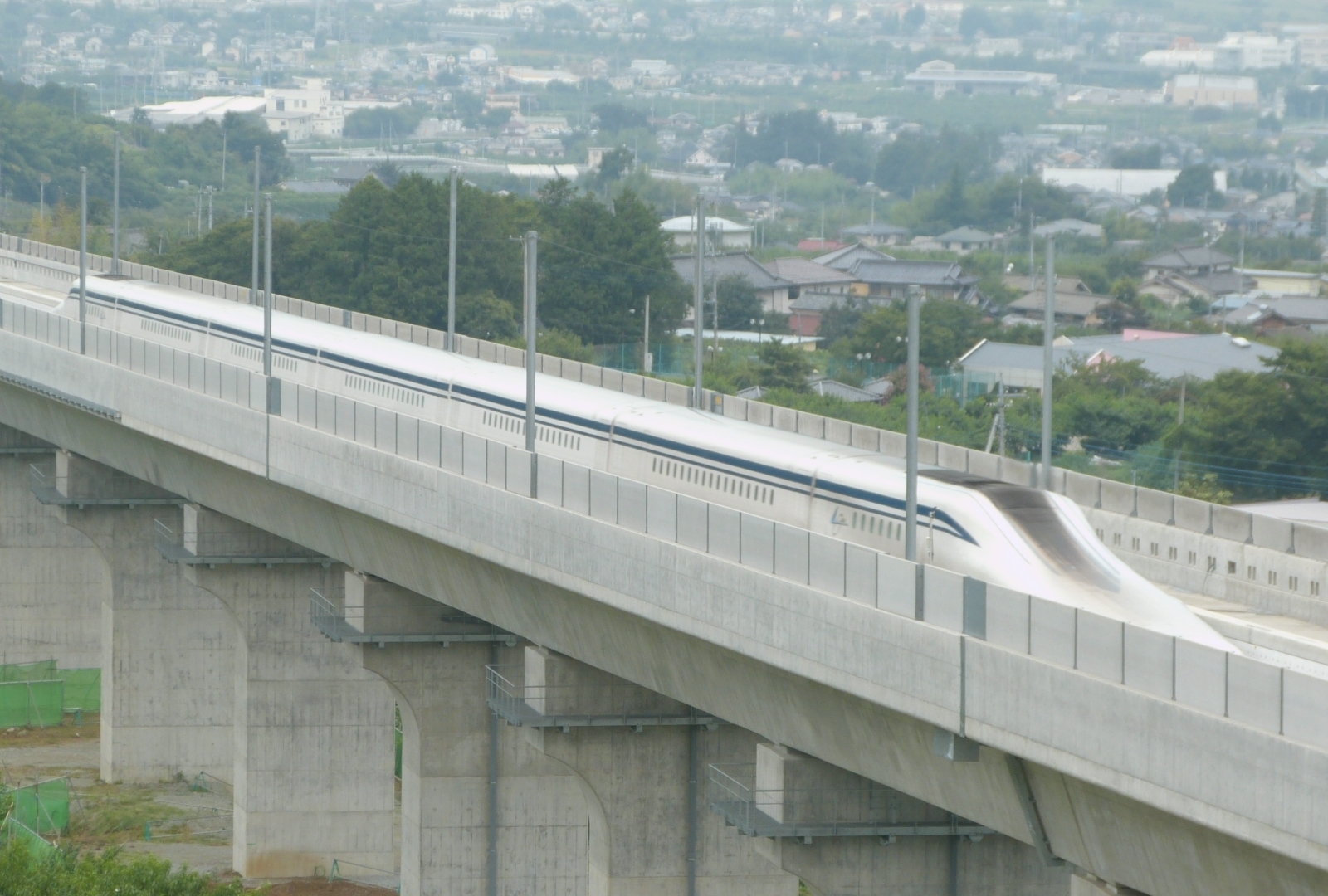
SCMaglev is not a novelty ride. It is a serious attempt to compress distance across Japan’s main corridor. On the Yamanashi test line, a speed of 603 km/h was recorded in 2015, which remains one of the useful reference points for understanding why the project attracts so much attention. For readers trying to get their head around the technical vocabulary, maglev means magnetic levitation, and shinkansen is the familiar high-speed rail family. Put together, you get a line that sits at the edge of what rail travel can plausibly be. Or perhaps beyond it. We’ll see.
For context, the term 予約 (yoyaku, reservation; booking), meaning a reservation or booking, is not really the point here; this project is about infrastructure rather than seats. Still, if and when the line opens, reservation systems and service patterns will matter as much as the speed figures. They always do.
What has delayed the project
The main obstacle has not been the train itself, but the ground under it. The project has faced years of approval issues in Shizuoka Prefecture, especially over water and geology concerns connected to the Oi River. The line is a textbook example of how major Japanese infrastructure can stall not because the technology is missing, but because the landscape and the paperwork both insist on being taken seriously. Tunnels, groundwater, seismic risk, local consent: all of it sits in the path.
JR Tokai stopped excavation of the Southern Alps tunnel on the Yamanashi side in April 2024, just 61 meters before the Shizuoka prefectural border, in order to examine geology and groundwater conditions. That pause became a key reference point in the project’s story. In July 2026, however, the situation changed: Shizuoka’s governor Yasutomo Suzuki approved the start of construction within the prefecture, and on 18 July 2026 JR Tokai and the prefecture signed an agreement that settled the long-running dispute. In practical terms, the old bottleneck was eased and construction could proceed again. No triumphalism required. Just movement.
For readers following the broader infrastructure debate, this is also where Japan’s Chuo Shinkansen maglev project becomes more than a route map. It is a case study in how large-scale transport in Japan meets local conditions, and how slowly those conditions can change. The line remains expensive, controversial in parts, and deeply dependent on engineering discipline. That is not a flaw in the story. It is the story.
Stations, construction, and what to watch in Yamanashi
JR Tokai officially began construction of a new maglev station in Yamanashi, specifically in the Kofu area, on 19 March 2026. The station there is regarded as a key piece of the planned Tokyo-Osaka high-speed corridor. If you are trying to understand the project from the ground rather than the press release, Yamanashi is one of the best places to look. Not because the line is open there for passengers, but because this is where the abstract plan becomes visible infrastructure: station works, tunnel approaches, test-related geography, and the hard edges of progress.
The word 建築 (kenchiku, construction; building work), meaning construction or building work, fits the project unusually well. There is nothing soft about it. The route is being shaped through mountains and prefectural boundaries, and every kilometer has to be argued into place. In that sense, the maglev is less a single line than a chain of negotiated realities. That is the texture of place, Japanese infrastructure edition.
Why the Chuo Shinkansen matters
The line matters because it compresses not only travel time, but also the distance between Japan’s major urban centers in a way conventional rail cannot match. Tokyo, Nagoya, Osaka: these are not remote destinations, but the country’s working spine. A 40-minute run to Nagoya and a roughly 67-minute run to Osaka would redraw how people think about the corridor, how companies schedule meetings, and how regional movement is imagined. That is the larger promise.
It also matters because it reveals the limits of speed as a public good. The project is not just about going fast. It is about whether a society can agree on how to dig, how to monitor water, how to manage risk, and how to share the burden of a corridor that benefits many. In that sense, the Chuo Shinkansen is a modern Japanese infrastructure story with the usual complications: local concerns, national ambition, and the long tunnel between them. A very Japanese kind of tension, really. The kind that takes years to resolve and then, at last, moves.
Related rail projects and why this line stands apart
Japan has no shortage of famous rail lines, but the Chuo Shinkansen stands apart because it is not an incremental upgrade. It is a different physical principle. Conventional shinkansen services are already fast and refined, yet SCMaglev aims to surpass even that mature system by eliminating wheel contact entirely. The result is a line that feels less like an extension of the present and more like a deliberate break with it.
- SCMaglev: superconducting magnetic levitation used by the line.
- Shinagawa: the Tokyo-side starting point.
- Nagoya: the first major long-distance target.
- Osaka: the planned later extension.
- Yamanashi: test and construction area with a key new station in Kofu.
- Shizuoka: the prefecture at the center of the long water and geology dispute.
If you are building a broader understanding of transport language in Japan, mado is not relevant here, but 鉄道 (tetsudo, railway; rail transport), meaning railway, is the everyday umbrella term that frames the whole discussion. It helps to know the vocabulary when reading Japanese reporting, because the headlines often carry the whole tension in a single line. Maglev Japon kanji is a useful search query for that reason alone: it leads you closer to the original terminology, the way the project is actually discussed on the ground. For readers who want to Maglev Japon japanisch lernen, this is one of those topics where transport vocabulary, prefectural names, and technical terms all meet in a very dense little patch of language. Us dorks do love that sort of thing.
Where to experience the Chuo Shinkansen in Japan
You cannot ride the full line yet, but you can still experience the project in Japan in a practical sense. Yamanashi is the place to start if you want to see where the future is being assembled. Kofu and the wider prefectural area are tied to the new station construction and to the test-line geography that has defined public understanding of the maglev for years. For travelers, that means this is less a sightseeing stop and more a place to read the landscape: station work, infrastructure corridors, and the wider context of Japanese rail development.
If you are moving through the region, look at the rail environment as a whole rather than expecting a finished attraction. That means observing how stations connect, how distances are managed, and how large projects alter local space while they are still incomplete. Japan often reveals itself best in the unfinished thing. It leaves room for thought.
Frequently Asked Questions
What is the Chuo Shinkansen?
It is Japan’s planned SCMaglev high-speed line, built by JR Tokai, connecting Shinagawa with Nagoya and later Osaka.
How fast will Maglev Japon be?
The planned operating speed is around 500 km/h, with some sources citing up to 505 km/h. A 603 km/h test speed was recorded on the Yamanashi test line in 2015.
When is the Maglev line supposed to open?
The section to Nagoya was originally planned for 2027, but the official target was pushed back to 2034.
Why was the project delayed?
The main delay came from long-running approval issues in Shizuoka over water and geology, especially concerns related to the Oi River and tunnel construction.
Where can I experience the project in Japan?
Yamanashi, especially the Kofu area, is the most practical place to follow the project on the ground because of the new station construction and the nearby maglev-related infrastructure.