

That detail comes via Famitsu, and it feels like a very SEGA move, half archive work, half preservation mission. Not a blockbuster reveal, sure, but for anyone who grew up with Mega Drive, Dreamcast, or arcade culture, it's a pretty meaningful peek behind the curtain.
![Dragon Ball Z: Kakarot [Master Edition]](https://s.pacn.ws/1/p/1eh/dragon-ball-z-kakarot-master-edition-908785.1.jpg?v=t8ja8t&width=400)

SEGA cataloguing every game may sound dry at first, but if you care about game history, it’s actually a very big deal. The company has one of the most interesting back catalogues in Japan, from arcade hits to home console oddities, and now Yosuke Okunari says SEGA wants to take a serious look at all of it.

Basically, this is a preservation-and-porting project, not a hype trailer. And that’s exactly why it matters, because the road to modern releases often starts with boring-looking archival work. See what I mean?
Yosuke Okunari and SEGA’s big history project
Yosuke Okunari is not a random name in the retro scene. He’s been involved in SEGA-related revival work for years, and his comments suggest that the company is trying to build a proper catalogue of its own history, game by game. The report surfaced through Famitsu, which is still one of the key Japanese outlets for this kind of insider note.
What many overlook: cataloguing isn’t just a spreadsheet exercise. It means tracking down source code, art assets, manuals, regional versions, and sometimes even old hardware dependencies. If a title only ever existed in an arcade board version from the 1990s, that can turn into a whole archaeology project. Convinced yet?
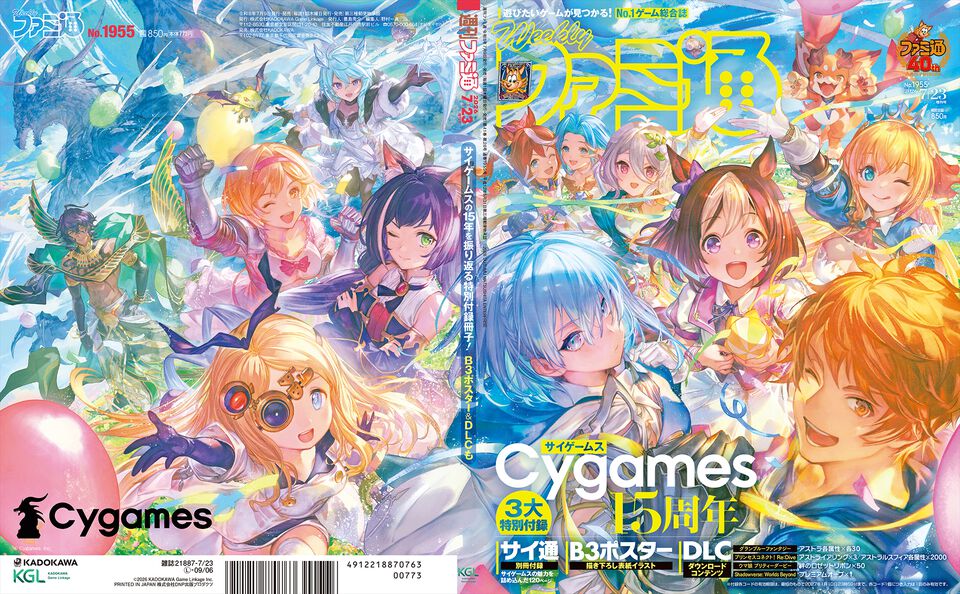
No joke: Japan has a long habit of treating entertainment history seriously, whether it’s manga archives, film preservation, or the way fans still care about old game magazines like Famitsu. This SEGA effort fits that same pattern, and it has a very Japanese sense of meticulousness about it. Not flashy, but very real.
Why SEGA wants old games on modern formats
The key goal, according to the report, is to get older SEGA games onto modern formats. That could mean current consoles, PC releases, digital stores, or even curated collections. For players, it’s the difference between chasing rare hardware and just buying a title on a modern system, which is a huge shift.
To be fair: modern releases are not always simple ports. A game made for an arcade board, a Mega Drive cartridge, or a Dreamcast disc may need input tweaks, display options, save systems, and compatibility fixes. You can’t just copy-paste the code and call it a day. Still, SEGA has already shown it knows how to do this well, especially through its Classic titles and collections.
Examples that show the value of preservation
Think about games like Phantasy Star, Shining Force, or the early Sonic titles. These are the kinds of names that keep getting reintroduced to new players, and every re-release gives them a better chance to survive. Then there are deeper cuts, the ones that never got a wide Western release, which often become fan legends.
While we're at it: SEGA’s arcade legacy is just as important. From the 1980s through the 2000s, the company helped define the Japanese game centre experience, or ゲームセンター (geemu sentaa, arcade game center) culture, alongside rivals like Namco. A proper archive could help those games live beyond aging cabinets and collector circles. Highly recommended: any company that takes this seriously is doing the whole medium a favour.
Why Famitsu matters here, and why fans should care
Famitsu is still a trusted stop for Japanese game news, and a comment like this carries weight because it comes through a publication that has watched the industry for decades. When a SEGA veteran speaks there, fans tend to listen, especially when the topic is legacy, remasters, and source-material preservation.
I still remember exactly how often Japanese gaming stories start with small signs like this, then grow into actual releases months or years later. A preservation plan can lead to a collection, a remake, or a digital storefront surprise. It doesn’t always, but the chain is real.
Quick detour: for Japanese learners, this is a nice moment to pick up vocabulary that appears again and again in game news. Words like 記録 (kiroku, record) (record), 保存 (hozon, preservation) (preservation), and 掲載 (keisai, listing; publication) (listing or publication) show up in exactly these kinds of articles. If you’re reading Japanese sources, knowing that trio helps a lot, and it makes Famitsu stories easier to follow. My tip: keep a tiny vocabulary note on your phone, because these words come back all the time. See what I mean?

What this says about SEGA’s future plans
The most interesting part is that this sounds like a long-term internal effort, not just a one-off anniversary stunt. SEGA has been steadily revisiting its old library for years, and a full catalogue would make future ports and collections much easier to plan. That matters for obscure titles too, not just the famous ones.
Picture this: a game that only existed in a Japanese release from 1993 suddenly appears on a modern storefront, with save states, screen options, and proper localisation work. That’s the kind of outcome fans hope for when a company starts talking about cataloguing its own past. It won’t all be instant, and it won’t all be glamorous, but the groundwork is what makes the good stuff possible.
My honest take? I like this direction. It feels practical, respectful, and very SEGA, a company that has always had a messy, colourful history worth preserving. If this project really becomes a systematic archive, then we may see a lot more old favourites escape the locked drawer. Personally...
In pictures
Frequently Asked Questions
What is SEGA trying to do?
SEGA is reportedly cataloguing its entire game history so older titles can be brought to modern formats.
Who reported the news?
The comments were reported via Famitsu, a major Japanese game magazine and news outlet.
Why does this matter to fans?
It could lead to more classic SEGA games being re-released on current systems, which makes them easier to play and preserve.


