Here’s the thing: this ranking isn’t about pretending one list settles everything. It’s about looking at what each game actually does best, where it stumbles, and why Japanese language learners can pick up so much cultural context along the way. Sounds good, right?
![Dragon Ball Z: Kakarot [Master Edition]](https://s.pacn.ws/1/p/1eh/dragon-ball-z-kakarot-master-edition-908785.1.jpg?v=t8ja8t&width=400)


Let me show you why Persona still matters so much, even after all these years. The series started in 1996 as Megami Ibunroku Persona on PlayStation, from Atlus, and it slowly grew into one of the most recognisable JRPG brands in the world. What many overlook is how each mainline game reflects a different mood in modern Japan, from city loneliness to friendship, rumour culture, and the pressure of fitting in.
Persona games ranked: the big picture
CBR recently ran a ranking of the series, and even if you don’t agree with every placement, the list is a solid excuse to revisit the whole lineup. For fans, the most interesting part is how the series changed from the early, darker Persona 2 duology to the polished, stylish Persona 5. That jump alone tells you how much Atlus has experimented with tone, combat pacing, and social systems.
For Japanese learners, there’s also a bonus. Persona games are packed with everyday words tied to school, city life, and relationships, like 学校 (gakko), 友達 (tomodachi, friend), and 宿題 (shukudai, homework). Quick detour: once you start hearing those words in context, they stick in your head faster than any flashcard deck. Wild, isn’t it?
#1 Persona 5 and the modern series boom
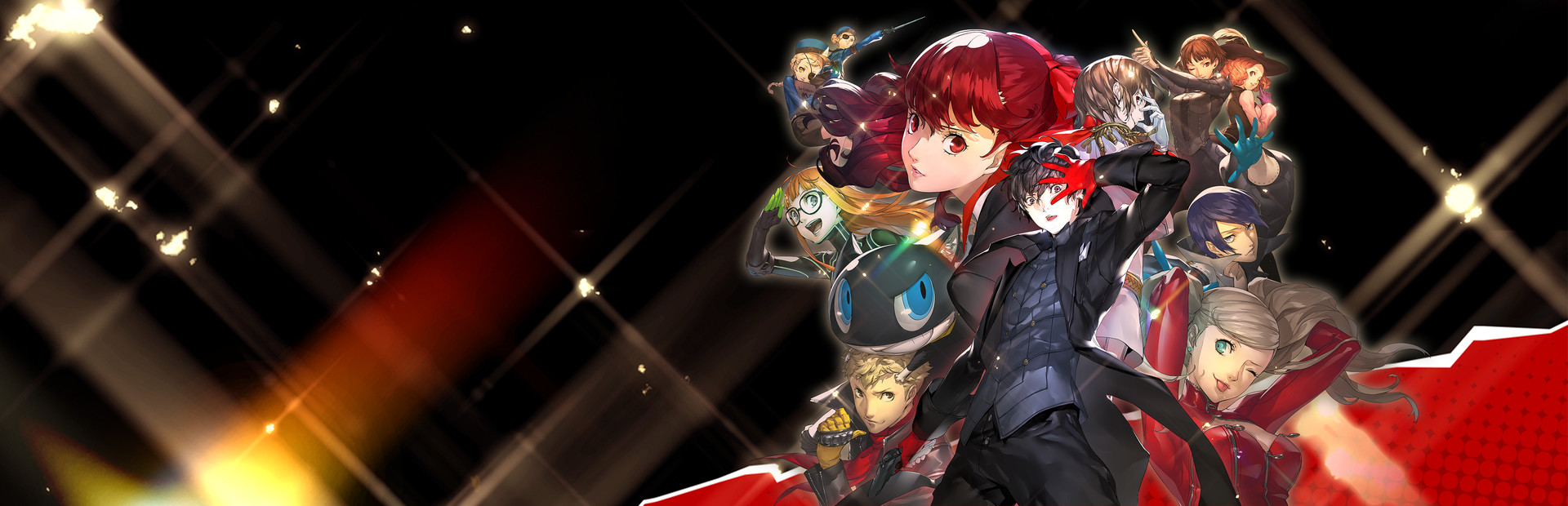
No exaggeration: Persona 5 is the easiest game in the series to recommend to almost anyone. It launched in Japan in 2016 for PlayStation 3 and PlayStation 4, then became a global hit thanks to its slick UI, memorable music, and turn-based combat that finally felt as cool as the style promised. The Royal version, released in 2019 in Japan, polished the game even further and added Kasumi, Maruki, and a full third semester.
What I especially like is how Persona 5 makes everyday Tokyo feel alive. Shibuya, Shinjuku, Yongen-Jaya, and Kichijoji aren’t just pretty backgrounds, they’re part of the game’s rhythm. If you’re learning Japanese, this is a great place to notice how location names, train station talk, and casual phrases fit into real urban life. Insider tip: listen for the way characters move between polite and casual speech, because that’s where a lot of the social nuance lives.
Why Persona 5 works so well
The game gives you strong structure, clear goals, and a long list of optional systems, from confidants to part-time work. It also has one of the best opening hours in the whole genre, which matters more than people admit. If your first impression is strong, you’re more likely to keep going through a 100-hour JRPG, and Persona 5 absolutely understands that. Personally, I think it’s the series at its most confident, even if some fans prefer the rougher edges of the older entries.
Persona 2 deserves more respect than it gets
I still remember exactly how different Persona 2 feels compared with the later games. Persona 2: Innocent Sin first came out in Japan in 1999, and Eternal Punishment followed in 2000. Together, they form the most serious and psychologically intense part of the franchise, with a heavier focus on rumours, identity, and consequences than on daily-life simulation.
Here’s the deal: Persona 2 isn’t the most accessible entry, but it might be the most rewarding for fans who like story first. The battle system is older, the pacing is slower, and the presentation is far less flashy than Persona 5. Even so, the writing has a sharp edge that still stands out, and that matters. What many overlook is how bold it was for a PlayStation-era JRPG to push themes like public perception and collective belief this hard.
For Japan fans, Persona 2 also offers a strong look at late-90s pop culture energy. The school settings, city streets, and rumour-driven plots feel tied to a very specific moment in Japanese media. If you know a little Japanese, words like 噂 (uwasa, rumor), 青春 (seishun, youth), and 不安 (fuan, anxiety / unease) show up in ways that make the drama feel grounded. See what I mean?
How the rest of the series fits the ranking
Beyond Persona 5 and Persona 2, the middle of the ranking usually depends on what you value most. Persona 3 is often the emotional favourite because of its mood, mortality themes, and the original idea of balancing school life with a looming world-ending crisis. Persona 4, meanwhile, is beloved for its warm cast and small-town setting in Inaba, a fictional town that feels very different from Tokyo’s crowded energy.
For example, Persona 3 introduced the modern Social Link structure, which became central to the series, and Persona 4 refined that formula with a lighter tone and stronger ensemble chemistry. Persona 4 Golden, first released in Japan in 2012 for PlayStation Vita, became the definitive version for many players. Persona 3 Reload later gave the third game a modern coat of paint, which reminds us that the series keeps finding new life through remakes and remasters. Highly recommended:
Then you get the more divisive early entries, like the original Revelations: Persona and the oddball spin-offs that pushed the brand in different directions. Not every game is equally polished, but each one adds a piece to the larger picture. If you enjoy Japanese media history, that evolution is half the appeal.
What Japanese learners can get from Persona
Here’s the thing: Persona isn’t just entertainment, it’s also a language and culture sampler. The games are full of school routines, festival scenes, shrine visits, and everyday conversations that help you hear how Japanese sounds in real situations. When characters talk about 祭り (matsuri, festival), benkyo, or 後輩 (kōhai, junior / underclassman) and senpai dynamics, you’re picking up patterns that textbooks often flatten out.
My tip: play with subtitles, then note any repeated phrases or social expressions. Terms like daijobu, yokatta, and yoroshiku appear constantly, and they carry much more feeling in context than they do in a vocabulary list. If you’re the type who learns by atmosphere, Persona is a strong companion piece to your study routine. Imagine a narrow alley in Tokyo, with game music in your headphones and a notebook in your bag, and you’ve basically got the right mood. Sounds good, right?
Oh, almost forgot: the series also teaches you how Japanese games use style to support meaning. Persona 5’s red-black design screams rebellion, while Persona 2’s quieter presentation leans into unease. That contrast is exactly why this franchise keeps coming up in JRPG discussions, and why rankings like CBR’s still get people arguing in the comments.
Frequently Asked Questions
Which Persona game is usually ranked first?
Persona 5 is often ranked first because of its style, combat flow, music, and polished presentation.
Why do fans still talk about Persona 2?
Persona 2 stands out for its darker story, rumour theme, and unusually serious tone for a classic JRPG.
Is Persona good for Japanese learners?
Yes, it offers natural school and city vocabulary, plus a lot of useful everyday conversation patterns.