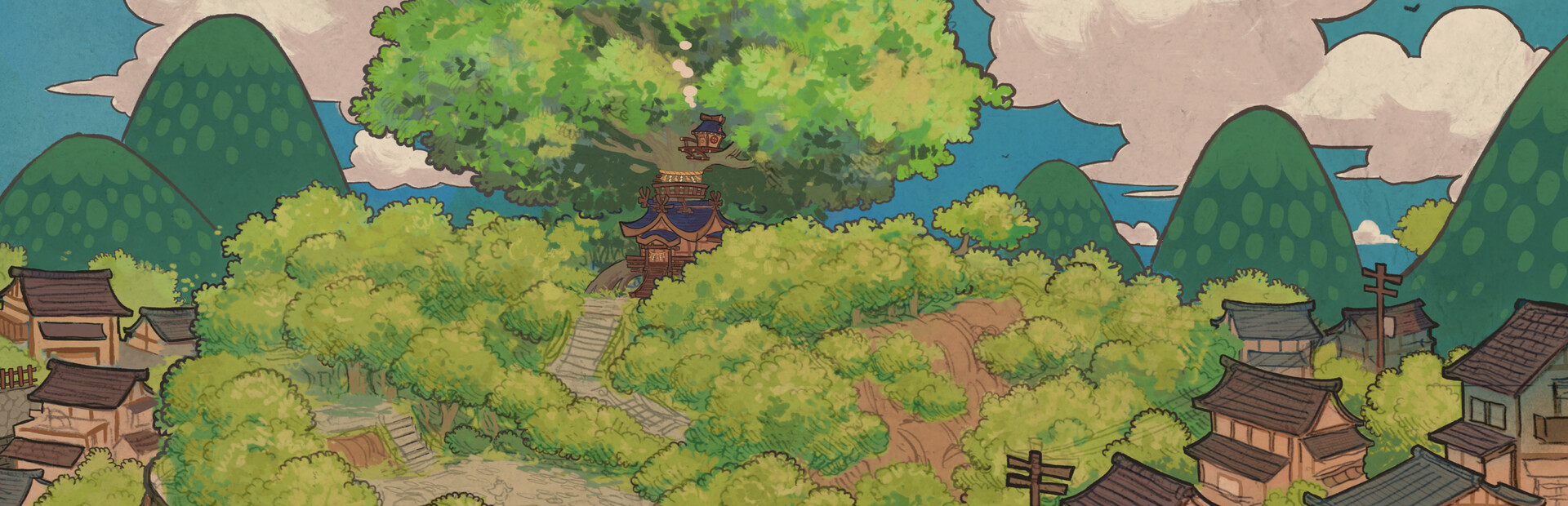
The new demo reportedly stretches to around 2 to 3 hours, which is generous for an indie preview. For Japanese learners, that means a lot more time to soak up everyday vocabulary, festival language, and the kind of small-town atmosphere that often gets lost in bigger releases.
![Dragon Ball Z: Kakarot [Master Edition]](https://s.pacn.ws/1/p/1eh/dragon-ball-z-kakarot-master-edition-908785.1.jpg?v=t8ja8t&width=400)

![Tiny Tina's Wonderlands [Next-Level Edition] (English)](https://s.pacn.ws/1/p/13a/tiny-tinas-wonderlands-nextlevel-edition-english-707353.12.jpg?v=rt1dpt&width=400)
TANUKI: Pon's Summer brings matsuri energy to Steam Next Fest
Guess what? TANUKI: Pon's Summer isn't showing up to Steam Next Fest with a tiny taste test. The demo has been expanded, and players can now spend roughly 2 to 3 hours in its world before deciding whether the full game belongs on their wishlist.
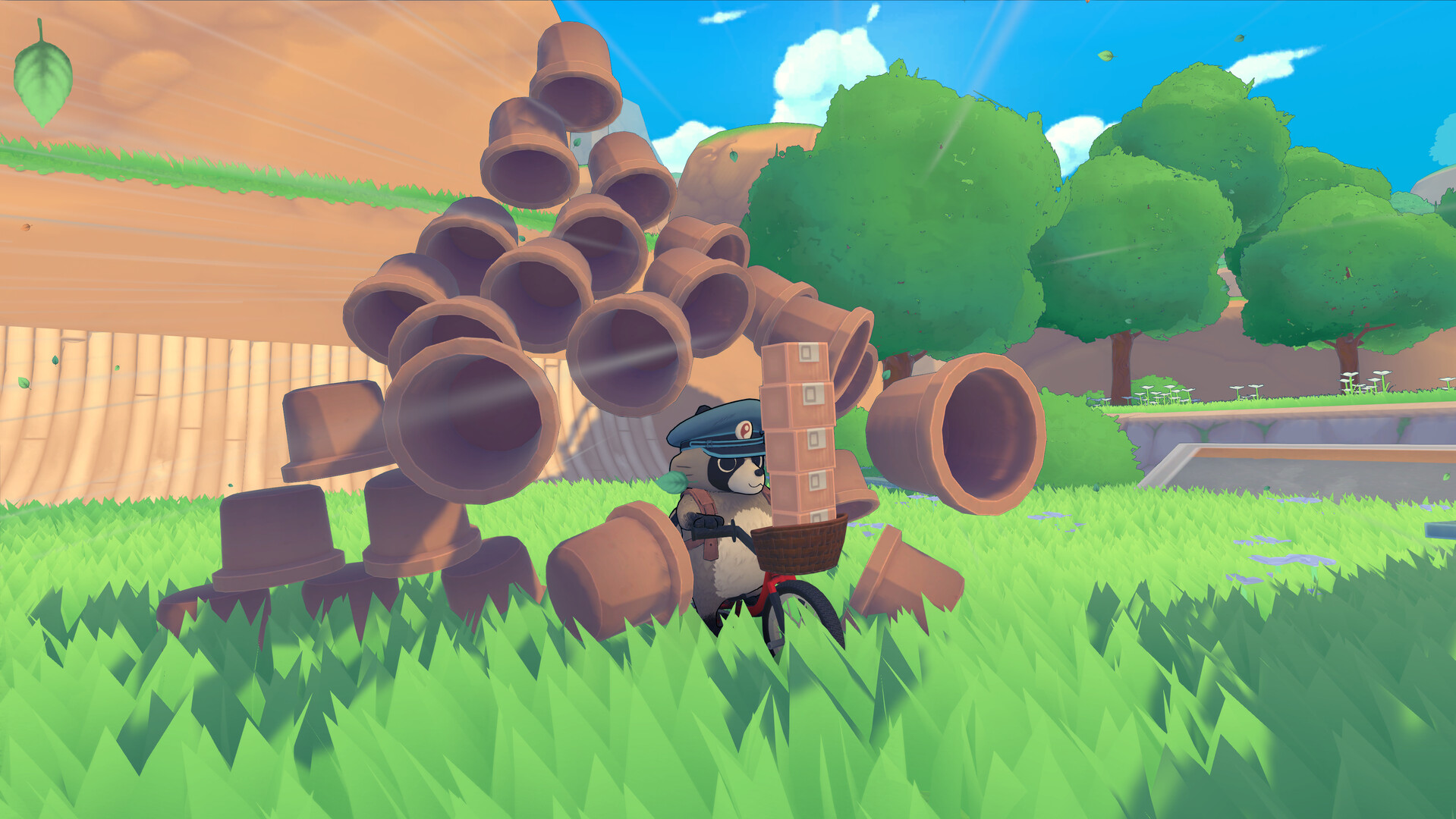
That matters, because this is exactly the kind of indie game that benefits from breathing room. A short demo can show the basics, sure, but a longer one lets you settle into the pace, meet the characters properly, and notice the little details that sell the summer mood. Wild, isn't it?
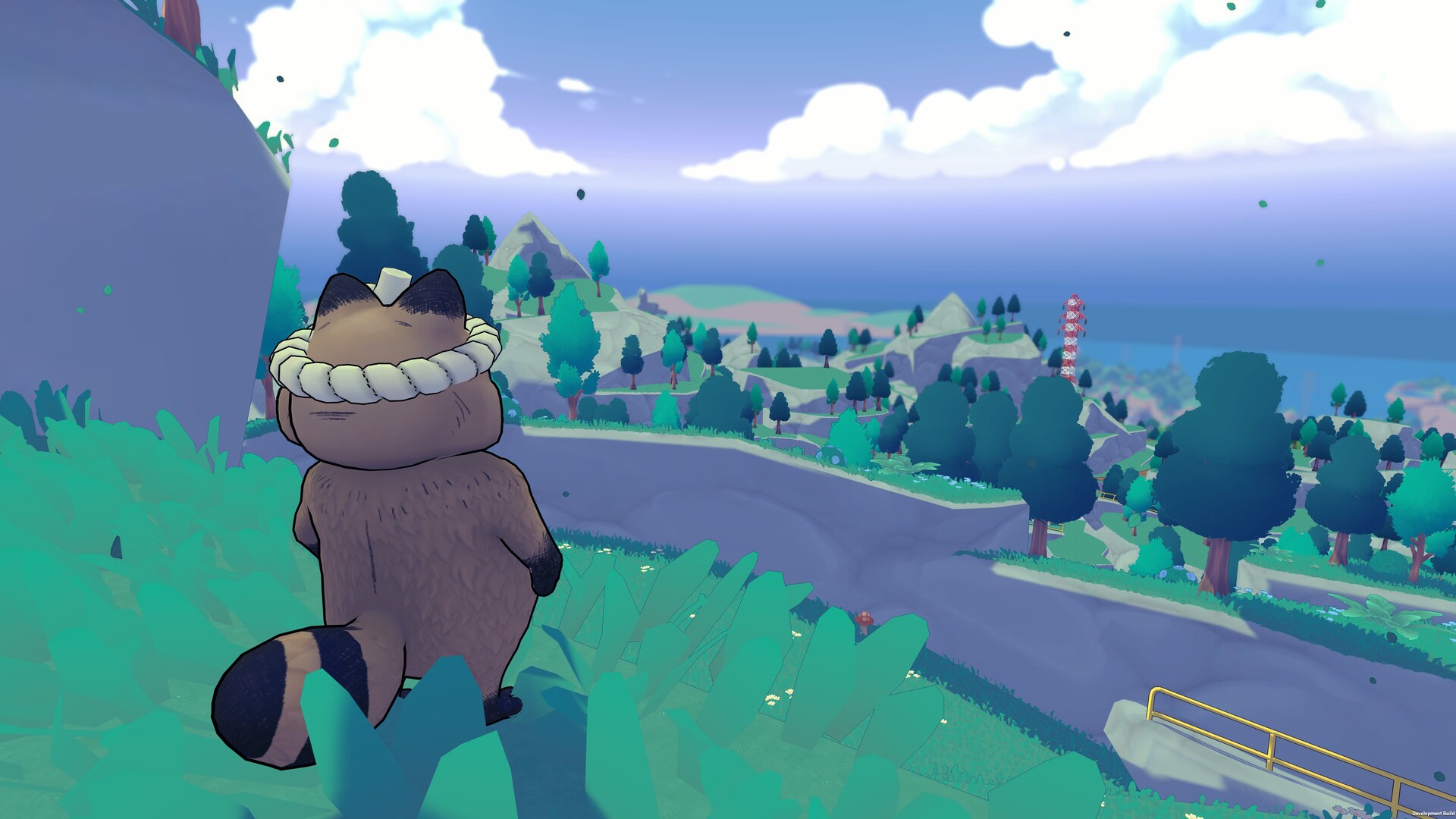
The reason's simple: this game isn't trying to overwhelm you with combat systems or giant maps. It seems built around atmosphere, light-hearted tasks, and a playful Japanese setting that feels tied to local festival culture. For fans of Japan, that already sounds like a good excuse to hit download.
What makes the expanded demo feel different
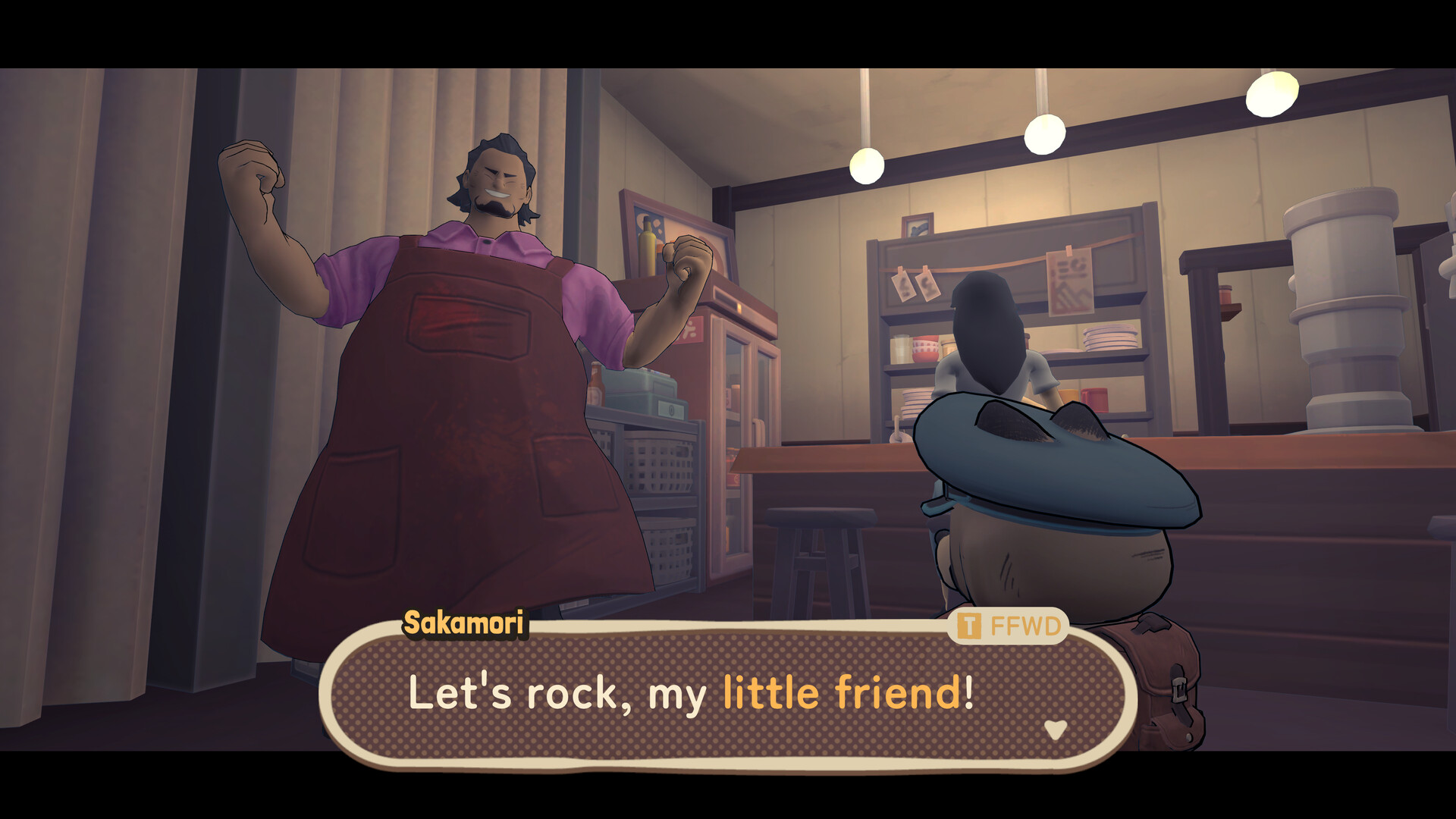
Imagine a narrow alley in Tokyo. Paper lanterns glow overhead, a food stall is grilling something sweet and smoky, and somebody nearby shouts across the festival crowd. That kind of sensory image is exactly where a game like TANUKI: Pon's Summer can shine, because its appeal comes from mood as much as mechanics.
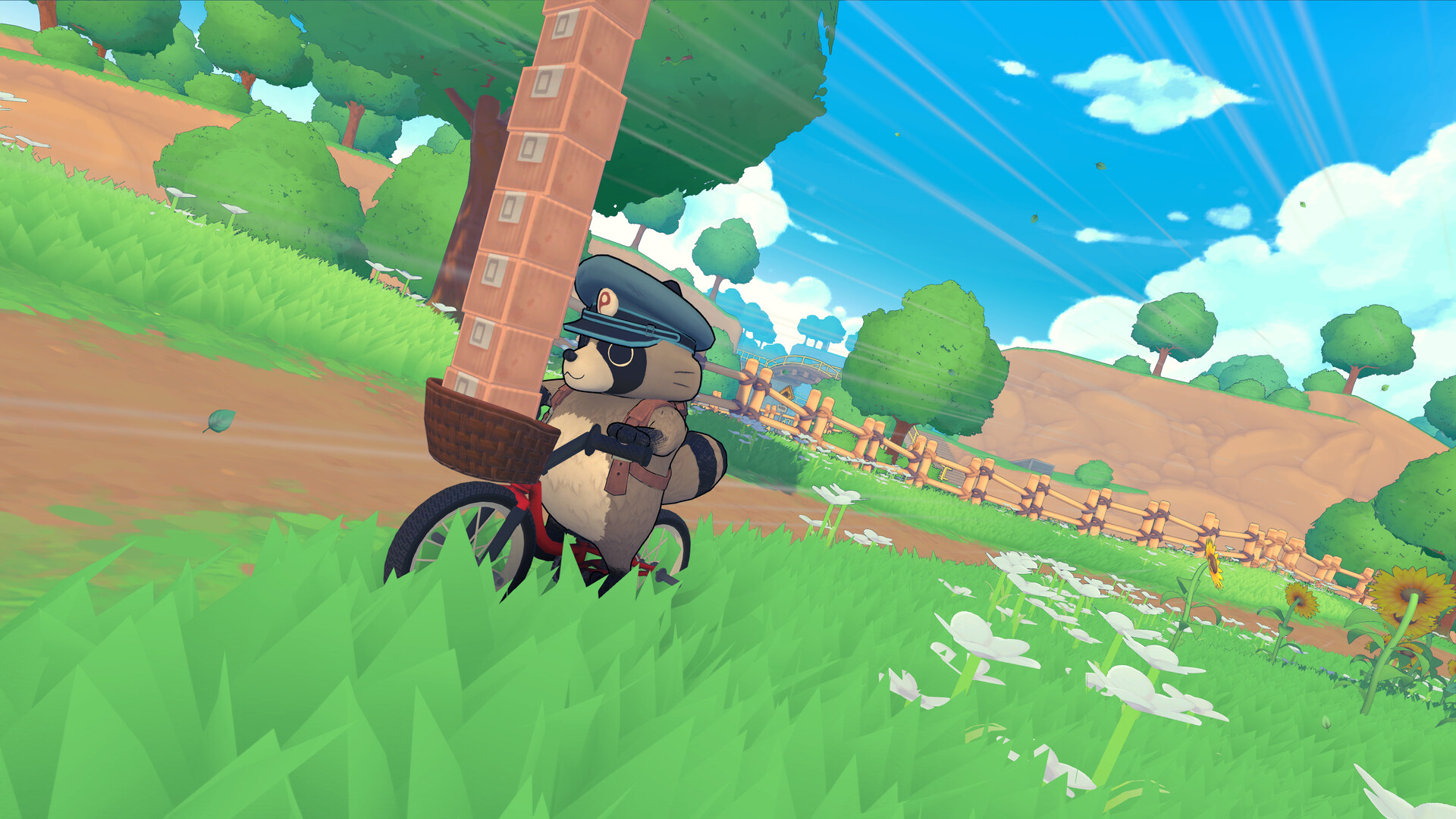
For example, a 2 to 3 hour demo gives the game room to introduce routines, side interactions, and the kind of small-town errands that often define cosy Japanese adventures. You're not just pressing through a tutorial, you're settling into a rhythm. Hand on heart, that's usually where these games win people over.
What I especially like is the timing. Steam Next Fest is packed with demos, so a longer preview can work like a free sample meal instead of a single bite. If the world feels warm, the characters feel like people, and the festival setting lands properly, players will remember it after the event ends. But that's not all.
A better fit for curious players
Seriously though, the demo length also helps people who are unsure whether a relaxed game is for them. A 20-minute preview can leave you undecided, but 2 or 3 hours is enough to show whether the pace is your thing. My tip? If you enjoy games where the charm comes from wandering, chatting, and collecting impressions rather than chasing fast rewards, this is the kind of demo you shouldn't skip.
That longer hands-on section can also make the festival aesthetic land more clearly. Summer in Japan isn't just a season, it's a mood, with natsu 祭り (matsuri, festival), 浴衣 (yukata, light summer kimono), food stalls, and the feeling that every street corner is doing a little too much at once. Sounds weird, but it's true. Convinced yet?
Why Japan fans and Japanese learners should care
Trust me on this one: games with strong everyday settings are often better for Japanese learners than flashy fantasy worlds. When a game leans into festivals, neighbourhood life, and casual conversation, you're more likely to hear practical words that actually stick. Think of terms like matsuri, 屋台 (yatai, food stall), お祭り (omatsuri, festival), and seasonal phrases tied to summer events.
That reminds me, Japanese learning doesn't always have to come from textbooks or grammar drills. A demo like this can turn vocabulary into something visual, which helps memory. If a character mentions a stall, a snack, or a local tradition, you remember it because it's attached to a scene, not a flashcard. See what I mean?
There is also cultural context in the background here. Games inspired by matsuri usually tap into a very specific Japanese feeling, part nostalgia, part community, part seasonal celebration. For fans of Japan, that's half the fun. For learners, it is a chance to connect romaji words with images and behaviours, which makes them easier to recall later.
Steam Next Fest could give TANUKI: Pon's Summer a bigger audience
Steam Next Fest has become one of the best places for smaller studios to find their crowd. A strong demo can travel fast through wishlists, clips, and community chatter, especially if it offers more than the usual ten-minute teaser. TANUKI: Pon's Summer looks set up for exactly that kind of word-of-mouth boost.
Take Noisy Pixel's report for instance. The standout detail is not just that there is a demo, but that the demo is long enough to feel like a mini experience in its own right. That makes it easier for players to judge the tone, the writing, and the setting, instead of guessing from a trailer alone.
And honestly, that's the right move for a game with this sort of identity. If a title is all about matsuri aesthetics, cute interactions, and summer warmth, then first impressions matter a lot. Give people enough time to feel the vibe, and they are far more likely to remember it when the full release arrives. But that's not all.
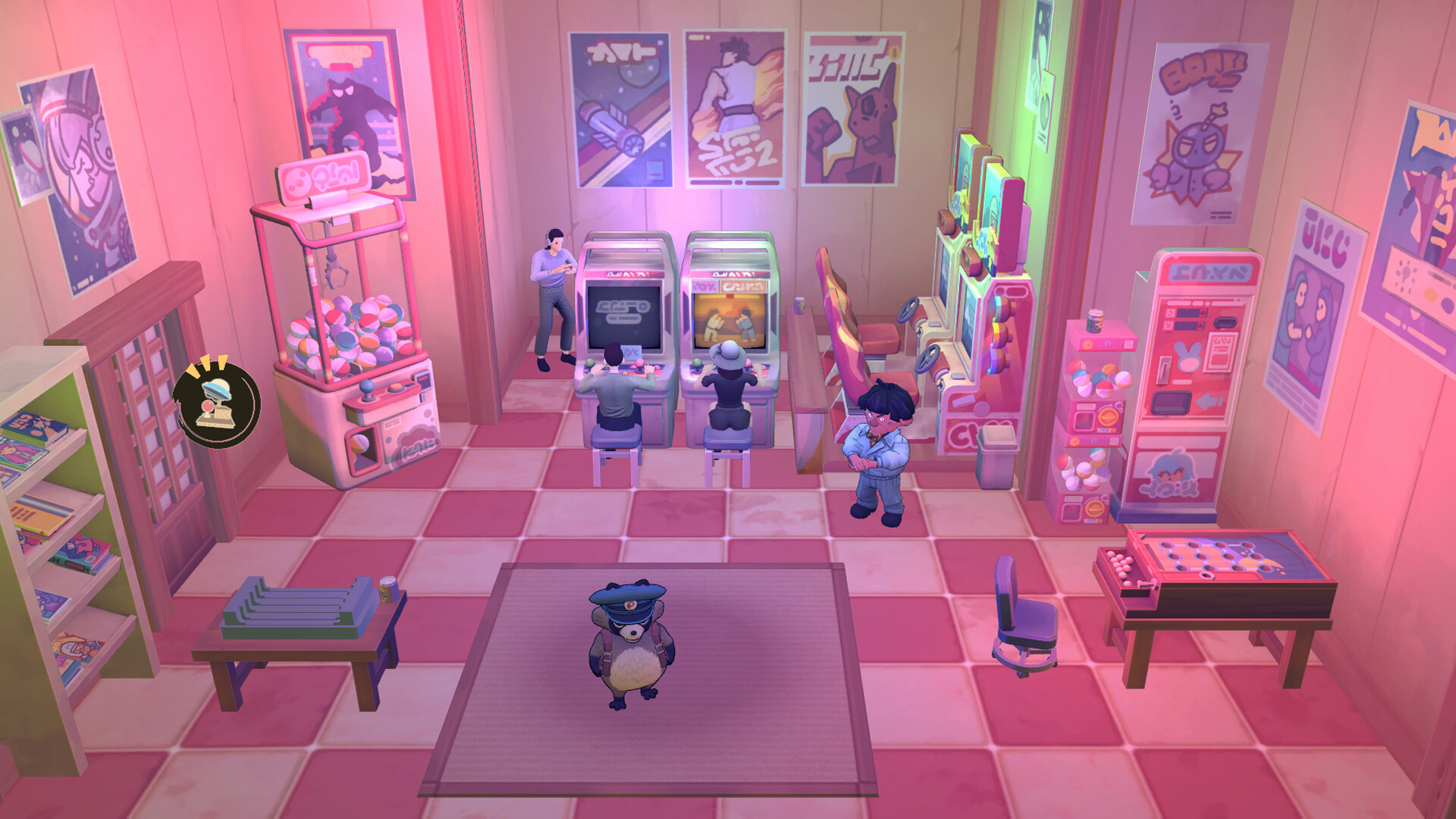
In pictures

Frequently Asked Questions
What is TANUKI: Pon's Summer?
It is an indie game with a Japanese summer festival feel, centred on a cosy, playful atmosphere.
How long is the new demo?
The expanded demo is around 2 to 3 hours long.
Why does Steam Next Fest matter for this game?
It gives the game a big visibility boost and lets players try a substantial preview before release.