
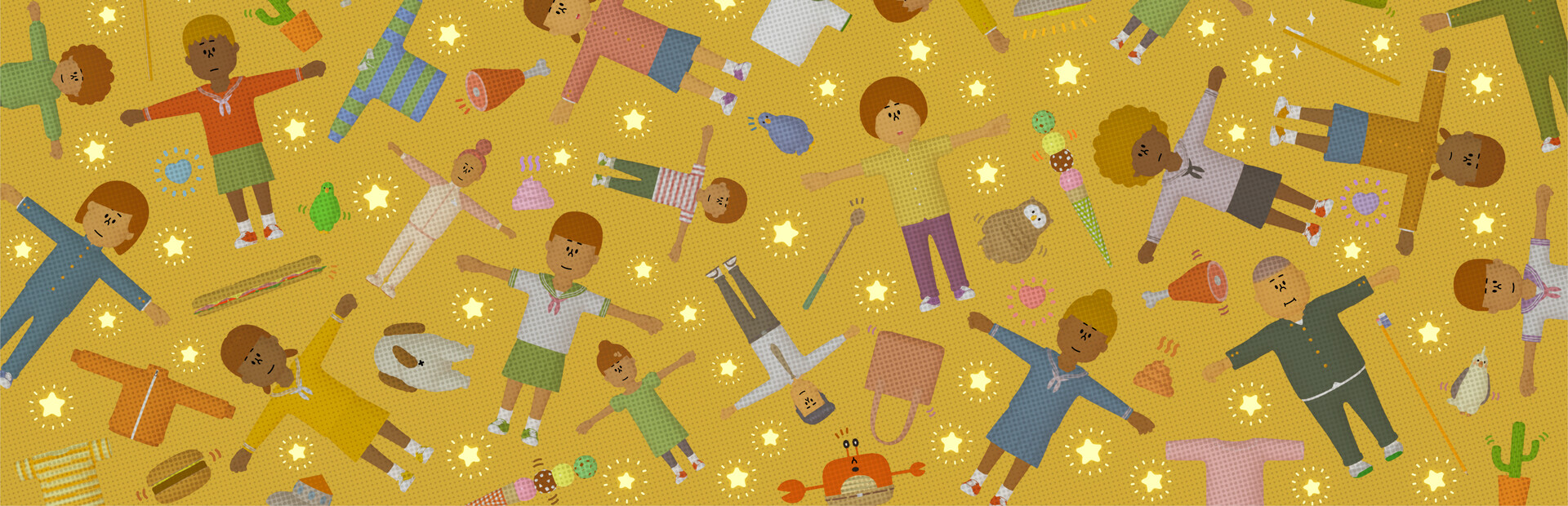
What surprised me most is how much of the game’s charm comes from tiny gestures, simple routines, and everyday language. For Japan fans and Japanese learners, that makes it easy to connect with on a cultural level, too.
![Dragon Ball Z: Kakarot [Master Edition]](https://s.pacn.ws/1/p/1eh/dragon-ball-z-kakarot-master-edition-908785.1.jpg?v=t8ja8t&width=400)
![Startup Company [Console Edition] (Limited Edition)](https://s.pacn.ws/1/p/157/startup-company-console-edition-limited-edition-741799.16.jpg?v=ry4mm8&width=400)
![Startup Company [Console Edition]](https://s.pacn.ws/1/p/157/startup-company-console-edition-741779.10.jpg?v=ry4ngq&width=400)
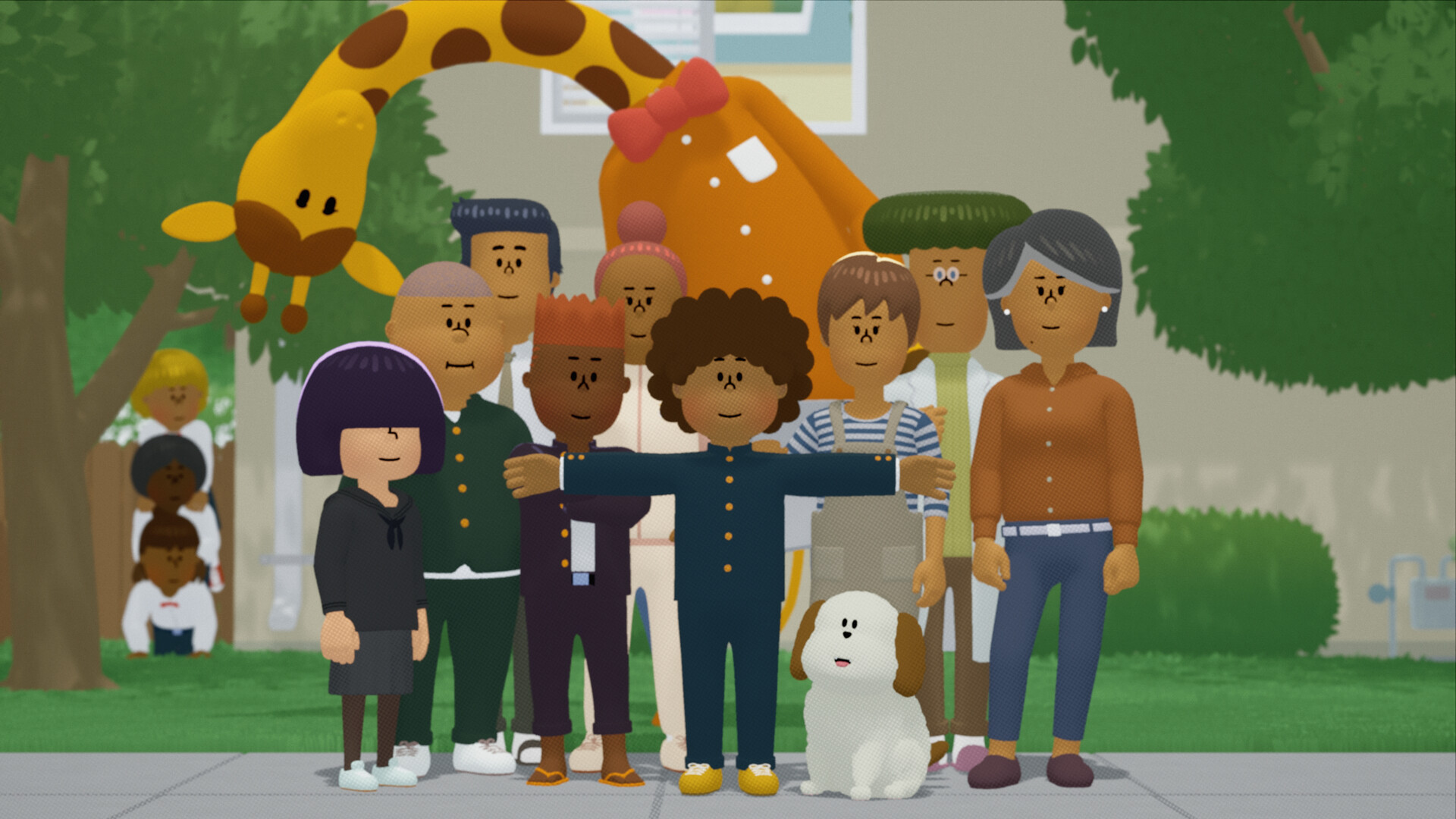
To a T review is really a review of Keita Takahashi’s signature style, and that’s half the fun. The man behind Katamari Damacy and Wattam has never been interested in looking ordinary, and here he keeps that streak alive on Nintendo Switch. You get a cosy adventure that feels light on stress, heavy on personality, and full of tiny ideas that stick with you.
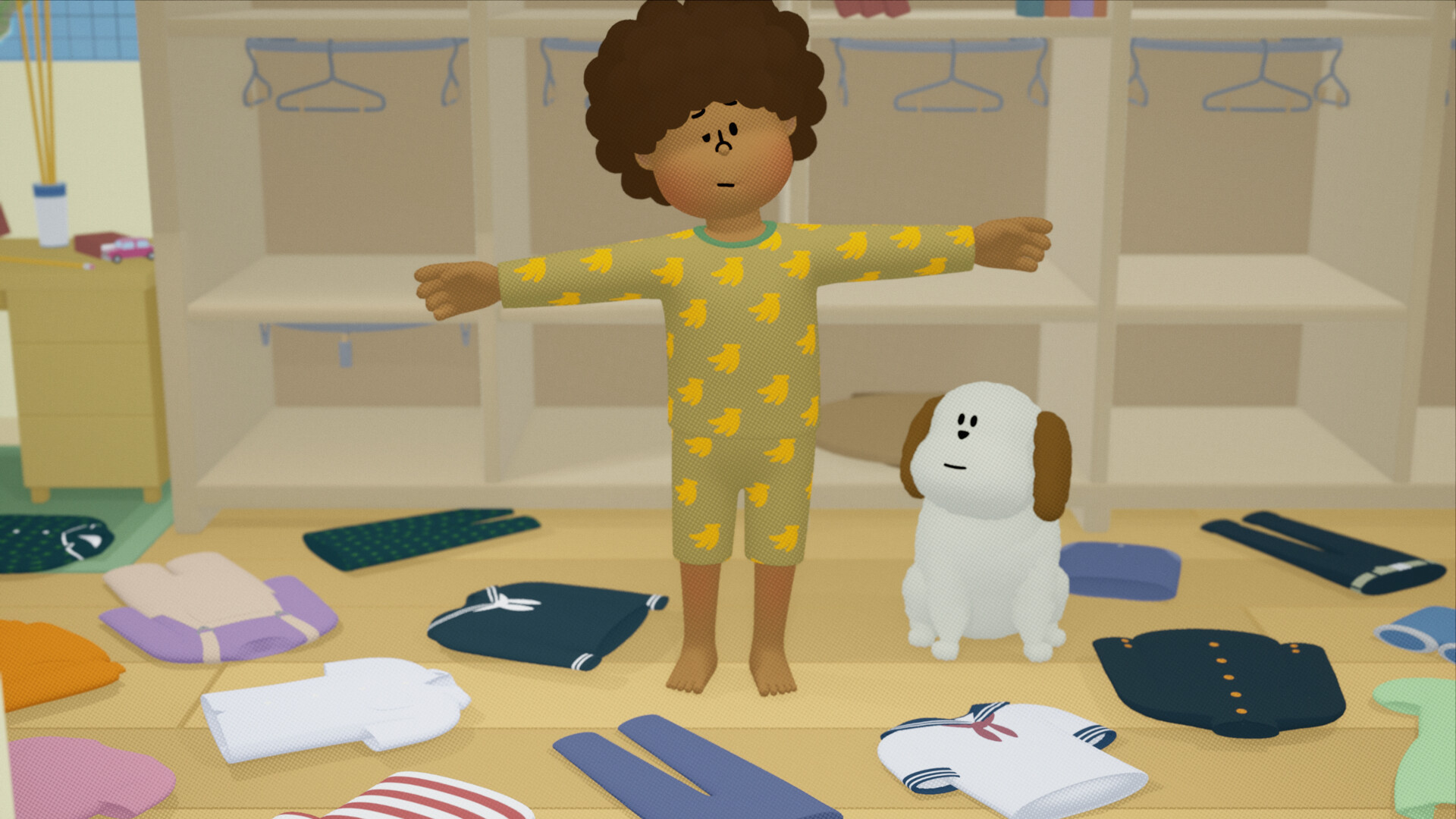
Cohort directive: If you’re a Japan fan, or you’re learning Japanese and like games with a strong authorial voice, this is one to keep an eye on. The story is easy to follow, the visuals do a lot of the talking, and the whole package has that unmistakable Takahashi flavour. Sounds weird, but it’s true.
Keita Takahashi brings his playful world back to Nintendo Switch
Keita Takahashi became famous for Katamari Damacy in 2004 on PlayStation 2, a game that turned rolling up office supplies, streetlights, and even whole buildings into a pop-art joke with real heart. That same sense of mischief still runs through his work, even when the scale is smaller and the tone is softer. Compared to back home, where a lot of adventure games chase polish first, Takahashi often chases a feeling, then builds the game around it.
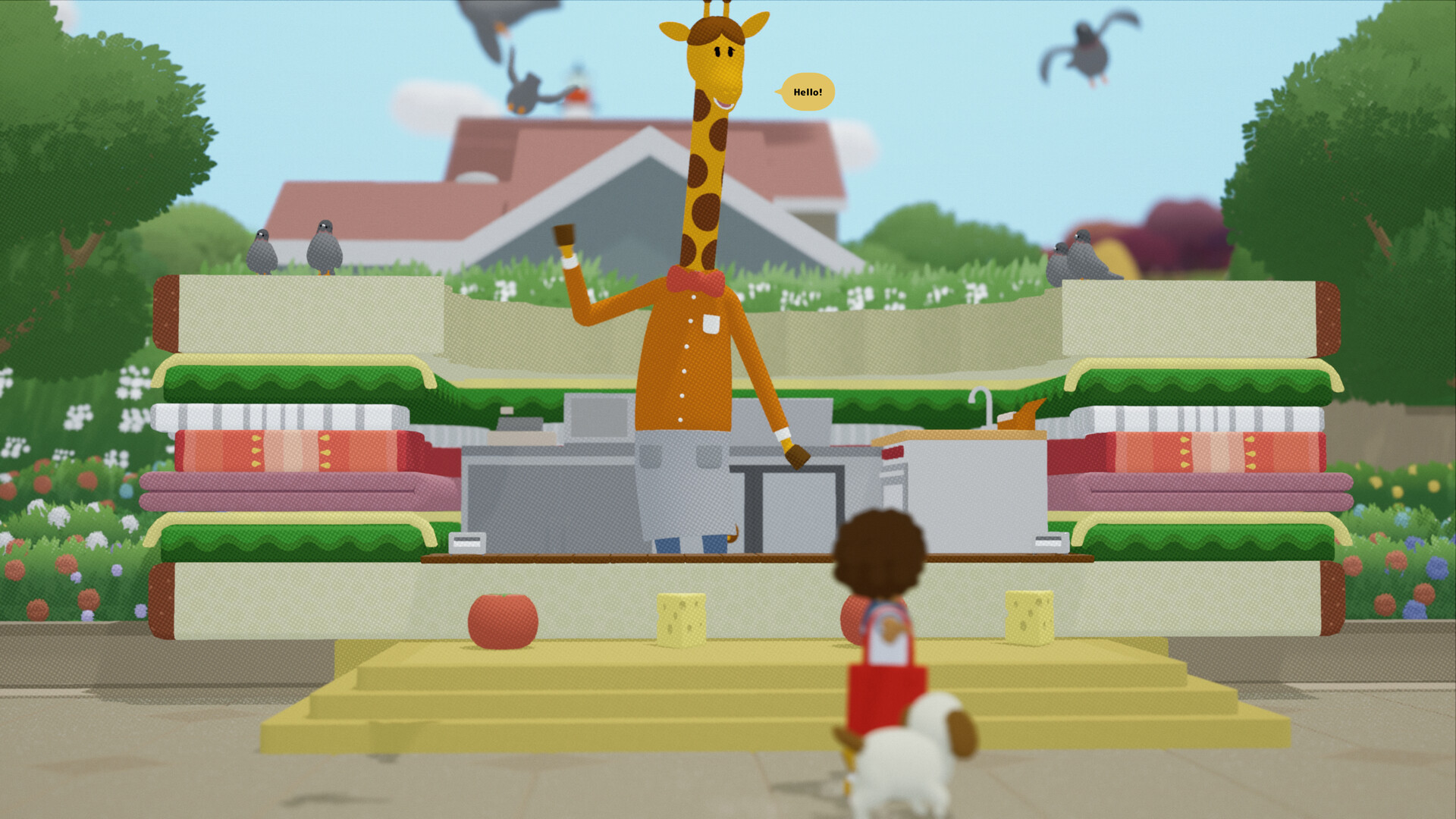
Here’s the kicker: To a T isn’t trying to be a giant blockbuster. It’s more like a carefully made indie snack, something you can enjoy in short sessions on your Nintendo Switch, especially if you like games that let you breathe. The visual style is bright and simple, the characters look like they’ve wandered out of a picture book, and the animation carries a lot of the humour.

What most people don't know: Takahashi’s games often work because they trust repetition, movement, and physical comedy. In Katamari Damacy, that meant the absurd joy of growing your ball. In Wattam, it meant group chaos and toy-like social play. Here, it means watching a small everyday world reveal its charm one awkward moment at a time. Personally, I think that’s where his best work lives.
What To a T actually plays like
Unlike what we're used to in many cosy games, To a T doesn’t lean too hard on farming, crafting, or checklist busywork. It’s more narrative-led, more guided, and more interested in little scenes than endless systems. That makes it a good fit for players who want something calm but not empty.
The best part: small interactions matter
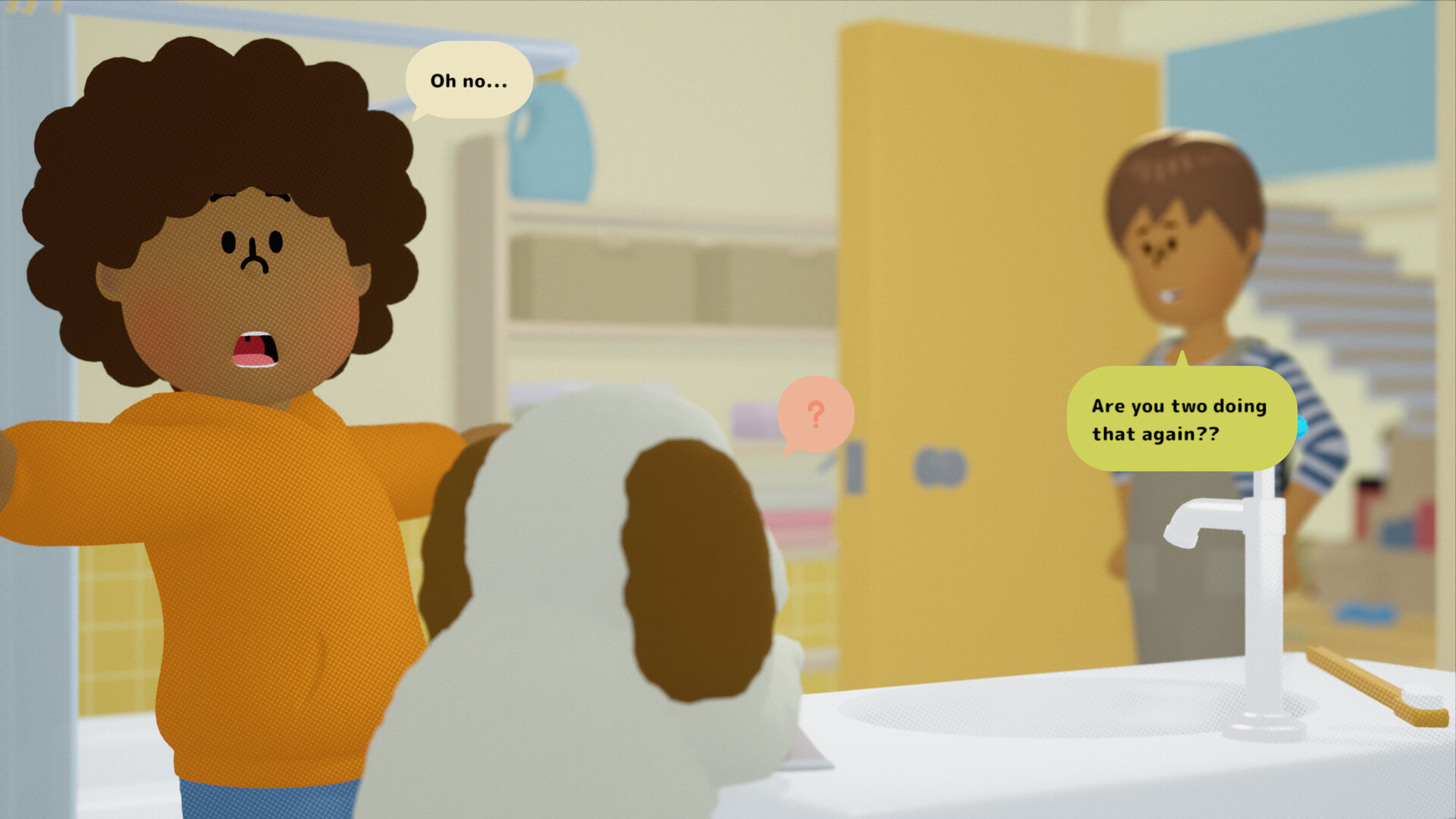
You spend a lot of time just getting through the day, talking, observing, and moving through spaces that feel deliberately modest. The game doesn’t rush you. It lets jokes land, lets quiet moments sit, and then slips in a visual gag when you least expect it. Pro tip: if you usually skip dialogue in cosy games, don’t do that here, because the writing carries a lot of the personality. Convinced yet?
Hand on heart: this is the kind of game that works best when you accept its pace. There’s a rhythm to it, and once you settle in, that rhythm starts to feel comforting. The Nintendo Switch version also makes sense for this style of game, since handheld play suits short chapters and relaxed sessions. Highly recommended: play it in portable mode on a quiet evening.
Why Japan fans and Japanese learners will notice the details
For language learners, games like this can be quietly useful. Not because they’re packed with difficult kanji drills, but because they model everyday speech, family dynamics, and the little social cues that textbooks often flatten. Words like 元気 (genki, energetic; in good spirits), 大丈夫 (daijobu, it's okay; I'm fine), ただいま (tadaima, I'm home; just now), and おかえり (okaeri, welcome back) show up in real-life Japanese far more often than many beginners expect, and games with domestic settings help those patterns feel natural.
Seriously though: even when a game is localised into English, the Japanese design sensibility still comes through. You can feel the influence of neighbourhood life, school routines, and the careful staging of ordinary places. That matters for Japan enthusiasts, because it’s not just about cherry blossoms and 侍 (samurai, Japanese warrior). It’s about how modern Japanese creators find beauty in the small, the awkward, and the everyday. Wild, isn’t it?
My tip: if you’re studying Japanese, use a game like this as a low-pressure listening or reading companion. Even when you’re not playing the original script, thinking about how the scenes would be expressed in Japanese is a good habit. It trains your eye for context, tone, and all those tiny words that make dialogue feel alive. But that’s not all.
To a T review verdict: cosy, odd, and unmistakably Takahashi
Before I forget: To a T won’t be for everyone. If you need deep systems, tough challenges, or a long progression loop, this isn’t your game. On the flip side, if you want a playful adventure with a strong creative stamp, this is exactly the sort of thing that reminds you why Keita Takahashi is such a distinctive name in game design.
What I especially like is that it never feels ashamed of being small. It knows its lane, and it stays there with confidence. That confidence matters, because it gives the game room to be funny, tender, and a little strange without overexplaining itself. Personally...
For Nintendo Switch owners, this is an easy recommendation if you enjoy artful indie games and you’re already on board with Takahashi’s strange little universe. If Katamari Damacy made you smile and Wattam made you curious, To a T feels like another chapter in the same creative conversation. The best part is that it doesn’t try to copy those older games; it just carries the same authorial signature in a new shape. That’s the real charm.
Before you go, if you want more coverage of Japan, games, and culture, check out more Japan news on jpnerd.com.
In pictures
Frequently Asked Questions
Is To a T connected to Katamari Damacy?
Not as a direct sequel, but it carries Keita Takahashi’s playful design spirit and offbeat sense of humour.
Is To a T a good Nintendo Switch game?
Yes, especially if you like shorter, story-focused games that work well in handheld mode.
Can Japanese learners get anything out of this game?
Yes. Even when you play in English, the game’s everyday setting and social tone can help you think about natural Japanese speech and context.


