
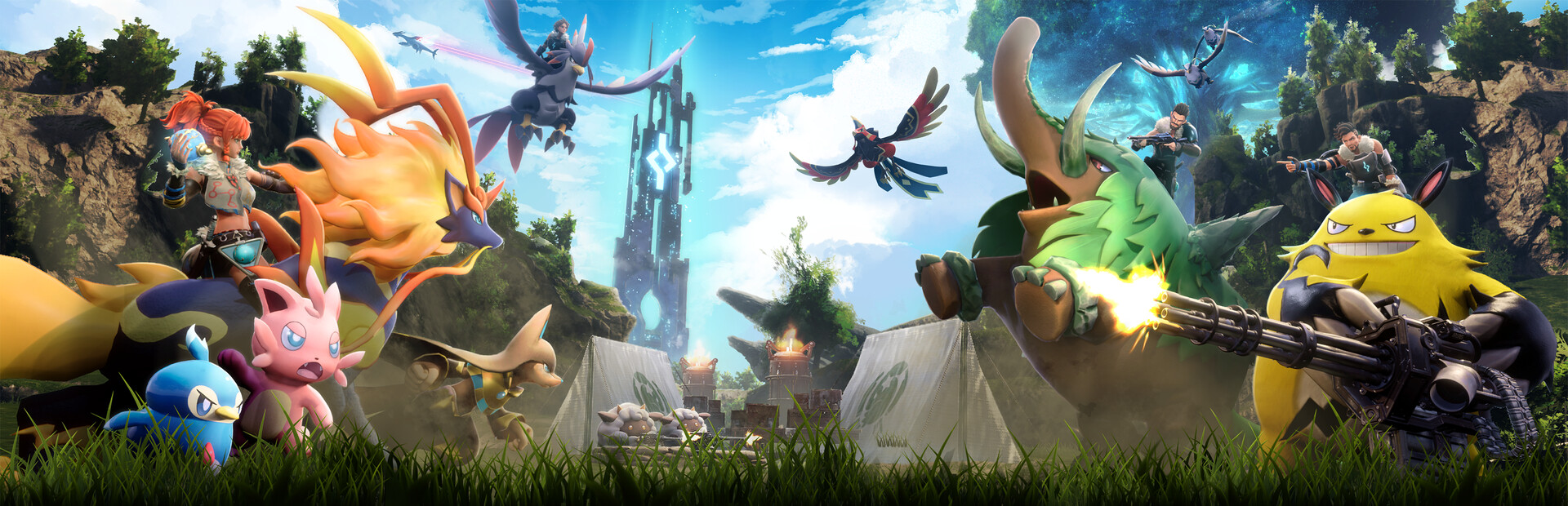
For Japan fans, there’s also a nice local angle, because Pocketpair is a Tokyo studio with a small team and a very un-Japanese kind of global impact. Classic Japan, isn’t it?
![Dragon Ball Z: Kakarot [Master Edition]](https://s.pacn.ws/1/p/1eh/dragon-ball-z-kakarot-master-edition-908785.1.jpg?v=t8ja8t&width=400)


Palworld 1.0 is the sort of release that makes you stop scrolling. Pocketpair has now pushed its monster-catching survival game into a full 1.0 launch, and that comes on the back of a legal victory that many people didn’t expect. Let’s be honest: when a 30-person Tokyo studio goes up against Nintendo in the public imagination, the odds feel ridiculous.
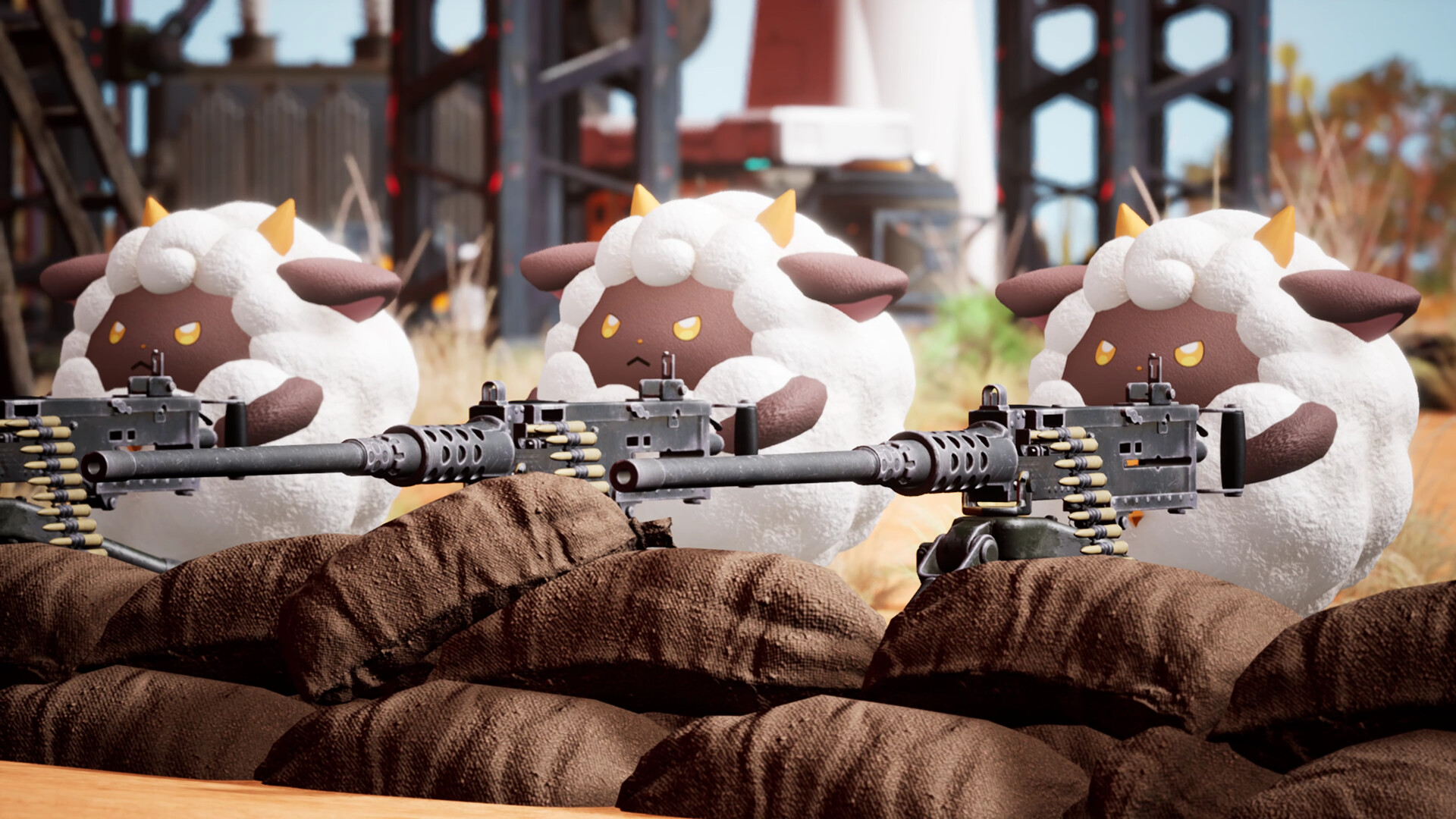
Yet here we are. Pocketpair, founded in Tokyo and known for building games with a small team and a scrappy attitude, has turned Palworld from a viral early-access hit into a finished release. For Japan watchers, that’s the real story, not just the lawsuit chatter. It’s a reminder that Japanese indie studios can move fast, ship worldwide, and still make headlines in a space usually dominated by giants.
On a related note, this is also the sort of story Japanese learners can actually use. The industry words around it are useful, like 支配 (shihai, dominance) for dominance, 開発 (kaihatsu, development) for development, and 販売 (hanbai, sales) for sales. If you follow game news in Japanese, you’ll see those terms constantly, and they help you read real media instead of textbook examples. My tip: start noticing them in headlines, not just in articles. Wait, there’s more.
Palworld 1.0: a full release after the early-access boom
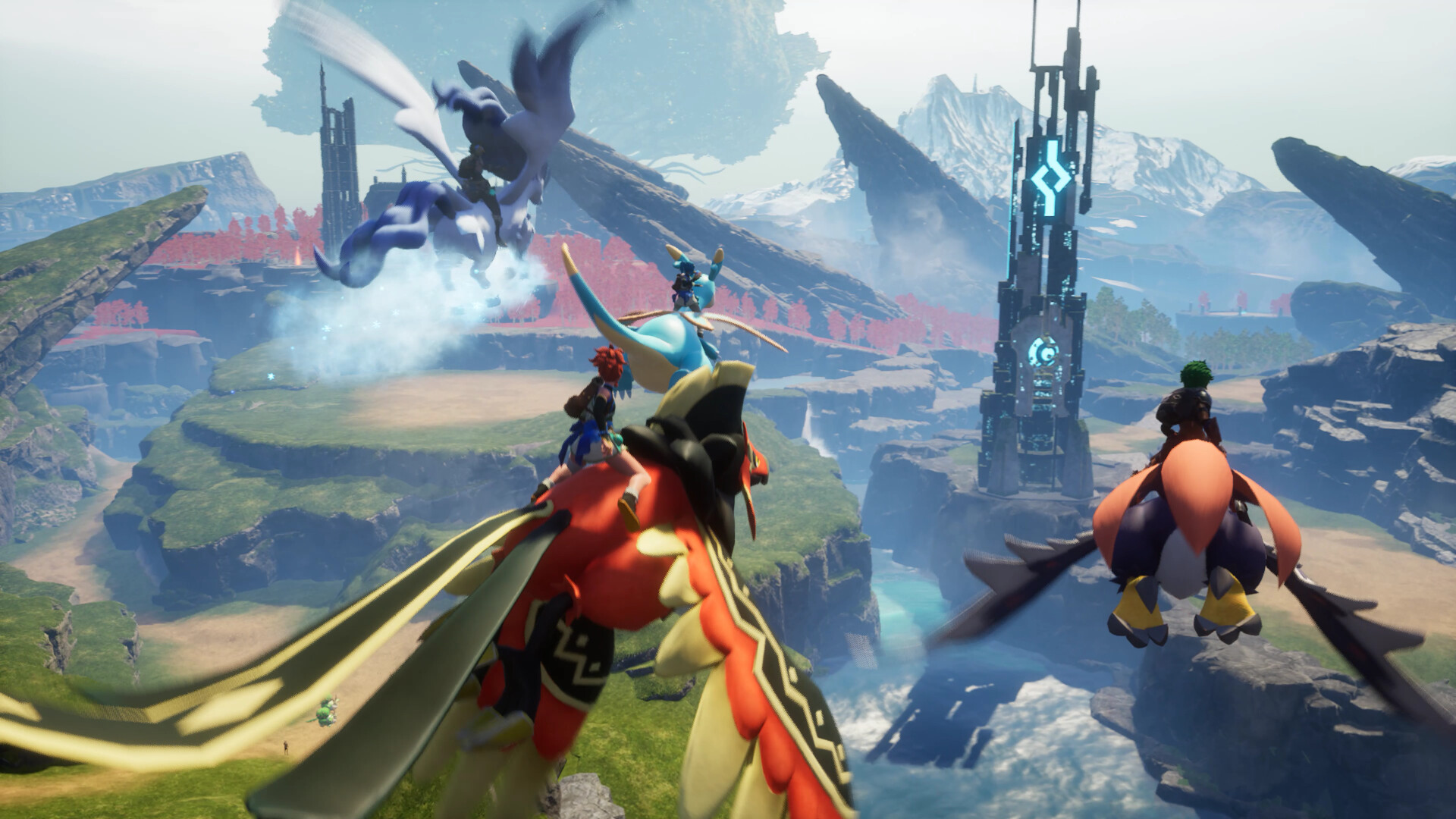
What most people don't know is that Palworld was never just a meme game. It launched into early access in 2024 and exploded because it mixed creature collecting, open-world survival, base building, and combat in a way that felt instantly streamable. People compared it to Pokemon, but the actual loop is much harsher, with hunger, crafting, guns, and base management all pushing the player to stay busy.

That mix is part of why 1.0 matters. Early access can buy time, but it can also keep a game in a half-finished mental box. A full release changes the perception. It says the systems are stable enough, the content is ready, and Pocketpair is willing to be judged as a completed studio product, not just a viral experiment. That's why the 1.0 label matters as much as any patch note.
Why the Tokyo indie angle matters
Take Pocketpair for instance. The company is based in Tokyo, and its public image has always felt a bit different from the polished, corporate side of Japanese game development. A 30-person studio is tiny by AAA standards, but that small size can be a strength. Fewer layers, faster decisions, more room to take risks. No joke: that kind of setup can move much faster than a giant publisher machine.
What I especially like is that this is the sort of Japan industry story that feels modern without losing the local flavour. You can still hear the old Tokyo indie energy in it, the same mix of ambition and stubbornness you see in many small creative teams. If you’ve ever followed Japanese 同人 (doujin, self-published fan works / circle culture) culture, you’ll recognise the vibe right away. Different medium, same spirit. Convinced yet?
Nintendo vs Pocketpair: why the legal win changes the mood
Plot twist: the legal side is now part of the release story. Pocketpair had been facing a lawsuit from Nintendo and The Pokemon Company over alleged patent infringement related to gameplay systems. A lot of players assumed the pressure would hang over Palworld for a long time, maybe even slow the project down or scare off updates. Instead, the legal momentum appears to have swung Pocketpair’s way, and that changes everything.
Even if you’re not following court filings closely, you can feel the shift in tone. A company that was being framed as the little guy copying a giant is now being seen as a studio that survived the fight and kept building. That's why the 1.0 launch hits harder than a normal release. It doesn’t just say, “the game is done.” It says, “the team kept going.”
By the way, this is a good moment to remember how often Japanese media loves the 頑張って (ganbatte, do your best / keep it up) storyline. The underdog pushing through pressure, the small team staying focused, the work paying off at the end. It’s a familiar narrative shape, and Pocketpair fits it almost too neatly. Insider tip: if you read Japanese gaming coverage, look for the emotional framing around perseverance, not just the technical details.
What Palworld 1.0 means for players and Japan fans
Unlike what we're used to, a 1.0 launch here isn’t only about bug fixes. It also affects how people talk about the game in communities, streams, and social media. Early-access games get a little grace. Finished games get judged more seriously. So now Pocketpair has to support a real live service-style audience, balance updates, and long-term content expectations all at once.
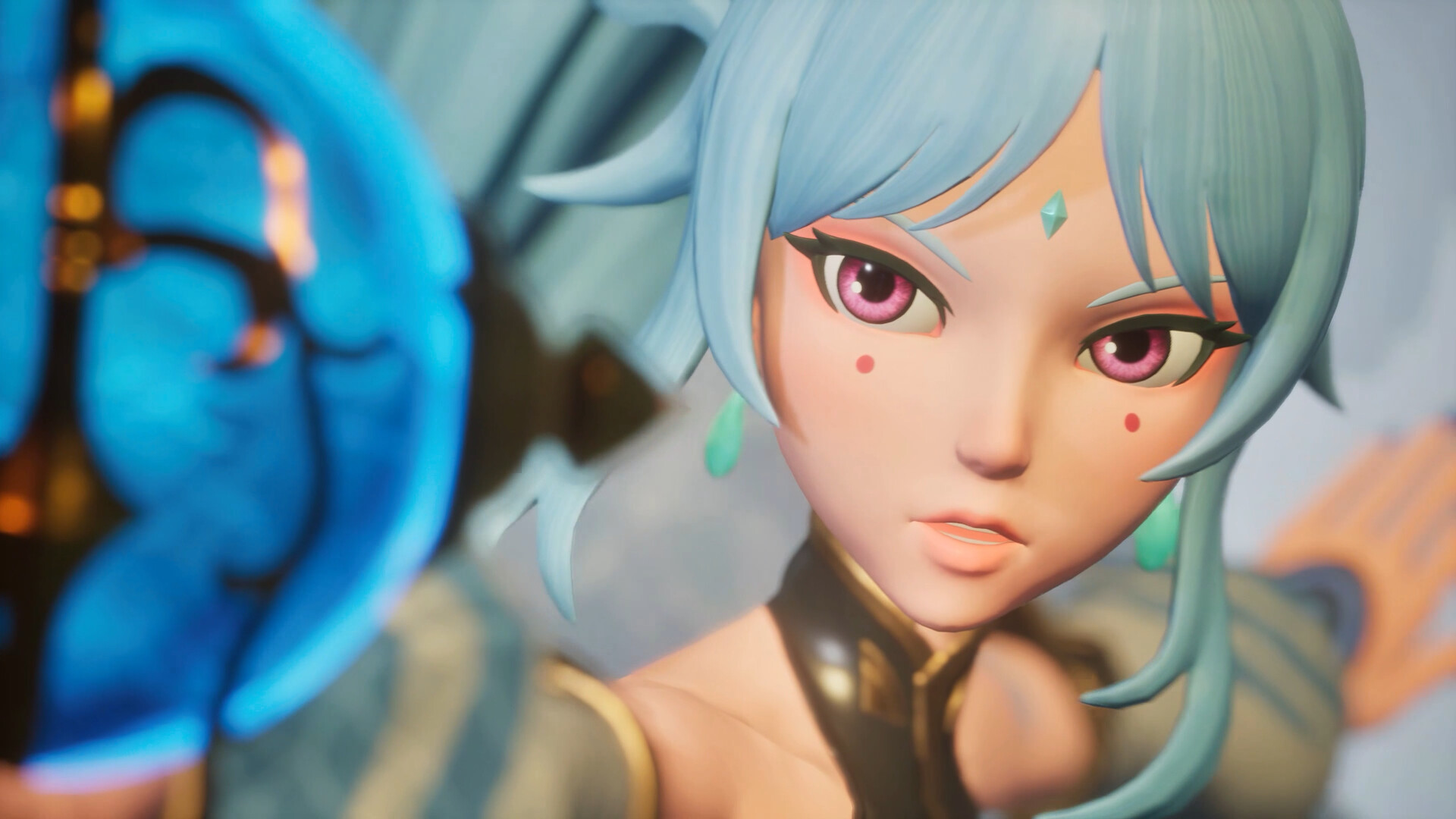
For players, that means Palworld is no longer the game you try just to see the joke. It’s now the version people will point to when they ask whether the concept works over time. That’s a big shift. It also gives Japan fans something interesting to watch: can a Tokyo indie studio keep a global hit healthy after the launch hype fades?
While we're at it, there’s also a language-learning bonus here. Game communities are full of natural Japanese loanwords and fan terms, from クソゲー (kusu-ge, crappy game) for a rough game with charm, to ガチ (gachi, serious / for real) for serious play, to オワコン (owakon, dead / over the hill) when something is seen as over. You’ll see those words in comments and posts around Japanese game news, and they tell you a lot about tone. That’s the kind of real-world Japanese that sticks. My verdict: Palworld 1.0 is news because it combines legal drama, indie ambition, and actual product maturity.
Let’s be honest: not every game gets to have both a courtroom arc and a proper launch arc. Palworld did, and that makes it feel like one of those Japan industry stories people will remember for a while. If you follow Japanese games, indie studios, or just the weirdly dramatic side of game business, this one is worth keeping on your radar. Wait, there’s more.
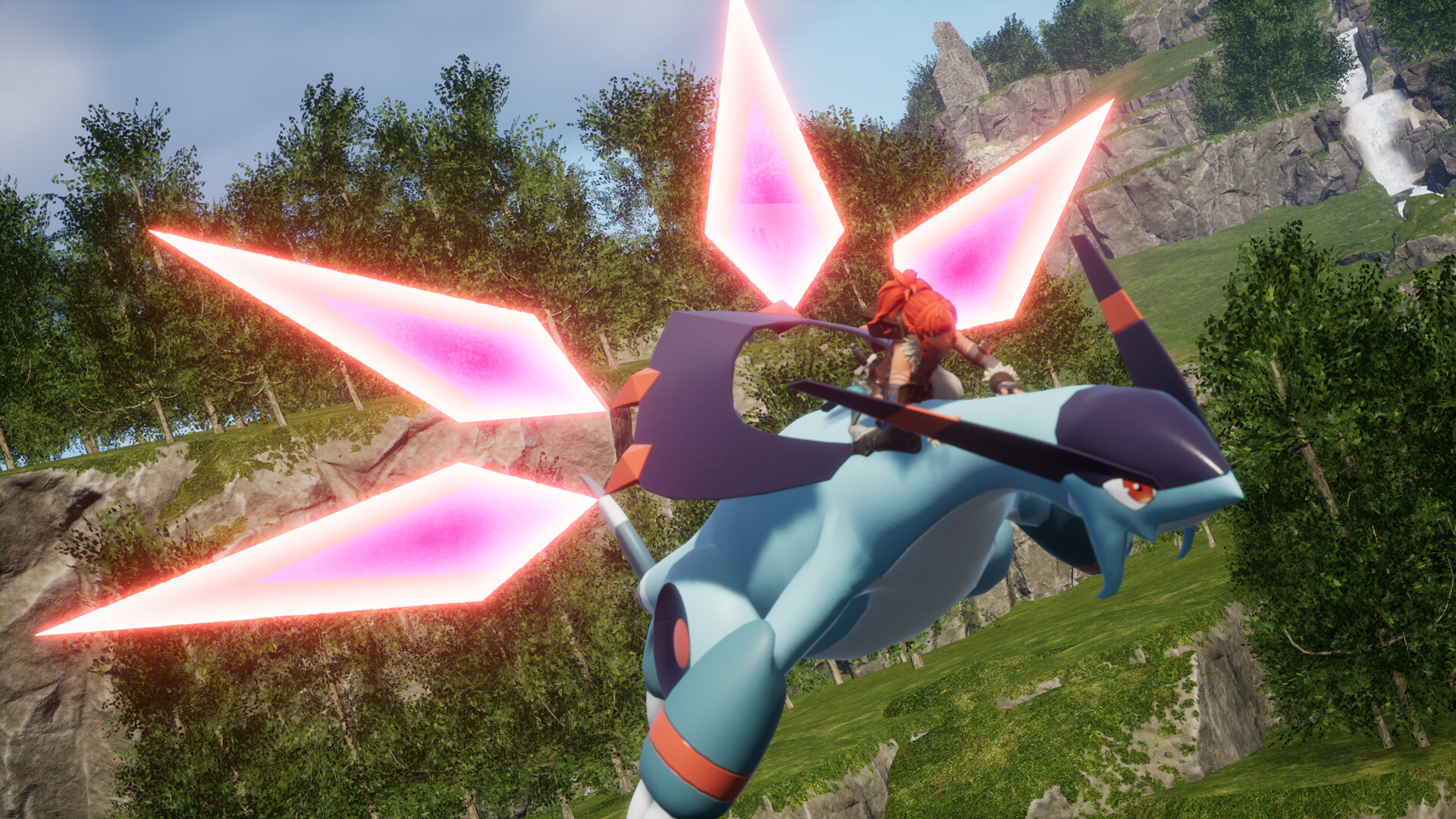
In pictures

Frequently Asked Questions
What is Palworld 1.0?
It is the full release version of Pocketpair's game after its early-access period.
Why is the Nintendo legal case important?
It shaped how people viewed the game, and the outcome changes the mood around the launch.
Why do Japan fans care about this story?
Because it connects Tokyo indie game culture, global success, and a high-profile legal fight.


