
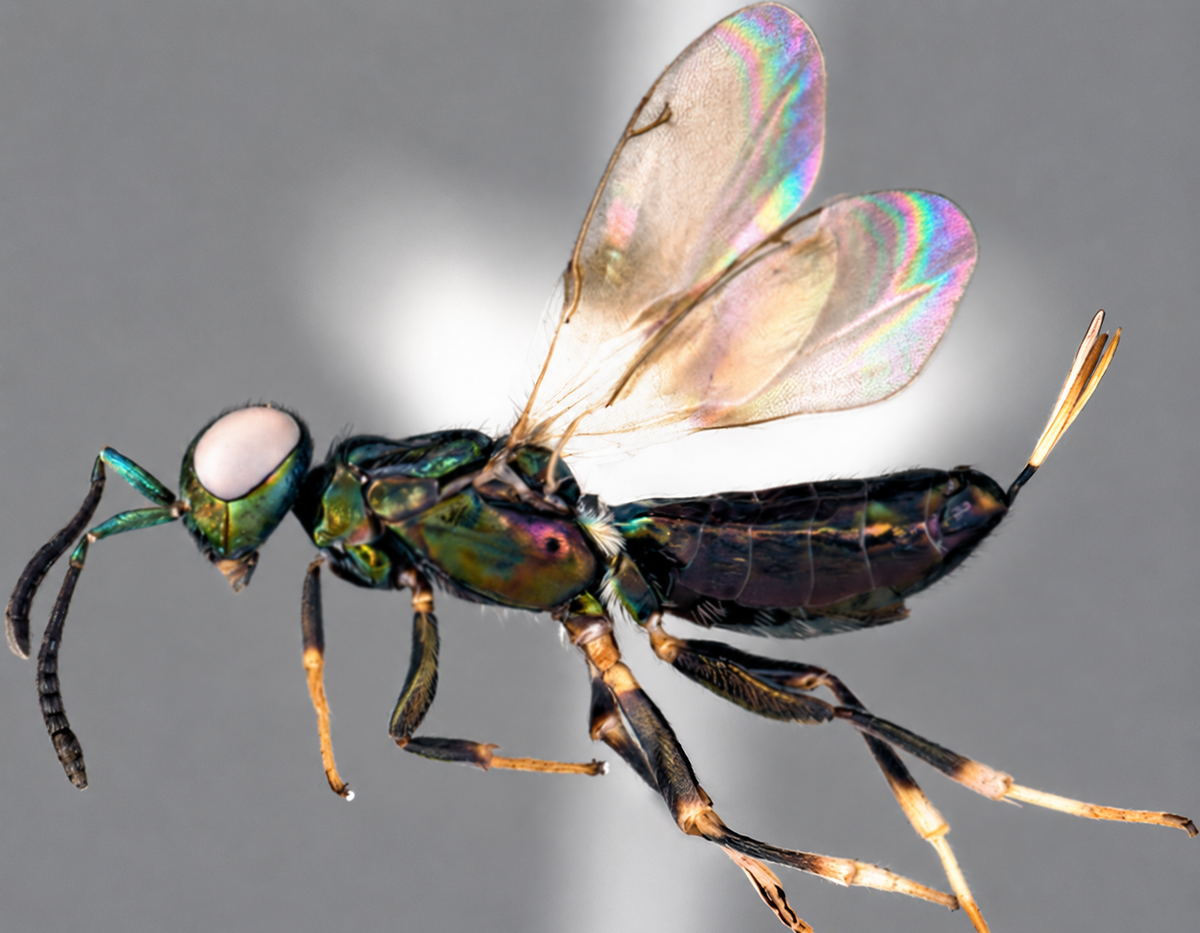
The reason’s simple: science doesn’t always begin in a lab. Sometimes it starts with a post, a reply, and someone who knows exactly what to look for.
A Twitter Post, a Wasp, and a Lucky Break
Did you know that a single Twitter post from 2018 helped uncover a new wasp species in Japan? The post showed an insect that looked strange enough to catch the eye of people who knew their bugs, and it didn’t stay a casual sighting for long. The story later became a real scientific paper, with a newly recognised species and a very Japanese twist: careful observation, fast sharing, and a sharp expert response.
That’s the charm of this case. A tiny creature, a social platform, and a scientist named Kanji Toyosaki ended up changing what researchers thought they knew about wasps in Japan. My tip: if you like Japan, you should also like the way everyday curiosity can turn into discovery. It’s genuinely brilliant.
Kanji Toyosaki and the Power of Seeing What Others Miss
Kanji Toyosaki is the kind of name Japan learners should remember, because this story shows why expertise matters. He is an entomologist, and when he saw the image circulating online, he noticed details that most people would skip right over. No wonder, because to the untrained eye, one wasp can look a lot like the next.
For example, the body shape, wing pattern, and colour markings can all separate one species from another. In Japan, where biodiversity is carefully studied but still full of surprises, that kind of observation is gold. What I especially like is that this wasn’t some dramatic expedition in a remote jungle. It began with a post that someone uploaded for ordinary internet reasons, then moved into proper scientific checking. Wait, there’s more.
Why a Social Media Post Can Matter in Science
The reason is simple: a photo can travel farther and faster than a specimen in a drawer. A researcher on the other side of the country, or even outside Japan, can spot something unusual immediately. In this case, the online image prompted closer investigation, comparison with known species, and eventually the recognition that this wasp didn’t match existing records.
Before I forget, this kind of discovery fits Japan’s online culture unusually well. Japanese users often share location-based images, nature sightings, and even tiny moments from daily life. If you’ve ever followed Japanese wildlife accounts on social media, you’ll know how often a casual picture turns into a serious discussion. Sounds weird, but it’s true. That brings us to the wasp itself.
What Made the New Wasp Species in Japan Special
Plot twist: the insect wasn’t just “some wasp.” It belonged to a group that experts could study through minute differences, the kind that separate one named species from another. The discovery helped expand the known list of wasps recorded in Japan, and that matters because species counts aren’t just trivia, they help map ecosystems, climate shifts, and local habitats.
Japan is especially interesting for this kind of research. The archipelago stretches from cool Hokkaido to subtropical Okinawa, so insects can vary a lot from region to region. A species found in one place may be rare, overlooked, or completely unknown in another. That’s why local records matter so much. If you’re learning Japanese, this is a nice reminder that words like 虫 (mushi, insect; bug) and 蜂 (hachi, bee; wasp) show up everywhere in real life, not just in textbooks. For a Japan fan, that connection is half the fun.
Why the Discovery Matters Beyond Entomology
New species descriptions aren’t just labels in a database. They can help scientists understand food chains, pollination networks, and where habitats need protection. In a country like Japan, where urban areas, farmland, and forest edges often sit very close together, insect studies can reveal how human activity shapes nature.
There’s also a cultural layer here. Japan has a long tradition of paying attention to seasonal life, from 桜 (sakura, cherry blossom) blossoms to summer cicadas. This story sits in that same spirit of noticing small things closely. From my experience, that mindset is one of the best reasons to study Japanese in the first place. It trains your eye as much as your vocabulary. My verdict: this wasp story is a reminder that curiosity pays off, even when it starts on a screen.
What Japan Learners Can Take From This Story
Know that feeling when you learn a new word and suddenly start seeing it everywhere? This story works like that, but for science and Japan culture. A single Twitter post became evidence, then research, then a published identification. The chain is short, but the implications are real. A Japanese scientist noticed something off, the internet amplified it, and a new wasp species entered the record.
If you want a language-learning angle, think about the vocabulary around it. Words like 検索 (kensaku, search), 観察 (kansatsu, observation), and 生物 (seibutsu, living things; organisms) appear often in science and nature discussions. You’ll see the same pattern in Japanese media too, where careful observation is valued. That’s why stories like this are so useful for learners: they teach language, but they also show how Japanese people talk about nature, evidence, and discovery. My tip: read more of these short science stories, because they make your Japanese feel alive.
Frequently Asked Questions
Who noticed the new wasp species?
A Japanese entomologist, Kanji Toyosaki, recognised that the insect in a Twitter post might be something new.
When did the original post appear?
The key social media post was shared in 2018.
Why does this story matter?
It shows how online sharing and scientific expertise can work together to reveal species that might otherwise be overlooked.


