
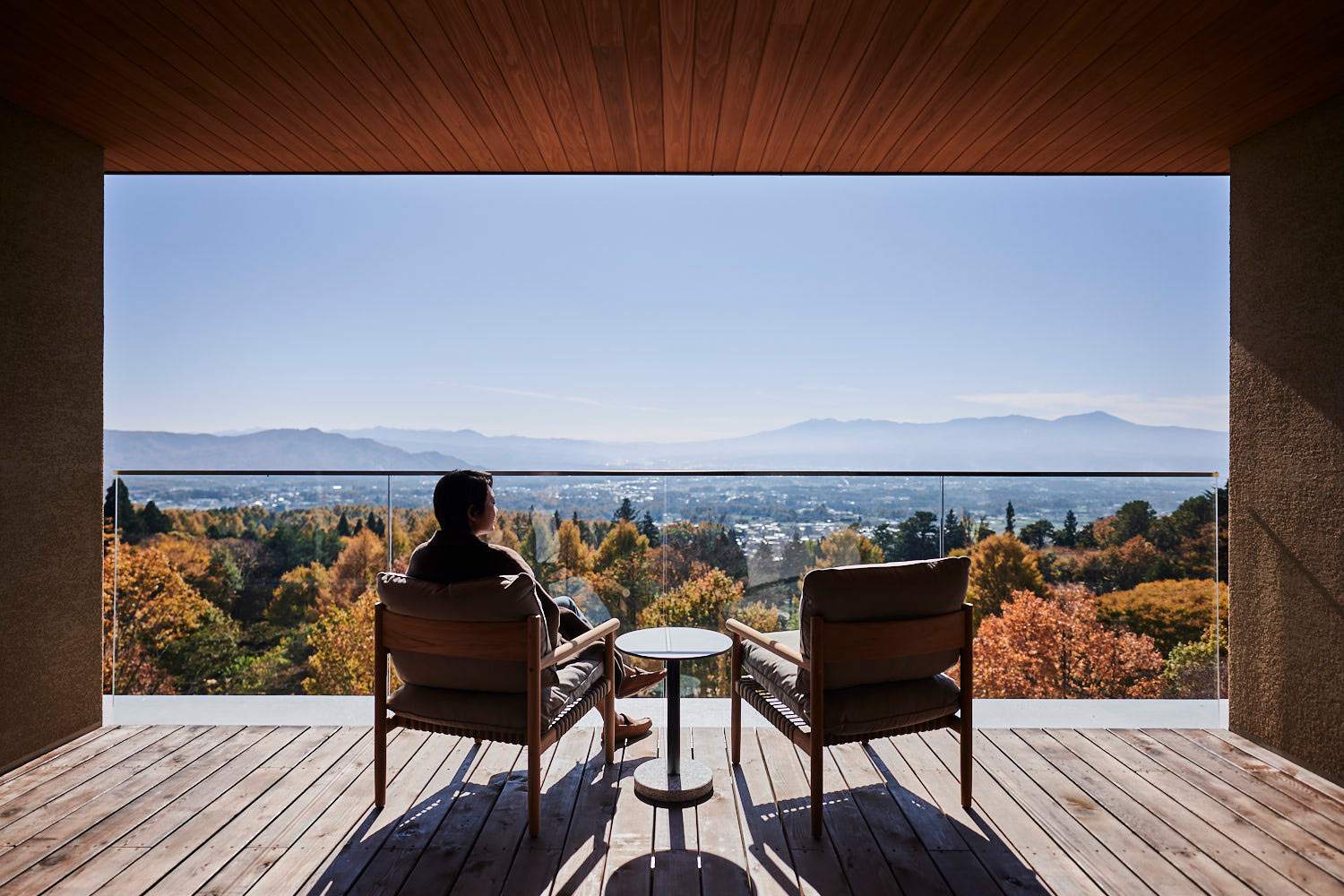
Speaking of which, the new retreat formats aren't just about soaking in hot water. They tie in wellness, seasonal food, and the slower rhythm that Kyoto fans already come to this city for.
![Dragon Ball Z: Kakarot [Master Edition]](https://s.pacn.ws/1/p/1eh/dragon-ball-z-kakarot-master-edition-908785.1.jpg?v=t8ja8t&width=400)


Banyan Tree Higashiyama Kyoto and its Higashiyama setting
Here's the thing: Banyan Tree Higashiyama Kyoto opened in 2024 as the brand's first property in Kyoto, and it was designed to feel deeply rooted in the city rather than dropped in from somewhere else. The hotel sits in Higashiyama, east of central Kyoto, an area packed with old streets, temple routes, and that soft, quiet mood people usually hope to find in Kyoto, but don't always manage to catch.
That location matters for the new onsen retreats. Higashiyama is close to landmark spots like Kiyomizu-dera and Kodai-ji, so a stay here can move naturally from temple visits to dinner, then to a late-night soak and spa session. No wonder, because Kyoto travel is often at its best when the schedule is loose enough to breathe. But that's not all.
Six onsen retreat formats, each with a different rhythm
What most people don't know is that the hotel has introduced six different onsen retreat formats, each built around a different way of relaxing. That means you won't just get a standard spa package with a generic massage and a bath. Instead, the retreat menu is shaped around time, mood, and purpose, which is a smart move for a luxury hotel in Japan.
1. A short reset for busy travellers
This format is for guests who want a compact stay, the kind that fits between sightseeing and dinner reservations. It focuses on quick recovery, a soak, and enough quiet to shake off the noise of the day. Compared with back home, where spa visits often feel like appointments, this kind of retreat feels more like a pause button. Wait, there's more.
2. A spa-led deep rest stay
The second format leans hard into the spa side. Picture this: a longer bath, a treatment session, then time in the room with Kyoto's stillness outside the window. The emphasis is on slowing the body down, and that's where Banyan Tree's wellness background really shows. My tip: if you love hotel spas, this is the version to watch closely.
3. Culture and bathing combined
That brings us to one of the most appealing ideas here, a retreat that pairs onsen time with cultural experiences. In Kyoto, culture isn't a separate activity, it's part of the scenery, the food, the walk to the hotel, and even the sound of the streets in Higashiyama. If you've been studying Japanese, this is also a nice chance to connect words like onsen, ryokan, and おもてなし (omotenashi, Japanese hospitality) with the real atmosphere behind them. Not bad, right?
Why Kyoto's spa culture fits this hotel so well
Compared with a city break in a place that never really slows down, Kyoto has a different pace, and Banyan Tree Higashiyama Kyoto seems to understand that. The hotel's retreat idea works because Kyoto already trains visitors to look more carefully, eat more slowly, and notice the change in light across the temple roofs. That kind of setting makes a spa stay feel less like an add-on and more like part of the trip.
That reminds me: Kyoto has long been associated with bathing culture, from 銭湯 (sento, public bath) to ryokan stays and the quiet rituals that sit around them. A luxury hotel in Higashiyama can borrow from that atmosphere without pretending to be a traditional inn. The balance is what makes it interesting, because guests can enjoy a polished international brand while still getting something that feels rooted in place. That's why the new retreats make sense here. But that's not all.
What the six retreats mean for Japan fans
For Japan fans and language learners, this launch is useful for more than one reason. First, it gives you a concrete hotel to keep on your Kyoto shortlist if you want a stay that combines sightseeing with wellness. Second, it gives you real vocabulary in context. Words like onsen, sauna, spa, 観光 (kanko, sightseeing; tourism), and omotenashi are easier to remember when you attach them to a place and a mood.
I still remember how many Kyoto trips start with a packed itinerary and end with the realisation that the best part was the quietest hour of the day. Banyan Tree Higashiyama Kyoto seems to be built around that idea. If you want to understand modern luxury travel in Japan, this is a good example, because it doesn't chase noise, it protects calm. From my experience, that's the kind of hotel story worth paying attention to.
The best part: Higashiyama gives the retreat a real sense of place. You can imagine spending the morning around temple lanes, the afternoon with 抹茶 (matcha, powdered green tea) and a slow walk, and the evening in an onsen-led format that makes the city feel even more intimate. That kind of travel is exactly why Kyoto keeps pulling people back. more Japan news on jpnerd.com
Frequently Asked Questions
What is Banyan Tree Higashiyama Kyoto known for?
It is a luxury hotel in Kyoto's Higashiyama district, with a strong focus on spa experiences, local atmosphere, and wellness-oriented stays.
How many onsen retreat formats are available?
The hotel has launched six different onsen retreat formats, each designed for a different pace and style of stay.
Why is the Higashiyama location important?
Higashiyama puts guests close to Kyoto's temples, traditional streets, and a quieter city mood that suits a bathing and spa retreat.


