
That combination is very Nintendo, actually. A game with a bizarre social sim premise, a second life in internet culture, and enough personality to outlast its original era. Wild, isn’t it?
![Dragon Ball Z: Kakarot [Master Edition]](https://s.pacn.ws/1/p/1eh/dragon-ball-z-kakarot-master-edition-908785.1.jpg?v=t8ja8t&width=400)


友達 (tomodachi, friend) Collection is one of those Nintendo properties that never really behaves like a normal hit. It doesn’t shout. It lingers. Then, years later, you look up and discover it has sold 3.8 million copies, and somehow that still feels understated for the amount of cultural noise it has generated.
Here’s the thing: the recent buzz around the series wasn’t built on a flashy remake trailer or a major anniversary campaign. It was powered by a Nintendo Japan tweet, a fresh wave of VTuber attention, and a meme culture that keeps rediscovering the game’s deadpan chaos. That’s not marketing in the conventional sense. That’s the internet performing product rescue in public.
For Japanese learners and Japan fans, this matters because Tomodachi Collection is not just a game title. It’s a window into a very specific kind of Japanese comedy, one that thrives on awkward social dynamics, tiny domestic details, and the kind of absurd escalation that makes you say, “yes, this is strangely Japanese.”
Tomodachi Collection and the 3.8 Million Sales Story
Let’s be precise. Tomodachi Collection, released for Nintendo DS in 2009, has now crossed 3.8 million copies sold across the series’ life. That figure matters because it places the game well beyond niche curiosity territory. This wasn’t a cult hit that survived on vibes alone. It became a real commercial success, even if it never acted like one.
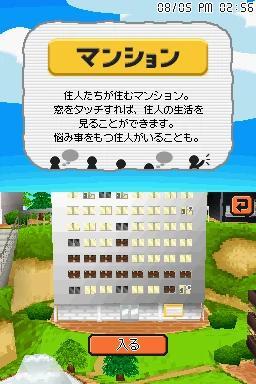
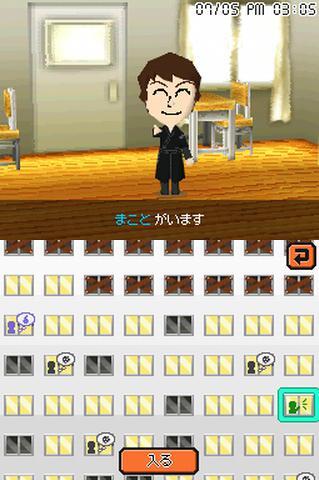
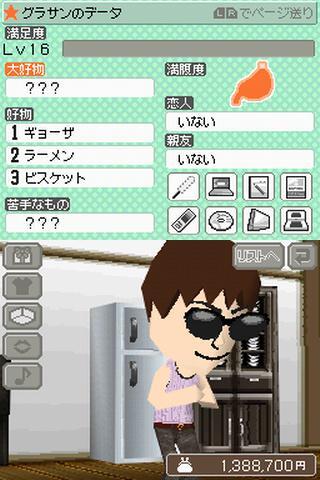
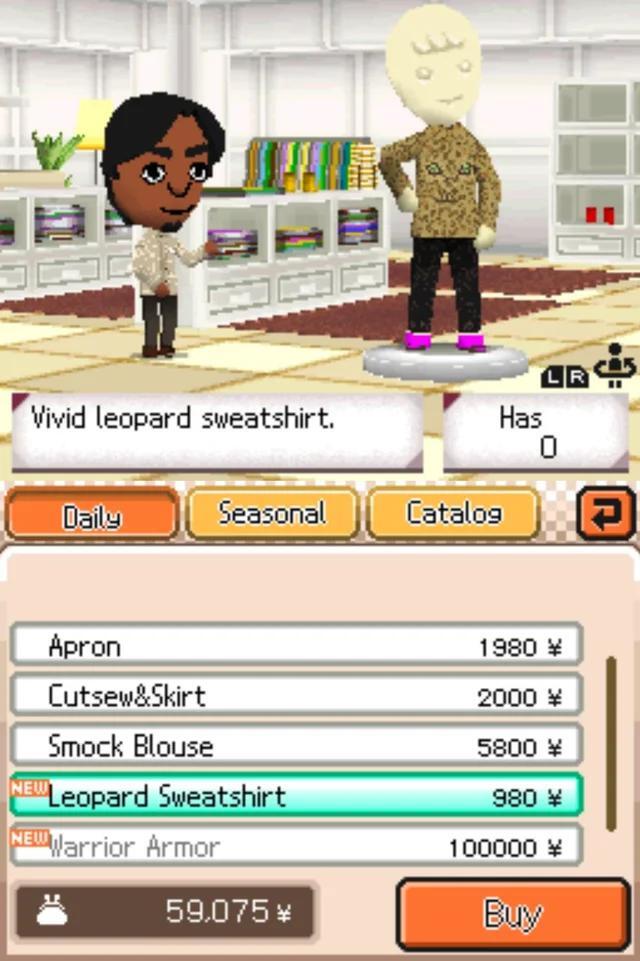
The original game and its later expansion through Tomodachi Collection: New Life on Nintendo 3DS built an audience that loved watching little Mii-like characters live the kind of petty, ridiculous lives humans usually reserve for soap operas. They fight, confess feelings, get married, eat strangely, and generally behave like a fever dream with furniture. Nintendo sold the premise with a straight face, which is part of the joke.
And that straight face is the key. The series doesn’t rely on complex mechanics in the way a strategy game does, or the emotional manipulation of a big RPG cutscene. It relies on observation. You set up the island, the apartment blocks, the routines, then you watch. The comedy emerges from timing, repetition, and the game’s very specific refusal to explain itself too much. That’s why it sticks. It’s built like a toy box, but it plays like social satire. From my experience, that’s the kind of design that ages better than people expect. But that’s not all.
The Nintendo Japan Tweet That Reignited the Meme
Speaking of which... the tweet from Nintendo Japan did what good platform posts often do when they’re not trying too hard: it reminded people that the thing existed, and then politely stepped aside while the audience did the rest. No desperate hype. No overcooked corporate slang. Just a nudge, and the internet took the wheel.
That matters because Nintendo’s own social media in Japan often understands restraint better than Western brand accounts. It doesn’t always need to perform excitement. Sometimes it just needs to reopen the door. In this case, the tweet acted like a signal flare for fans who already had the game stored in their collective memory, waiting for an excuse to post clips, screenshots, and jokes again.
And once that starts, the content machine does its thing. People share the most ridiculous character interactions. Others post old memories of watching friends create hilariously cursed Miis. A few latecomers ask what on earth this thing is, and that question itself becomes fuel. That’s the reason the revival feels organic rather than manufactured. The internet loves a game that behaves like a social experiment, especially when the official account gives it a clean, low-pressure prompt. On the flip side, plenty of revivals are loud and dead on arrival. This one had actual texture.

Why VTubers Keep Feeding the Tomodachi Collection Effect
Guess what? The VTuber wave may be the most important part of this comeback. Not because VTubers invented the interest, but because they gave it a constant stream of live, reactive visibility. When a VTuber plays a social sim like Tomodachi Collection, you’re not just watching gameplay, you’re watching improvisation. The reactions are the product.
That’s a perfect fit. VTubers already operate in a space where persona, audience participation, and spontaneous bit-making matter more than raw mechanical mastery. Tomodachi Collection gives them a stage for absurd character drama, and the audience gets to watch the joke develop in real time. The result is sticky. Clips spread. Reaction images spread faster. Then somebody who has never touched a Nintendo DS suddenly wants in.
Why this works so well online
The reason is simple: the game produces readable comedy at a glance. You don’t need a long explainer to understand that a character falling in love with the wrong person, or singing a bizarrely earnest song, is funny. That makes it ideal for short-form video, live streams, and clipped reposts on platforms like YouTube and X. VTubers just accelerate the loop.
I especially like this because it shows how Japanese media ecology works in practice, not in theory, on paper. A 2009 Nintendo DS game, a 2024-ish social media environment, and performer-led streaming culture all reinforce one another. That’s not accidental. It’s the kind of cross-media circulation Japan has been good at for decades, even if people keep acting surprised when it happens again. Convinced yet?
What Tomodachi Collection Means for Japanese Learners
Imagine a narrow alley in Tokyo. You hear fragments of conversation, half a joke, a nickname, maybe a tiny argument about lunch. Tomodachi Collection operates on a similar principle, just with cleaner UI and fewer bicycles. It’s full of everyday language and social situations, which makes it useful terrain for learners who want to hear how Japanese humour frames ordinary life.
If you’re studying Japanese, pay attention to the vocabulary around relationships, emotions, and routine activities. Words like tomodachi, 家庭 (katei, household; family), 失恋 (shitsuren, heartbreak), and 生活 (seikatsu, daily life) are the obvious starting points, but the more interesting lesson is pragmatic. The series plays with indirectness, politeness, and the gap between what characters say and what the situation clearly means. That gap is where a lot of Japanese comedy lives.
My tip: if you’re learning, don’t just chase isolated words. Notice how the game stages social tension with very simple language. That’s the useful part. You can hear how Japanese often softens conflict, how characters make themselves sound more awkward than hostile, and how jokes rely on shared context rather than explanation. It’s a small thing, until suddenly it isn’t. Not bad, right?
And here’s the bigger point. Tomodachi Collection’s revival isn’t merely nostalgia for a DS oddity. It’s evidence that Nintendo still owns a deep archive of oddball concepts that can return whenever the culture gives them oxygen. The 3.8 million sales tell you the series was always bigger than it looked. The Nintendo Japan tweet explains how easily that memory can be reactivated. The VTuber wave explains why it spreads now, not ten years ago. Which is why Tomodachi Collection is back, and now you know exactly why that is.
In pictures
Frequently Asked Questions
What is Tomodachi Collection?
It is a Nintendo social simulation game where players watch and influence the lives of virtual characters.
Why is it suddenly popular again?
A Nintendo Japan tweet, meme culture, and VTuber streams pushed it back into the spotlight.
Is it useful for Japanese learners?
Yes, because it reflects everyday language, social interaction, and comedy built around context.


