
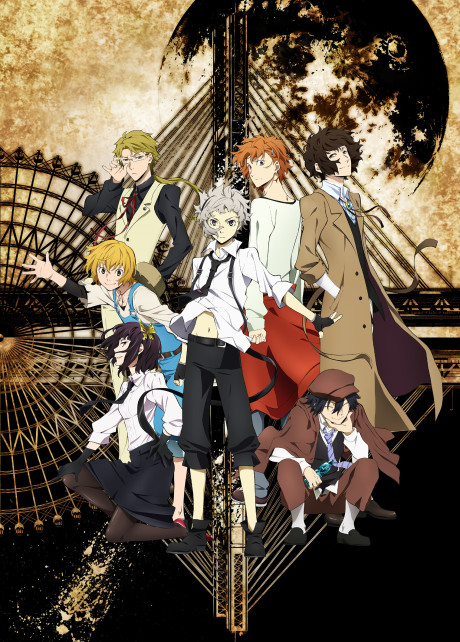
What makes it work is the mix of character design, zoo atmosphere, and Japanese fan culture. It’s not just a display; it’s a full outing, and there are a few details here that Japanese learners will want to notice too.



Picture this: you’re walking through Tobu Zoological Park, and instead of a standard anime promo poster, you get Bungou Stray Dogs characters dressed in 浴衣 (yukata, light summer kimono). That’s the kind of collaboration Japan does so well, and the third round of this event is a nice reminder that anime tie-ins can feel seasonal, playful, and very collectible.
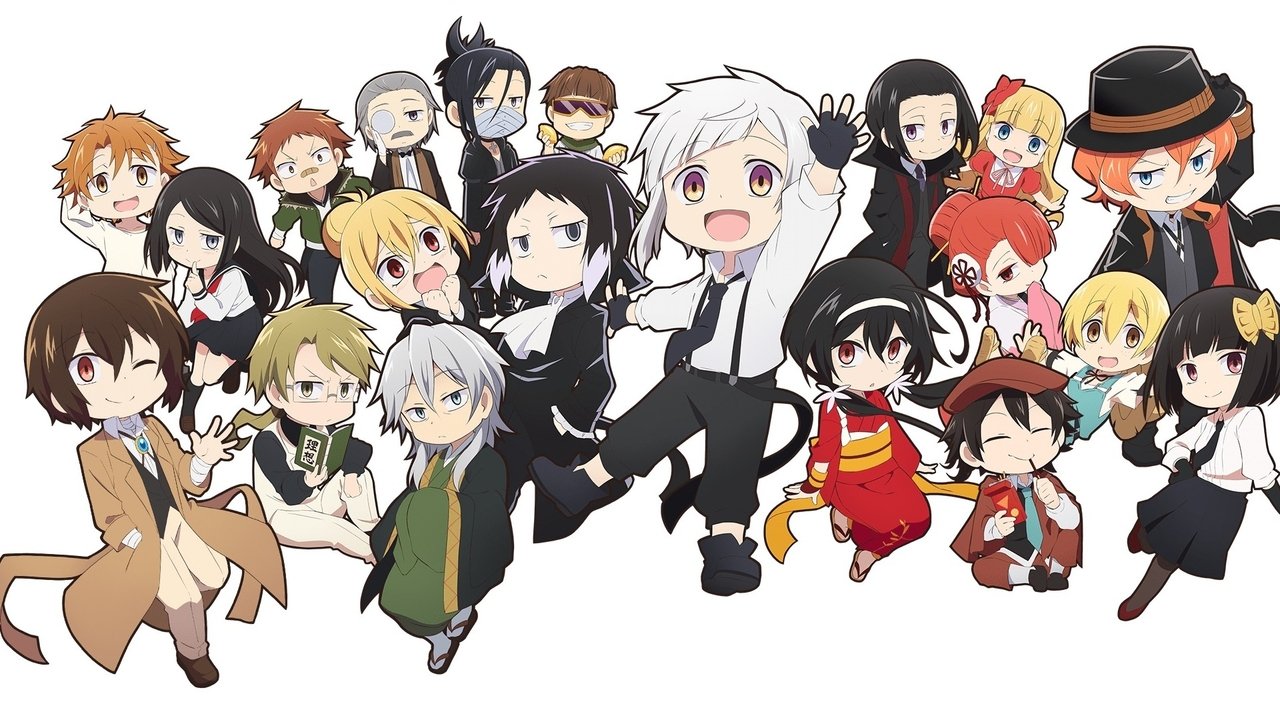
The new collaboration with Tobu Zoological Park, located in Saitama Prefecture, continues a series that has clearly found its audience. Bungou Stray Dogs already has strong pull among fans because of its sharp character work and literary references, and zoo events give the franchise a more relaxed, family-friendly setting. No wonder, because the setting changes everything.
For Japanese language learners, this kind of news is also a neat vocabulary lesson. Words like コラボ (kollabo, collaboration) (collaboration), yukata (light summer kimono), and goods (merchandise, usually just said as-is in Japan) show up all the time around anime events. If you read Japanese event pages often, you’ll spot the same structure again and again, and that makes them easier to follow next time. From my experience...
Bungou Stray Dogs x Tobu Zoo: why the third round matters
Bungou Stray Dogs has been a steady name in anime and manga since the TV anime first aired in 2016, with later seasons keeping the fanbase active. That matters here, because third-round collaborations usually mean the first two worked well enough to justify another run. In Japan, that’s a strong signal that an event has both fan appeal and solid sales potential.
The reason is simple: zoo collaborations give fans a real place to visit, not just a webshop page. You get the entertainment value of anime, then the slow, walk-around pace of a zoo, which is very different from the usual pop-up store rush. On the flip side, it also means the event can appeal to people who don’t usually chase anime merch, especially if they’re already planning a weekend outing.
What most people don't know: Tobu Zoological Park isn’t only a zoo, it’s also an amusement park, so the setting has a built-in “day out” feel. That combination fits Japanese event culture perfectly. Fans can take photos, shop for goods, and still enjoy the grounds. Not bad, right?
Yukata artworks, zoo atmosphere, and why fans love this kind of collab
Trust me on this one: character artwork can make or break an anime collaboration. Here, the yukata styling gives the Bungou Stray Dogs cast a summer-event look that feels very Japanese without becoming overly formal. It’s a smart choice, because yukata carry strong seasonal associations in Japan, especially with 祭り (matsuri, festival), fireworks, and warm-weather outings.
Why yukata art hits so hard
When characters are drawn in yukata, fans immediately get a different mood. The outfits soften the usual action-heavy image of the series, and that contrast makes the artwork more memorable. For collectors, that usually means prints, acrylic stands, clear files, and key chains suddenly become more desirable, because the art feels tied to a specific season and place.
What I especially like: zoo collabs avoid feeling too commercial when the artwork is done well. A well-designed visual can make a simple park visit feel like part of the story world. Classic Japan, isn't it?
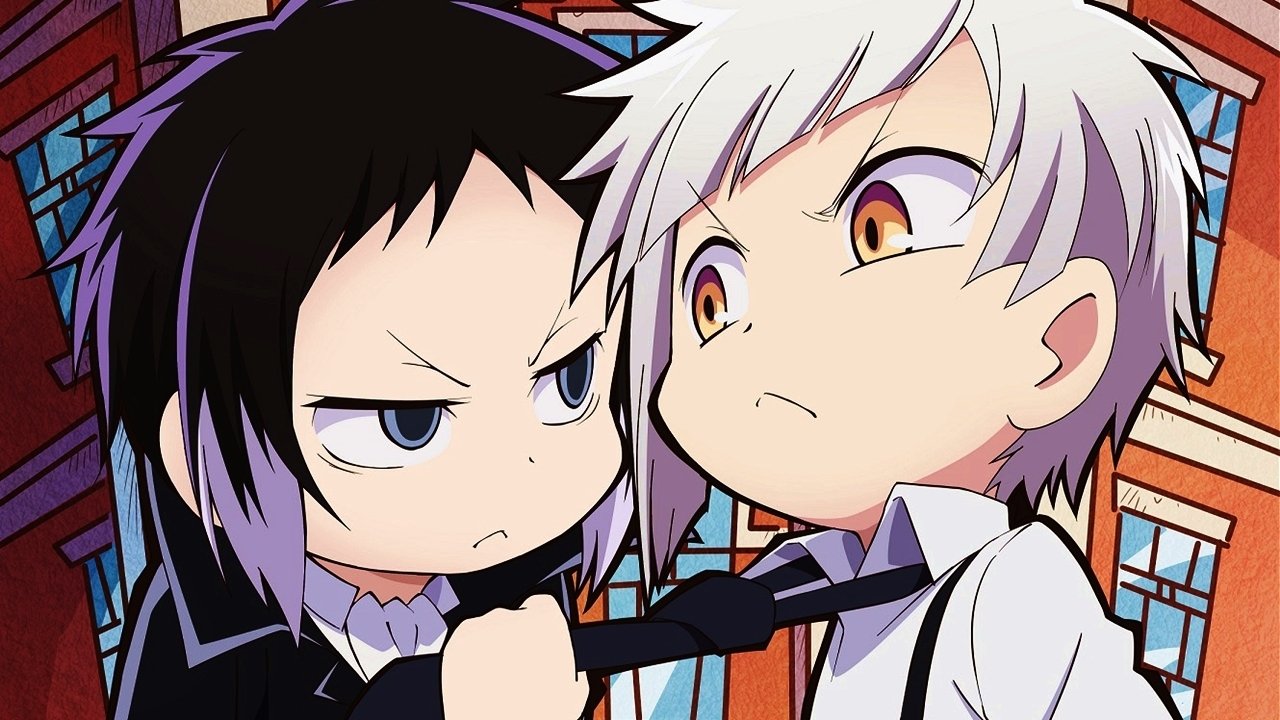
And let’s be honest, Japanese fans love limited-time timing. If something is only available for a short run, it instantly gets more attention. That’s why the event structure matters almost as much as the art itself. From my experience...
Collectible goods and event culture at Tobu Zoological Park
Fans can expect the usual collaboration-style goods, the kind that sell out because people want something physical to remember the visit by. In Japan, these goods often become part of the event itself, not just an extra purchase. A clear file with special artwork, for example, is tiny, practical, and easy to keep, which is exactly why it’s so popular.
Oh, almost forgot: zoo collaborations often work better than you’d think because they create a full route for the day. You go in, look for the collaboration displays, buy goods, take photos, and maybe stay for the animals. That rhythm fits Japanese leisure culture very well, especially for fans who enjoy spending time without rushing.
No exaggeration: this is the kind of event that can appeal to seasoned anime collectors and casual visitors at the same time. If you’re a learner of Japanese, pay attention to the event language too. Phrases like 期間限定 (kikan gentei, limited-time) (limited period) and コレクション (korekushon, collection) (collection) show up often in promo text, and once you know them, event pages become much easier to read. Insider tip:
What Japan fans should watch for in the next round
If you’re following anime collabs in Japan, the third round of Bungou Stray Dogs x Tobu Zoological Park is worth watching as a pattern, not just as a single event. Repeat collaborations usually point to healthy fan demand, and they also tell you which kinds of venues work best for which fandoms. A zoo is a clever match here, because it gives the franchise a softer, more seasonal face.
For overseas fans, the practical lesson is simple. If you ever visit Japan during an anime tie-in, check whether the venue is near a train line, whether goods are limited, and whether the artwork is tied to a season like summer or autumn. That’s where the real value is, not just in the poster, but in the whole experience. Personally...
My tip: if you’re learning Japanese, look at these event announcements as reading practice. They’re short, visual, and packed with repeatable vocabulary. You’ll see character names, dates, venue names, and purchase details all in one place, which is much more useful than memorising random word lists. Convinced yet?
Frequently Asked Questions
What is the Bungou Stray Dogs x Tobu Zoo event?
It is a third collaboration between the anime franchise and Tobu Zoological Park, featuring special artwork and related merchandise.
Why are zoo collaborations popular in Japan?
They turn an anime promo into a full day trip, which makes the event feel more memorable and practical for fans.
What kind of goods are usually sold at events like this?
Common items include clear files, acrylic stands, key chains, posters, and other limited-time collectibles.

