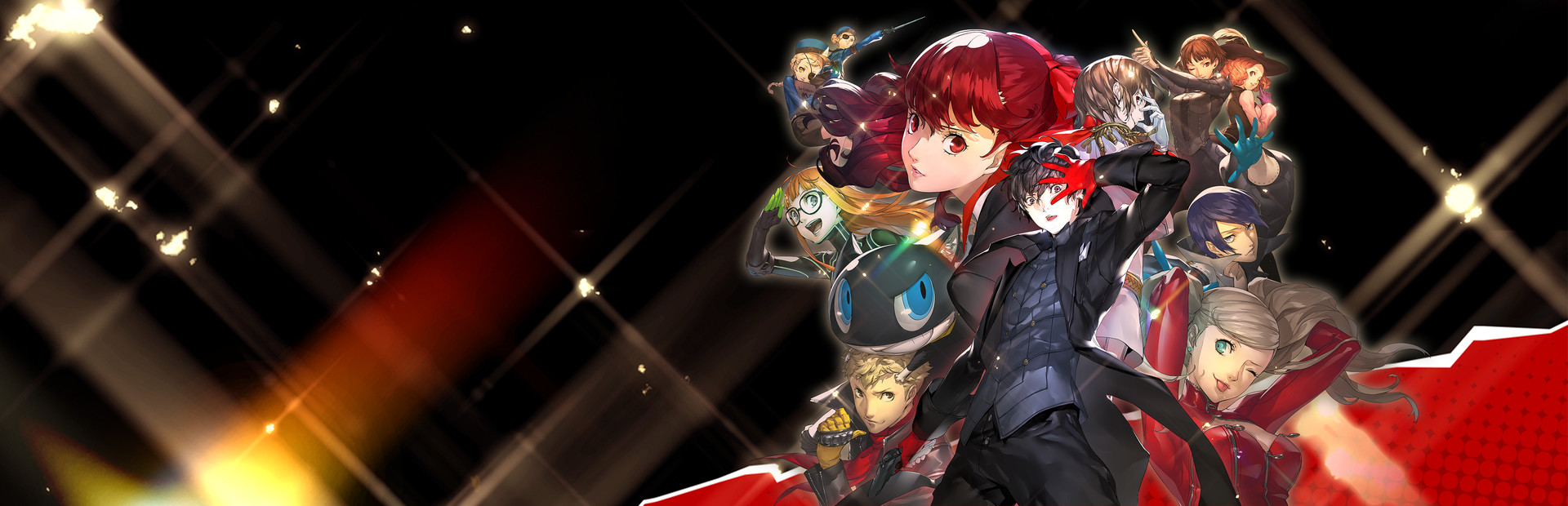
What makes this Newgrounds piece worth talking about isn’t just that it uses two popular characters. It knows how to turn a fandom shorthand into something with real chemistry, which is rarer than people like to admit.
![Dragon Ball Z: Kakarot [Master Edition]](https://s.pacn.ws/1/p/1eh/dragon-ball-z-kakarot-master-edition-908785.1.jpg?v=t8ja8t&width=400)
Rise Kujikawa and Kanji Tatsumi in Persona 4 Fan Art
What most people don’t know is that a good Persona 4 crossover doesn’t need a huge premise. It needs two characters with immediately readable silhouettes, strong emotional contrast, and just enough shared weirdness to make the joke feel earned. Rise Kujikawa and Kanji Tatsumi tick all three boxes, which is why this kind of fan art keeps showing up years after Persona 4 first launched on PlayStation 2 in 2008.

Rise brings idol polish, stage-ready confidence, and the kind of public persona that looks effortless until you remember it’s literally her job. Kanji, meanwhile, is all blunt edges, sewing needles, and that excellent Persona 4 habit of hiding softness under a lot of posturing. Put them together and you get a pairing that reads instantly, even before you know whether the artist is going for comedy, romance, or fandom inside baseball. That flexibility is half the appeal. See what I mean?
Why This Crossover Works So Well
Basically, both characters are about performance, just in very different registers. Rise is a celebrity learning how to be herself again after being reduced to a marketable image. Kanji is a tough-looking boy who gets treated as a joke because he likes things that are coded as feminine, then spends the game slowly learning that liking what you like isn’t a crime. The thematic overlap is obvious once you stop looking only at the surface.
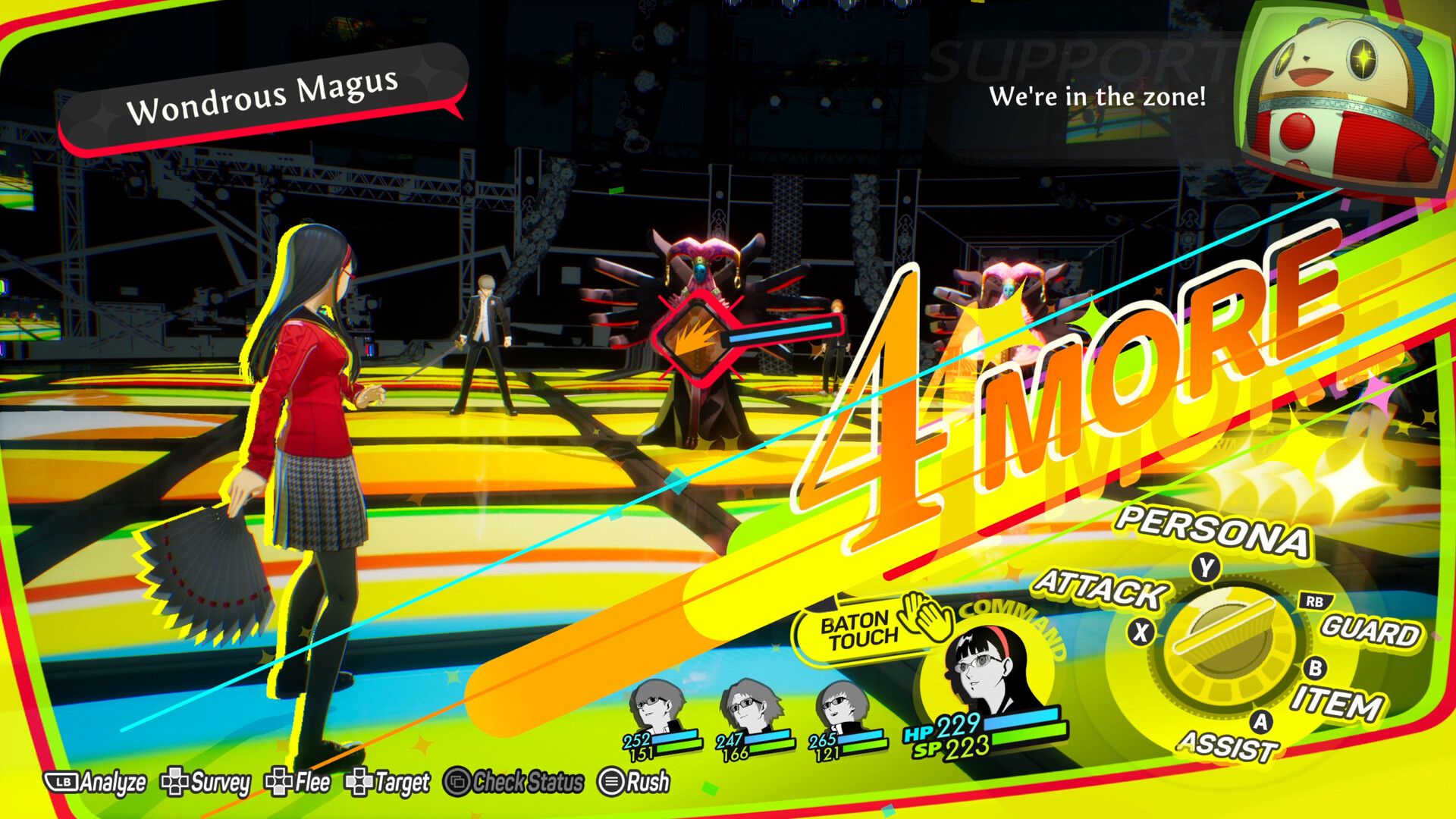
Seriously though, this is where Persona 4 tends to reward people who actually pay attention. The game’s social links are built on confession, embarrassment, and social repair. Rise’s route opens up questions about fame and selfhood, while Kanji’s pushes hard against gender assumptions and the social panic that comes with them. Fan artists understand that tension instinctively, because they’re not just drawing faces, they’re drawing a relationship between two kinds of misread identity.
Small details do the heavy lifting
Here’s the kicker: the best fan art doesn’t need elaborate background lore to sell the pairing. A glance, a pose, a costume swap, a shared prop, even just the choice of colours can carry the whole piece. Rise’s brighter palette can be used to frame Kanji as comic relief, or to soften him into something more vulnerable. Kanji’s heavier visual design can make Rise look even more polished, which sounds simple until you realise how much composition work that takes in practice, not just in theory.
My tip is simple: if you want to understand why a crossover like this works, look at the hands and posture first. Artists who know what they’re doing use body language to explain the relationship before a single line of text appears. That’s true in anime production too, honestly. Visual storytelling is doing a lot more labour than most people give it credit for. Convinced yet?
The Newgrounds Fan Art Angle
On a related note, Newgrounds is still one of the internet’s most interesting homes for fan art because the site rewards directness. It grew out of a flash-animation and art culture where creators had to get the idea across fast, and that bluntness survives in a lot of the work posted there. The Rise and Kanji piece by maxicranky sits squarely in that tradition, using a clean, readable setup instead of burying the joke under layers of noise.
Compared with back home, a lot of mainstream fandom art on bigger platforms gets flattened by algorithm habits. Same poses, same lighting, same safe reactions. Newgrounds still has a slightly scrappier energy, and I mean that as praise. The platform encourages artists to be a bit weirder, a bit more specific, and a bit less afraid of looking like they actually have an opinion. That matters when you’re drawing a Persona 4 pairing, because blandness kills character contrast instantly.
The best part is that fan art crossover culture like this is also a useful language lesson if you’re learning Japanese. You’ll keep seeing words like 青春 (seishun, youth; adolescence), 気持ち (kimochi, feeling; emotion), 失礼 (shitsurei, rude; impolite), and 真面目 (majime, serious; earnest) in discussions about characters, and each one carries more social texture than a simple dictionary translation suggests. If you know that Kanji’s appeal is partly about his ツンデレ (tsundere, a character who acts cold but is secretly affectionate)-adjacent emotional defensiveness, or that Rise’s idol image sits inside a very Japanese entertainment system, then you’re reading the fandom with better eyes. Wait, there’s more.

Persona 4, Fandom Memory, and Why These Two Endure
Let’s be honest: part of the reason this crossover works is that Persona 4 has a fandom that never really went away. Persona 4 Golden arrived on PlayStation Vita in 2012, later moved to PC in 2020, and suddenly a whole new wave of players got to argue about Inaba all over again. That’s the kind of release history that keeps fan art alive, because every port brings new viewers to old character dynamics.
I still remember exactly how often Rise and Kanji showed up in early fan communities, especially when people were trading reaction images, sketch dumps, and crossover jokes on art sites and forums. They’re not the most obvious duo if you only look at the game’s canonical social structure, but fandom doesn’t run on canon alone. It runs on visual rhythm, personality friction, and the joy of taking two established figures and asking, what happens if we put them in the same frame and let them spark a little?
Unlike what we’re used to, that spark doesn’t have to be romantic to matter. It can be playful, protective, teasing, or purely aesthetic. In fan art, specificity beats neutrality every time. And in Persona 4, where everyone is carrying some version of a hidden self, a crossover between Rise Kujikawa and Kanji Tatsumi feels less like random shipping bait and more like an especially sharp reading of the material. Classic Japan, isn’t it?
Frequently Asked Questions
Who are Rise Kujikawa and Kanji Tatsumi?
They are characters from Persona 4, one a former idol and the other a motorcycle-loving student with a strong sense of style.
Why do fans pair them in fan art?
Their personalities and visual designs contrast strongly, which makes them easy to frame as funny, stylish, or emotionally revealing together.
Why mention Newgrounds?
Because it remains a notable place for fan art that feels direct, personal, and a little less polished in the best possible way.