And if you’re into Japanese games, or you’re learning Japanese through them, there’s a lot to unpack here, from how publishers define success to why these two titles matter so much over the next few years.
![Dragon Ball Z: Kakarot [Master Edition]](https://s.pacn.ws/1/p/1eh/dragon-ball-z-kakarot-master-edition-908785.1.jpg?v=t8ja8t&width=400)


SEGA's 5 Million Sales Forecast Is a Big Deal
Okay, here’s the thing. SEGA isn’t tossing around a random dream number here. The company has said it expects its flagship games to clear 5 million lifetime sales, and that bucket includes Persona 4 Revival and Stranger Than Heaven. That’s a serious threshold, especially when you’re talking about games that haven’t even fully landed yet. No exaggeration: this is SEGA drawing a line between ordinary releases and the titles it believes can carry an entire business cycle.
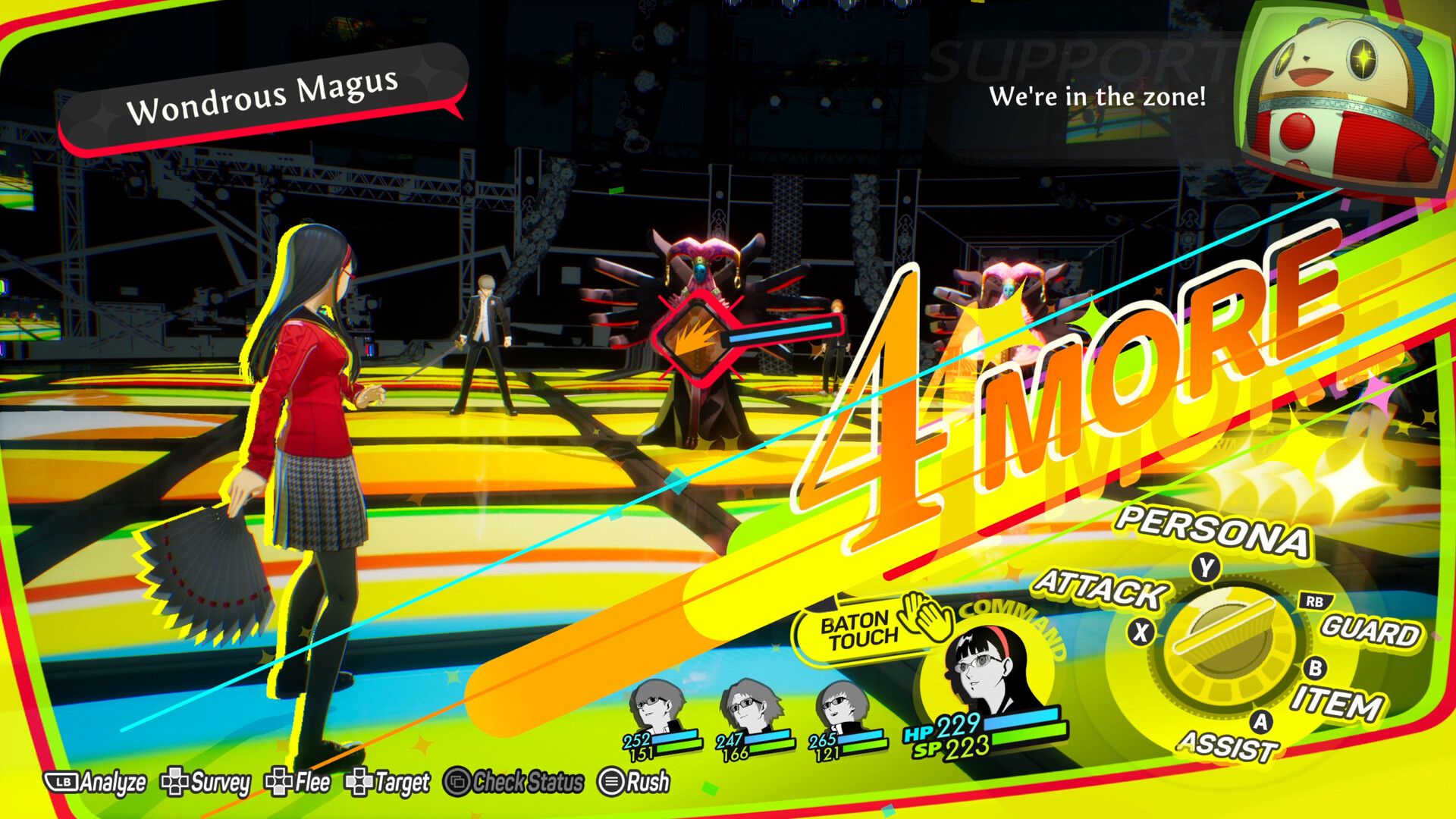
Basically, 5 million isn’t a cute little milestone. It puts a game in a different league, where sales forecasts, marketing budgets, platform strategy, and long-tail catalogue revenue all start to matter in a much bigger way. For a publisher like SEGA, that matters because the company has spent years balancing classic Japanese IP, international growth, and the realities of a very expensive games market. When you see that number attached to two specific titles, you know management sees them as more than fan service. See what I mean?
What most people don't know: in Japanese business reporting, the term shukuhai can get thrown around in broader financial discussions, but what SEGA is really signalling here is closer to 本戦 (honsen, main battle; decisive contest), the real battle for market share and attention. That sounds dramatic, but it’s true. The battle isn’t just for existing fans. It’s for new players, repeat purchases, and the kind of long-term brand pull that keeps a game alive for years.
Persona 4 Revival and Stranger Than Heaven as Flagship Titles
Let me show you why these two games matter so much. Persona 4 Revival is the obvious headliner for a lot of people, because the Persona brand has already become one of the most internationally recognisable Japanese RPG names out there. The original Persona 4 launched in 2008 on PlayStation 2, and it later expanded through Persona 4 Golden, which helped the series reach an even wider audience on modern platforms. A full revival puts that legacy back in the spotlight, and SEGA clearly thinks the demand is still massive.

Stranger Than Heaven is the more intriguing piece of the puzzle. It's less of a nostalgia play, more of a statement about future IP. When a publisher groups a new title into the same sales tier as a monster-name franchise like Persona, it suggests real confidence in the concept, the production values, and the market positioning. That’s why this isn’t just about one known hit and one unknown quantity. It’s about SEGA building a two-track strategy, one proven, one ambitious. Pretty bold, really.
Why the 5 Million Mark Changes the Conversation
Take Persona 4 Revival, for instance. If it lands well, the game doesn't just sell once and disappear. It can drive edition upgrades, platform re-releases, streaming visibility, soundtrack sales, merchandising, and a long tail of word-of-mouth. That's the part that investors and analysts care about. A 5 million lifetime forecast tells you the company expects the title to keep earning long after launch week, and maybe long after the first year too.
For Stranger Than Heaven, the same number works differently. It becomes a signal of trust. New IP usually gets judged on risk, but when management publicly places it in a flagship tier, that lowers the perceived uncertainty. The game now enters the market with a kind of built-in credibility, which can help with partners, retailers, and fans who are deciding whether to pay attention. That’s why the number matters just as much as the name attached to it. And there’s more.
What This Means for Japan Fans and Japanese Learners
Let's be honest: if you follow Japanese games, these business targets aren't dry accounting trivia. They tell you how publishers see their own identity. SEGA's message is that it wants global hits, but it still wants them to feel distinctly Japanese in tone, style, and storytelling. That combination is a big reason why Persona keeps resonating outside Japan. You get school life, social bonds, and emotional storytelling, but wrapped in a production scale that feels next generation.
For Japanese learners, this is also a nice reminder that game news can be a practical language gateway. Words like 市場 (shijo, market), 戦略 (senryaku, strategy), and 主催 (shusai, hosting; organizer) come up all the time in Japanese business coverage, and game announcements often use a similar vocabulary of growth, expectations, and projected sales. I especially like that because it gives you real context instead of memorised textbook phrases. My tip: when you read Japanese gaming news, track not just the title names, but the verbs around them. You'll start noticing how companies frame success, and that’s incredibly useful. A handy extra: the wording around future sales can tell you almost as much as the sales figure itself.
Compared with back home, Japanese publishers often communicate with a mix of restraint and confidence. They won't always shout, but when they attach a 5 million expectation to a title, they are absolutely speaking loudly. And for fans in Tokyo, that kind of announcement lands like a quiet flex. You can almost feel the corporate confidence in it. But that’s not all.

My Take on SEGA's Strategy
What I especially like here is the balance. SEGA isn't betting everything on one old favourite, and it isn't gambling only on brand-new IP either. It's doing both at once. Persona 4 Revival gives the company a high-probability anchor, while Stranger Than Heaven gives it upside. That mix is what healthy Japanese publishing looks like when it's working properly.
And honestly, I think the 5 million target is more useful as a signal than a prediction. It tells fans where SEGA wants these games to sit in the market. It tells analysts where the company sees growth. And it tells the rest of us that Japanese game publishing still has room for huge, ambitious swings, not just safe sequels. That’s the real shift. We get legacy, we get risk, and we get a pretty clear business roadmap in the same announcement.
So yes, SEGA expects 5 million sales from Persona 4 Revival and Stranger Than Heaven. That is a very loud number, even if the press release style stays politely Japanese about it. I try to make every forecast better than the last, and that's the whole point. If you care about Japanese games, this is one to watch closely. See what I mean?
In pictures

Frequently Asked Questions
Why is a 5 million sales forecast important?
Because it usually marks a title as a major flagship release, not just a standard launch.
Are Persona 4 Revival and Stranger Than Heaven both expected to hit 5 million?
Yes, SEGA has grouped both titles into its flagship sales expectations.
What does this mean for fans?
It suggests SEGA is investing heavily in both games and expects strong long-term support.