
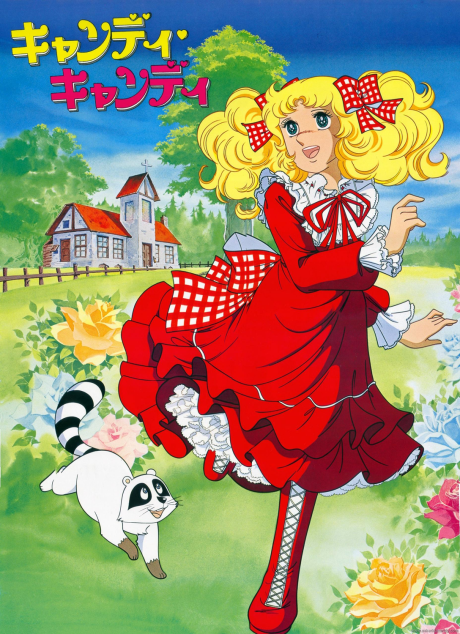
Trust me on this one: if you love Japanese pop culture, this is the kind of star event that makes a trip across town feel like a trip back in time. The reason’s simple: Igarashi's work helped define an era, and it still hits hard today.



Yumiko Igarashi is coming to Bellinzona, and that alone is enough to make many manga fans sit up straight. The artist behind Candy Candy and Georgie will be a special guest at the comics fair in the Swiss city, turning Bellinzona into a nostalgia stop for anyone who grew up on classic 少女 (shoujo, girl / girls' (as in girls' manga)) manga.
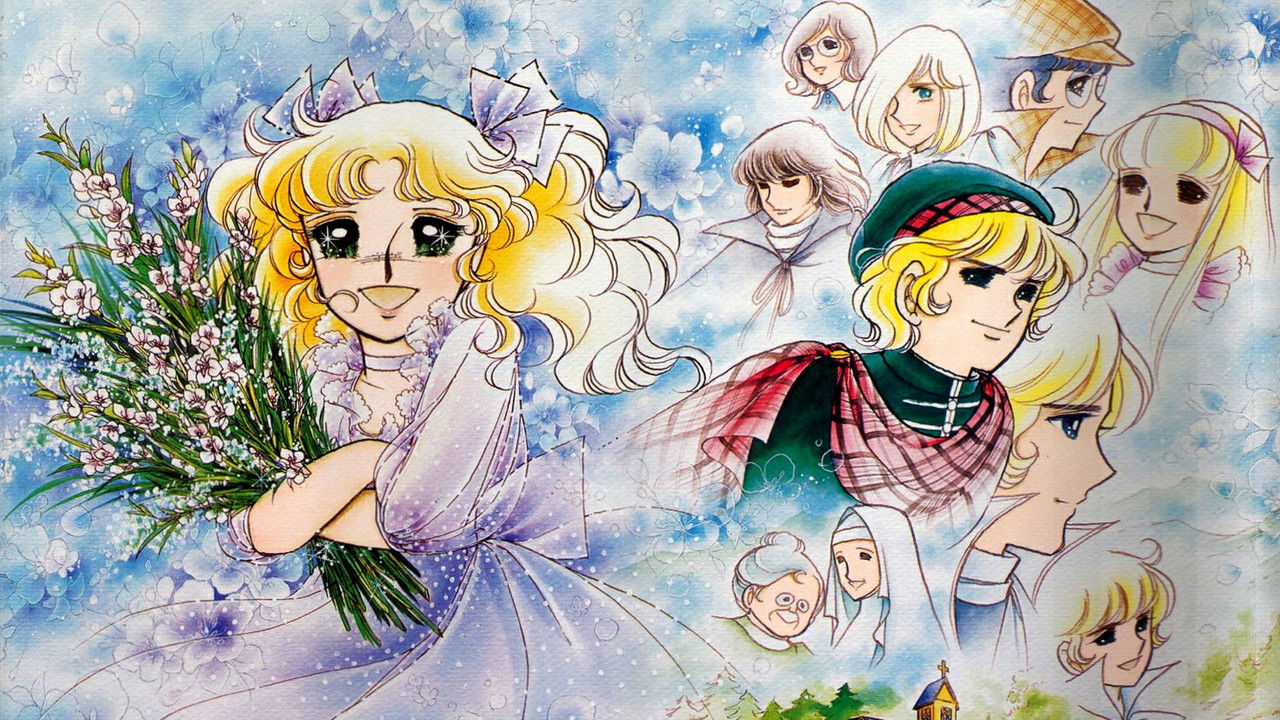
Seriously though: this isn't just another autograph event. It’s a chance to see a living piece of manga history up close, in a city that already knows how to celebrate comics with style. Sounds good, right?
Yumiko Igarashi in Bellinzona: the star event manga fans wanted
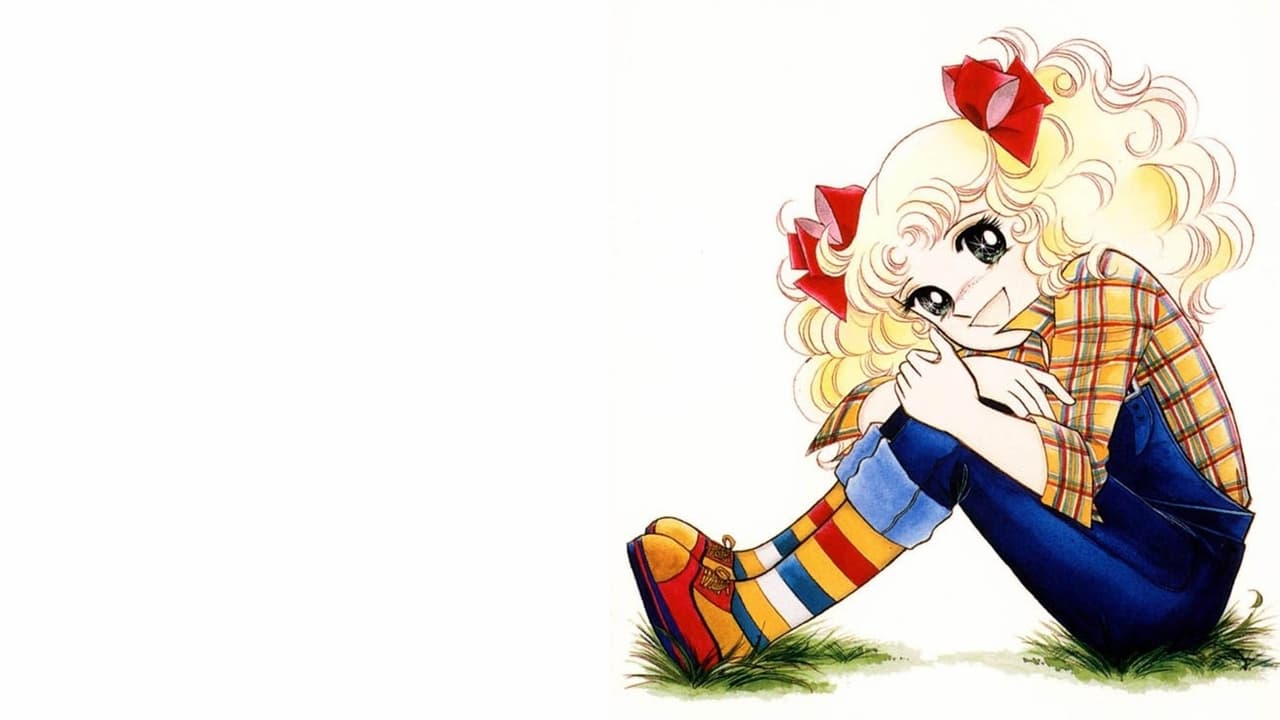
The Bellinzona appearance gives fans something rare, a direct link to one of the most recognisable names in 1970s and 1980s girls' manga. Igarashi is closely associated with the look and emotional tone of Candy Candy, the series that first appeared in 1975, and Georgie, which began in 1982. Those titles weren't just popular; they were formative for readers who discovered that manga could be tender, dramatic, and deeply romantic all at once.
Know that feeling when a character design instantly takes you back to your childhood shelf? That’s what Igarashi does. Her flowing hair, expressive eyes, and soft linework became part of the visual language of shoujo manga. No wonder, because her art still feels instantly recognisable even decades later.
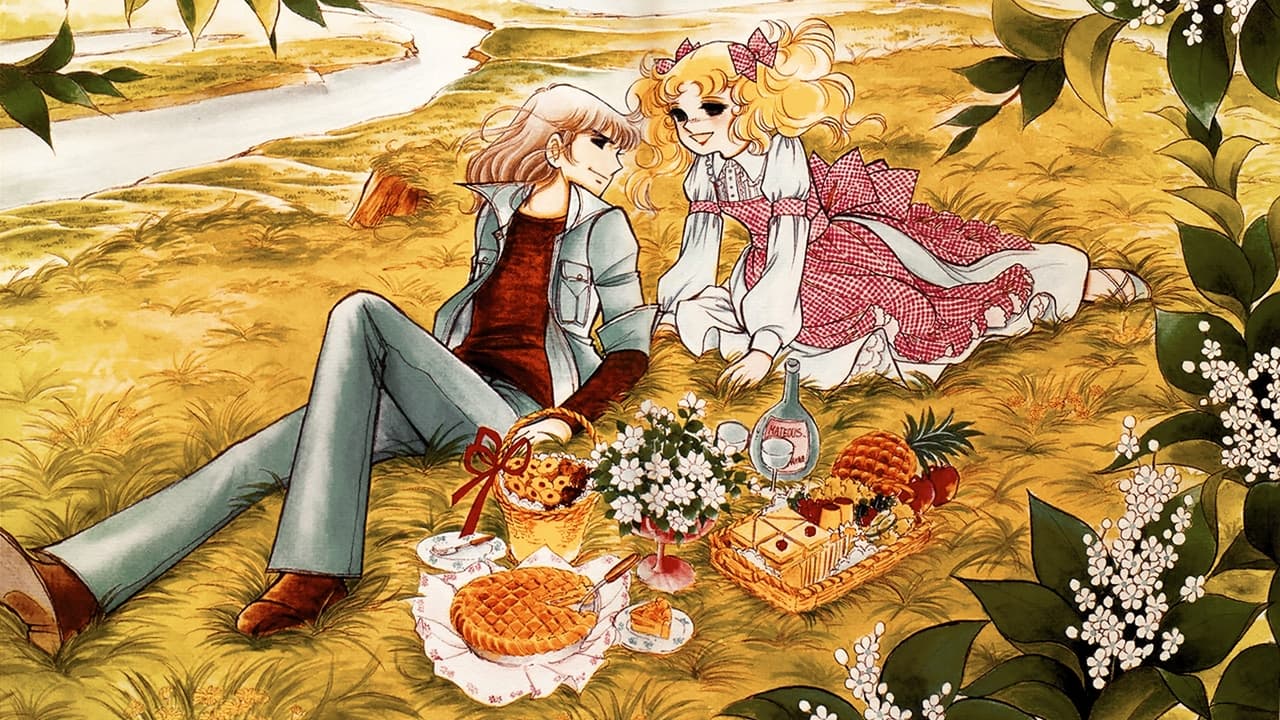
Why Candy Candy still matters
Candy Candy is the big nostalgia trigger here. The story of Candice White, with its orphanage beginnings, emotional losses, and stubborn hope, reached readers across Japan and far beyond. It was also adapted into an anime in 1976, which helped make the series a household name.
Compared with back home, where many manga fans first met Igarashi through old TV reruns or worn-out paperbacks, a live appearance gives the fandom a new kind of connection. You’re not just revisiting a title; you’re meeting the person whose style helped make it unforgettable. Simply brilliant.
Bellinzona, comics fairs, and why this matters now
Bellinzona might not be the first place you think of when you picture a major manga moment, and that’s exactly why this event stands out. The city, known for its historic castles and its calm, compact centre, is also a fitting place for a comics fair that mixes international guests with a strong fan atmosphere. Hand on heart: that contrast makes the whole thing more charming.
The comics fair setting matters too. A guest like Igarashi does more than sign books, she anchors the event. Fans who come for the fair can browse, shop, and then step into a live encounter with a creator who shaped the emotional side of shoujo manga. For collectors, that means sketches, signed volumes, maybe even a rare chance to ask about the old days of serialisation and character design. See what I mean?
What fans of Japanese language and culture can learn here
For Japanese learners, events like this are great because they connect language with memory. You’ll hear terms such as shoujo, manga, and maybe even 先生 (sensei, teacher; master; expert) used in the way fans naturally use them. If you read Japanese books or watch Japanese interviews, spotting words like キャラクター (kyarakuta, character), 絵の具 (enogu, paint; pigments), or 恋愛 (ren'ai, romance; romantic love) in context can make vocabulary stick much better than flashcards alone.
My tip: if you follow manga creators, keep an eye on how their names are written and how their works are discussed in Japanese fan media. It helps you see the difference between a title's official history and the way readers talk about it casually. Sounds odd, but it’s true.
From Candy Candy to Georgie: Igarashi's legacy
What I especially like about Yumiko Igarashi is how her work bridges generations. Older fans remember the original runs, younger readers often discover the titles through reprints, collector editions, or streaming-era curiosity. That means her art keeps finding new audiences, even when the manga market has changed completely.
Georgie, adapted from a novel by Mann Izawa, showed another side of her range. It had the same emotional sweep, but with a slightly wilder energy and a different kind of heroine. When people talk about Igarashi, they’re really talking about an era when shoujo manga was building its own visual identity, panel by panel, tear by tear. Highly recommended: if you’re new to her work, look at both series and compare the mood, the pacing, and the character expressions.
To be fair, nostalgia can sometimes blur the details, but not here. These are landmark works, and they still matter because they helped shape how many readers understand romance, friendship, and resilience in manga. The Bellinzona event is a neat reminder that those older stories aren't locked in the past; they’re still being celebrated in public, with real people in the room. But that's not all.
And if you’re the kind of Japan fan who likes turning events into language practice, this is a good one to watch from a distance too. Read event announcements, look up creator bios in Japanese, and compare how media outlets describe Candy Candy versus Georgie. The reason’s simple: real context makes vocabulary stick, and a name like Yumiko Igarashi becomes much easier to remember when it’s tied to a place, a date, and a memory.
In pictures

Frequently Asked Questions
Who is Yumiko Igarashi?
She is a Japanese manga artist best known for Candy Candy and Georgie.
Why is the Bellinzona event important?
It brings a major shoujo manga creator to a live comics fair, which is rare and exciting for fans.
What makes Candy Candy so memorable?
Its emotional story, strong heroine, and iconic art style made it a classic across generations.


