Two Icons, One Box: Hokusai and Gundam Wing Collide
To appreciate what Bandai Spirits has done here, you need to understand just how culturally loaded both references are. On one side: 浮世絵 (ukiyo-e, pictures of the floating world) – the Japanese woodblock print tradition that flourished during the Edo period (1603–1868) and gave the world some of its most recognisable art. On the other: the Gundam franchise, which has been a cornerstone of Japanese pop culture since the original Mobile Suit Gundam aired in 1979.


The packaging illustration places Wing Gundam Zero beside a soaring eagle perched on a pine branch – a direct homage to Hokusai's 富嶽三十六景 (Fugaku Sanjūrokkei, Thirty-Six Views of Mount Fuji), the legendary print series produced between 1831 and 1833. Specifically, the composition draws from Sōshū Umezawa-zai, one of the lesser-cited but strikingly dramatic prints in the series that features an eagle dominating the foreground against Mount Fuji. Visual elements of Hokusai's world-famous Kanagawa-oki nami-ura – better known internationally as The Great Wave off Kanagawa – are also woven into the artwork, giving the packaging that instantly recognisable turbulent energy.

What makes this more than a clever marketing skin is that the eagle motif isn't confined to the box. The kit's own decal sheet carries eagle-themed designs that echo the Hokusai reference, meaning the visual language of Edo-period art literally extends onto the finished model. That kind of thematic consistency is rare at this price point.
Wing Gundam Zero: 90s Nostalgia with Global Reach
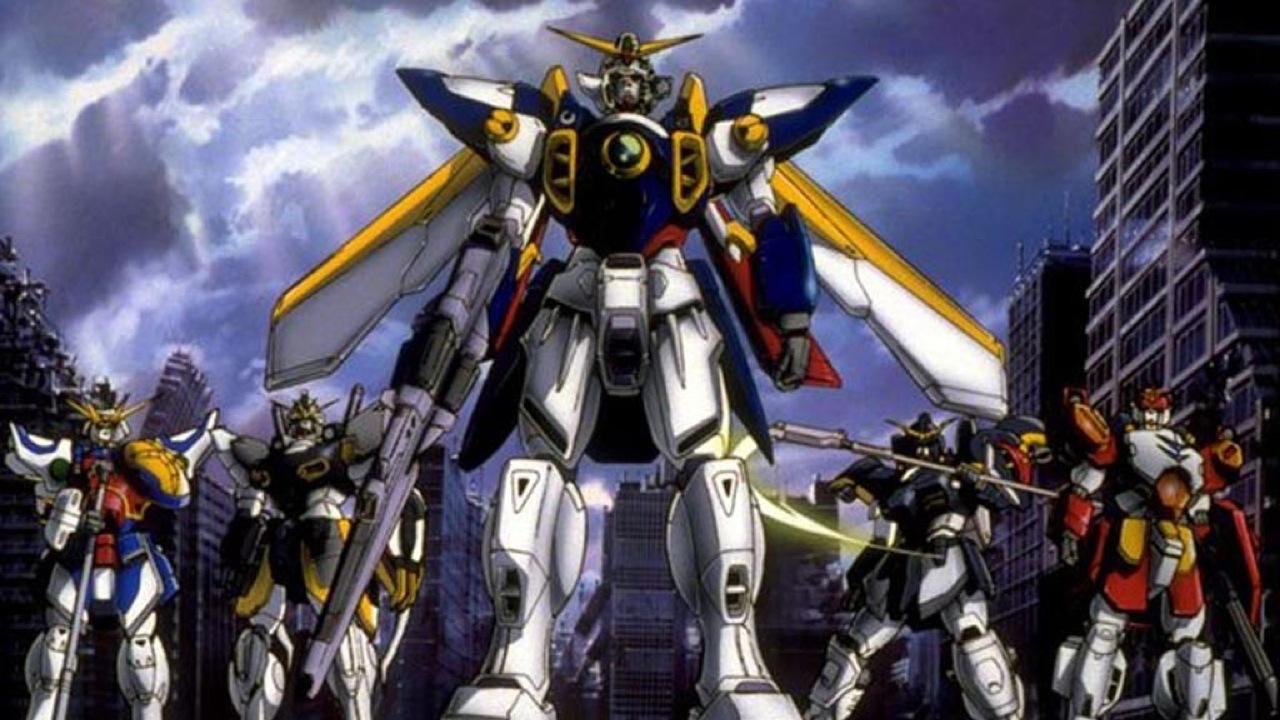
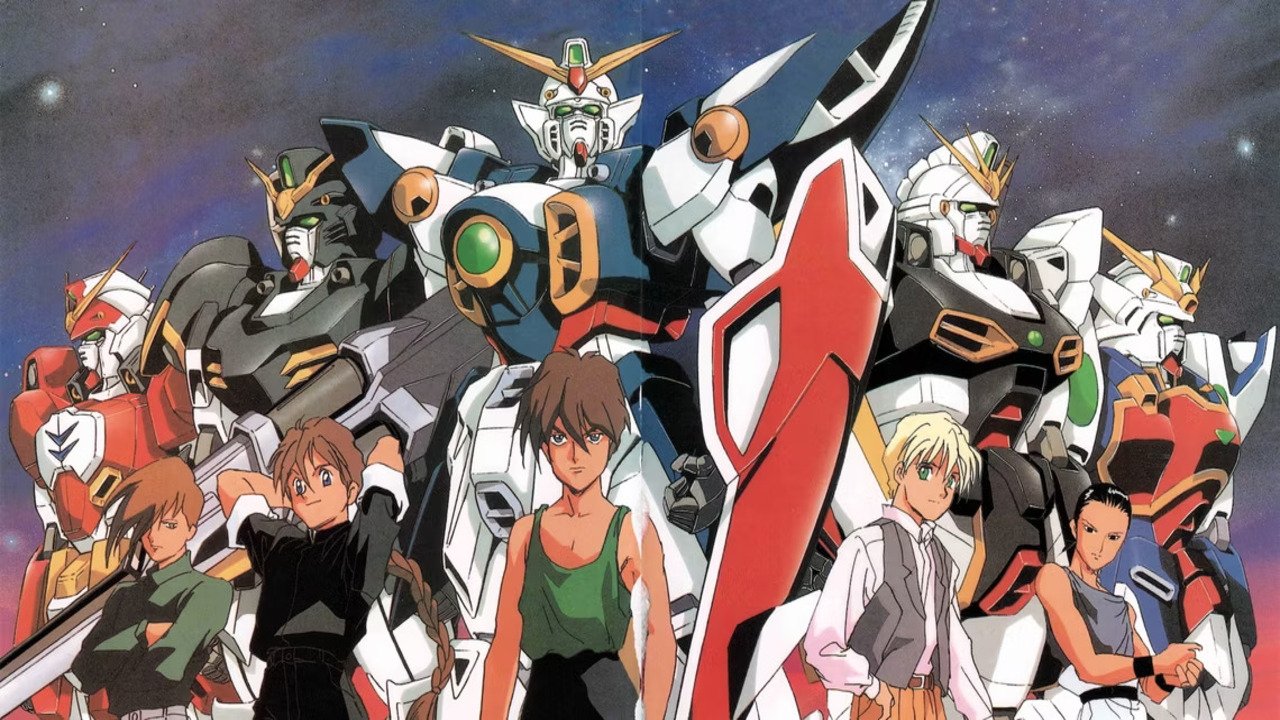
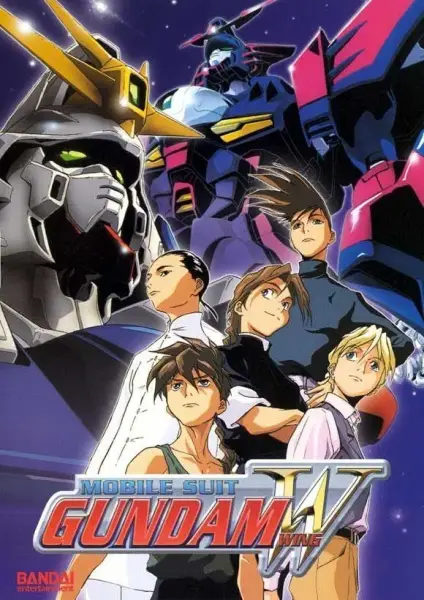
Wing Gundam Zero originates from Mobile Suit Gundam Wing, the 1995 TV series produced by Sunrise (now Bandai Namco Filmworks). In Japan, the series was already a cultural phenomenon – but its international footprint is arguably even more significant. When Cartoon Network's Toonami block broadcast Gundam Wing in the United States starting in 2000, it became the first Gundam series to reach a mainstream Western audience, introducing an entirely new generation to the franchise. For many fans now in their 30s and early 40s, Wing Gundam Zero is their entry point into the entire Gundam universe.
Pairing this particular mobile suit with Hokusai's Edo aesthetics is therefore a calculated emotional move: 90s nostalgia meets classical Japanese artistry. The result resonates across multiple fan demographics simultaneously – the anime generation that grew up with Toonami, the art history enthusiast who knows Hokusai from museum postcards, and the Japan traveller looking for a meaningful souvenir that goes beyond a keychain.
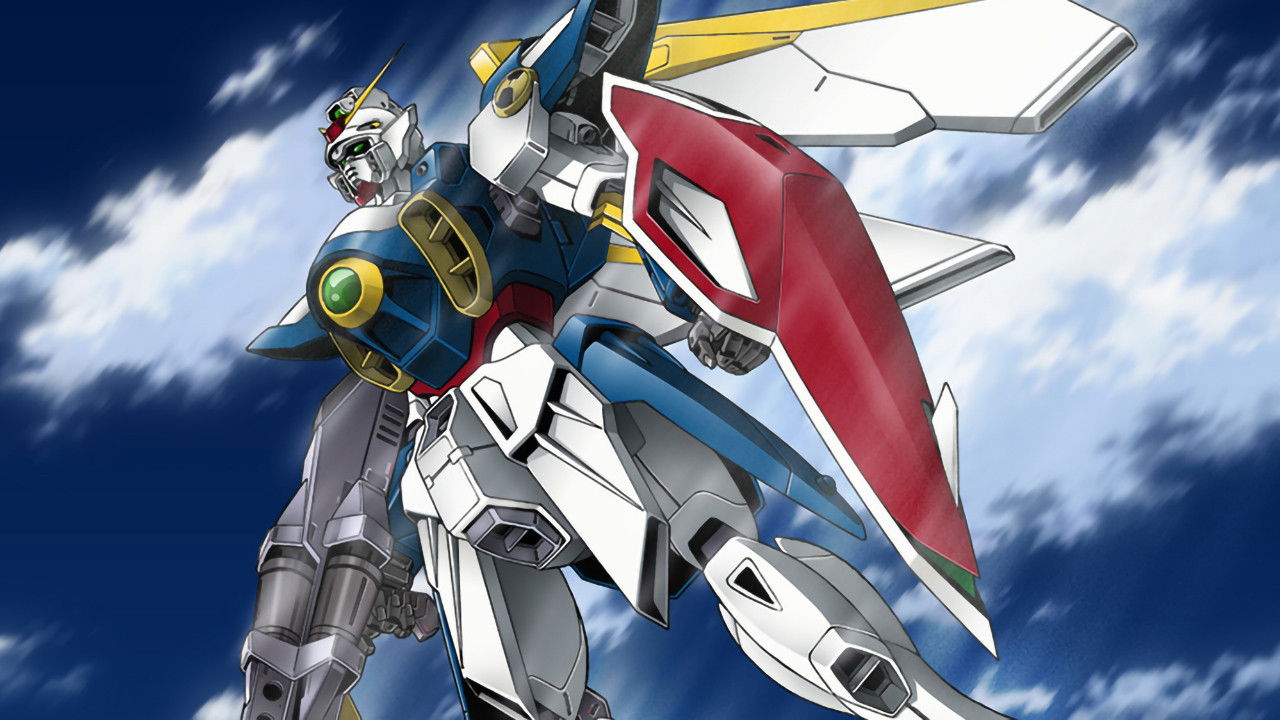
Entry Grade: The Perfect First Gunpla Kit
From a practical perspective, the Wing Gundam Zero Ukiyo-e Package belongs to Bandai's EG (Entry Grade) line, which launched in 2020 with a deliberate design philosophy: no tools required, no nippers, no panel-line markers needed to get a satisfying result. The snap-fit engineering is tight enough that even complete beginners can assemble a clean-looking model in under an hour.
Price, Availability and the Tourist Factor
The retail price sits comfortably under 1,000 yen – roughly 6 euros at current exchange rates – making it one of the most accessible Gunpla kits on the market. That price point, combined with the culturally resonant packaging, positions it perfectly as an inbound-tourist purchase: something you pick up at a Yodobashi Camera or Animate in Akihabara that tells a genuine story about Japan when you get home.
This isn't an isolated strategy. Bandai Spirits released an Edo-themed Zaku II as part of a Japan-exclusive line in 2022, and the broader プラモデル (puramодеru, plastic model) market has seen a steady rise in culturally themed packaging aimed at international buyers. According to Bandai Spirits' 2023 financial report, Gunpla generated over 100 billion yen in revenue that year – and limited or themed editions with cultural added value are explicitly part of the premium international segment strategy.
Building Tips for EG Beginners
If this is your first Gunpla, here's what to know before you open the box. The 組み立て (kumitate, assembly) process for EG kits is colour-separated at the runner level, meaning each plastic frame is already moulded in the correct colour for its parts. You don't need to paint anything to get the intended look. Remove parts carefully by hand or with blunt-nose tweezers if you want clean results. The Ukiyo-e decals are water-slide style on some versions – let them soak for 15–20 seconds before sliding them off the paper, and use a soft cotton swab to press them flat without tearing.

The wing binders on Zero are the most satisfying assembly step – they fan out dramatically and reward a little patience during alignment. Display the finished model with wings fully extended for maximum visual impact, especially if you've applied the eagle-motif decals to the chest and shield sections.
Japanese Vocabulary for Learners: Art Meets Anime
For Japanese language learners, this release is a genuinely rich vocabulary context. Beyond the terms already mentioned, consider adding 木版画 (mokuhanga, woodblock print) to your study list – it's the technical term for the printing technique Hokusai used, and it comes up constantly in museum contexts and travel conversations across Japan. Understanding the distinction between ukiyo-e (the genre) and mokuhanga (the technique) is the kind of nuance that impresses native speakers.
The cultural connection between Gunpla and traditional craftsmanship is also a natural conversation opener in Japan. Many Japanese people feel genuine pride that a hobby as globally popular as Gunpla originated domestically, and being able to discuss its intersection with Edo art history – even in basic Japanese – opens doors in ways that standard tourist phrasebook vocabulary simply doesn't.

Frequently Asked Questions
Is the Wing Gundam Zero Ukiyo-e Package available outside Japan?
The kit is primarily marketed as a Japan-exclusive or Japan-market release, targeting tourists and domestic buyers. However, it does appear periodically on international hobby retailers and Japanese import shops online. Prices outside Japan typically rise to €15–25 due to import costs, but the cultural packaging makes it a worthwhile premium for collectors.
Do I need any tools or experience to build an EG Gunpla kit?
No tools are required. The Entry Grade line is specifically designed for snap-fit assembly without nippers or glue. That said, a pair of hobby nippers will give you cleaner part removal if you want to avoid gate marks on visible surfaces. Total build time for Wing Gundam Zero EG is approximately 30–60 minutes for a first-time builder.
What other Ukiyo-e Gunpla releases exist?
As of 2024, Bandai Spirits has released at least three kits in the Ukiyo-e Package series: the EG 1/144 Gundam (RX-78-2), the EG 1/144 Strike Gundam, and Wing Gundam Zero – all featuring Hokusai-inspired box art from the Fugaku Sanjūrokkei series. The trend mirrors the 2022 Edo-themed Zaku release and reflects a broader strategy of culturally themed packaging for the international market.
For more Japan news on jpnerd.com, keep exploring our latest articles on Japanese culture, language, and pop culture.
Sources
- Toy People: EG 1/144 Wing Gundam Zero Ukiyo-e Package Ver.
- Toy People: EG 1/144 Strike Gundam Ukiyo-e Package Ver.
- Toy People: EG 1/144 Gundam Ukiyo-e Package Ver.