

If you grew up with light novel anime, this one probably hits hard. And if you’re learning Japanese, this anniversary is a nice excuse to revisit a classic title, some useful vocab, and the culture around limited-edition goods.



Haruhi Suzumiya celebrates 20 years of TV anime history
Haruhi Suzumiya no Yuutsu, known in English as The Melancholy of Haruhi Suzumiya, first aired as a TV anime in 2006. That means the series is now marking its 20-year anniversary, and the timing feels pretty perfect for a full-on nostalgia wave.

The original story comes from Nagaru Tanigawa’s light novel series, with illustrations by Noizi Ito. Kyoto Animation handled the anime, and that studio’s style helped make Haruhi stand out in a very crowded mid-2000s anime scene. Even now, fans still remember the sharp comedy, the school setting, the strange sci-fi twist, and that unforgettable character energy. Classic Japan, isn't it?
For Japanese learners, the title itself is useful. Yuutsu means melancholy or gloom, while haruhi is the heroine’s name, Suzumiya Haruhi. If you ever see the full Japanese title, it’s a neat reminder that anime titles often mix character names with a mood or concept. There's more to it than that.
Why this anniversary still matters to anime fans
Picture this: you open a display case, and there’s a ring inspired by a school anime from 20 years ago. That sounds like a strange idea at first, but for Haruhi, it makes sense. The franchise was huge enough to shape fan discussions, convention culture, and the broader boom of light novel adaptations in the 2000s.
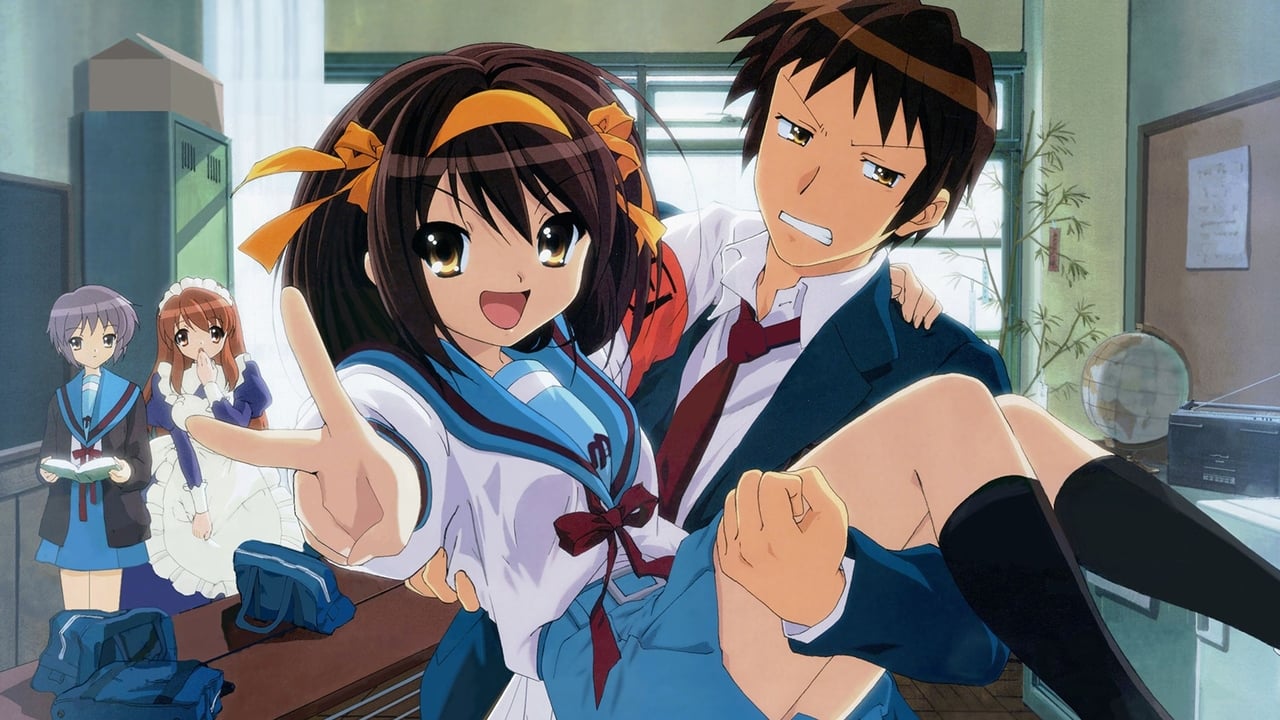
To be fair, Haruhi isn’t just about nostalgia. It also sits at an important point in anime history, when TV series were becoming major gateways into light novels, music CDs, event goods, and character merchandising. Fans didn’t just watch the show, they collected themes, DVDs, figures, and all kinds of commemorative items. The new ring follows that tradition, only with a much more premium feel.
What many people don't know is that the Haruhi boom was also a strong example of how Japanese fan culture treats anniversaries. A 10-year anniversary can bring a rewatch campaign, a new illustration, or a pop-up shop. At 20 years, companies tend to go bigger, and the message is clear: this series still sells emotion, memory, and identity. Personally, that’s a pretty strong emotional hook.
U-Treasure’s special ring is the anniversary item fans will notice
Before I forget: the new product comes from U-Treasure, a Japanese brand known for licensed jewellery and collector items based on anime, games, and characters. They do a lot of pieces that feel more like keepsakes than casual merch, and that’s exactly why this collaboration stands out.

The Haruhi Suzumiya ring is designed as a special anniversary item tied directly to the 20th TV anime milestone. Unlike a keychain or acrylic stand, a ring feels personal. You wear it, you store it, you pass it down, or you simply keep it as a display piece. Either way, it has more staying power than the usual shelf clutter. My tip: if you love anime merch but don’t want your room overflowing, jewellery-style goods are a smart middle ground.
While we're at it, this kind of product also tells you a lot about the Japanese market. Anniversary jewellery is common for major franchises, especially when the brand wants to reach older fans who have buying power now. Those fans may have started with the anime as teens, and now they’re happy to spend on a tasteful piece that says, yes, I was there when this first aired. Seriously though, that’s a pretty strong emotional hook.
How Japanese learners can read the product name
If you’re studying Japanese, this is a handy phrase set to notice. 20周年記念 (20-shunen kinen, 20th anniversary commemoration) means 20th anniversary commemoration, 特別 (tokubetsu, special) means special, and リング (ringu) is the Japanese loanword for ring. Together, they show how Japanese product announcements often blend native words, Chinese-derived compounds, and katakana loanwords in one neat package. Highly recommended: try reading official merch announcements in romaji first, then match them to the Japanese if you can.
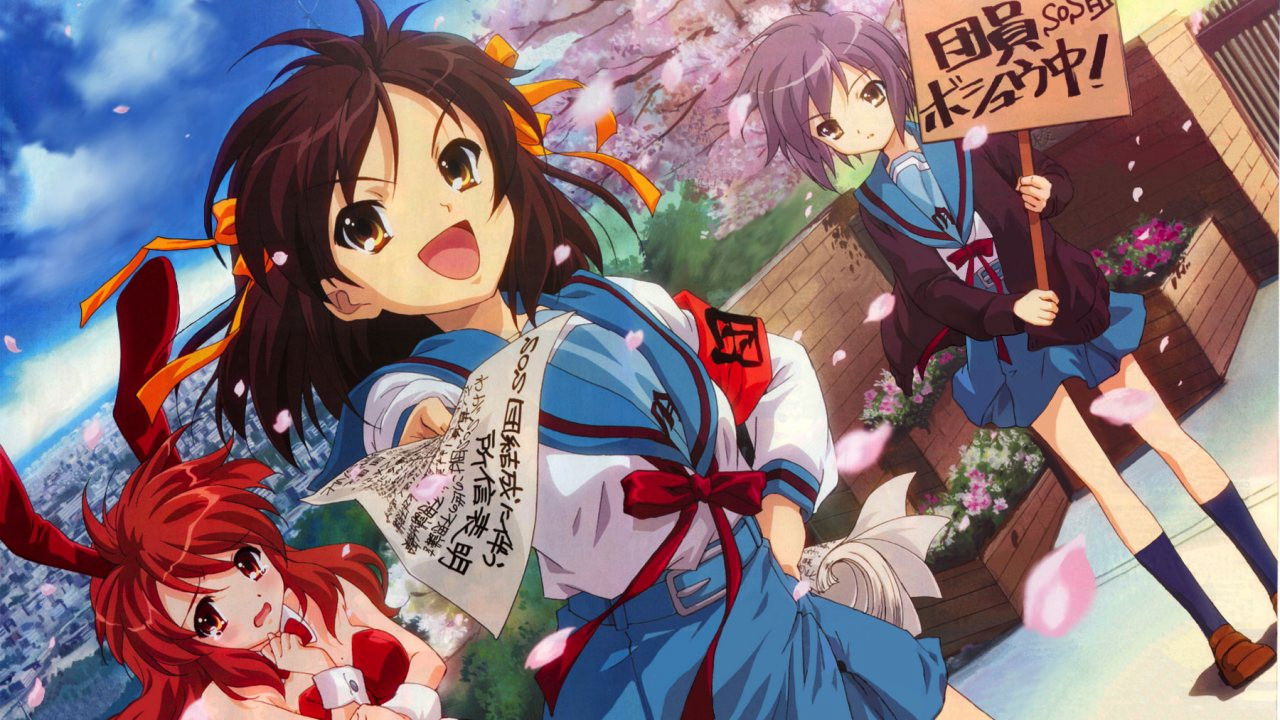
Compared with back home, Japanese anniversary merch often feels more story-driven. It’s not just “buy this item”, it’s “own a small piece of the series’ memory”. That’s a big reason fans respond so strongly. And with Haruhi, the memory is extra potent because the show helped define an era. But that's not all.
Why this kind of merch keeps winning with fans
Ever wondered why... certain anime goods keep selling even after the hype years are over? It’s because they tap into a very specific feeling, not just fandom, but shared time. A 20-year anniversary says, this show lived with you, and now it’s part of your personal archive.
That is exactly why the Haruhi ring works so well. It’s unusual, yes, but it’s not random. It connects directly to the anniversary, it has collector appeal, and it lets long-time fans show affection in a subtle way. And for people learning Japanese, it’s also a reminder that merch pages are a surprisingly good reading exercise. You’ll see dates, materials, brand names, and the kind of vocabulary that pops up in real commercial Japanese.
If you want to keep up with more stories like this, check out more Japan news on jpnerd.com. Wait, there's more.
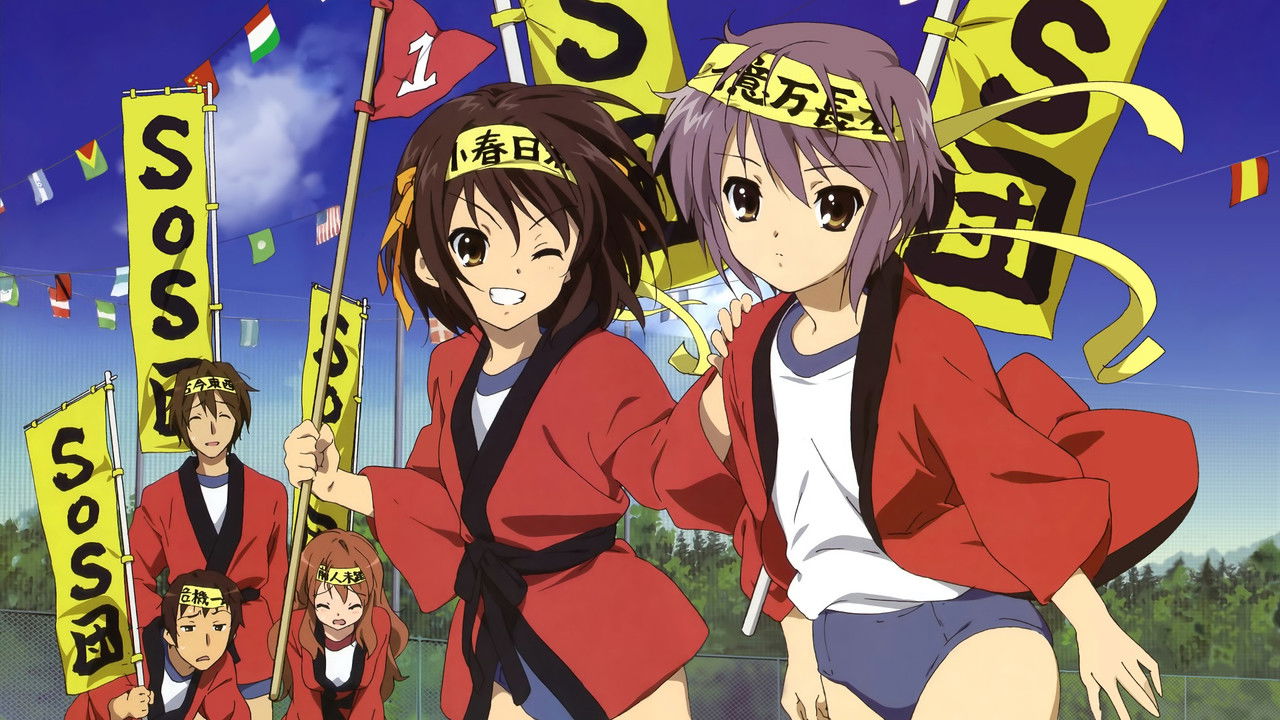
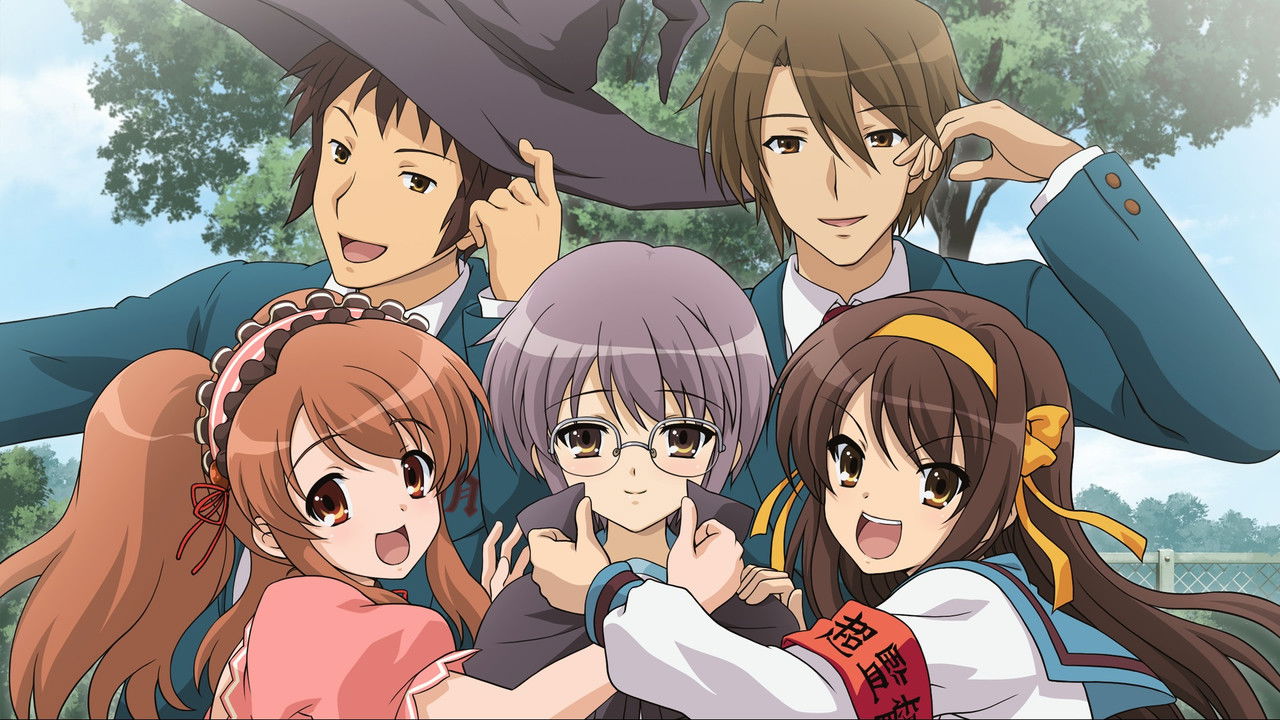
In pictures
Frequently Asked Questions
What is Haruhi Suzumiya?
It is a Japanese light novel and anime franchise that became a major hit in the mid-2000s.
Why is the new ring getting attention?
Because it ties a 20-year anime anniversary to a premium collector item, which is a strong combination for fans.
Who is making the anniversary ring?
The ring is being offered by U-Treasure, a Japanese company known for licensed jewellery goods.

