If you grew up with Doremi, this one hits right in the feelings. If you’re learning Japanese, it’s also a neat chance to pick up festival vocabulary in a setting that actually feels alive, not textbook-flat.



Ojamajo Doremi meets Obon in a festival crossover
What happens when a 1999 magical-girl anime walks straight into お盆 (Obon, Obon festival; Buddhist ancestral festival) season? You get a crossover that feels both playful and oddly natural. The new event, called the Hoshimiyagura 盆踊り (bon 踊り (odori), Bon dance) Carnival, brings Ojamajo Doremi into the world of summer 祭り (matsuri, festival), and yes, it leans hard into nostalgia.
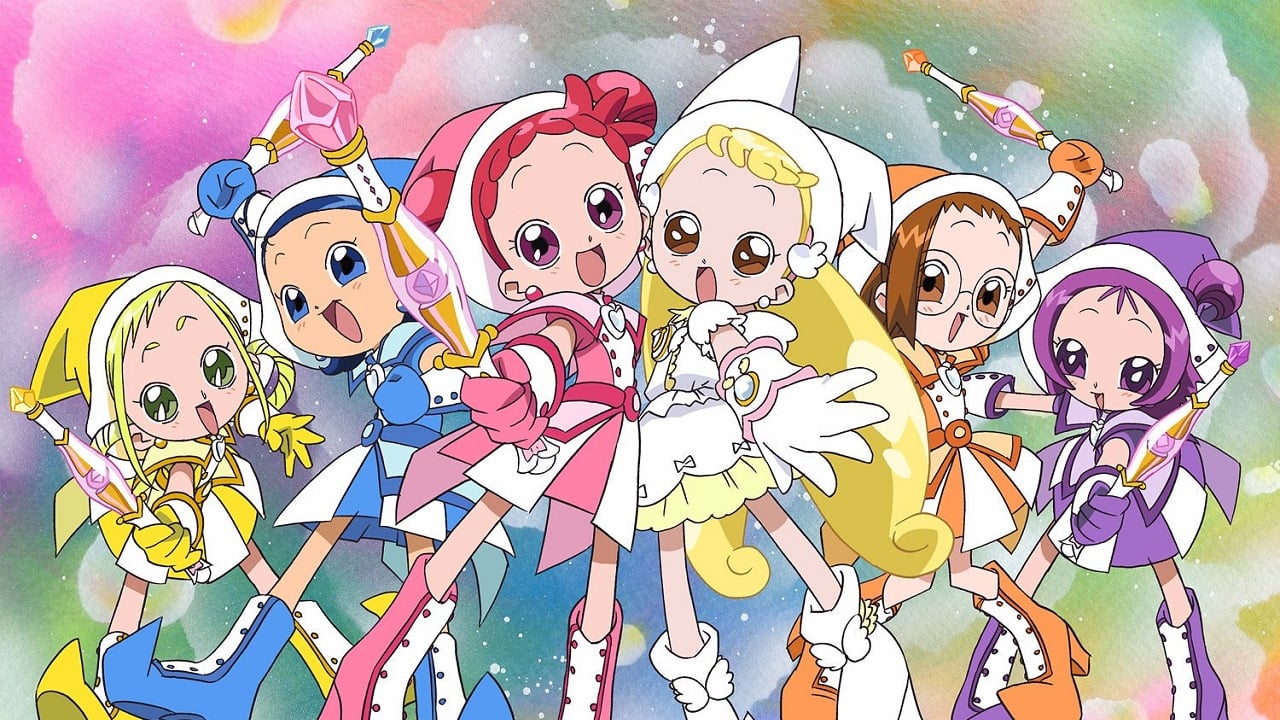
The heart of the event is MAHO-do, the iconic witch shop from the series. Fans know it as the place where Doremi and her friends first stepped into their magical lives, so using that name for a real-world Obon celebration feels like a neat little wink. Trust me on this one: for fans who remember the original TV run, this kind of event does a lot more than just sell merch. It brings back a feeling.
By the way, Ojamajo Doremi first aired in 1999, and it became one of Toei Animation’s most loved magical-girl titles. That timing matters, because the people who watched it as kids are now adults, and they’re exactly the crowd who show up for summer events with a strong nostalgia factor. Sounds good, right?
What the Hoshimiyagura Bon Odori Carnival is doing differently
The Hoshimiyagura Bon Odori Carnival is built around bon odori, the communal dance you’ll see at many Japanese summer festivals and Obon gatherings. Unlike what we’re used to in a lot of Western fan events, this isn’t just a stage show with anime branding slapped on top. It uses the rhythm, costumes, and atmosphere of a real festival format, then folds in Ojamajo Doremi’s bright visual identity.
That matters because bon odori is already a group activity, not a spectator sport. People circle the yagura, the raised central stage, while music and dance keep the whole event moving. For language learners, words like bon, odori, matsuri, and yagura are worth remembering, because they show up again and again in Japanese seasonal culture. Compared to back home, the social energy is much less about standing and watching, and much more about joining in.
What many overlook: Obon itself is not just a summer party. It’s a time associated with welcoming ancestral spirits, family visits, cemetery trips, and local customs that vary by region. So when Toei Animation uses MAHO-do as the visual anchor for this event, it’s mixing a cute fantasy world with a tradition that has real seasonal meaning. Not bad, right?
Why the MAHO-do name works so well
MAHO-do is a perfect choice because it’s instantly recognisable, but it also carries the show’s core identity. In Japanese, maho means magic, and do can suggest a shop or place in the stylised branding of the title. That makes the name feel like a fictional storefront, which is exactly why it translates so easily into event design, signs, photo spots, and themed promotions.
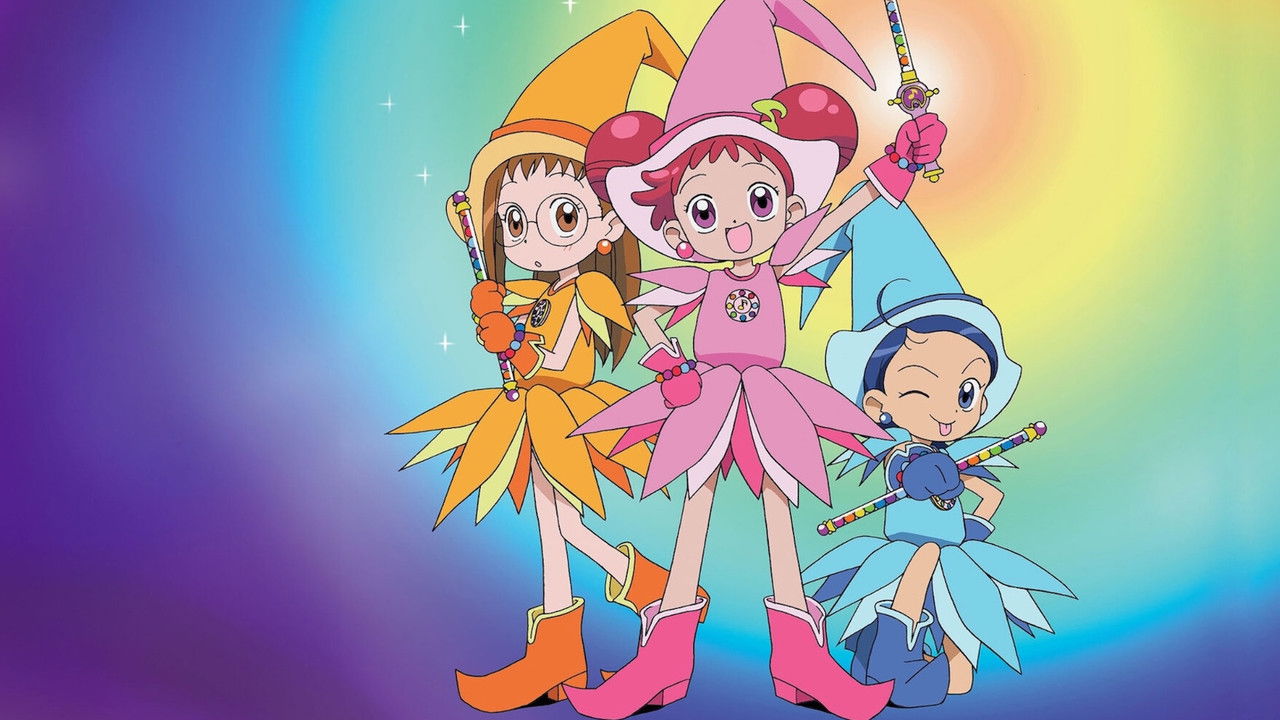
Oh, almost forgot: this is also the kind of brand decision that makes Japanese fans smile before they even get to the venue. They don’t need a long explanation. The name does the work. Sounds weird, but it’s true.
Why Ojamajo Doremi still matters to fans
Plot twist: a series aimed at children in 1999 can still pull in adults in 2026-era fandom culture. Ojamajo Doremi has that kind of staying power because it wasn’t just about magic battles. It was about friendship, frustration, growing up, and trying to be better than you were yesterday. That emotional tone made it stand out from a lot of its peers.
Toei Animation understood that balance early on. The studio gave the show a bright, colourful look, but the stories often had more softness and heart than people expect from a toy-driven anime franchise. That’s part of why Doremi has remained a steady nostalgia title in Japan, even as newer magical-girl shows came and went. Let me show you why that matters: when a brand can survive this long, event organisers know they’re not just selling a logo, they’re activating memory.
What I especially like: this sort of event doesn’t flatten the anime into a single image. It lets the audience remember the opening, the characters, the shop, and the feeling of summer all at once. That’s a lot for one carnival to carry, but Ojamajo Doremi can handle it. Convinced yet?
Japanese learning takeaways from this Obon anime event
For Japanese learners, this event is a handy vocabulary snapshot. You’ll see festival words like matsuri, bon odori, yagura, and Obon used in context, which makes them easier to remember than if you just memorised a list. Pro tip: whenever you spot a real event tied to anime, treat it like a mini language lesson, because the signage and branding often repeat key phrases.
There’s also a cultural lesson here. Anime in Japan doesn’t sit outside seasonal life, it often plugs directly into it. Summer campaigns, shrine events, train collaborations, department store pop-ups, and character cafes all work this way. MAHO-do joining an Obon carnival is just a cleaner, more nostalgic version of the same pattern.
For learners who like reading Japanese news, this is the kind of story that teaches you how cultural references stack up. You get the anime title, the studio name, the festival setting, and the seasonal backdrop in one package. My tip: keep a note of recurring words like matsuri and odori, because they’ll show up in lots of Japan coverage. That reminds me: if you want more stories like this, check out more Japan news on jpnerd.com. Sounds good, right?
Frequently Asked Questions
What is the Hoshimiyagura Bon Odori Carnival?
It is an Obon-themed event built around bon odori, with Ojamajo Doremi and MAHO-do as the main anime inspiration.
Why does Ojamajo Doremi fit this kind of event so well?
The series has strong summer nostalgia, a colourful visual identity, and a fan base that still feels connected to its original 1999 run.
Is this event mainly for anime fans?
Anime fans will get the most out of it, but the bon odori and Obon setting also make it appealing as a seasonal cultural event.