
Overview
Towards a Sustainable Tourism Nation is Japan’s broad effort to make tourism work a little more evenly across the country, not just in the places that already draw the biggest crowds. In practical terms, that means the government has approved a plan to curb overtourism in 100 selected areas by 2030, while encouraging visitors to spend more time in less-visited regions instead of concentrating everything in Tokyo, Kyoto, and Osaka. It is a response to a very real pressure point: Japan recorded more than 25 million foreign visitors in 2023, and the weak yen has helped keep demand high.
For travelers, this is not a dry policy story. It shapes where you can go, how crowded a place may feel, and which hidden spots are getting fresh attention. The plan also gives national backing to local rules that are already being tested on the ground, which is a big deal for cities that have been trying to balance tourism income, heritage protection, and residents’ daily lives. If you are planning a trip, or even just following Japan travel news, this is one of those topics that explains a lot about the country’s current mood.
Why Japan is acting now
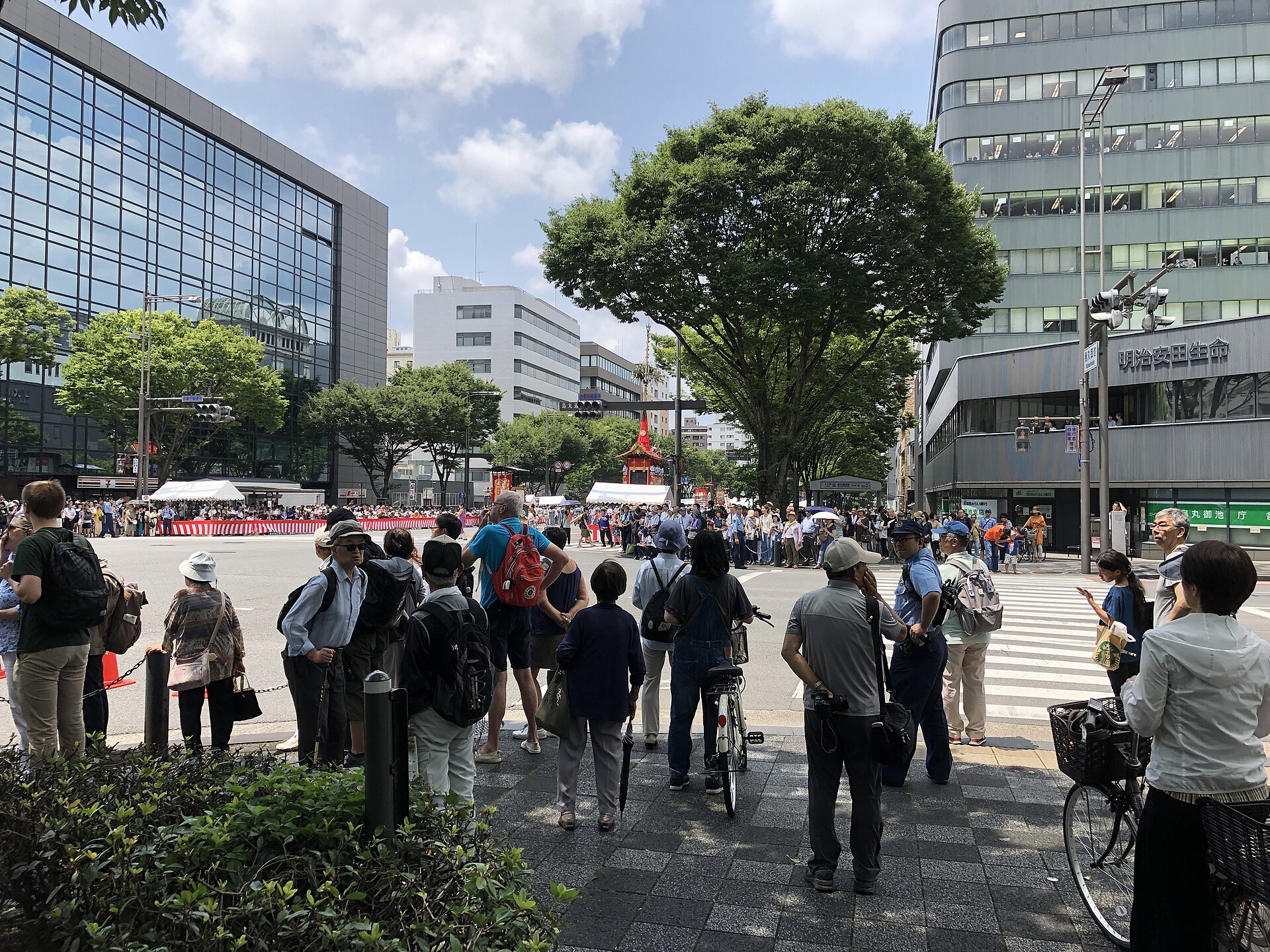
The scale of tourism has brought obvious benefits, but it has also created friction in some of Japan’s most famous areas. Kyoto is named directly in the government document as a problem region, and that makes sense when you look at the strain on old neighborhoods, transit, and public space. The city has long had to juggle preservation and visitation, and local residents have sometimes borne the quiet costs of popularity.
One well-known example came in 2019, when Kyoto restricted access on some streets in the Gion district after repeated problems with visitors entering private courtyards and photographing geisha. That kind of measure shows the basic challenge: even when people come with good intentions, crowds can still overwhelm places that were never designed for such heavy, constant use. In that sense, the government’s new plan is not just about limiting numbers. It is about creating room for better behavior, better flow, and a little more breathing space.
And yes, the bigger tourism picture matters too. Japan’s tourism demand has been supported by the weak yen, which makes travel feel more affordable for many visitors. So while the country wants the economic upside, it also needs a system that can absorb that interest without wearing down the places people came to enjoy.
What the policy actually includes
The approved plan is fairly pragmatic, which I appreciate. It does not treat overtourism as one single problem with one single fix. Instead, it brings together several tools that can be adjusted depending on the place and the season. The main measures mentioned include visitor caps, tiered admission pricing, new shuttle connections to outlying areas, and targeted marketing campaigns for less-known destinations.
That mix matters because each tool solves a different issue. Visitor caps can protect sensitive places from overload. Tiered admission pricing can shift demand away from the busiest times or encourage more balanced visitation. Shuttle connections make it easier to reach places beyond the usual train-line pinch points. And targeted marketing is where the regional angle really comes alive, because it can direct attention to destinations that do not always get a fair share of the spotlight.
In Japanese tourism circles, you will often hear the word おもてなし (omotenashi, hospitality; attentive service), meaning hospitality with care and attentiveness. This plan is, in a way, an attempt to protect that feeling by making sure the visitor experience does not collapse under its own success. There is also the practical side of 予約 (yoyaku, reservation; booking), or reservations, and timed entry systems, which are increasingly part of how popular places manage demand. None of this is glamorous. But it is how a country keeps experiences usable, for guests and locals alike.
Why regional travel is central to the plan
The regional push is not just a side note. It is one of the core ideas. The government sees tourism as a chance to encourage travel to less-known prefectures such as Yamagata, Oita, and Shimane, places that are often overlooked when visitors plan their first or second trip to Japan. That is where the policy starts to feel exciting, because it could help turn lesser-known areas into real travel choices rather than just names on a map.
There is also a broader countrywide logic here. Japan has many areas that are easy to miss if you only follow the standard route. Regional rail lines, local inns, small museums, hot spring towns, coastal drives, mountain valleys… these are the experiences that often stick with travelers longest. The policy’s job is to help more people find them without dumping all the pressure onto the same few famous districts.
If you are following Japan travel coverage, this is where articles on Japan gegen Overtourism: 100 Regionen sollen bis 2030 den Besucherstrom bremsen and Japan Overtourism Plan 2030: Raus aufs Land, Freund fit naturally into the bigger picture, because they show how the national strategy connects to local travel choices.
What this means for travelers on the ground
For visitors, the practical takeaway is simple: Japan is trying to make popular places more manageable while making regional travel easier to discover. That could mean more timed entry, more differentiated pricing, and better transport links to places just beyond the usual city center circuit. It may also mean that some famous areas feel a little more controlled, but in a way that could improve the experience rather than diminish it.
If you are planning a trip, this is a good moment to think a bit more like a traveler and a bit less like a checklist chaser. Try the hidden spots. Look beyond the classic centers. Build in time for smaller stations, side streets, local markets, and the kind of places that reward curiosity. In Japan, that often means the trip gets better when you let it breathe.
And if you are learning Japanese, this topic even has its own useful vocabulary. Overtourism is often discussed through kanko kaco, a term that points to tourism overload, while chiiki kanko, or regional tourism, is part of the policy answer. You might also run into kanji searches around this topic, so phrases like Towards a Sustainable Tourism Nation kanji and Towards a Sustainable Tourism Nation japanisch lernen can be handy if you are studying the vocabulary of Japanese travel policy. It is a nice reminder that language and travel policy are linked more often than people think.
How to experience the idea as a visitor
You do not need to wait for a special campaign to see the effects of this policy. You can already experience its logic by choosing less crowded prefectures, traveling outside the most compressed peak periods, and paying attention to how a place asks to be visited. That might mean booking a smaller inn in a regional town, taking a shuttle to a more distant attraction, or simply spending an extra night in a place that most people rush through.
In that sense, Towards a Sustainable Tourism Nation is not just a policy name. It is a travel pattern. It points toward a Japan where the big cities still matter, but where the wider map matters too. For travelers, that is an invitation to slow down, look wider, and enjoy the country in a way that feels more balanced, more thoughtful, and honestly… more interesting.
Frequently Asked Questions
What is Towards a Sustainable Tourism Nation?
It is Japan’s policy effort to curb overtourism in 100 selected areas by 2030 while encouraging more travel to less-visited regions.
Which cities are most affected by the plan?
The plan specifically aims to ease pressure on overloaded metropolitan areas such as Tokyo, Kyoto, and Osaka.
What measures are included in the overtourism plan?
The measures mentioned include visitor caps, tiered admission pricing, new shuttle connections to outlying areas, and targeted marketing for lesser-known destinations.
Why is Kyoto mentioned so often in this discussion?
Kyoto is described as a problem region in the government document and has already dealt with issues around crowding, heritage protection, and residents’ quality of life.
How can travelers experience the regional travel side of this policy?
By choosing less-known prefectures such as Yamagata, Oita, and Shimane, and by spending time in smaller towns, local transport links, and off-the-beaten-path areas.


