Let me show you why this matters. A single colour choice might feel random, but in Japanese media, little symbols often carry extra meaning, and that makes this trailer detail worth a closer look.
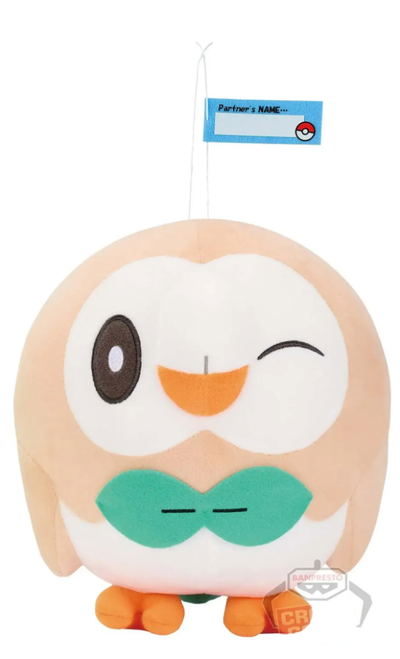

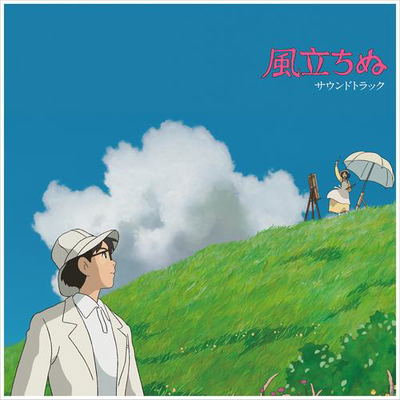
Pokemon Wind and Wave and the tiny red plane everyone noticed
Pokemon Wind and Wave is the sort of title that invites frame-by-frame analysis, and this time the spotlight has landed on a red airplane. The aircraft appears briefly in the visual material fans have been discussing, yet it stands out immediately because it breaks the softer palette around it. That contrast alone is enough to make people ask whether the plane is just background dressing, or a clue hiding in plain sight.

What I especially like is how fast the community noticed the detail. Once a red object enters a Pokemon teaser, you can bet fans will start connecting dots, and in this case the dots lead to fire, heat, and a possible thematic layer for the game’s setting. Not bad, right?
Why the kanji for fire is the real nerd hook
Unlike what we’re used to in a lot of Western marketing, Japanese game design often plays with visual signals that reward people who read a little deeper. Here, the red plane has sparked talk because red can suggest the kanji for fire, written as 火 (hi) in romaji and often associated with the idea of flame, energy, or danger. That connection may sound tiny, but in Japanese pop culture, tiny clues can carry real weight.

To be fair, a colour match doesn’t automatically prove a hidden message. Still, fans of Japanese are used to seeing symbols work on two levels, one for casual viewers and one for people who notice the language and iconography underneath. If Pokemon Wind and Wave is building a story around elemental contrast, then a red aircraft is exactly the kind of image that can hint at a fire-related route, faction, or legendary presence. Sounds good, right?
Reading visual language like a Japanese learner
Fun fact: learning a bit of Japanese can make these discussions a lot more fun. If you already know words like hi for fire, 風 (kaze) for wind, and 波 (nami) for wave, you start seeing how titles and visuals can reinforce each other. That’s especially useful with Pokemon, where names, colours, and type themes often work together.
My tip: when you watch a trailer, don’t just look for new characters. Check colour placement, signage, background objects, and any symbol that feels slightly too deliberate. A red plane may be nothing, but if it sits next to wind and wave imagery, then the possibility of a hidden hi reference becomes much harder to ignore. But that’s not all.
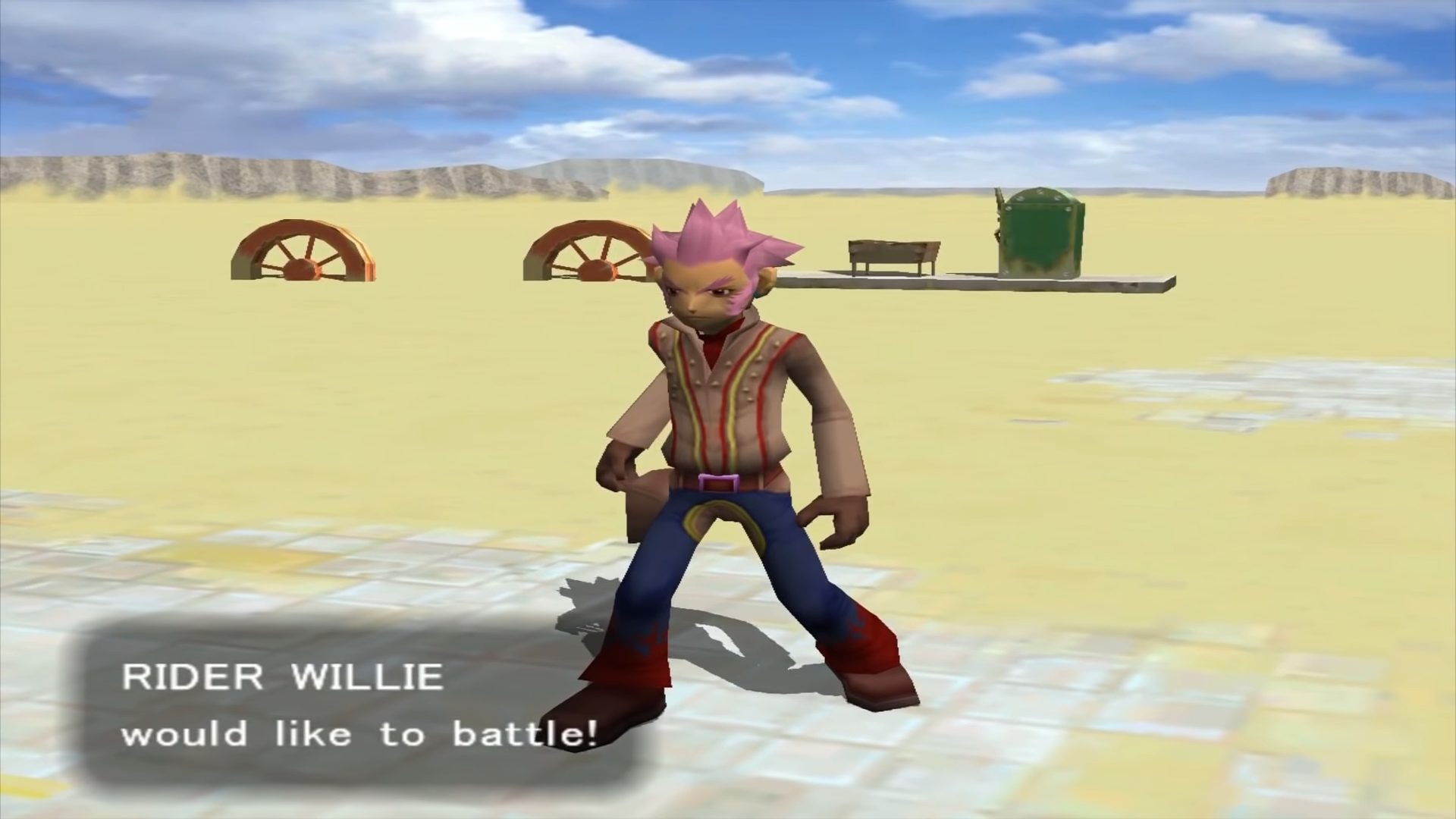
Pokemon, symbolism, and why fans love theory crafting
That reminds me: Pokemon has always been good at this sort of visual teasing. From the original Kanto games in 1996 to modern releases on Nintendo Switch, the series has trained fans to expect layers, callbacks, and thematic links. A single object can become a conversation starter, especially when it appears in promotional art, trailers, or map-like imagery that feels carefully composed.
By the way, theory crafting is part of the fun because it mixes language learning, pop culture, and a bit of detective work. Japanese fans often talk about 読み (yomi, reading; pronunciation), the reading of characters, and how names can carry associations beyond their direct meaning. For learners, that’s a great reminder that Japanese isn’t just vocabulary lists; it’s also a culture of reading between the lines.
Quick detour: if a future trailer confirms a strong fire theme, the red plane might suddenly look obvious in hindsight. If not, it still did its job, because it got people paying attention to the design choices around Pokemon Wind and Wave. And honestly, that kind of buzz is exactly what keeps a new game cycle exciting. But that’s not all.
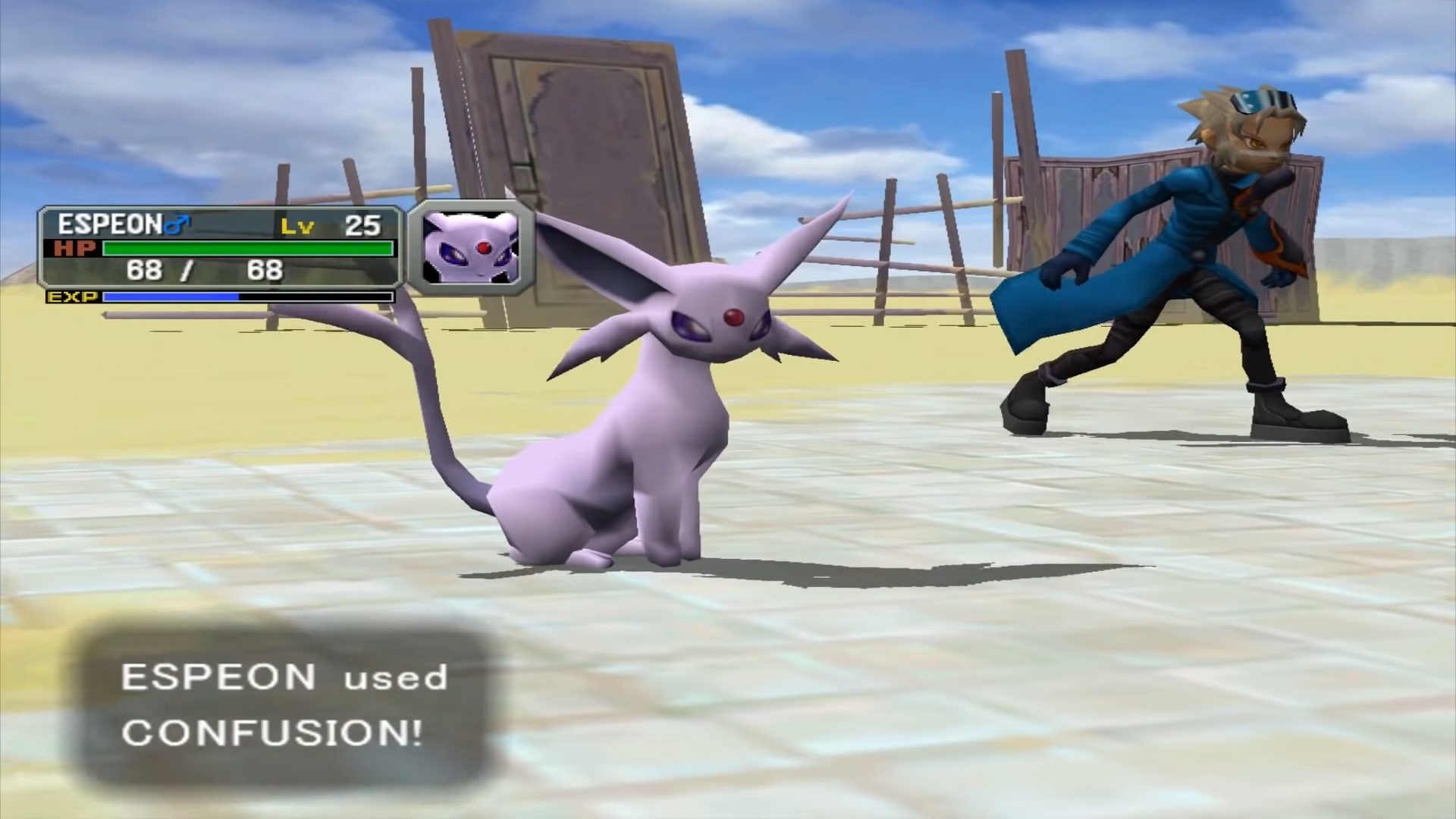
What Pokemon Wind and Wave could be hinting at
Basically, the red aircraft could point to three possible directions. First, it may simply be a colour accent chosen for balance. Second, it could signal a location or story beat tied to fire, smoke, or volcanic imagery. Third, it may be a teaser for a rival team, transport system, or boss encounter built around contrast with the title’s wind and wave ideas.
On a related note, Japanese game reveals often use a single item to create speculation before the big explanation arrives. That’s why fans keep rewatching these trailers, and why the red plane detail has traction now. The visual is small, but the discussion around it is very real, and I think that’s half the charm of following Japanese game news closely. Personally...
What I especially like is that this kind of theory is beginner-friendly too. You don’t need advanced Japanese to join in, just enough romaji to recognise the key words and a willingness to look carefully. If Pokemon Wind and Wave leans into elemental symbolism, then the fire clue could be one of those satisfying details that makes the whole reveal feel smarter in retrospect.
In pictures
Frequently Asked Questions
What is the red plane theory about?
Fans think the red plane may hint at a fire-related theme or hidden symbolism in Pokemon Wind and Wave.
Why do Japanese fans focus on small visual details?
Japanese games often use colour, symbols, and naming hints, so small details can sometimes support a bigger theme.
How can language learners use this kind of news?
You can practise simple vocabulary, notice recurring symbols, and learn how Japanese media builds meaning through visuals.
For more updates like this, see more Japan news on jpnerd.com.