
Overview
Look, if you are trying to keep up with final fantasy news without drowning in half-baked speculation, Final Fantasy VII Rebirth is a pretty clean place to start. It originally launched in 2024 as a PlayStation 5 exclusive, then later showed up again as part of Square Enix’s broader multi-platform strategy, including a Nintendo Switch 2 version scheduled for 2026-06-03 and an Xbox version in the same general direction. That matters because this is not just a case of one platform getting all the fun while everyone else sits there being annoyed. It is a reminder that the series keeps stretching outward, and yes, people absolutely notice when that happens.
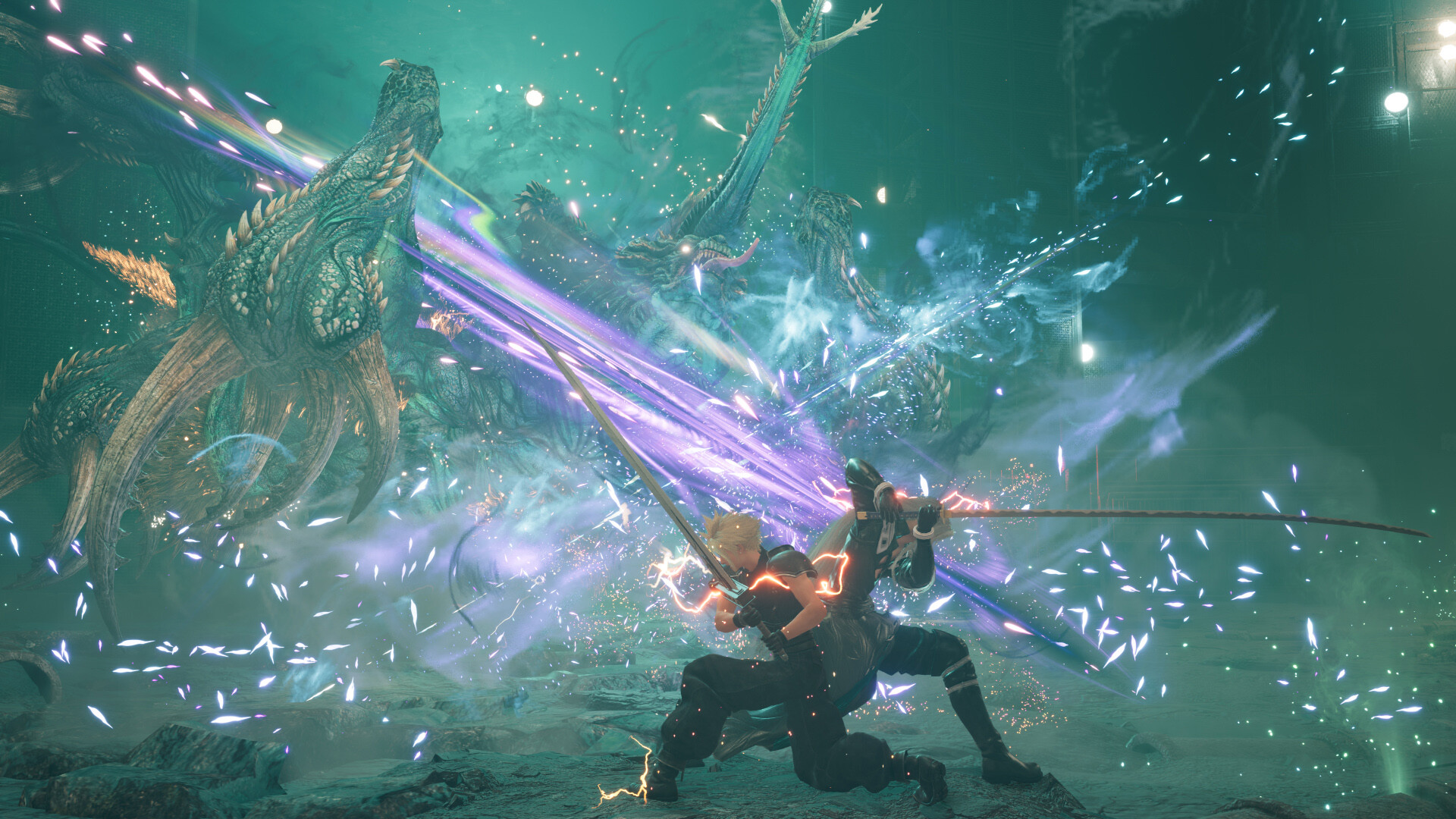
There is also a free デモ (demo, a trial version of a game) released on 2026-04-28, which is genuinely useful because demos can be weirdly unhelpful or weirdly generous, and this one is the latter. It covers several hours of gameplay and gives you a real feel for combat, party setup, graphics options, and a story segment. So if you have been waiting for a proper sense of how the game actually plays before committing, this is not some tiny sampler built to do nothing. It is a proper look at the thing.
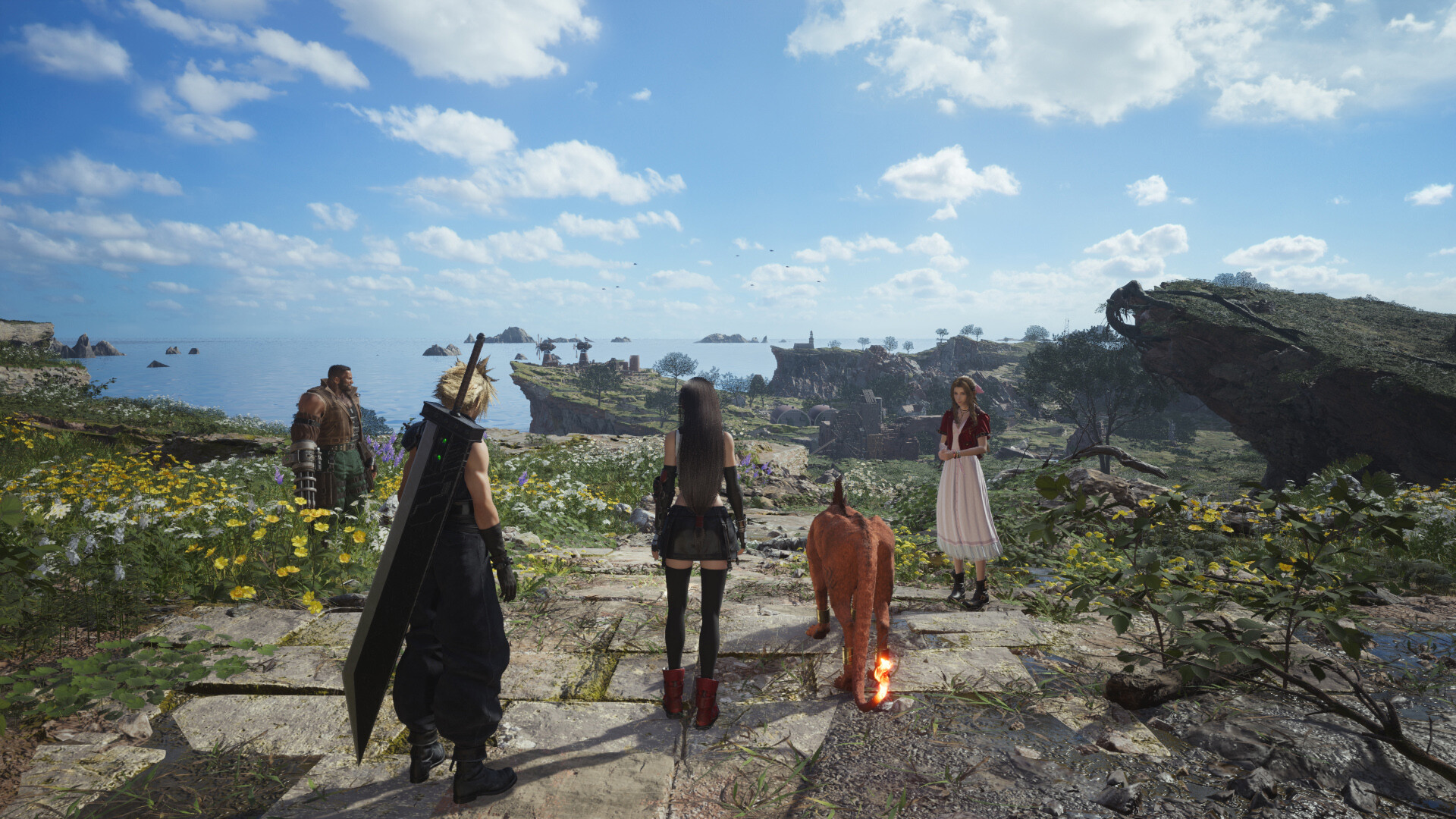
And because this article is meant to be a hub, I should say the obvious thing out loud: if you are following the wider release conversation, it helps to keep an eye on related coverage like Nintendo’s June 2026 Switch lineup overview and the broader platform chatter around Final Fantasy VII Rebirth on Switch 2. That is where the practical info lives. Everything else tends to get noisy fast.
How Final Fantasy VII Rebirth fits into the bigger release picture
The reason this game keeps popping up in conversations about final fantasy release date updates is not complicated. Final Fantasy VII Rebirth has become part of the franchise’s current rollout strategy, where Square Enix is clearly willing to widen access after an initial platform-specific launch. The game first arrived in 2024 on PlayStation 5, and that original release still matters because it set the baseline for how people experienced it first, no matter where they play later.
The Switch 2 version is described as a 移植 (port, a game adapted and released on another platform) of the game, which is exactly the kind of detail that gets fans talking, because port quality is the whole ballgame here. Will it preserve the pacing, the combat readability, the visual mood? That is the real question, not whether the title sounds recognizable enough. And honestly, the title does plenty on its own. Final Fantasy is one of those series that can survive endless platform reshuffling because the brand itself carries so much memory, so much baggage, so much expectation.
There is also an Xbox version in the pipeline as part of Square Enix’s multi-platform approach. That is important even if you personally do not care about the hardware war nonsense. More platforms mean more people can actually get to the game, and for a series this large, that is never a trivial thing.
What the demo actually lets you check
The free demo is the most useful thing in the whole setup if you are still undecided. It covers several hours of gameplay, which is already more generous than the usual tiny teaser nonsense that gives you five minutes and a headache. Here, you can see combat in motion, check how party setup feels, poke at graphics options, and experience a story segment without immediately having to buy in. That matters because a Final Fantasy game is never just about one mechanic. It is about how the systems, the party, and the story pressure fit together.
For players who care about how a game feels before they commit, this kind of demo is basically the best evidence available. You can judge whether the combat rhythm works for you, whether the visuals match what you want from a modern Final Fantasy, and whether the structure of the opening hours hooks you. A demo cannot answer everything, obviously, but it can absolutely tell you whether you are in the neighborhood.
And if you are the kind of person who likes to keep an eye on final fantasy leak chatter, the smart move is still to separate confirmed demo content from rumor noise. The demo is real. The release timing is real. Everything else should earn your attention, not demand it.
Why this release matters for fans and return players
There is a reason people keep circling back to Final Fantasy VII Rebirth, and it is not just nostalgia bait. The game sits in that strange but familiar zone where long-time fans already have strong feelings, new players want a way in, and everyone else is watching to see how Square Enix manages the transition across platforms. That makes every release update feel bigger than the usual port announcement. It is not just another checkbox on a spreadsheet. It is part of how the franchise keeps its identity while changing where and how people can play.
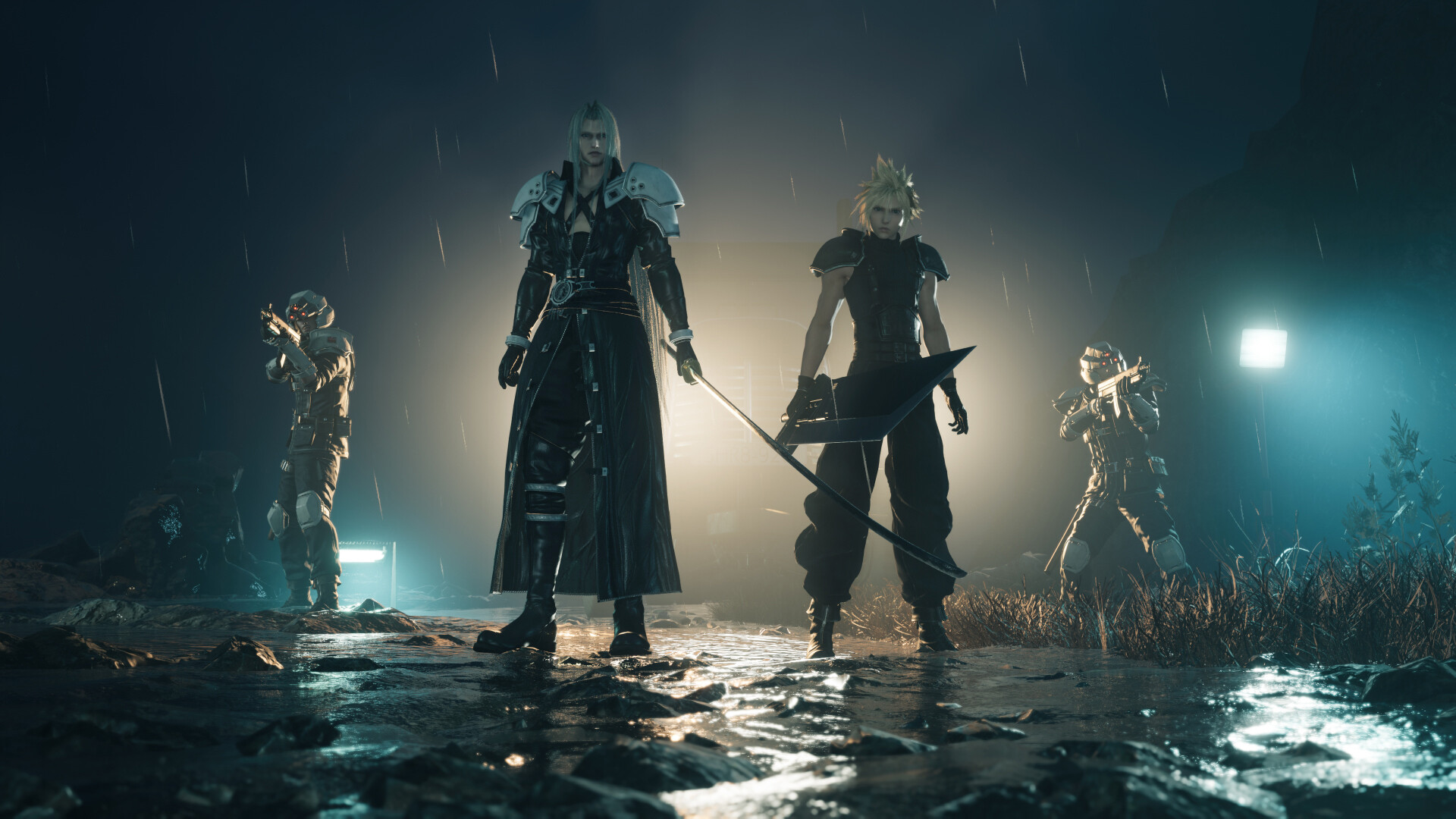
For returning players, the important part is continuity. For new players, the important part is accessibility. And for the rest of us, the interesting part is seeing which version becomes the one people recommend first. That conversation never really ends with Final Fantasy. It just gets louder every few years.
Related titles and what to follow next
If you are tracking the series as a whole, keep an eye on the broader Final Fantasy pipeline rather than treating each platform drop like an isolated event. Square Enix’s strategy around this game suggests a future where more fans can choose where to play without waiting forever for a single hardware lane to open. That is not a tiny shift. That is a pretty big deal for a franchise that used to feel much more locked in.
- Final Fantasy VII Rebirth launched first on PlayStation 5 in 2024.
- A free demo arrived on 2026-04-28 and includes multiple hours of playable content.
- The Nintendo Switch 2 port is scheduled for 2026-06-03.
- An Xbox version is also part of Square Enix’s multi-platform strategy.
- Coverage around June 2026 Switch releases places this game near the top of the conversation.
Final Fantasy kanji, language interest, and why fans keep searching
One odd but very real part of Final Fantasy fandom is how often people move from release info into language curiosity. Searches like final fantasy kanji and final fantasy japanisch lernen show that fans do not just want the game, they want the words, the title forms, the series vocabulary, all of it. That makes sense. When a franchise has lasted this long, it stops being just entertainment and starts becoming part of how people engage with Japanese media more broadly.
That is also why coverage like this has value beyond the immediate release date. A player might come in looking for hardware details, then end up learning about the franchise’s naming conventions, its Japanese context, or the way Square Enix handles regional rollout. The whole thing feeds on itself, honestly. Once you care about one Final Fantasy release, the next one is already waiting.
Frequently Asked Questions
When did Final Fantasy VII Rebirth first release?
It originally released in 2024 as a PlayStation 5 exclusive.
When is Final Fantasy VII Rebirth coming to Nintendo Switch 2?
The Nintendo Switch 2 version is scheduled for 2026-06-03.
What does the free demo include?
The demo covers several hours of gameplay, including combat, party setup, graphics options, and a story segment.
Is there an Xbox version planned?
Yes, an Xbox version is part of Square Enix’s multi-platform strategy.
Is the Switch 2 version a new game or a port?
It is described as a port of the game.


