Overview
Here’s the thing, Mario is one of those franchises that keeps getting dragged into new eras without losing the stuff that makes it work in the first place. The core idea is still absurdly elegant, run, jump, time your movement, get punished for being sloppy, and feel brilliant when you nail a sequence, but Nintendo has kept finding new ways to remix that loop. That is why people still go back to the Galaxy era, especially when they want a Mario Galaxy conversation that is about more than nostalgia bait.
![Dragon Ball Z: Kakarot [Master Edition]](https://s.pacn.ws/1/p/1eh/dragon-ball-z-kakarot-master-edition-908785.1.jpg?v=t8ja8t&width=400)


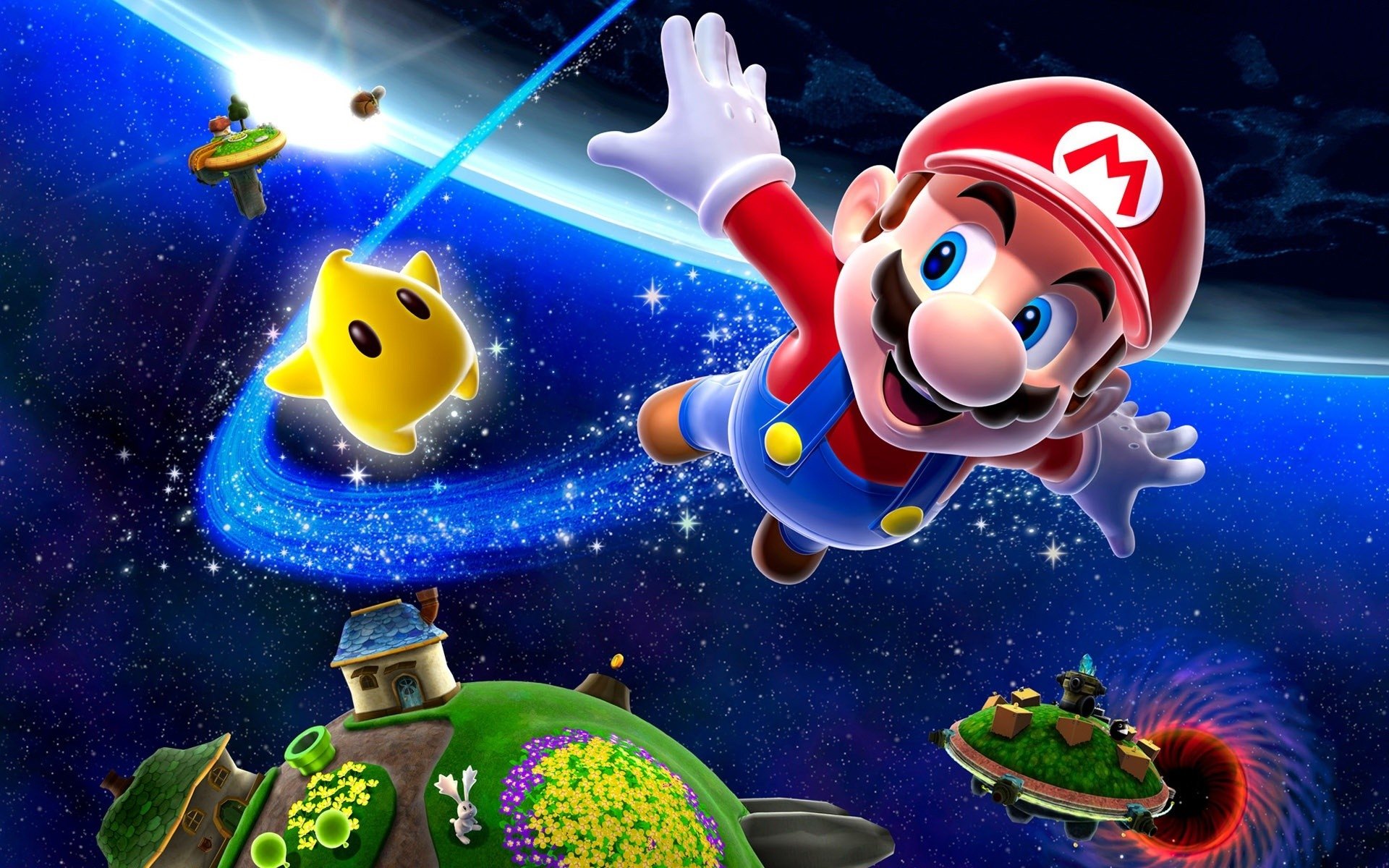
Super Mario Galaxy originally released on Wii (wii, Nintendo game console) in 2007, developed by Nintendo EAD Tokyo, and Super Mario Galaxy 2 followed in 2010 from the same team. That matters because both games were not just big technical flexes, they were proof that Nintendo could make platforming feel fresh, readable, and slightly unhinged all at once. I will die on this hill, by the way, Galaxy is the point where Mario stopped feeling like only a mascot and started feeling like an idea that could survive anything.
Why Galaxy still matters
The reason these games endure is simple, they are built around movement that feels good in your hands. Mario’s jumps have weight, the camera usually knows when to get out of the way, and every stage is designed like a tiny physics joke that somehow still makes perfect sense. That kind of design is what people mean when they talk about a mario guide, even if they do not phrase it that way. You are not just learning levels, you are learning how Nintendo wants you to think.
And there is a reason Galaxy gets remembered as one of the best 3D Mario adventures, even though people sometimes lazily mash all Mario games into one pile and call it a day. The planets, gravity shifts, and momentum tricks keep the action moving in ways that feel both playful and precise. It is cozy, then suddenly it is a test of timing, then it is back to that bright, confident Nintendo weirdness. Absolute cinema? Fine, maybe that is a little embarrassing to say out loud, but the games really do have that effect.
Release history and what the games actually are
Super Mario Galaxy arrived first in 2007, and its sequel landed in 2010. Both were Wii releases, both came from Nintendo EAD Tokyo, and both leaned into level design that treated each galaxy like a self-contained toy box. You get platforming that is constantly changing shape, enemies that are easy to read but hard to brush off once you get careless, and a progression structure that keeps rewarding curiosity.
- Super Mario Galaxy focused on introducing the gravity-driven format and building confidence with its level ideas.
- Super Mario Galaxy 2 doubled down on more advanced stage design and less hand-holding, which is exactly why some fans love it even more.
- Both games still matter as reference points whenever people argue about the peak of Nintendo platforming.
If you are looking for a mario review angle, this is the part that always comes up, the games are generous without being mushy, demanding without being cruel, and they rarely waste your time. That balance is harder than it looks. Plenty of games fumble it. Mario mostly does not.
The cast, the tone, and why it works
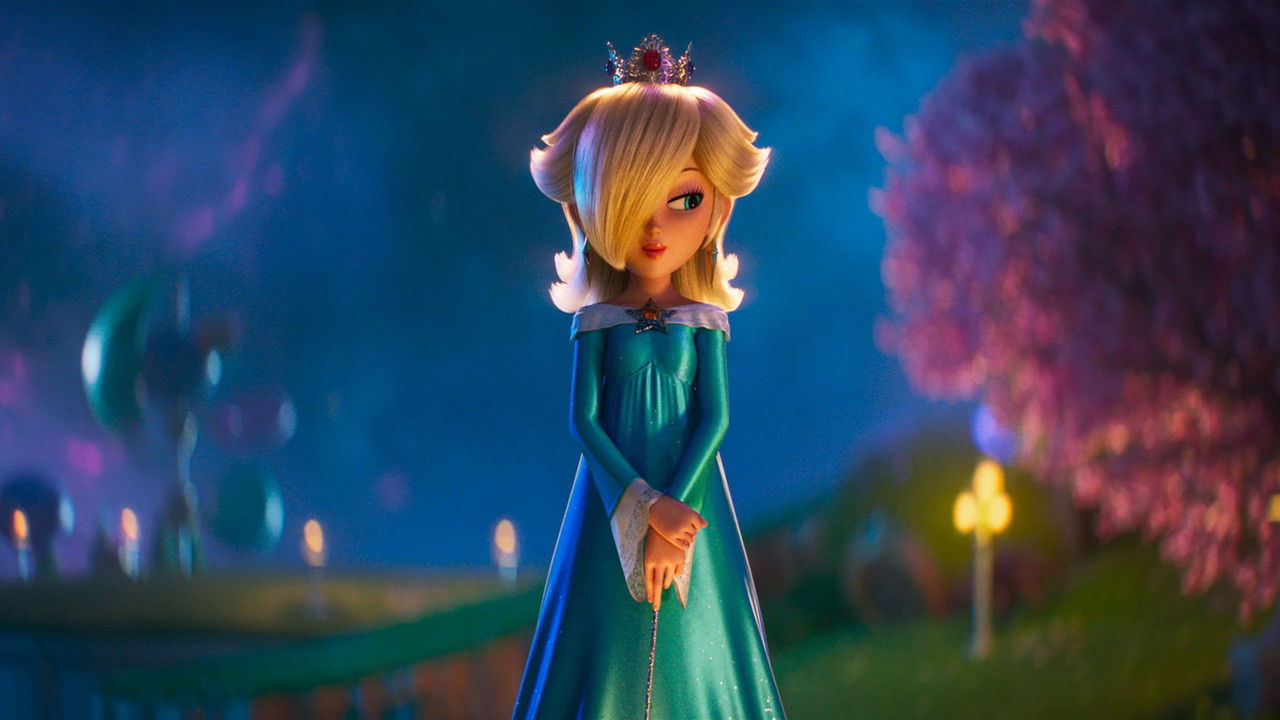
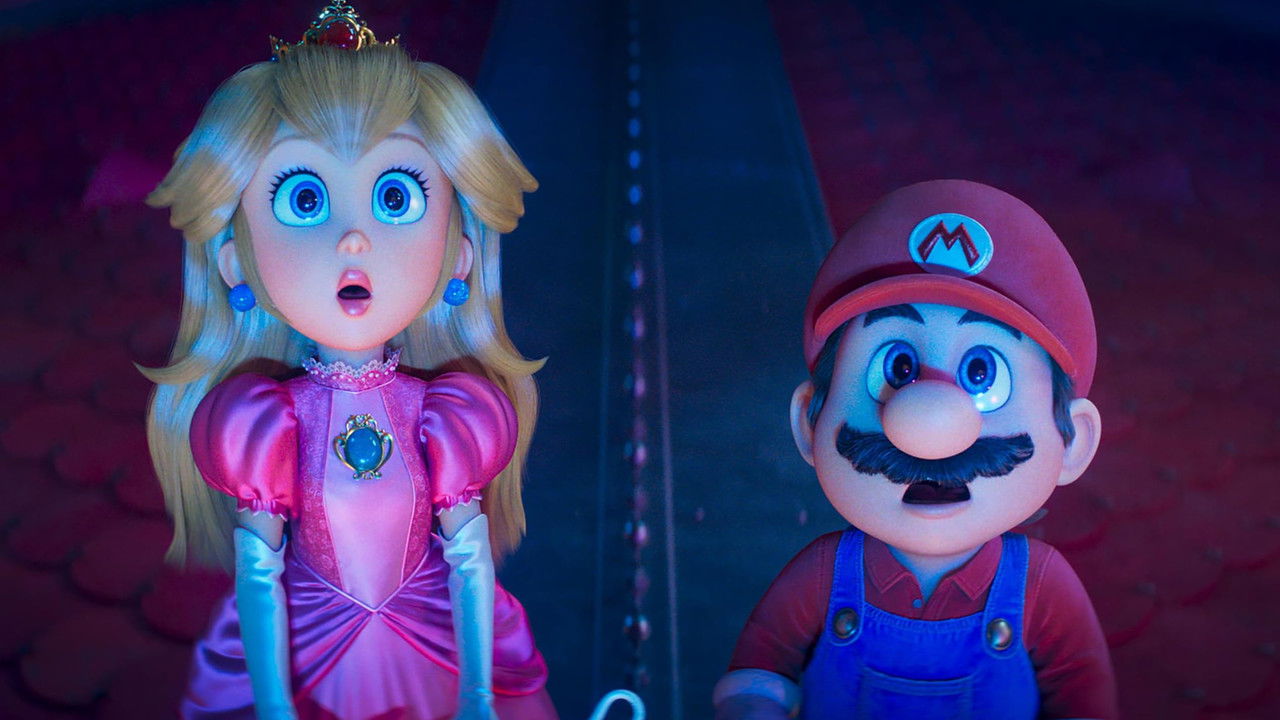
Mario is Mario, sure, but Galaxy works because the surrounding tone gives his usual rescue-the-princess setup enough space to breathe. Rosalina, the observatory, the way the games move between bright spectacle and quiet little detours, all of it makes the world feel bigger than the joke version of Mushroom Kingdom nonsense people reduce it to. And yes, I know that sounds a little dramatic. I stand by it.
For fans who care about Mario as a broader cultural object, there is also a surprisingly useful mario kanji and mario japanisch lernen angle here, not because the games are language textbooks, obviously, but because Nintendo’s menus, item names, and character terminology become a surprisingly friendly way to pick up recurring game vocabulary. If you are learning Japanese, Mario is one of those franchises where repetition does a lot of the work for you, and that is kind of the whole trick with language study anyway. Small wins, repeated often.
Related titles and how the series connects
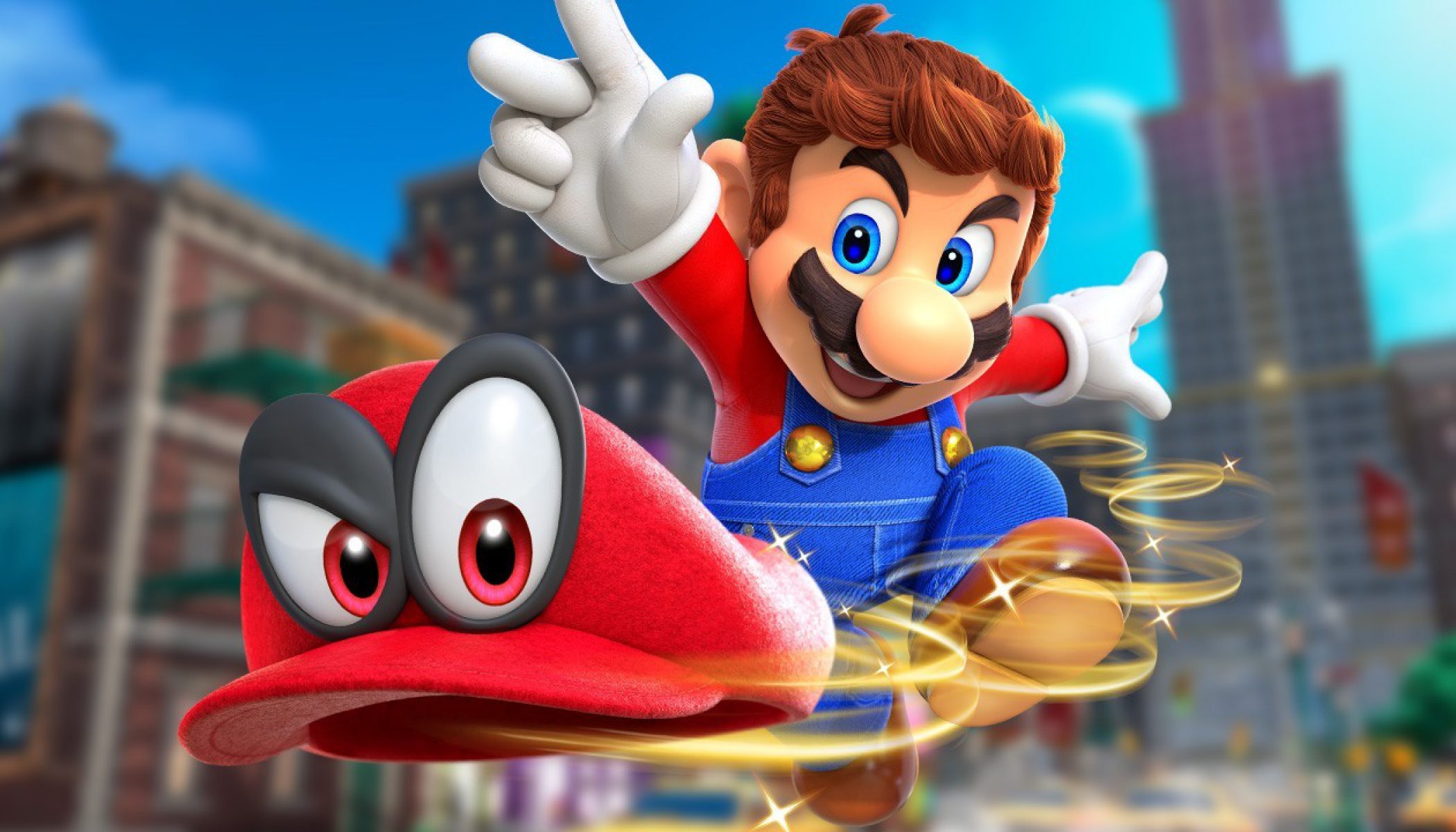
If you like Galaxy, there is a pretty obvious trail to follow. Super Mario 64 is the ancestor, Super Mario Sunshine is the weird cousin everybody argues about, and Super Mario Odyssey is the modern showcase for how flexible Mario still is. But Galaxy sits in a sweet spot between experimentation and control, which is why people keep circling back to it instead of moving on forever. It is not just old. It is durable.
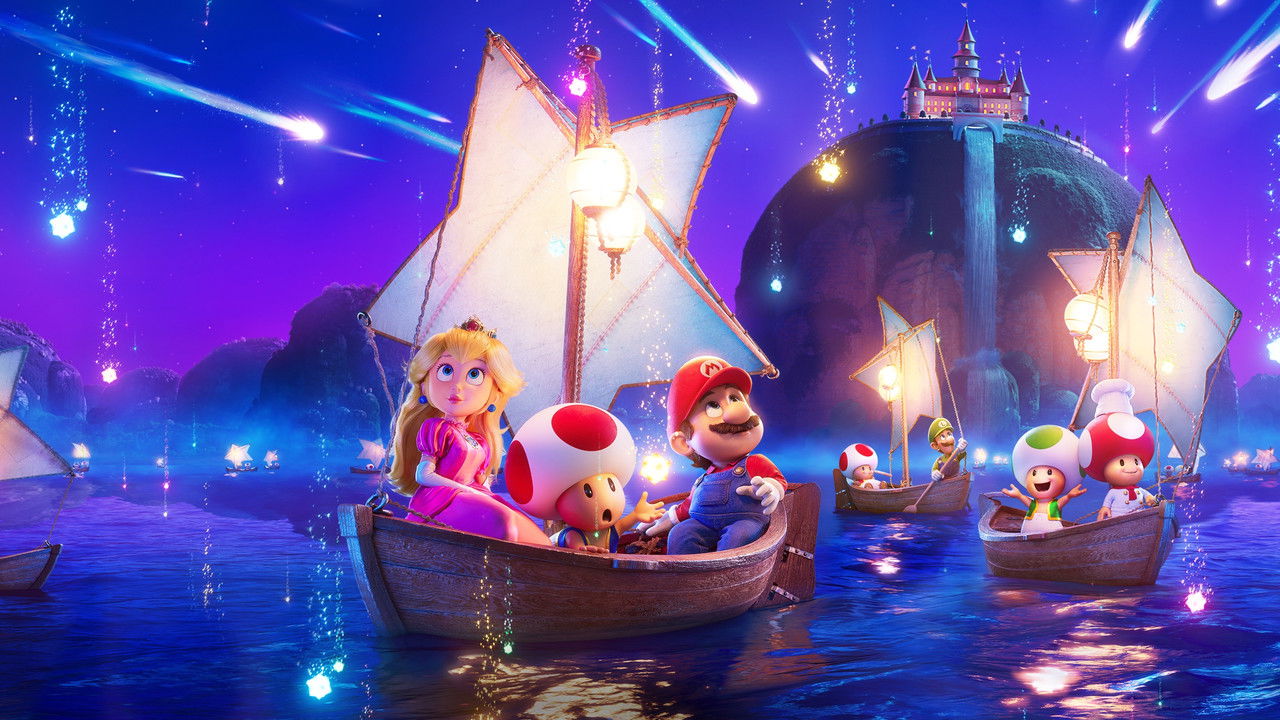
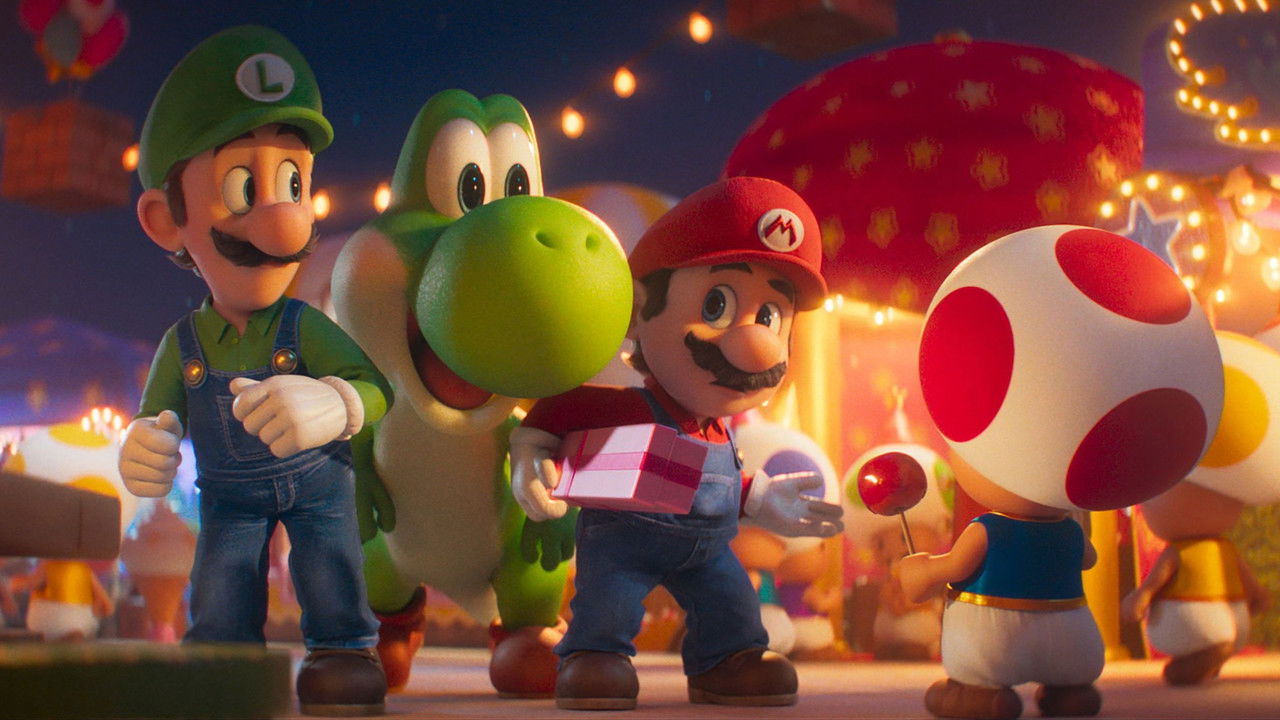
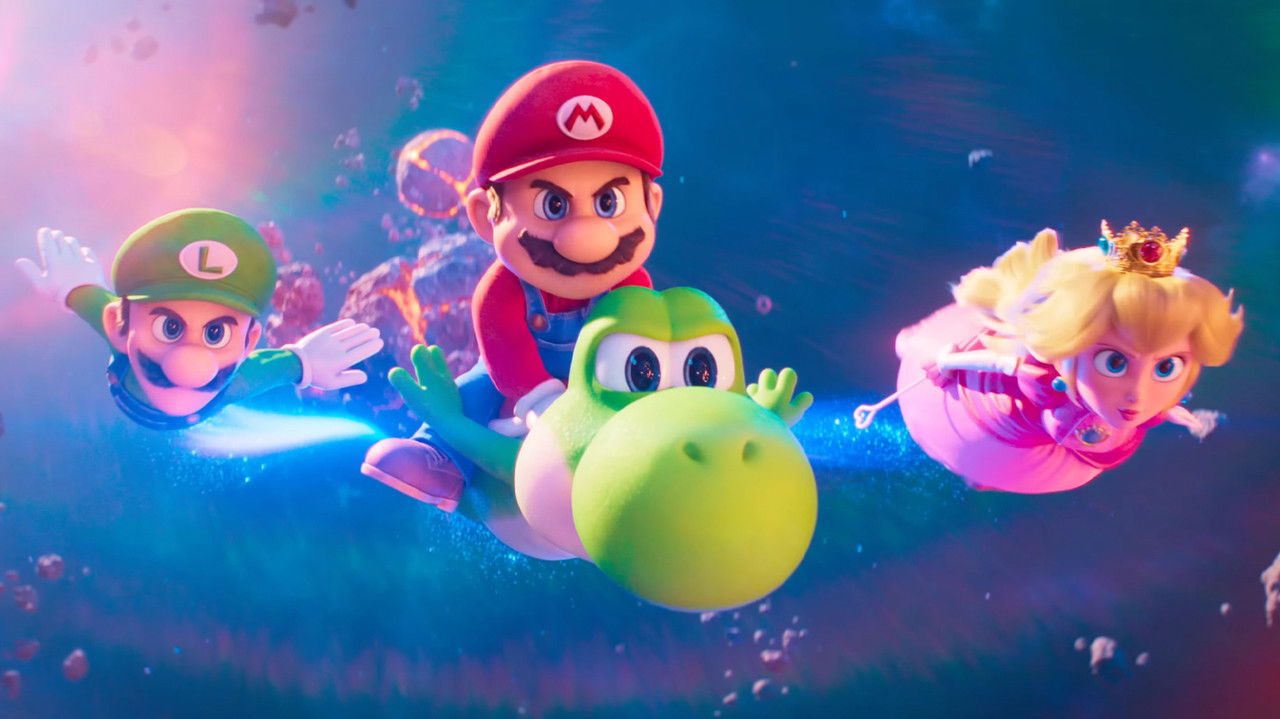
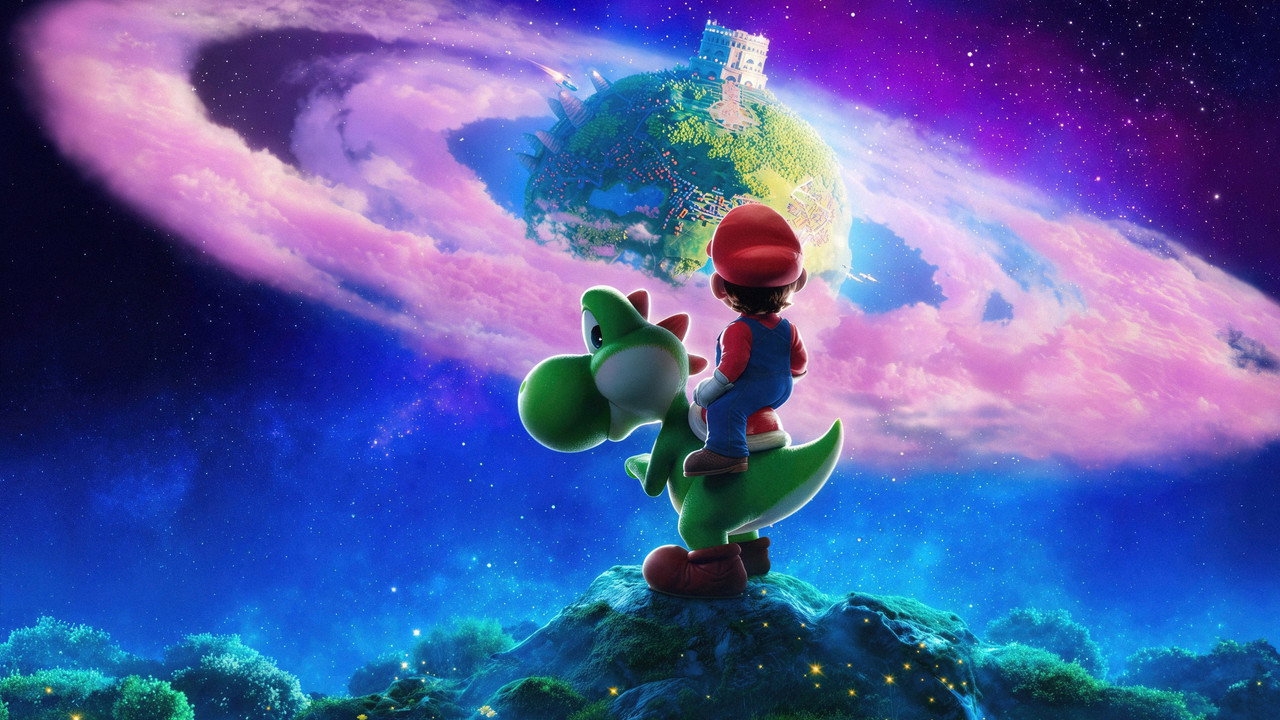
And because the broader Mario ecosystem keeps getting bigger, it is impossible to ignore how the 2023 Super Mario Galaxy Movie conversation fed into all this, especially with Nintendo and Illumination already having proved the property can go gigantic at the box office. The Super Mario Bros. Movie made more than $1.3 billion worldwide, which is, frankly, obscene in the best possible way. Nintendo also acquired Dynamo Pictures in 2022 and renamed it Nintendo Pictures, which tells you everything you need to know about how seriously they now take screen adaptations.
There is also the broader talk of a connected Nintendo film future, including possible crossover territory with other franchises. That part is still firmly in rumor land, so treat it as speculation, not gospel. But it is not hard to see why people keep connecting the dots after the success of the Mario films.
Where to play or buy it now
If you want to actually play these games today, the practical answer is still tied to Nintendo hardware and digital storefront availability. Super Mario Galaxy and Super Mario Galaxy 2 remain the key entries to track if you are shopping for a Mario marathon, and in some regions a Nintendo offer beginning on 2026-04-12 gives buyers a $20 discount on a Switch 2 console when purchasing digital versions of both games at selected retailers, subject to regional availability. That is the kind of promotion that makes people suddenly remember they were always interested in replaying a classic. Funny how that works.
So if you are building a buy list, check current regional availability, compare digital pricing, and watch for retailer bundles. The important thing is not just owning the games, it is getting the version that fits your setup without overpaying for nostalgia tax. Nintendo is very good at charging nostalgia tax, by the way. Very good.
What makes this Mario era worth revisiting
At the end of the day, the Galaxy games endure because they get the basics right and then keep inventing around them. They are accessible without being shallow, inventive without collapsing into gimmick overload, and polished in a way that still makes a lot of modern platformers look a bit cooked. If you only know Mario through the broad cultural shorthand, this is the branch of the series that shows how deep the design philosophy goes. If you already love the series, well, you probably knew that and came here to be validated. Fair enough.
And if you are using Mario as part of your broader Japan pop-culture rabbit hole, these games are a neat entry point because they sit right at the intersection of game history, character branding, and Nintendo’s long habit of turning mechanical ideas into something that feels almost mythic. I think that is why people never really move on from Mario. They just keep finding new excuses to come back.
Frequently Asked Questions
When did Super Mario Galaxy first come out?
Super Mario Galaxy originally released in 2007 for the Wii, and it was developed by Nintendo EAD Tokyo.
What is the best way to think about Galaxy as a Mario game?
It is a platformer built around tight movement, gravity-based stage design, and levels that constantly remix the classic Mario jump-and-run formula.
Where can I buy or play Super Mario Galaxy and Galaxy 2?
They are tied to Nintendo hardware and digital availability, and regional retailer offers can change, including the Switch 2 discount promotion for digital purchases in some markets.
Is the Mario film connection relevant to these games?
Yes, because the Mario film success and the wider Nintendo Pictures push show how central Mario remains to Nintendo’s broader media plans.
Can Mario games help with Japanese study?
Yes, in a limited but useful way, because recurring menu terms, item names, and character vocabulary can support mario kanji and mario japanisch lernen practice.
In pictures