Overview
Here’s the straightforward read: Persona 6 is the next mainline Persona game, not a spin-off, and Atlus has now put it on the record. The reveal arrived with a first teaser during the Xbox Games Showcase, followed by confirmation on the official site, which is the kind of dull but necessary paperwork that ends months of speculation. The reveal also established the game’s current visual identity: a green-neon aesthetic, with a school-life tone that immediately reads as Persona even before the mask comes off.
![Dragon Ball Z: Kakarot [Master Edition]](https://s.pacn.ws/1/p/1eh/dragon-ball-z-kakarot-master-edition-908785.1.jpg?v=t8ja8t&width=400)


What makes the announcement worth paying attention to is not just that the game exists. It’s the shape of the rollout. The teaser showed just enough to confirm tone and branding, while withholding the parts that usually drive the entire pre-launch conversation: the full cast, gameplay breakdown, and release window. If you were hoping for a date, the answer is still no. If you were hoping for platform clarity, Atlus has finally given you something better than rumor fog.
What Atlus has actually confirmed
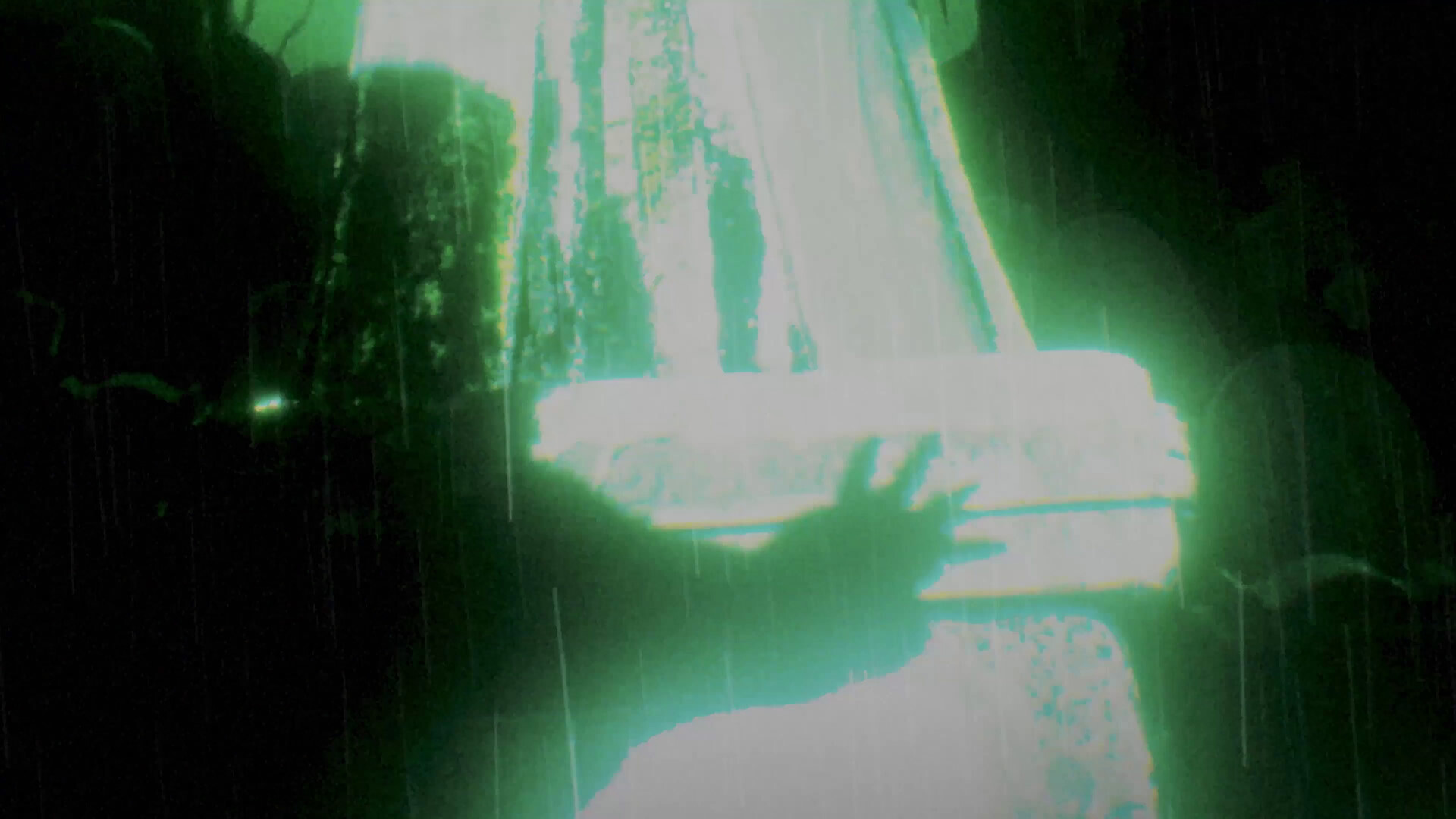
Let’s separate confirmed information from the usual internet confetti. Persona 6 was officially announced by Atlus and shown in its first teaser during the Xbox Games Showcase. Atlus then confirmed the project on its official site, which matters because a teaser without follow-up can be treated like marketing smoke. This one was not. It is the next numbered Persona entry, and that means the stakes are higher than another side story with a familiar velvet curtain.
The revealed tone suggests a school-setting premise, which is a major part of Persona’s identity. In practice, that means the series’ familiar blend of daily life, social structure, and supernatural escalation is still in play. The teaser did not show a full story reveal, gameplay video, or complete party roster, so anyone pretending otherwise is doing fan-fiction with confidence.
The platform situation, finally untangled
Persona 6 is now confirmed for PlayStation 5, Xbox Series X|S, and PC via Steam, with Xbox Game Pass day one availability. As of Nintendo’s September 9, 2026 Direct, Nintendo Switch 2 is also confirmed as a fourth platform. That is the key answer for anyone trying to figure out where to buy it once preorders open: the game is not tied to one ecosystem, and it is arriving with a notably broad launch footprint.
Before the official confirmation, there was plenty of 怪情報 (kayou, rumor or unreliable information), meaning rumor traffic, about where the game would land. Some early speculation pointed to PS5, Xbox, and Nintendo Switch, while later leaks suggested Switch 2 specifically. That chatter was not meaningful on its own. What matters now is that Atlus has settled the question in public. If you want the cleaner version of the timeline, read the earlier speculation as noise and the Switch 2 confirmation as the actual answer. For a deeper record of that pre-reveal period, see Persona 6 Rumors and Speculation: Everything We Know.
Why the release date still matters more than the teaser
The first teaser did not reveal a final release date, and later official overviews still described the launch timing as unannounced. That leaves Persona 6 in the awkward but familiar state of being fully real and completely unpinned to a calendar. Fans can speculate all they like about a 2027 window, but that remains exactly what it sounds like: speculation. Not a promise, not a contract, not a magical calendar leak disguised as certainty.
This is where the phrase 予約 (yoyaku, reservation; advance booking), meaning a reservation or advance booking, starts to become relevant for consumers rather than analysts. Once actual preorders appear, the market shifts from interest to commitment. Until then, any release-date chatter is just that. Atlus has shown the game, confirmed the platforms, and declined to finish the sentence. That omission is not accidental. It is how publishers preserve flexibility while the actual production schedule keeps doing what production schedules always do: refuse to cooperate with internet impatience.
What we know about the story and setting
Officially, Persona 6 leans into urban legends and occult incidents in modern-day Japan. That is not a tiny detail. It tells you where the writers want the tension to live: in the space between everyday life and urban myth, where a rumor can become a plot engine. The teaser also points toward a school-life framework, which suggests the series’ usual rhythm of routine, relationships, and supernatural pressure remains intact.
There were also earlier leaks and reports claiming the game may be set in Yokohama rather than Tokyo. That remains unconfirmed, so treat it as a leak history note, not canon. Likewise, reports about internal assets and character artwork created the familiar pre-announcement storm around the project. Those stories matter mainly because they show how early Persona 6 had already become a magnet for speculation. Which brings us to a more practical question: why does the setting conversation matter at all? Because Persona usually turns place into structure. The city, the school, and the social map are not wallpaper. They shape how the game works.
Gameplay expectations and what the teaser left out
At the moment, the confirmed gameplay information is thin by design. The teaser did not show a complete combat system, a full roster, or a clear mechanical overhaul. Rumors have suggested revamped social-link or relationship systems and even smarter NPC memory of player actions, but those details are unconfirmed. I would not build a theory tower on them yet. Persona rumors have a way of sounding one patch away from certainty until you actually need them to be real.
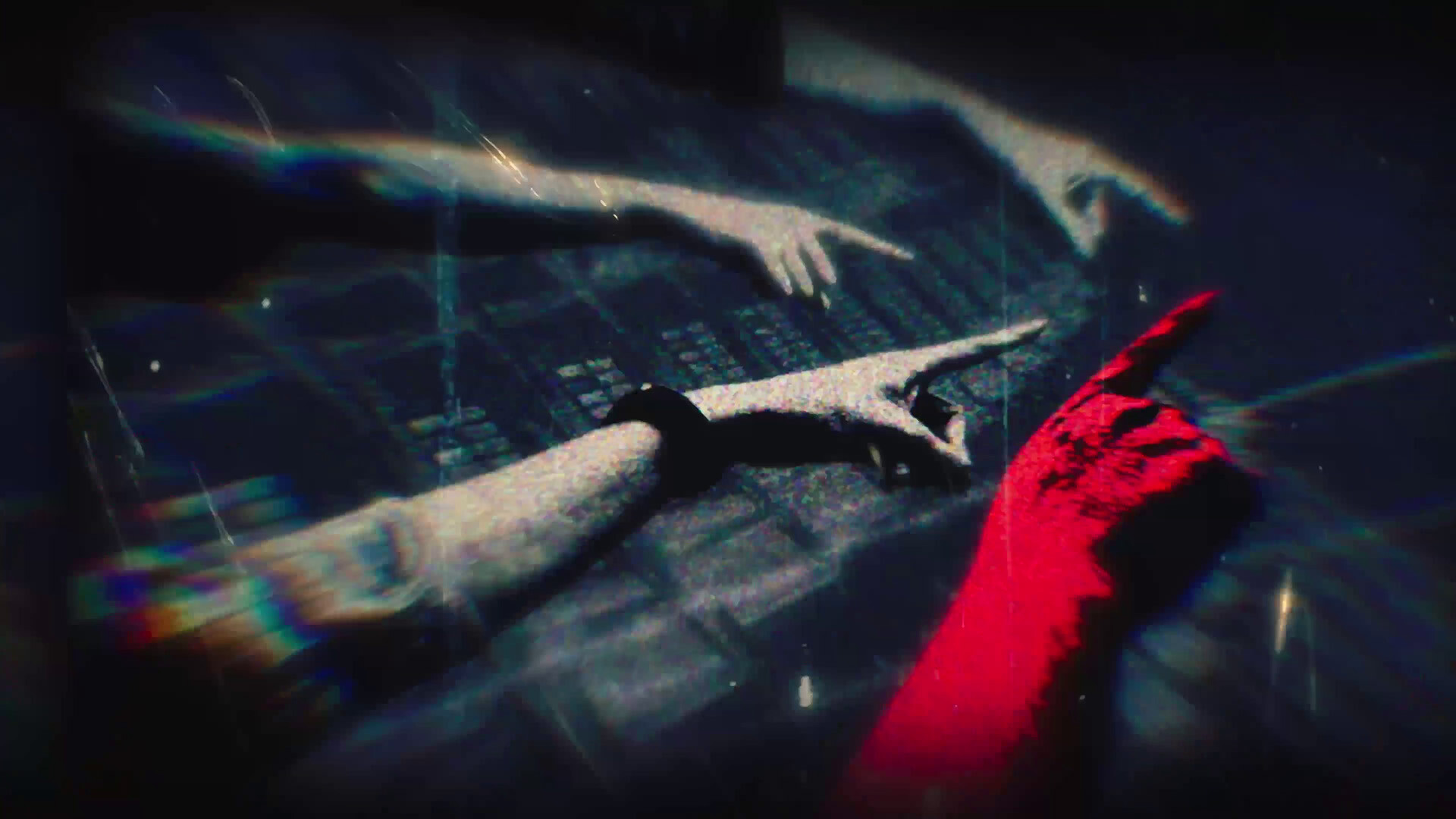
Still, some expectations are reasonable because they track the series’ design DNA. Persona games live or die on the balance between dungeon crawling, day-to-day scheduling, and character interaction. If Persona 6 changes anything substantial, it will likely be in how those systems connect rather than whether they exist. That is the series’ recurring trick: keep the skeleton recognizable, then make the joints do harder work.
Why the reveal matters for the series
Persona 6 matters because it is the next mainline entry in one of Atlus’s most commercially visible franchises, and because its announcement shows a deliberate platform strategy rather than a narrow one. The combination of PS5, Xbox Series X|S, PC, Game Pass, and Switch 2 says Atlus wants reach, not just prestige. That does not automatically tell you whether the game will be better or worse. It does tell you the publisher is treating this as a broad-market release rather than a niche event.
It also reinforces how the Persona series now operates as a cultural object as much as a game series. Fans look for release dates, sure, but they also look for aesthetic identity, city references, and even learnable language hooks. If you are using Persona 6 as a way to study game-related Japanese vocabulary, terms like 先輩 (senpai, upperclassman; senior person), 引きこもり (hikikomori, someone who withdraws from society and stays home), 闇 (yami, darkness; the dark side), and gendai shakai are the kind of conceptual language that fits the series’ themes, while persona 6 kanji and persona 6 japanisch lernen remain obvious search paths for readers trying to connect the franchise to study habits. The point is not that the game is a textbook. The point is that its vocabulary-heavy world makes it unusually useful for learners who like context with their flashcards.
Related Persona titles and what to buy while waiting
If you are waiting for Persona 6, the sensible move is to revisit the mainline entries rather than chase leaks in circles. Persona 5 Royal remains the obvious modern benchmark for structure and pacing. Persona 4 Golden is still the best example of how Persona balances mystery with everyday routine. Persona 3 Reload shows how a classic can be rebuilt for a current audience without losing its backbone. None of these are substitutes for Persona 6, of course. They are the working reference points that help you understand what Atlus is likely protecting and what it may choose to change.
For where to play or buy Persona 6, the answer is already broad: PlayStation 5, Xbox Series X|S, PC via Steam, Xbox Game Pass day one, and Nintendo Switch 2. That means your purchase decision will likely come down to preferred platform features, subscription access, and whether you want portability on Switch 2. Once storefront pages and preorder options go live in earnest, that is when the buying decision becomes concrete rather than speculative. For now, the release facts are simple, and the missing date is the one thing no teaser can bluff its way around.
Frequently Asked Questions
Is Persona 6 officially announced?
Yes. Atlus officially announced Persona 6, showed the first teaser at the Xbox Games Showcase, and later confirmed the project on its official site.
What platforms will Persona 6 be on?
Confirmed platforms are PlayStation 5, Xbox Series X|S, PC via Steam, Xbox Game Pass day one, and Nintendo Switch 2.
Does Persona 6 have a release date yet?
No. The first teaser and later overviews did not provide a final release date.
What do we know about the story?
Official information points to urban legends and occult incidents in modern-day Japan, with a school-life tone typical of the series.
Are the leaked details about Persona 6 confirmed?
No. Claims about Yokohama, revised social systems, and character artwork should be treated as unconfirmed unless Atlus states them directly.