The setup feels like a neat mix of cute character branding and proper studio pedigree. If you like following Japanese media news, this is one of those updates that tells you a lot about where the franchise is going next.



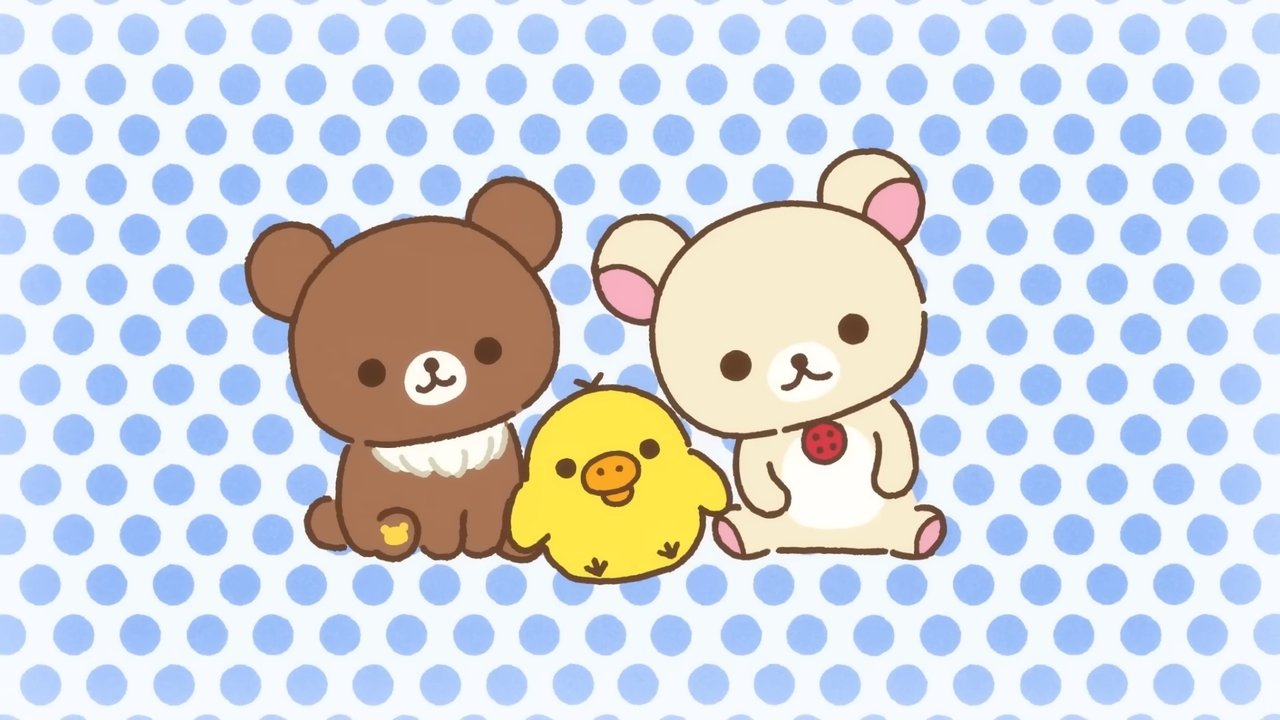
Rilakkuma has always had that special kind of appeal, the sort that makes you smile before you even know why. Now the bear’s getting a fresh anime chapter, and the new season title, Teke Teke 世界 (Sekai, world) Ryoko, makes the direction pretty clear: this isn’t just another cosy slice-of-life update, it’s a travel-themed pop culture project with a global flavour. TBS is handling the announcement side, while Production I.G is attached to the production, which gives the whole thing a serious boost in credibility.
For Japan fans, this is the kind of news that lands right in the sweet spot. Cute character IP, a recognisable broadcaster, and a respected studio, that’s a combination that usually means the project isn’t being thrown together on a whim. My tip: if you’re learning Japanese, keep an eye on these announcements, because they’re packed with useful vocabulary like anime, season titles, and production credits. Quick detour: Japanese media reports often use words like 変身 (henshin, transformation), 新作 (shinsaku, new work; new release), and 決定 (kettei, decision; confirmation), and spotting them in context is great reading practice.
Rilakkuma Anime: Why This Character Still Works So Well
Rilakkuma first became a major lifestyle character through San-X, and that laid the foundation for everything that came later. The bear’s name itself is a neat little language moment, too, since it combines riri, from the idea of relaxation, with 熊 (kuma), meaning bear. That contrast is the whole joke, a bear who does absolutely nothing, and somehow becomes one of Japan’s most recognisable mascots. Sounds weird, but it’s true.
The earlier Rilakkuma anime projects leaned into quiet humour, soft colours, and everyday absurdity. That style fits the character perfectly, because Rilakkuma has never been about action or speed. It’s about mood, and about a kind of low-energy comfort that many fans in Japan and abroad find strangely addictive. What I especially like is that it doesn’t try to force the character into something louder than it is.
On a related note, this is also why Rilakkuma travels well internationally. You don’t need deep cultural background to get the humour, but Japanese fans will still notice the subtle design language, from the food obsession to the gentle pacing. That balance is exactly why the franchise keeps finding new formats. But that’s not all.
TBS and Production I.G Bring Real Weight to Teke Teke Sekai Ryoko
That brings us to the new production details, and they matter more than casual fans might think. TBS is a major Japanese broadcaster with a long history of anime and entertainment programming, so its involvement gives the project visibility right away. Production I.G, meanwhile, is one of the best-known animation studios in Japan, with a reputation that stretches across TV anime, films, and polished character work.
A studio like Production I.G changes expectations. Viewers start looking at motion, composition, and background detail a little differently, because the studio name carries a certain promise. That doesn’t mean the new Rilakkuma season will suddenly turn into high-speed action, of course. It means the series can lean into careful visual storytelling, and that matters for a character who lives or dies on expression, timing, and atmosphere. Trust me on this one: for a title like this, the studio choice is half the fun.
Why the Season Title Matters
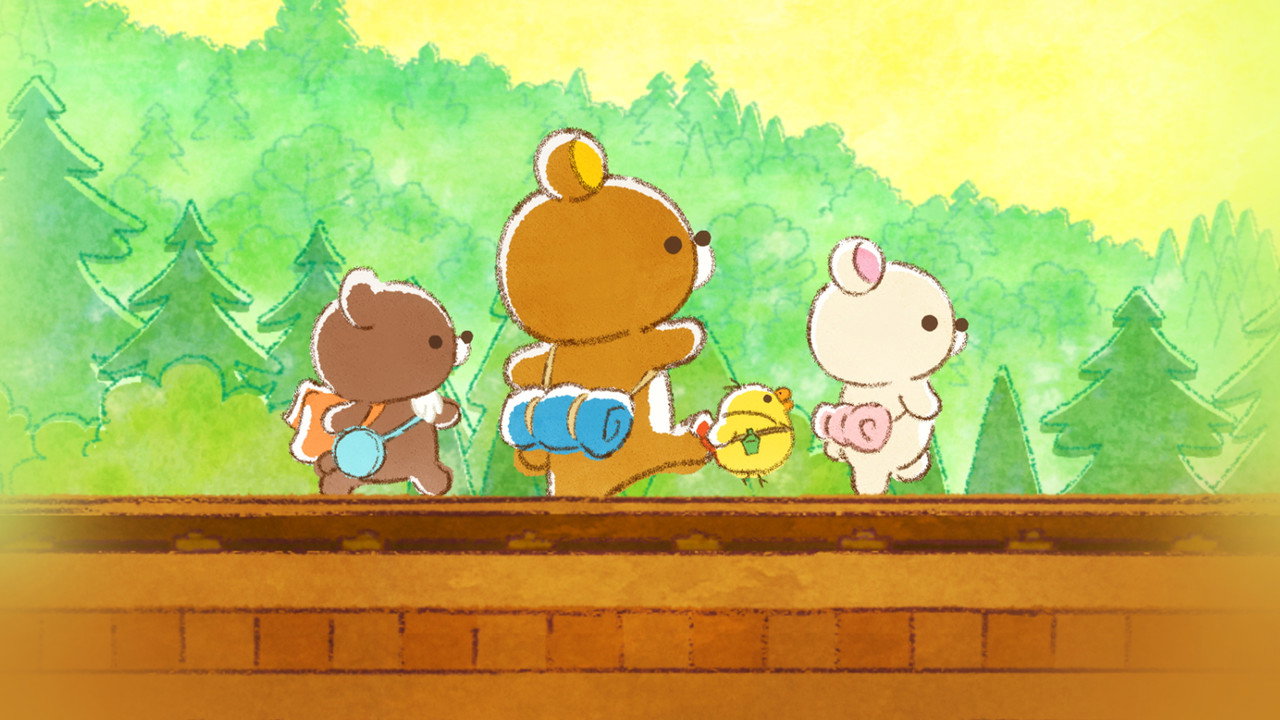
Teke Teke Sekai Ryoko is the kind of title that tells a story before you’ve seen a frame. Sekai ryoko means world trip or world travel, so the season is clearly aiming beyond a single setting. Teke teke gives the title a playful rhythm, almost like light footsteps or a casual stroll, which suits Rilakkuma’s easygoing personality.
If you’re studying Japanese, this is a lovely example of how titles can carry tone, not just information. A title like this feels cute, rhythmic, and a bit whimsical, all at once. You can also hear how Japanese often favours sound and cadence in naming, especially for character-driven media. A great example: even without knowing every detail, you already get the vibe. My verdict: this is exactly the kind of title that sticks in your head.
What a World-Travel Rilakkuma Anime Could Actually Mean
Did you know that...? Character travel stories are a common move in Japanese media, especially when a franchise wants to refresh itself without losing its core identity. A world-trip concept lets the writers switch scenery, introduce different food, architecture, and customs, and still keep the familiar cast front and centre. For Rilakkuma, that could mean postcards of famous cities, local snacks, and the usual sleepy comedy placed against new backdrops.
That opens up a lot of cultural learning for fans, too. A trip abroad in anime often becomes a gentle comparison point, where viewers notice how Japanese characters react to foreign places, language, and everyday habits. If the new season keeps that playful tone, it could be a fun way to explore travel vocabulary in romaji, like 旅行 (ryokou, trip; travel) for trip, or the feeling of 多分 (tabun, maybe; probably), maybe, when characters are guessing their next stop. Oh, almost forgot: these little language links are exactly why Japan fans and learners keep following anime news.
Hand on heart: this is the sort of update that makes Japanese pop culture feel alive. It’s not just a new season, it’s a sign that a long-running character can still be repositioned in a fresh way. And with TBS plus Production I.G behind it, the project has the kind of structure that makes fans pay attention. Simply brilliant.
For more updates like this, more Japan news on jpnerd.com.
Frequently Asked Questions
What is the new Rilakkuma anime season called?
The new season is titled Teke Teke Sekai Ryoko.
Which company is involved in the announcement?
TBS is part of the project announcement.
Who is producing the new season?
Production I.G is attached to the production.