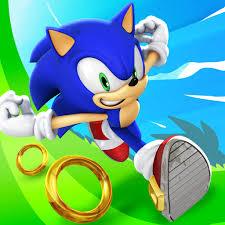
If you like Sonic, esports, or just following Japanese game news, this is the kind of update worth keeping an eye on. It’s fast, loud, and very Sega, right down to the blue blur energy.
![Dragon Ball Z: Kakarot [Master Edition]](https://s.pacn.ws/1/p/1eh/dragon-ball-z-kakarot-master-edition-908785.1.jpg?v=t8ja8t&width=400)

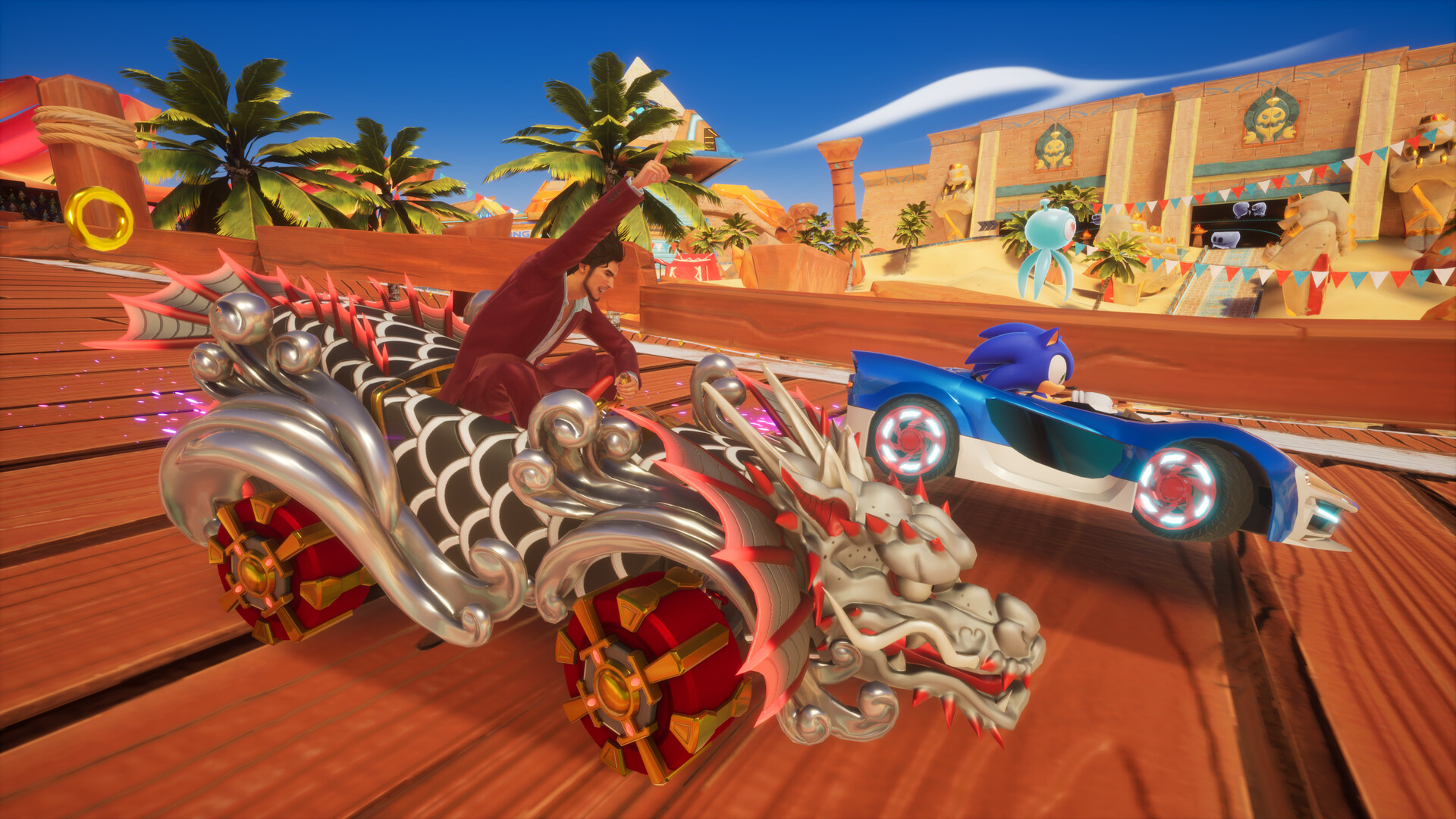
SEGA has opened the World Championship qualifiers for Sonic Racing: CrossWorlds, and for fans of Japanese games, that’s exactly the sort of event that keeps the scene lively. The qualifiers are live now, and the timing matters, because this isn’t a trailer, a tease, or a vague promise. It’s an actual competition, with players racing for spots, points, and bragging rights.

Did you know Sonic has been part of Sega’s identity since 1991? That long history gives this event extra weight. Sonic Racing: CrossWorlds is built around that same arcade-style spirit, where speed, precision, and timing matter far more than safe driving. No wonder, because Sega has always leaned into games that feel energetic rather than cautious.
Sega, Sonic Racing: CrossWorlds, and a live championship push
Unlike what we're used to from standard game launches, this one comes with a live competitive angle. Sega isn’t just promoting Sonic Racing: CrossWorlds as a new title, it’s treating it like an event platform. That’s a smart move, because racing games live or die by replay value, and tournaments give players a reason to keep coming back.
The World Championship qualifiers are now live, which means players can watch, enter, and follow the race for the top spots. That brings us to the key point: this is not only for hardcore competitors. Even casual fans can enjoy the tension, especially if they already know Sonic from the games, anime, or old-school manga tie-ins. Classic Japan, isn't it?
Why this matters for Sega fans
Sega has been through many eras, from arcade dominance to home console battles with the Mega Drive and Saturn, to the modern mix of software publishing and nostalgia-driven branding. Events like this help keep Sega’s name active in the minds of younger players too. That’s why Sonic Racing: CrossWorlds feels important, not just as a racing game, but as part of Sega’s wider game culture.
My tip: if you follow Japanese gaming news, keep an eye on how Sega frames competitive play around Sonic. It often tells you a lot about where the company wants the brand to go next. See what I mean?
Twitch Drops Rewards make the event even better
Quick detour: the Twitch Drops Rewards are a big part of why this news is worth a look. If you watch qualifying streams on Twitch, you can earn rewards just for tuning in, which makes the event feel more interactive. For a lot of players, that’s the hook that turns “maybe later” into “I’ll leave the stream on right now.”
No joke: reward systems like this work because they reward participation without asking too much from the viewer. Sega knows that modern game communities like to feel included, and Twitch Drops do exactly that. They’re simple, effective, and they create a nice bridge between the game, the stream, and the fan.
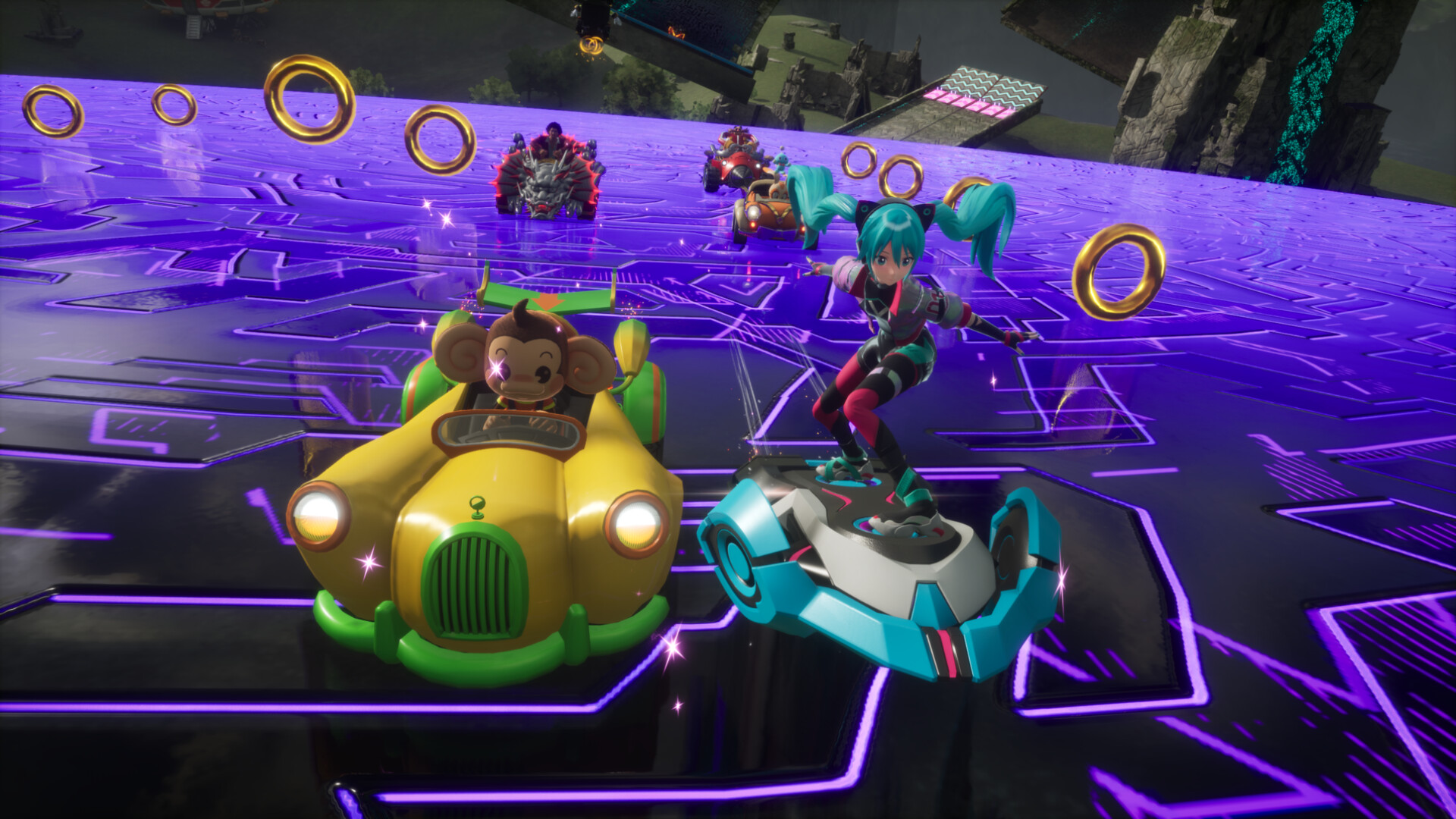
What Twitch Drops mean in practice
If you’re new to this kind of system, Twitch Drops usually unlock in-game or platform-linked rewards after you watch for a set amount of time. The exact items can change by campaign, but the principle stays the same. Watch, connect your account, claim the drop, and enjoy the bonus.
That may sound small, but it’s a very modern way to build a game community. It also fits the Japanese gaming habit of turning events into collectible moments, much like limited goods at a 祭り (matsuri, festival) or station kiosk. The reason is simple: people love feeling like they got something special for showing up. Sounds good, right?
What Japanese language learners can pick up from this event
Guess what? Even a gaming announcement like this can help with Japanese learning if you know where to look. Sonic’s name stays the same, but terms around competition, streaming, and rewards often overlap with Japanese gaming vocabulary. Words like 大会 (taikai) for tournament, 予選 (yosen, qualifiers; preliminary round) for qualifiers, and バトル (batoru) for battle show up all the time in game coverage and fan discussion.

Here’s the thing: Japanese news about games often uses short, sharp phrases, especially in event titles and social posts. If you read SEGA updates regularly, you’ll start noticing patterns fast. You might also spot カタカナ (katakana, katakana script)-heavy writing, which is common for game titles, tech terms, and imported concepts. That’s useful practice, because it trains your eyes for the kind of Japanese you’ll actually meet online.
My tip for learners watching esports news
My tip: read the English coverage first, then look for the Japanese version on SEGA’s official channels if it’s available. You don’t need to understand every line. Even matching a few words, like race terms or event labels, gives your memory a strong anchor. ありがとう (Arigato, thank you), game news.
And honestly, that’s one reason I enjoy this kind of story. It sits right between pop culture and language practice, which is a very Japan-friendly combination. You get the excitement of a live tournament, plus a small but real chance to pick up useful vocabulary along the way. Wait, there's more.
If you want to keep following Japan-related updates like this, check out more Japan news on jpnerd.com.
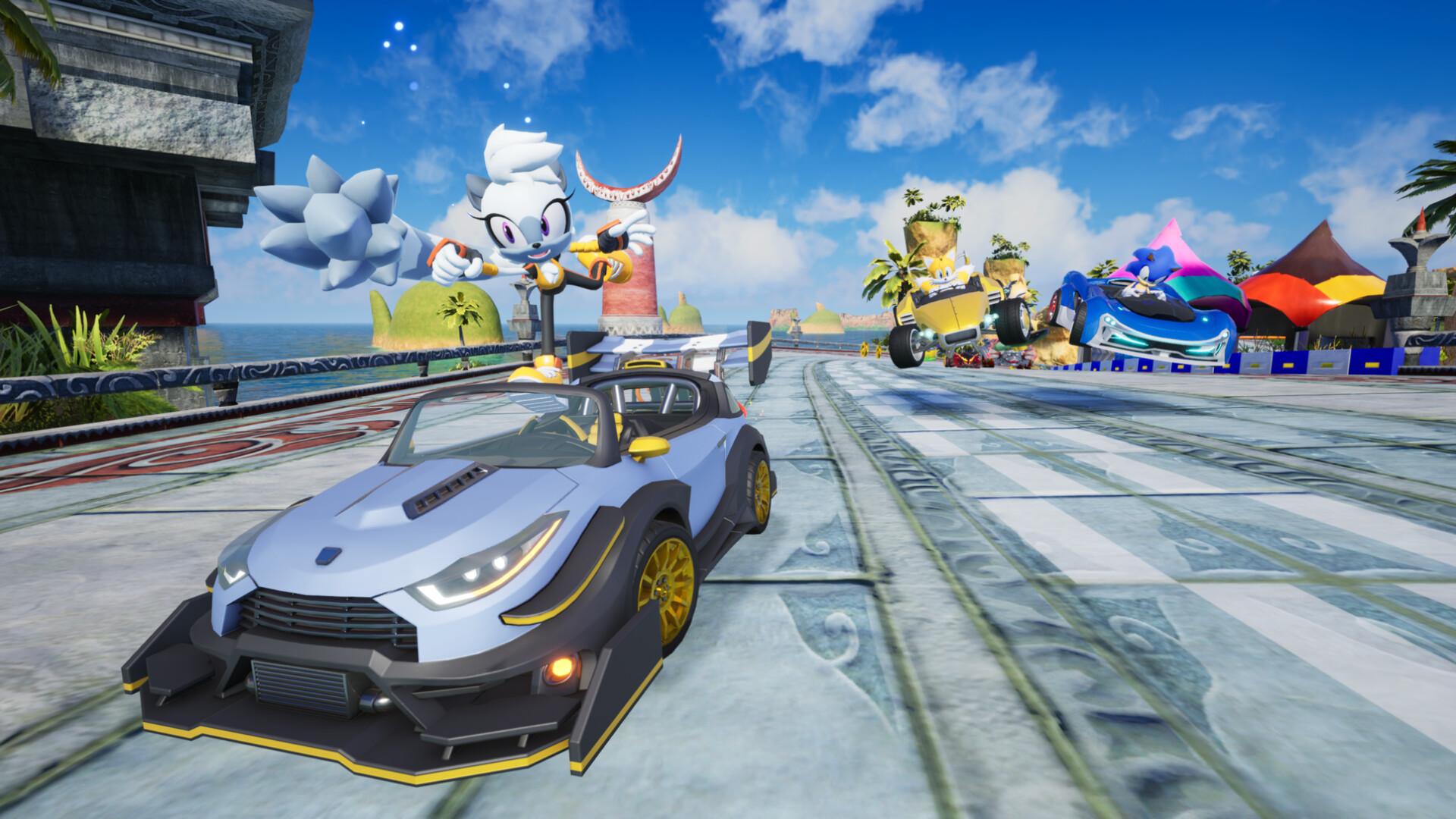
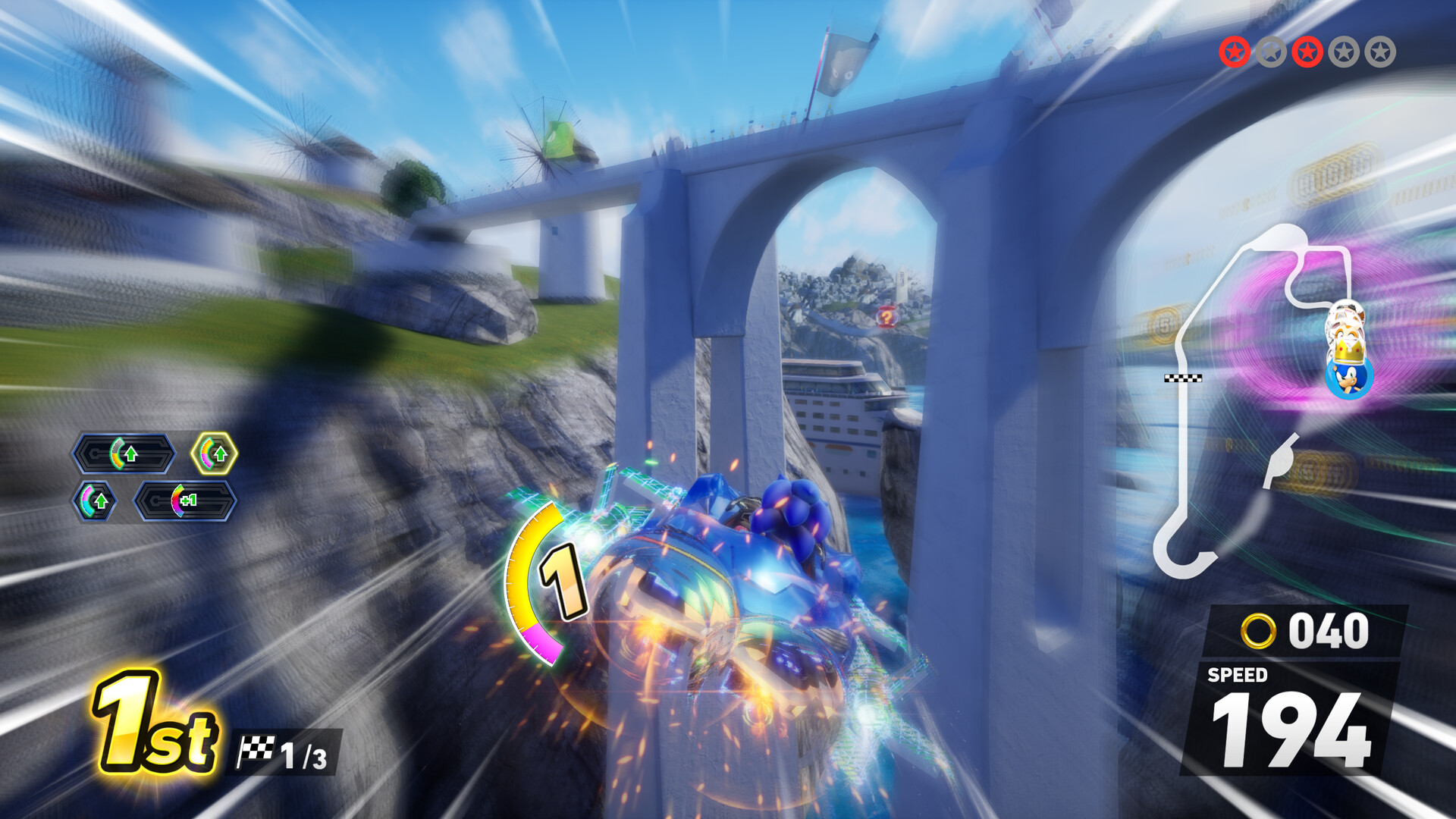
In pictures
Frequently Asked Questions
What is Sonic Racing: CrossWorlds?
It is a Sega racing game centred on Sonic and fast-paced competition.
What are the World Championship qualifiers?
They are live competitive races that decide who moves forward in the tournament.
How do Twitch Drops work?
You watch eligible streams, meet the viewing requirement, and claim rewards through your connected account.