

For Japanese learners, this is a neat reminder that horror in Japan often works best in small doses, with words, silence, and atmosphere doing most of the heavy lifting. Sounds weird, but it’s true.



Yamishibai season 17 is one of those anime announcements that makes perfect sense once you know the show’s lane. It’s not trying to be flashy, and it’s not chasing the mainstream spotlight. It just keeps returning, year after year, with tiny ghost stories that are cheap to watch, easy to remember, and still unsettling in that very Japanese way. My tip: if you want to understand how Japan does short-form horror, this series is a good place to start.
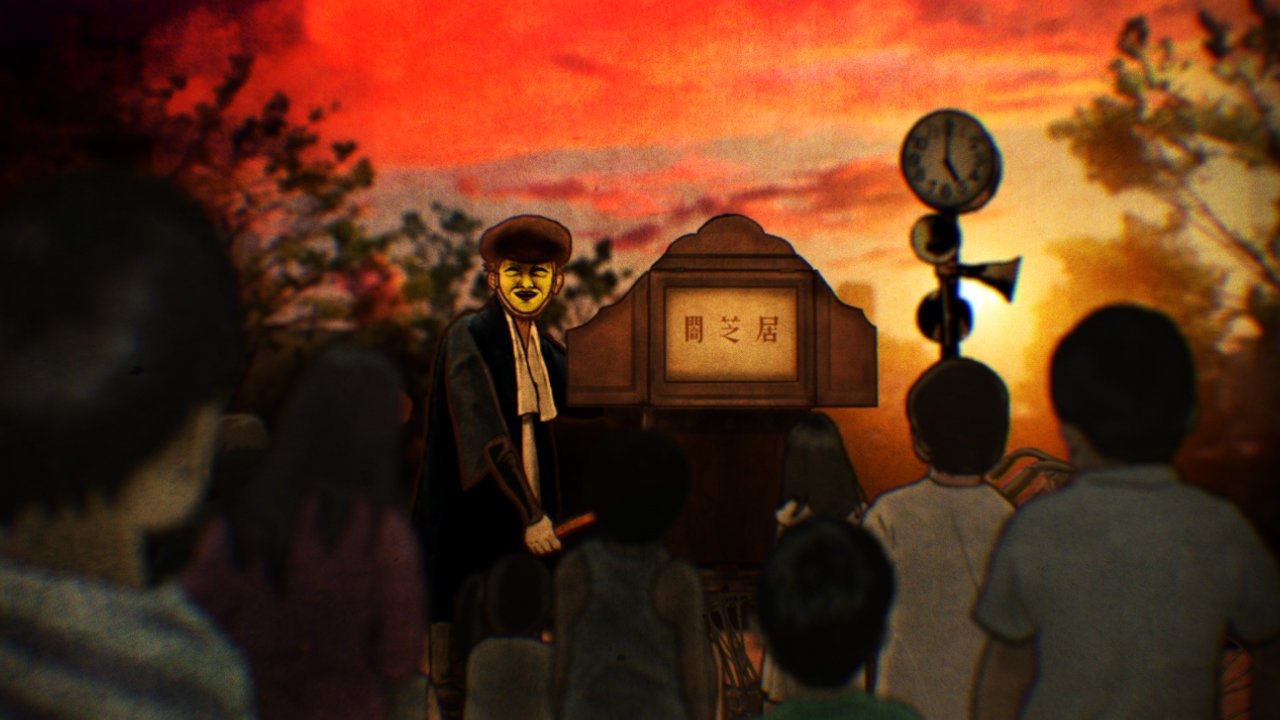
The new season starts on July 12, and Kanji Tsuda is once again attached to the project, which is a nice bit of continuity for a series that thrives on atmosphere. He’s been part of the Yamishibai identity for a while now, and his voice gives the show that dry, eerie edge it needs. Here’s the deal: when a show has been running for this long, consistency matters as much as novelty. See what I mean?
Yamishibai season 17: a long-running niche anime that still works
Ever wondered why some anime stay small but never disappear? Yamishibai is a good example. It debuted in 2013, and the format has stayed stubbornly simple, short episodes built around urban legends, haunted spaces, and bad decisions people make after dark. That simplicity is the trick. It won’t impress viewers who want huge fights or detailed world-building, but it doesn’t need to.
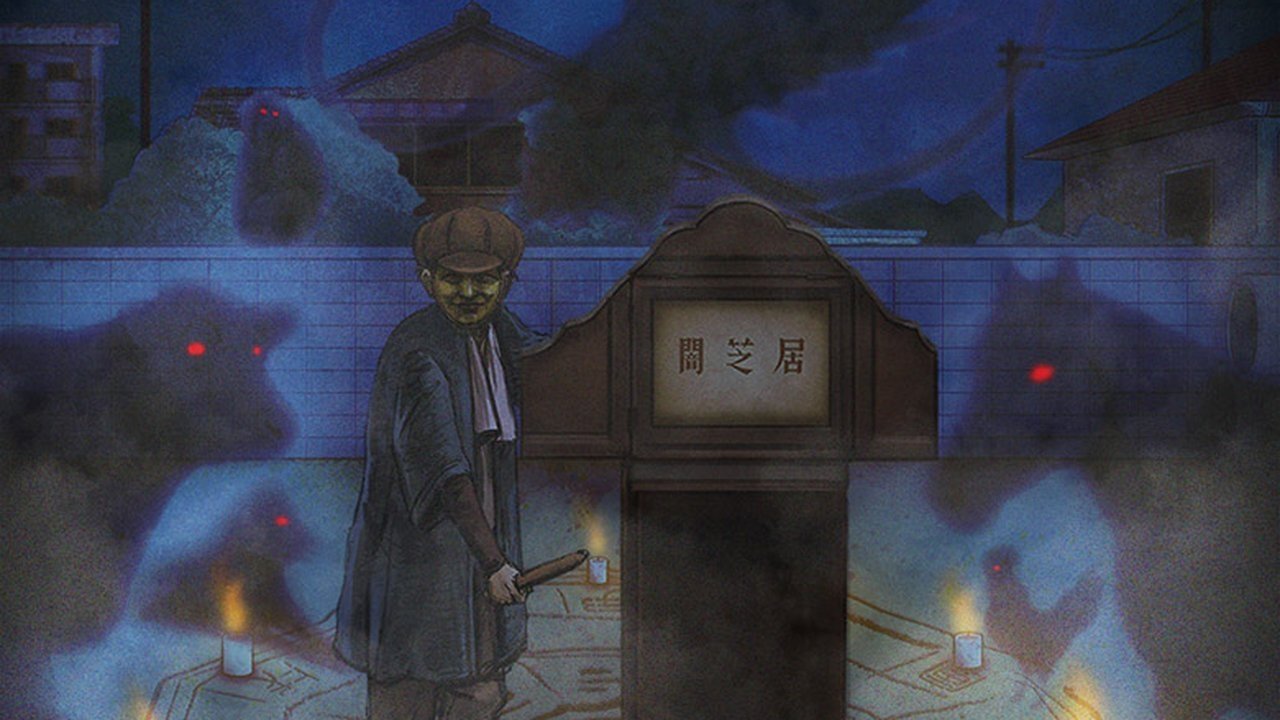
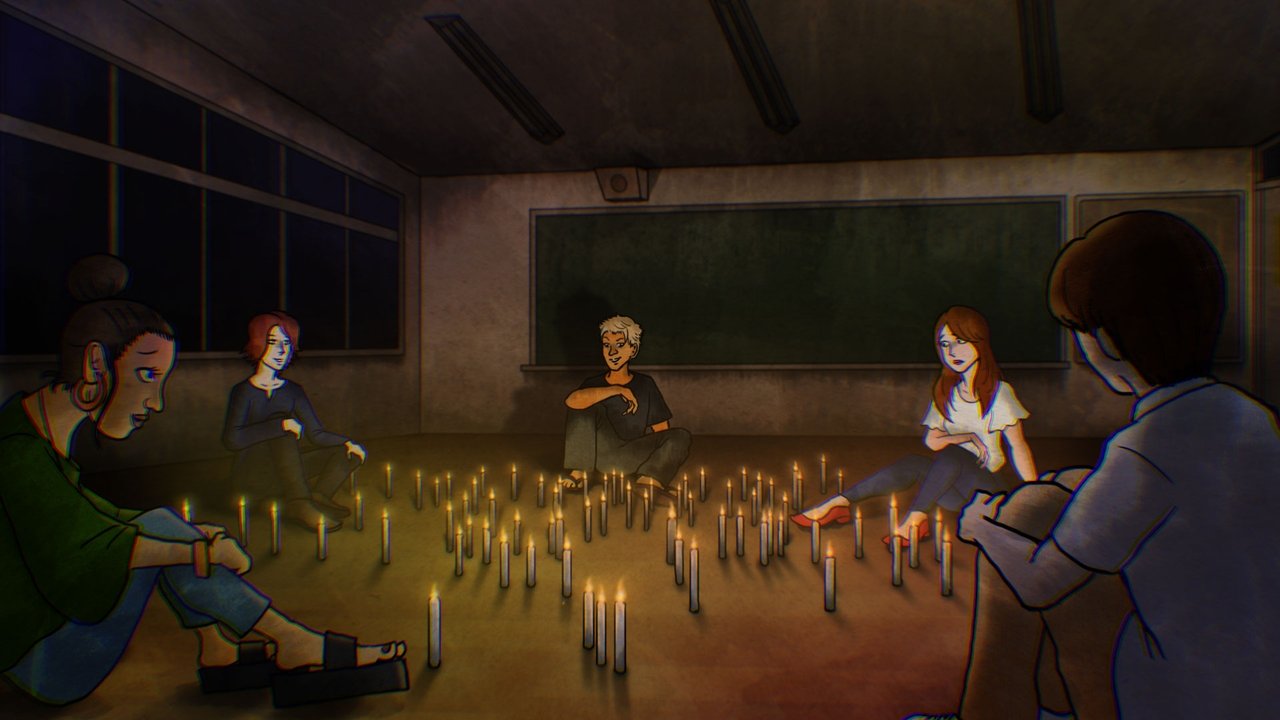
To be fair, horror fans often prefer restraint, and Yamishibai understands that. The show uses a picture-story style inspired by 紙芝居 (kamishibai, paper-theatre storytelling), the old Japanese paper-theatre format, and that rough visual texture makes the whole thing feel a bit like a childhood memory gone wrong. On the flip side, that same stripped-down look is exactly why some people bounce off it. There’s no glossy safety net. Just shadows, sound, and timing. From my experience...

Why the format still stands out
Each season keeps the episodes short, which suits modern viewing habits surprisingly well. You can watch one before bed, then regret it right after. Take the runtime, for instance. It’s short enough to feel harmless, yet long enough to leave a nasty aftertaste. Simply brilliant.
What many overlook is that Yamishibai has lasted because it knows its audience. It never pretends to be a huge hit. It’s a reliable niche series, the kind Japan keeps producing because there’s always room for stories about school corridors, empty apartments, and things seen out of the corner of your eye. Not bad, right?
July 12 release date and what Kanji Tsuda brings
Guess what? The July 12 premiere date gives the series a clean summer launch, which is perfect for ghost-story season in Japan. Summer and horror go together naturally in Japanese pop culture, from haunted-house events at festivals to late-night TV specials and scary stories told after fireworks. If you’ve ever heard the phrase 幽霊 (yurei, ghost) or お化け (obake, ghost; monster), you already know the vibe. The seasonal timing isn’t random, it’s part of the appeal.
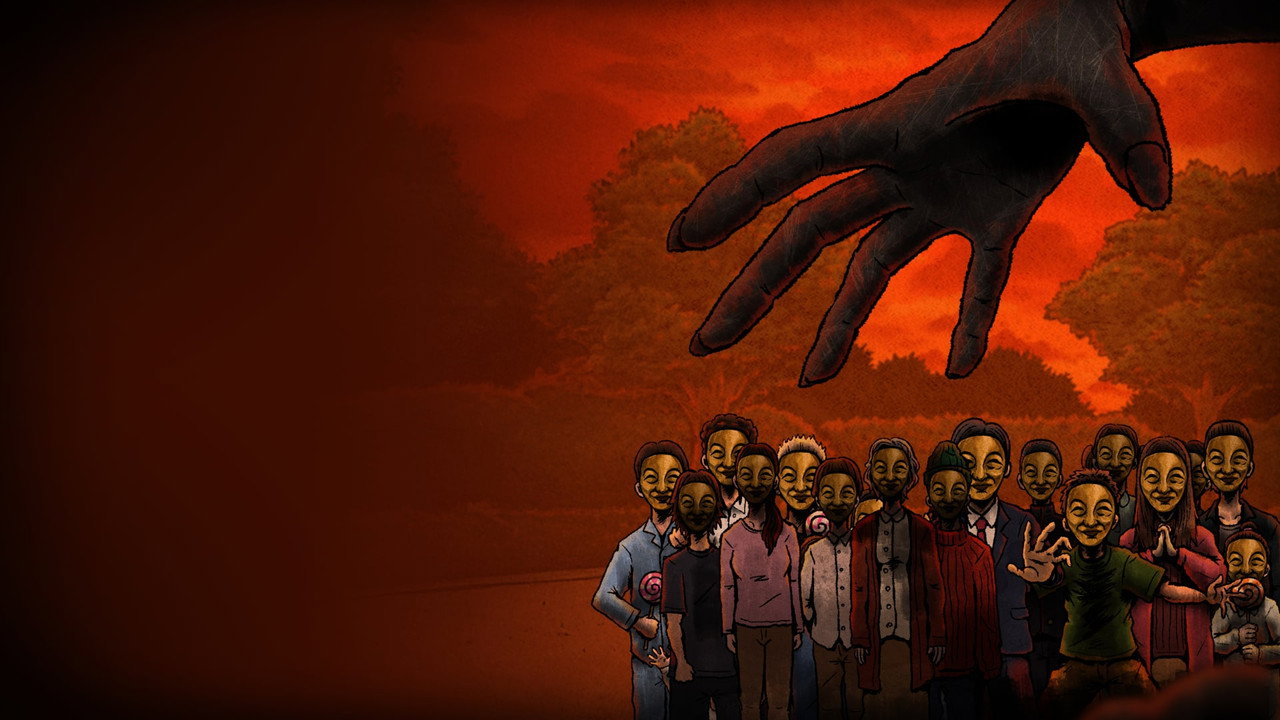
Kanji Tsuda’s involvement is also worth paying attention to. He’s an actor with a strong presence, and his voice helps Yamishibai feel like more than a quick internet-age fright machine. He adds weight without overacting, which is exactly what this show needs. Here’s the catch: when horror gets too polished, it can lose its edge. Tsuda helps keep it grounded.
What Japanese learners can notice
If you’re studying Japanese, Yamishibai is a sneaky useful watch. The dialogue is usually short, direct, and easy to catch if you’ve reached beginner-to-intermediate level. You’ll hear everyday words tied to fear, places, and warning phrases, things like 夜 (yoru, night), 部屋 (heya, room), 怖い (kowai, scary; frightening), and dame. Those little chunks stick in your head better than textbook examples.
And there’s a cultural bonus too. Many stories hinge on social spaces Japanese learners already see in other media, like 玄関 (genkan, entryway; entrance hall), school hallways, train stations, and narrow residential streets. That gives the horror a very local texture. Trust me on this one: once you start noticing how often Japanese ghost stories use ordinary places, the genre becomes even creepier. See what I mean?
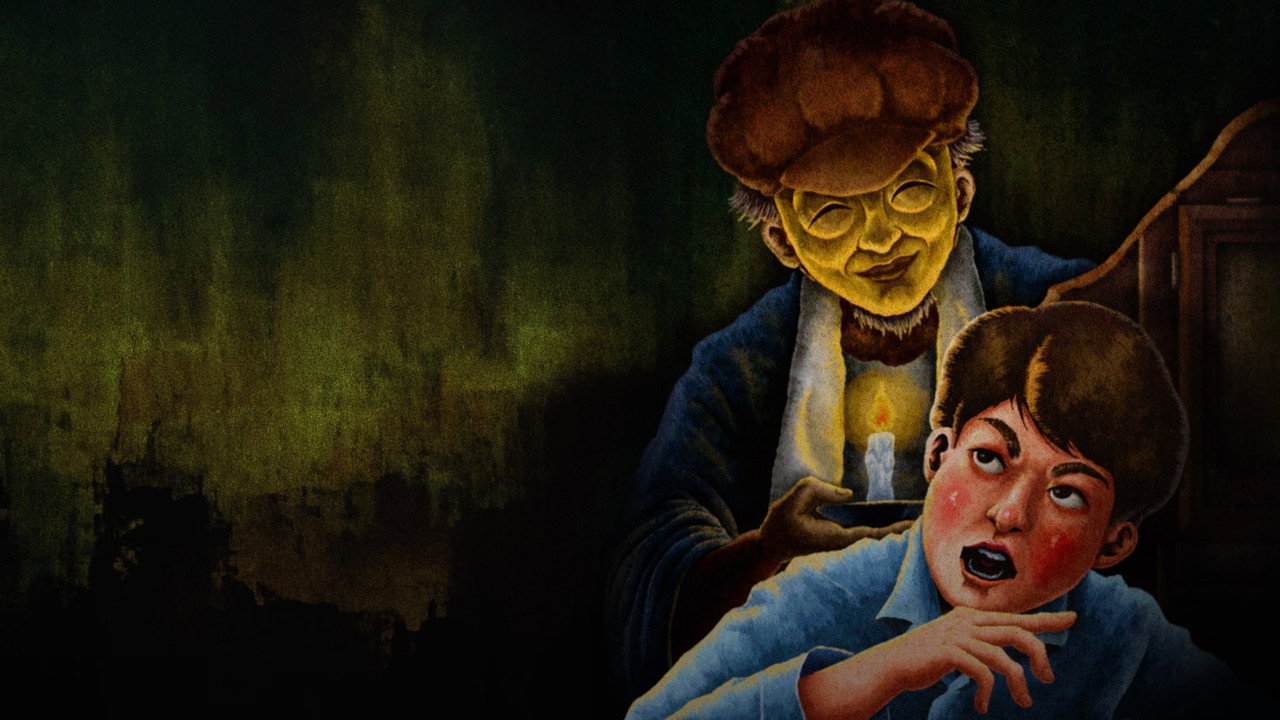
Why Yamishibai season 17 matters for Japan fans
For fans of Japan, Yamishibai season 17 is a reminder that not every long-running anime needs to be a giant franchise. Some series survive because they do one thing well, and they keep doing it. That steady niche status is part of the charm. It’s a little like a quiet neighbourhood 祭り (matsuri) compared with a huge city festival, less spectacle, more atmosphere.
What I especially like is that the show has never tried to reinvent itself into something it’s not. It stays close to Japanese ghost-story traditions, then adapts them to short-form anime. That blend of old and new is exactly the sort of thing Japan does best. If you enjoy folklore, seasonal storytelling, or just seeing how Japanese fear is framed through everyday settings, this season is worth keeping on your radar. My verdict: Yamishibai may be small, but it’s still very much alive.
Want more updates like this? more Japan news on jpnerd.com
In pictures
Frequently Asked Questions
When does Yamishibai season 17 start?
It starts on July 12.
Who is involved in the new season?
Kanji Tsuda is part of the new season.
What makes Yamishibai different from other anime?
It focuses on very short ghost stories with a simple, eerie presentation.


