
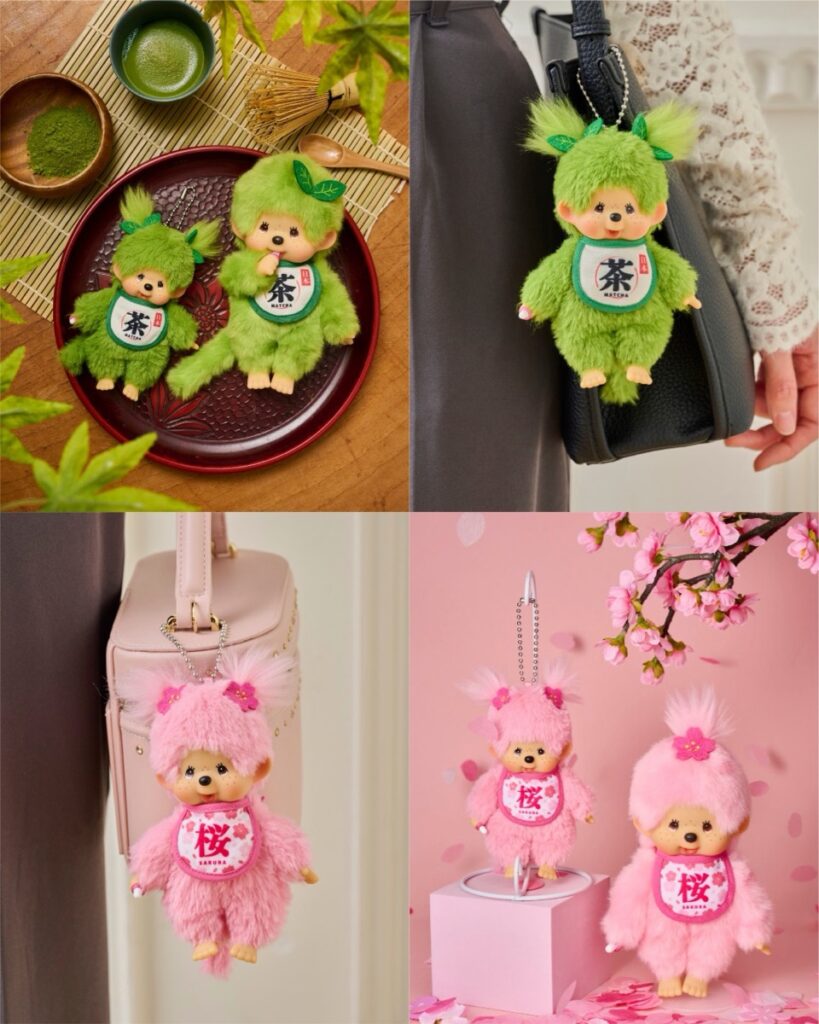
What I especially like is how clearly these figures lean into seasonality. They’re cute, yes, but they also tap into two flavours of Japan that fans instantly recognise: 花見 (hanami, cherry blossom viewing) and tea culture, all in one tiny collectible.
![Dragon Ball Z: Kakarot [Master Edition]](https://s.pacn.ws/1/p/1eh/dragon-ball-z-kakarot-master-edition-908785.1.jpg?v=t8ja8t&width=400)


Did you know that Monchhichi has been around since 1974? That long-running charm is part of why new releases still get attention, especially when Sekiguchi gives the character a seasonal twist. This time, the spotlight is on 桜 (Sakura, cherry blossom) Monchhichi and 抹茶 (Matcha, powdered green tea) Monchhichi, both set to start in Japan on 19 June.
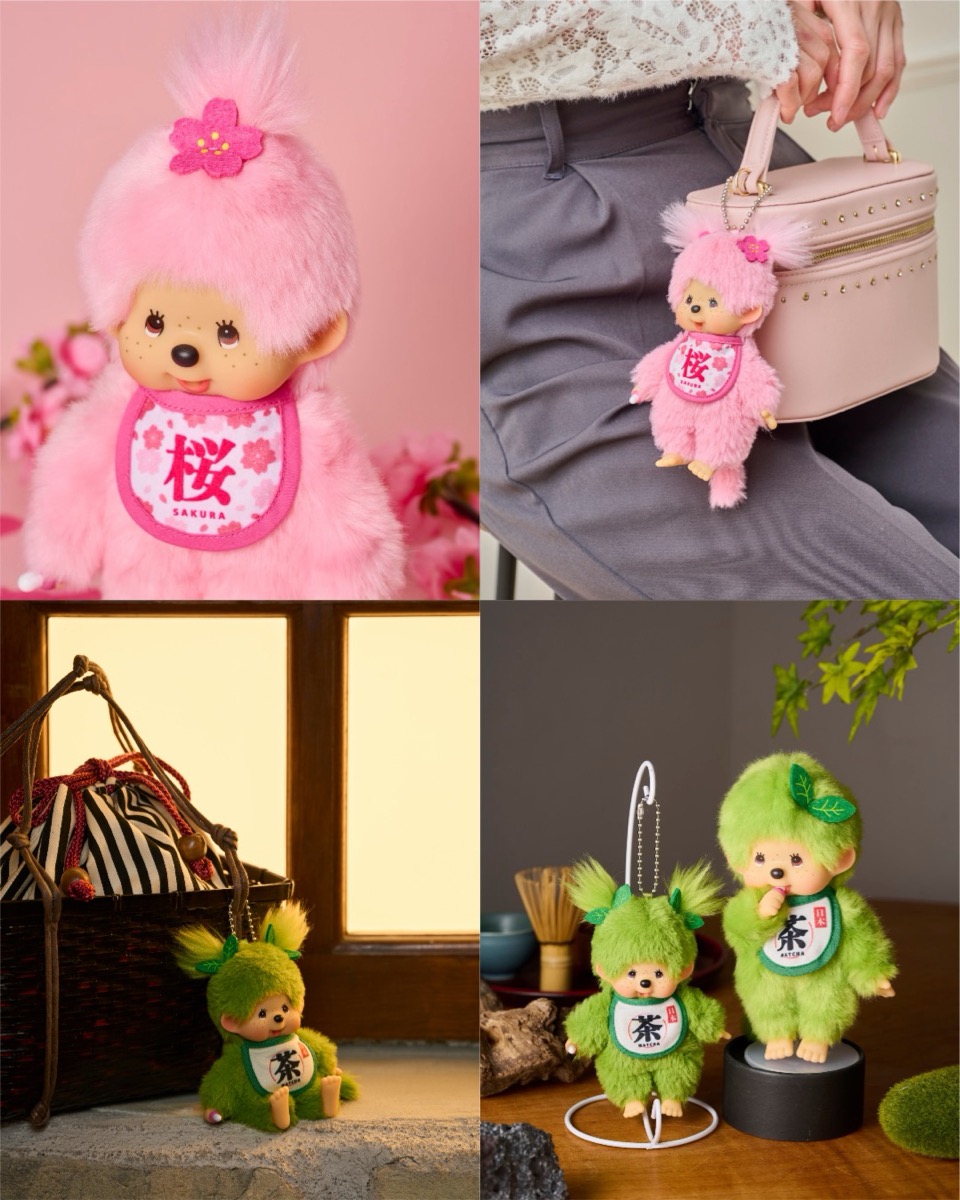
For Japanese learners, this kind of release is a nice little vocabulary lesson too. Sakura means cherry blossom, matcha is powdered green tea, and both words show up everywhere in Japanese daily life, from cafe menus to festival goods. No wonder, because these themes are easy to love and easy to spot in shops too.
Sekiguchi puts Sakura and Matcha Monchhichi on sale from 19 June
Here’s the thing: this isn’t just a random restock or a vague teaser. Sekiguchi has set a concrete start date, 19 June, which makes the launch feel very real for collectors planning ahead. If you follow character goods in Japan, that date is the one to mark.
The company behind Monchhichi has always understood how to keep the character fresh without losing its identity. Monchhichi first appeared in the 1970s, and it has stayed relevant by changing outfits, themes, and collaborations. A great example is seasonal versions that connect directly to Japanese tastes and travel memories.
Hand on heart, that’s why these two versions work so well. Sakura Monchhichi brings springtime flower energy, while Matcha Monchhichi leans into the calm, earthy look of tea culture. They’re tiny, but they carry a lot of Japan flair.
To be fair, the appeal isn’t only for long-time fans. Newcomers who are just building a collection can still enjoy them, because the theme is instantly readable. You don’t need years of collecting experience to understand what these dolls are trying to say.
Sakura Monchhichi and Matcha Monchhichi, explained
Sakura Monchhichi
Sakura Monchhichi is the obvious eye-catcher if you like soft colours and spring motifs. Sakura in Japan is tied to hanami, the cherry blossom viewing season, and that makes the design feel seasonal rather than generic. It’s the sort of thing you could imagine buying after a walk under blossom trees in Ueno or Kyoto.
For language learners, sakura is one of those words worth remembering early. You’ll see it on sweets, cosmetics, station goods, and of course character items. If a product uses sakura in its name, you can usually expect pink packaging, floral vibes, or both. Sounds good, right?
Matcha Monchhichi
Matcha Monchhichi takes the same idea and switches to a more subdued look. Matcha has a strong place in Japanese food culture, from tea ceremonies to parfaits and lattes, and that makes it a smart theme for a collectible aimed at Japan fans. It feels tasteful, calm, and very giftable.
Pro tip: if you're learning Japanese, pay attention to how matcha appears in product names across the country. You’ll see it in 和菓子 (wagashi, Japanese sweets), snacks, drinks, and even skincare. That repeated exposure helps the word stick, and a plush version is a pretty memorable way to reinforce it. Highly recommended:
Why this release fits Japan’s kawaii collectible culture
Let me show you why this launch matters beyond the cute factor. Japanese character goods often succeed when they connect design with seasonality, and these Monchhichi versions do exactly that. Sakura points to spring, matcha points to tradition, and both are easy to associate with Japan at a glance.
Oh, almost forgot: Monchhichi also has cross-generational appeal. Adults remember it from earlier decades, while younger buyers may know it mainly as a character icon with a steady stream of new designs. That means one release can speak to multiple groups at once.
A great example is if you’ve browsed souvenir shops in Japan, you already know how often sakura and matcha appear in limited runs. That’s part of the fun. Seasonal goods create a sense of occasion, and collectors tend to move quickly when an item feels tied to a specific moment.
Insider tip: if you’re planning to buy these in Japan, check whether your local character shop or department store is running a launch display on or around 19 June. Releases like this often sell best when they’re new, and the first day can bring the strongest stock visibility. Wait, there’s more.
For fans of Japanese language and culture, these dolls are also a neat reminder that vocabulary is often tied to atmosphere. Sakura doesn’t just mean a flower, it suggests a whole season. Matcha doesn’t just mean tea, it suggests taste, ritual, and a very particular shade of green. Convinced yet?
Frequently Asked Questions
When do the Sakura and Matcha Monchhichi figures launch?
They are set to start in Japan on 19 June.
Who is releasing these Monchhichi figures?
Sekiguchi is behind the release.
Why do these versions feel especially Japanese?
They use sakura and matcha, two themes closely tied to Japanese seasons, food, and gift culture.


