
Did you know that one venue in Tokyo is still at the heart of this revival? Shinjuku Suehirotei has become a real symbol of 落語 (rakugo, comic storytelling art)'s staying power, and there are 73 performances mentioned in the latest spotlight around it. That's a serious amount of stage time, and it says a lot about how alive this tradition still is.



Rakugo is having a comeback, and not just in some vague nostalgic way. A new book centred on Shinjuku Suehirotei, one of Tokyo's most famous 寄席 (yose, vaudeville theatre) theatres, has arrived right when many younger fans are discovering rakugo through Akane-banashi, the hit manga that has turned a very old art form into something people are actively talking about again. It feels like the perfect mix of street-level culture, live performance, and modern pop buzz.
Here's the catch: rakugo has never really vanished. It has just been waiting for the right kind of spotlight, and Shinjuku Suehirotei is a very real place where that spotlight keeps turning on. If you're learning Japanese, this is also a great chance to pick up words like yose, 仕手 (shite, main performer), and 落ち (ochi), the punchline that lands at the end of a rakugo story. See what I mean?
Shinjuku Suehirotei: the living stage behind the comeback
Shinjuku Suehirotei sits in the middle of Shinjuku, one of Tokyo's busiest districts, and that location matters. You can leave the neon, the department stores, the crowds, and walk into a space where a single performer, a fan, and a folded cloth can carry an entire world for twenty minutes. Simply brilliant.
The new book about the venue does more than praise rakugo in the abstract, it puts a concrete place at the centre of the story. That gives the whole revival a different feel. Instead of saying rakugo is back, it shows where to go, what to watch, and why this art still works when it's performed in front of a live audience that knows how to listen.
For Japanese learners, this is useful too. Rakugo language tends to be clear, expressive, and full of everyday speech patterns. You hear honourifics, regional flavour, old-fashioned phrasing, and quick switches in tone. My tip: if you want to train your ear, rakugo is a goldmine, because one person can play a whole cast without ever leaving a single cushion.
Why 73 performances matter more than they sound
Trust me on this one: 73 performances is not just a random number. It suggests momentum, scheduling, audience demand, and a venue that keeps drawing people back. In the world of live arts, consistency is everything, and a steady performance count tells you that rakugo isn't living only on museum-style respect.
What I especially like is that this kind of number gives the story real texture. You can picture repeated shows, different storytellers, different audiences, and a room that changes mood from night to night. A single hit event is nice, but 73 performances say the audience is returning. That's the real sign of cultural life.
Why rakugo still works
Rakugo depends on timing, character voices, and the audience's imagination. The performer sits almost still, yet the scene can jump from a teahouse to a train station in a blink. For example, one fan might come for the atmosphere, another for the jokes, and another because they saw the art referenced in manga. That's a rare kind of crossover.
And yes, it helps that live theatre in Tokyo still has a strong identity. Shinjuku Suehirotei isn't trying to compete with streaming, it offers something streaming can't copy. The room, the silence before a punchline, the shared laugh, all of it matters. Wild, isn't it?
Akane-banashi and the new rakugo boom
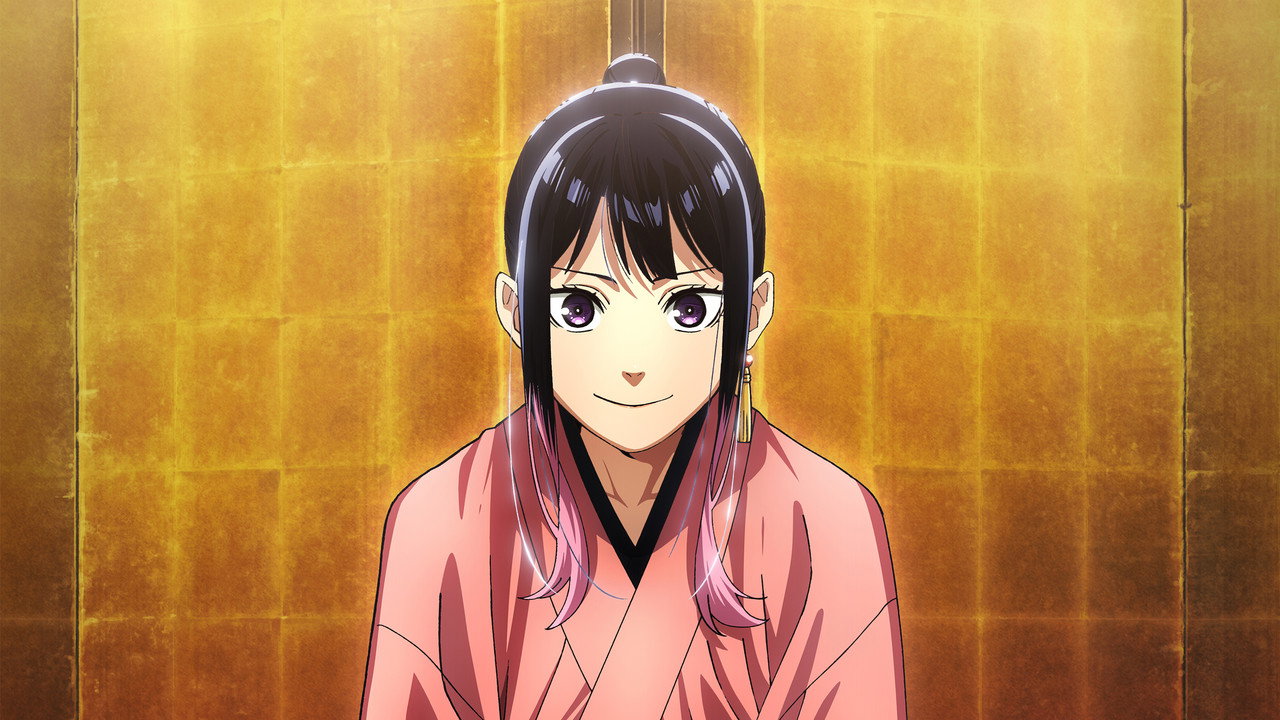
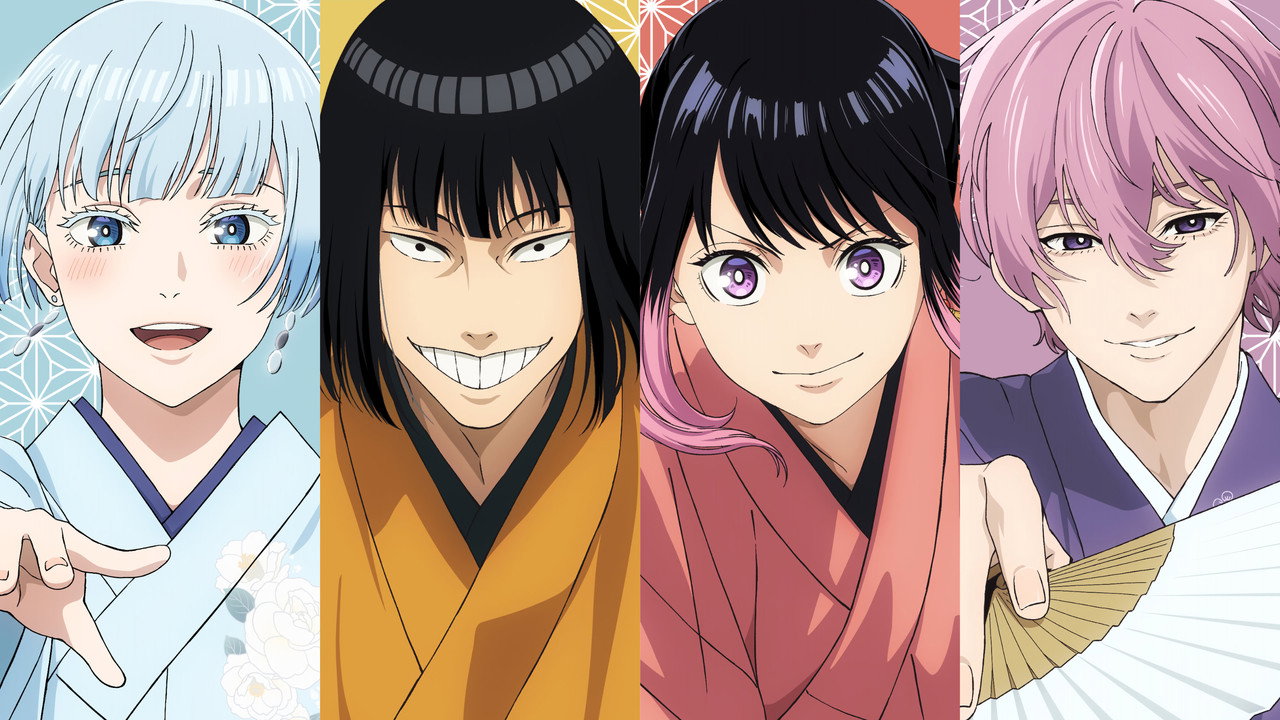
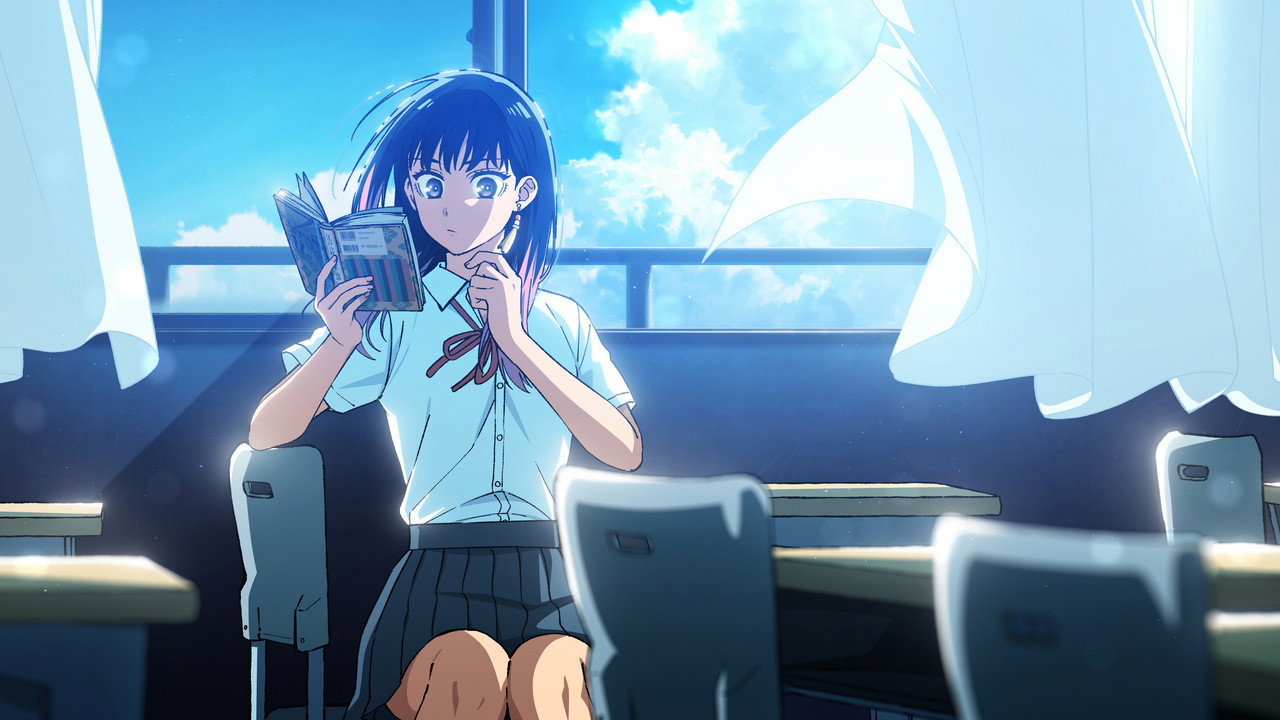
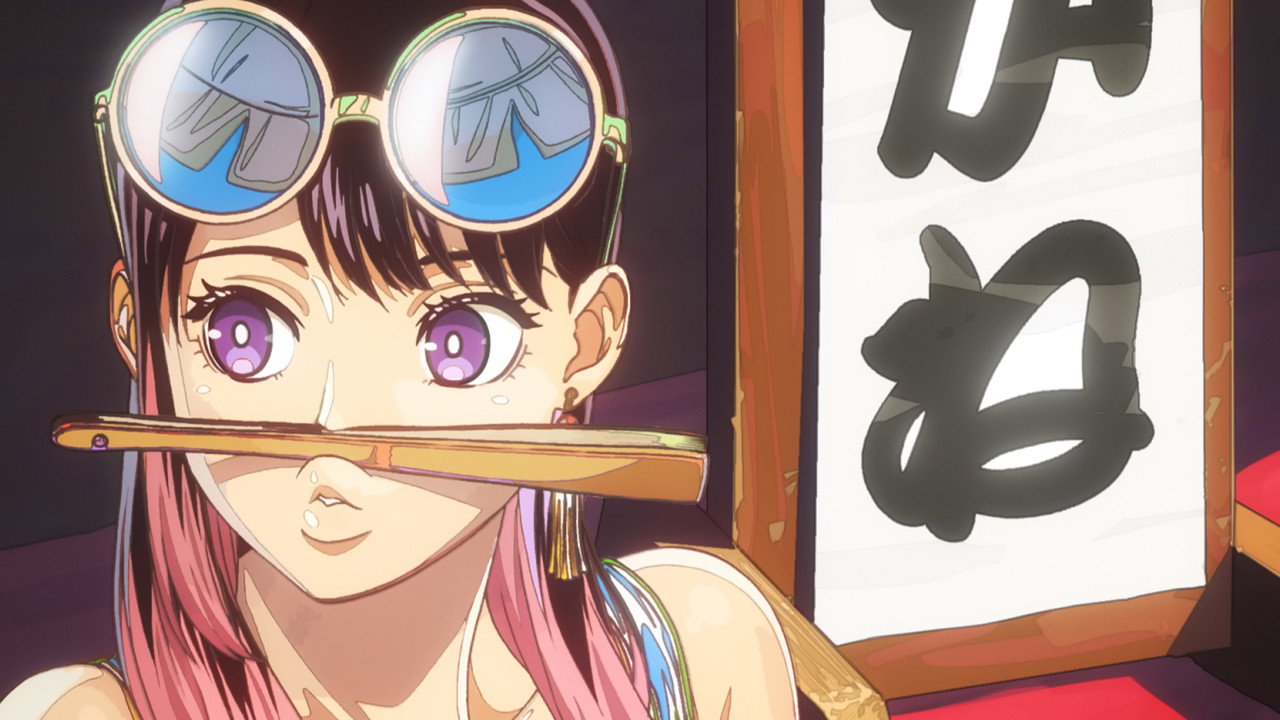
A great example: Akane-banashi has brought rakugo into the orbit of younger readers who might never have stepped into a yose theatre otherwise. The manga follows Akane, a determined young performer, and uses real rakugo culture as its backbone. That means readers don't just get a story, they get a guided entry into the art itself.
Seriously though: this matters for Japanese learning communities too. A lot of learners want cultural content that is entertaining first and educational second. Akane-banashi fits that space nicely. You get rakugo-related vocabulary, performance logic, and a sense of how Japanese audiences value craft, discipline, and humour. It is culture with a pulse.
By the way: this kind of pop-culture boost is not new in Japan. Anime and manga have long revived interest in music, sports, calligraphy, and regional traditions. Rakugo just happens to be one of the best cases because it is both deeply traditional and surprisingly easy to sample. You do not need expensive gear, a big cast, or even a theatre seat to start understanding the basics. See what I mean?
Sixty years of Satchmo-like popularity
On the flip side, rakugo's current boom also invites a longer view. Some commentators compare its staying power to the kind of long-running public affection once associated with Satchmo-style popularity, meaning an artist or form that remains beloved across generations, not just for a season. Rakugo has had that sort of slow-burn endurance for roughly 60 years of modern mass visibility, and maybe longer if you count older Tokyo entertainment culture.
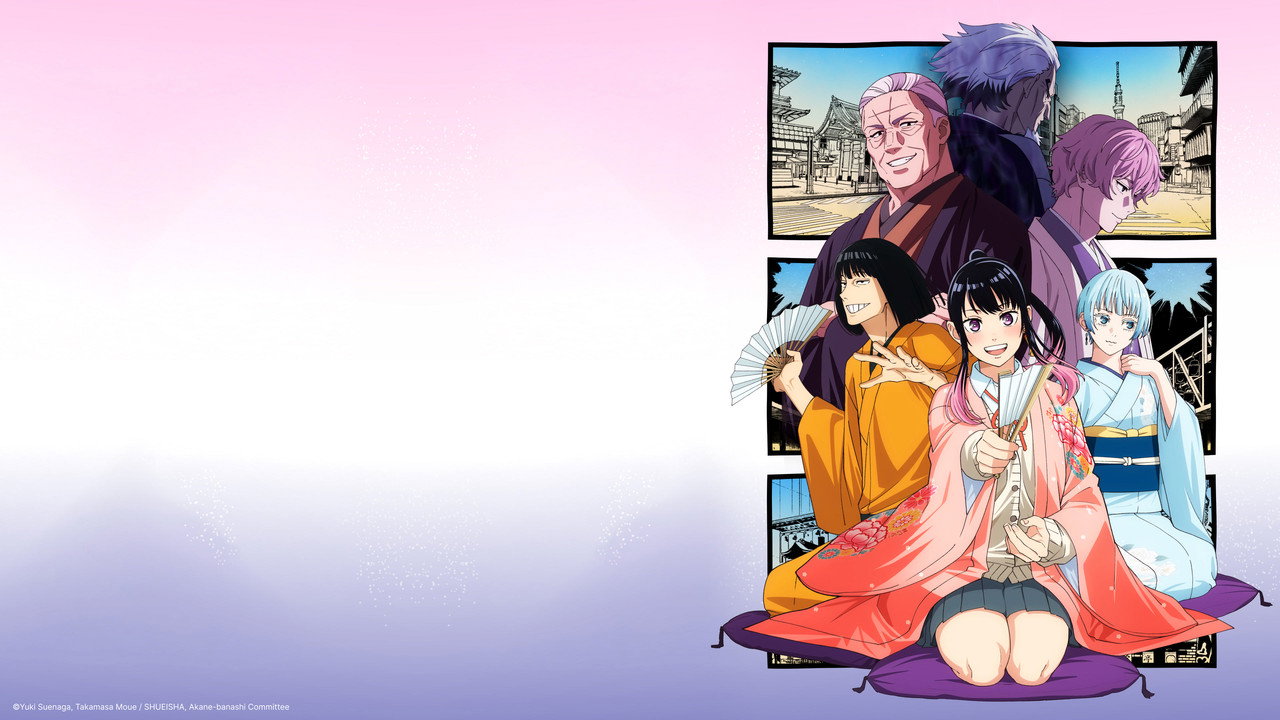
That is a very Japanese kind of success. It does not always look flashy. It can be quiet, local, and deeply rooted in one neighbourhood theatre. Yet it keeps finding new listeners. And when a new book, a busy venue, and a manga like Akane-banashi all line up at once, the result feels less like hype and more like a genuine cultural return.
Let me show you why this matters to Japan fans. If you visit Tokyo, catching a rakugo performance gives you something many travellers miss, a living form of humour that has survived changing tastes, screens, and cities. It also gives you a sharper ear for Japanese rhythm and wordplay. My tip: even if you understand only part of it, the experience is worth it. You'll leave with better listening skills and a stronger feel for Japanese comic timing.
Rakugo isn't being preserved behind glass. It is being performed, laughed at, and reintroduced through places like Shinjuku Suehirotei and stories like Akane-banashi. That combination is what makes this moment feel real. But that's not all.
In pictures
Frequently Asked Questions
What is rakugo?
Rakugo is a traditional Japanese solo storytelling art where one performer plays multiple characters and ends with a punchline.
Why is Shinjuku Suehirotei important?
It is one of Tokyo's most famous rakugo venues, and it gives the art a real, active home in the city.
How does Akane-banashi connect to rakugo?
The manga uses rakugo as its core subject, helping new readers discover the tradition through a modern story.

