

Okay, so. Akane-banashi is getting a proper final-episode push, and ABEMA is opening the series up for free streaming until June 27. Let’s talk about why this matters, because this isn’t just random promo fluff. It’s a neat, timed bit of anime marketing, and for once the timing actually makes sense.


Here’s the thing: Akane-banashi is a TV anime built around 落語 (rakugo, traditional Japanese comic storytelling), the traditional Japanese storytelling art where one performer carries the whole room with a fan, a cloth, and serious verbal skill. That’s already a tough sell for casual viewers, which is exactly why a free-stream window right before the finale is smart. You get people in late, they catch the momentum, and suddenly they’re emotionally invested in a girl telling stories onstage. It’s simple. It works. Sounds good, right?
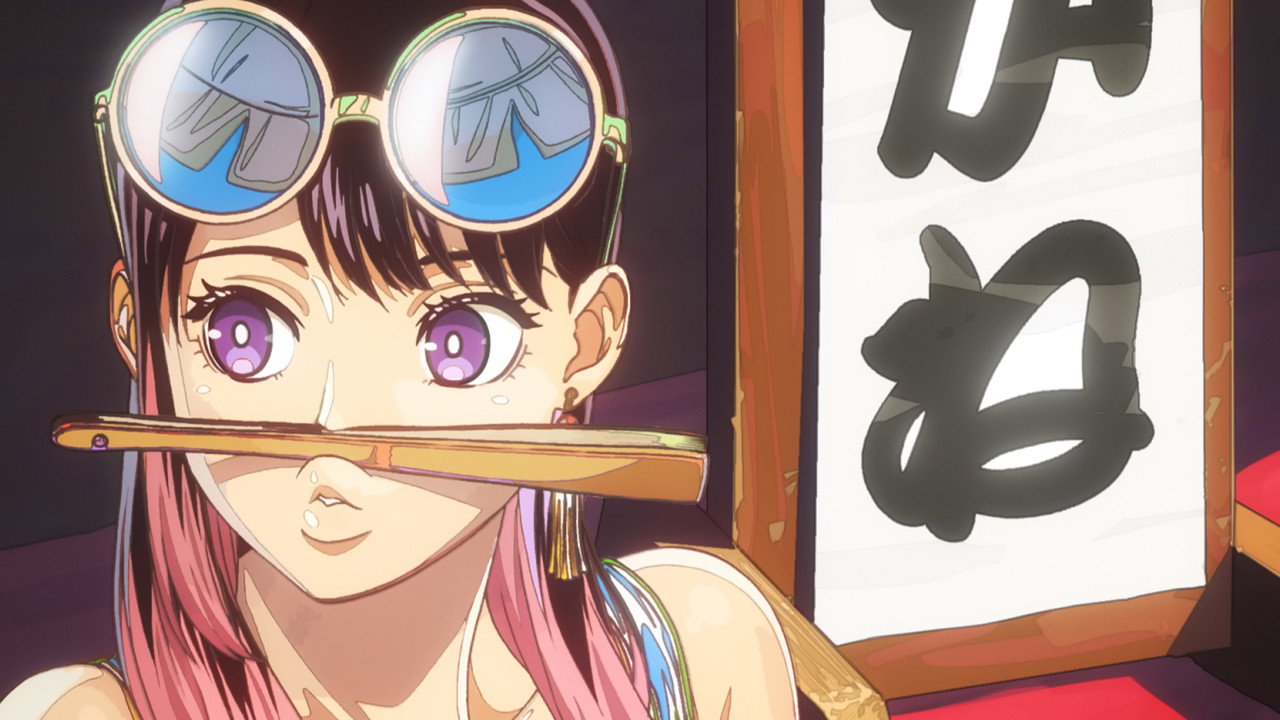
Akane-banashi anime final episode and ABEMA free streaming
The original announcement comes from PR Times, which says ABEMA will make the TV anime Akane-banashi available for free streaming until June 27. The key point is the timing, because this is tied to the final episode, not just a random temporary giveaway.
That matters for a few reasons. First, free windows create urgency, and urgency gets people watching. Second, Akane-banashi is exactly the kind of series people keep hearing about and then put off, because “I’ll start it later” is the most dangerous sentence in fandom. I say that as someone who has absolutely done this and then spent three nights catching up like a fool.
On the flip side, ABEMA isn’t just being generous out of the kindness of its little heart. This is anime promotion doing what anime promotion does best, turning a finale into a conversation starter. But I’m not complaining, because if the result is more people watching a good show, then yes, let the machine cook.
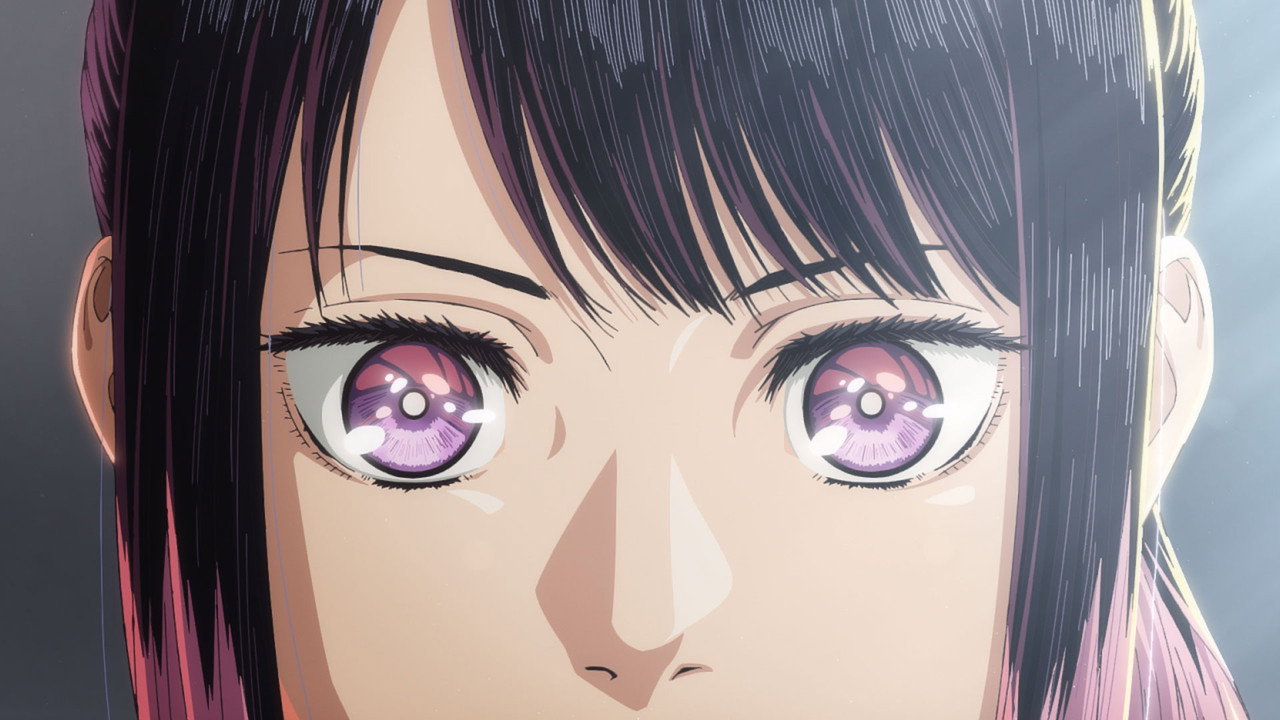
Why this rakugo anime deserves your attention
Hand on heart: Akane-banashi stands out because rakugo isn’t just a backdrop, it’s the whole engine. If you’re learning Japanese, this is actually a really nice show to keep on your radar, because you’ll hear formal speech, stage manners, and performance phrasing that feels very different from everyday slice-of-life dialogue. The words matter, the pauses matter, the delivery matters. That’s the whole point.
What makes rakugo so good on screen
Rakugo, in case you’ve never gone down that rabbit hole, is a seated solo performance tradition that goes back centuries. One person plays multiple roles using voice, expression, and timing, and the audience is expected to follow every switch. That sounds simple until you try to do it, and then you realise, no joke, it is brutally hard.
And that’s why Akane-banashi has such a strong hook. The series isn’t just saying “look, culture”, it’s dramatising training, pressure, competition, and the weird, beautiful craft of making people believe in a story with almost nothing on stage. That kind of setup can become a quiet masterpiece when the adaptation respects the source material. I think this one does.
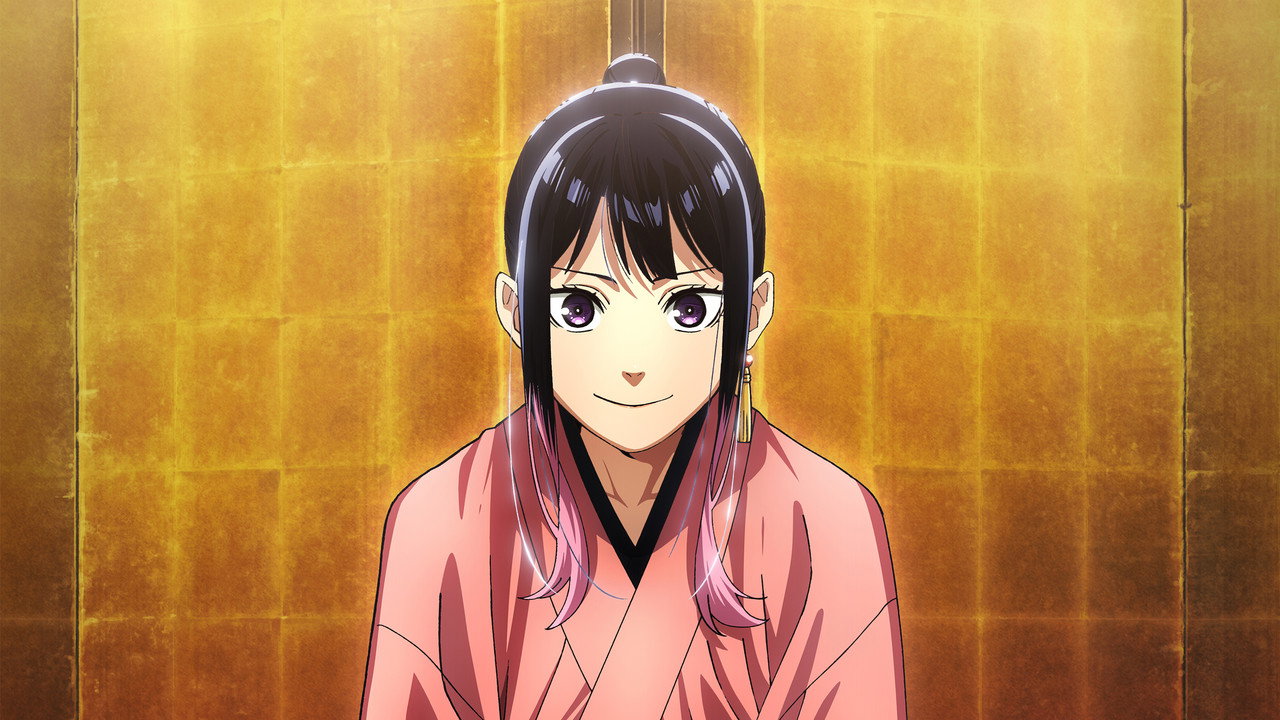
What the ABEMA free-stream tie-in means for fans
Before I forget: free streaming until June 27 gives new viewers a clean entry point, and it gives existing fans an easy excuse to rewatch key episodes before the end. That matters more than people admit. Finales hit harder when everyone’s on the same page, or at least roughly the same episode. Otherwise you’re dodging spoilers from five different group chats and one suspiciously loud coworker.
My tip: if you’ve been sitting on Akane-banashi because you thought it might be “too niche,” use this window. That’s exactly the kind of anime that wins you over by being more emotionally direct than you expected. It’s not trying to be loud for the sake of being loud. It’s trying to be good. And honestly? That’s enough.
While we’re at it, this is also a reminder that Japanese culture-themed anime often land best when they’re accessible on a streaming platform with a limited-time free campaign. The series itself may be rooted in a traditional art form, but the way modern viewers discover it is pure digital convenience. Old art, new pipeline. Very Japan, weirdly enough. See what I mean?

How Japanese learners can use Akane-banashi
If you’re studying Japanese, Akane-banashi can be a nice little practice partner, especially if you already know some basic grammar and want to hear more natural phrasing in a performance context. You’ll catch words tied to stage presence, respect, and the rhythm of spoken storytelling. Even if you don’t understand every line, you can train your ear for tone, speed, and emotional shifts.
That reminds me, one of the best things about watching anime for language learning is that you don’t need to extract every single word to get value. You listen for repeated terms, notice how characters address each other, and pick up how formal and casual speech bounce off each other. Akane-banashi should be great for that, because rakugo depends on vocal control, not just plot exposition. It’s basically a listening exercise wearing a story’s clothes.
And yes, if you want to make it a proper study session, pause on lines that repeat, jot down unknown words in romaji, and listen for how the performer changes register. That kind of detail is where the real learning lives. Not glamorous. Extremely effective. Absolutely worth it.
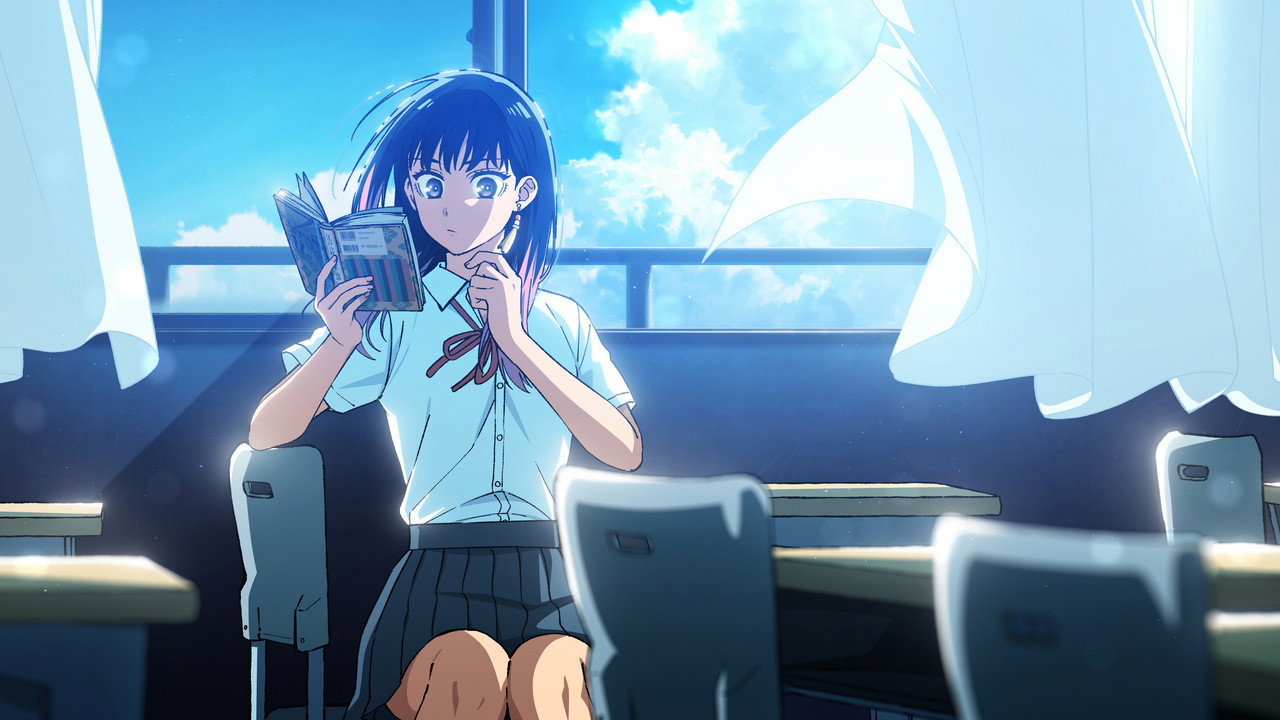
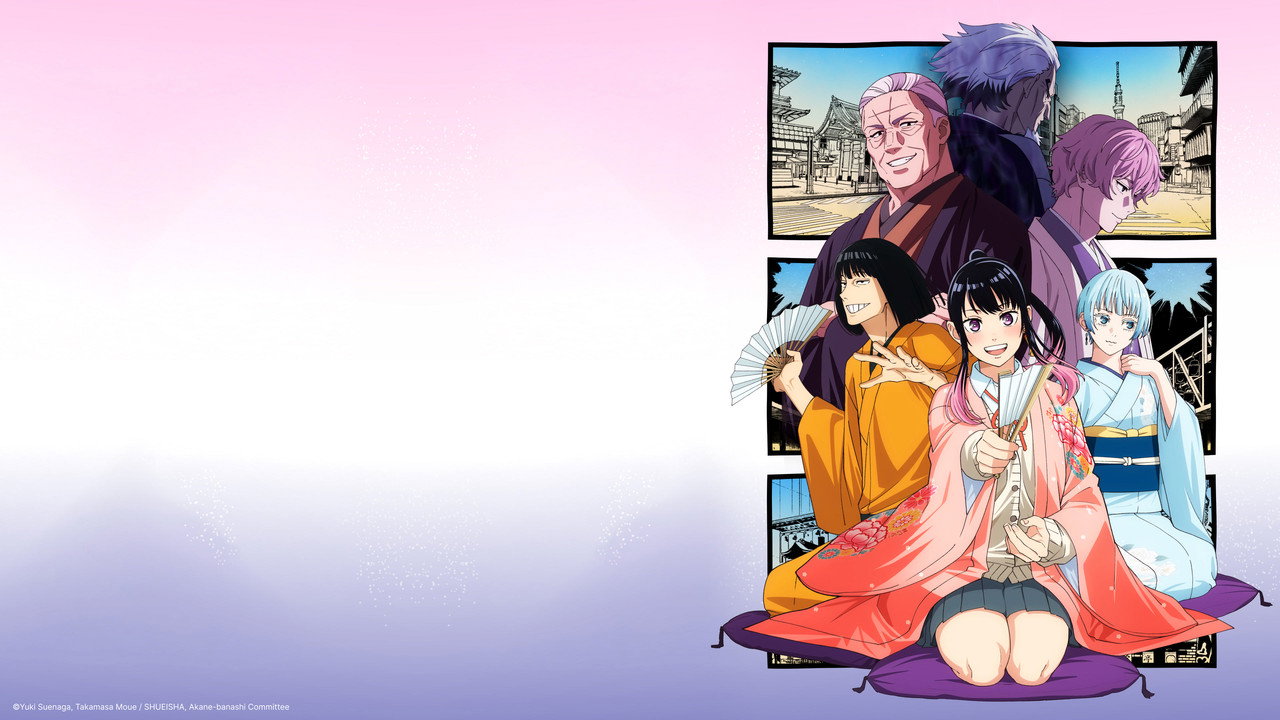
In pictures
Frequently Asked Questions
What is Akane-banashi about?
It is a TV anime centred on rakugo, the Japanese art of solo storytelling and performance.
Until when is ABEMA streaming it for free?
ABEMA is offering free streaming until June 27.
Why should Japanese learners watch it?
It is useful for hearing formal speech, performance language, and culturally rooted dialogue in context.
I think I speak for a lot of anime fans when I say this is the kind of promo window we actually want, clear dates, a real reason to watch, and a finale tie-in that doesn’t feel cooked. If you’ve got the time, jump in now. If you’ve already watched it, maybe it’s time for a rewatch, because finales always make earlier episodes hit differently.

