
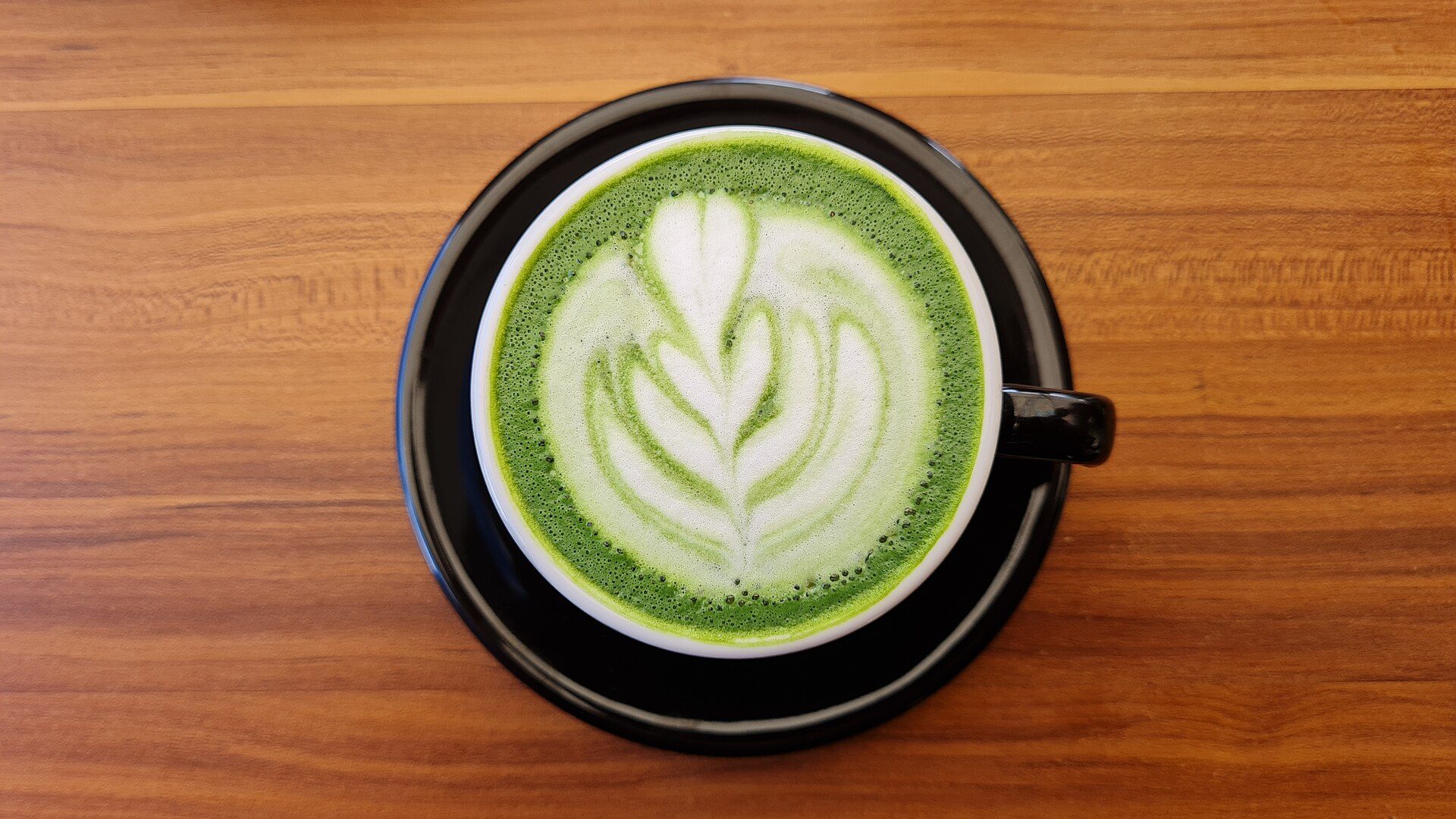
His goal is straightforward. He wants to sell 抹茶 (matcha, powdered green tea) from Shizuoka Prefecture in Europe, and he's using his profile as a footballer to open doors that smaller producers often can’t reach on their own.
Ryoya Morishita and the new Mori-Matcha venture
Guess what? A football career and a tea business can sit in the same story quite naturally. Ryoya Morishita, 29, is best known as a former Japan national team player, but his latest move is off the pitch. He’s founded Mori-Matcha, a company built around one clear idea: bringing matcha from Shizuoka Prefecture to European buyers.
Morishita was born in Kakegawa City in Shizuoka, a place with a strong tea culture and a long history of green tea production. That matters here. If you’re trying to sell matcha abroad, origin isn’t just a label. It’s part of the product story, and in Japan that story often starts with soil, climate, and local craft. For many overseas customers, that context is what turns a powder in a tin into something worth paying attention to. Sounds good, right?
Why Shizuoka matcha has real export potential
Unlike what we’re used to in many supermarkets, Japanese tea is often sold with a strong sense of place. Shizuoka is one of Japan's best-known tea regions, and that reputation gives Mori-Matcha a solid base. The prefecture has a favourable climate, mountain air in some areas, and a production culture that has supported 煎茶 (sencha, green tea) and matcha-related tea work for generations.
What many overlook: matcha is not one single style. The taste can change depending on cultivar, shading method, harvest time, and grinding. A ceremonial-grade matcha and a cooking-grade matcha are used differently, and buyers in Europe are becoming more careful about that distinction. That opens a practical path for a brand like Mori-Matcha, because informed customers want origin, flavour notes, and clear use cases, not just a green colour.
Take Europe, for instance. Matcha is already familiar in cafes, bakeries, and health-conscious retail channels, but the market is still uneven. Some products are excellent. Others are more about trend than quality. A Shizuoka-led export brand can stand out if it offers traceable sourcing, consistent flavour, and packaging that explains how to use the powder properly. My tip: when a product has a strong region attached to it, always look for the farm or cooperative behind it. That’s usually where the real value sits.
From Blackburn to a tea brand with a Japanese base
It's early morning in Kyoto. Tea merchants are setting up, the first brews are going out, and the value of a good product becomes obvious fast. Morishita's current base is quite different, of course. He is playing for Blackburn Rovers in England's second division, the EFL Championship. That gives him direct contact with the British market, where Japanese food culture already has a visible foothold.
Why his football background matters
To be fair, this isn’t just a celebrity side project. A former Japan international has access to attention, media coverage, and business contacts that most new exporters do not. If he uses that platform carefully, he can introduce Shizuoka matcha to buyers who might not otherwise study regional tea from Japan. For a younger audience, there’s also a language-learning angle here. Words like matcha, お茶 (ocha, tea), 茶葉 (chaba, tea leaves), and 海外 (kaigai, overseas) come up often in Japan-related food business coverage, and they’re worth recognising when you read Japanese news.
While we’re at it, this kind of crossover is very Japanese in spirit. Athletes often build second careers in business, media, or local promotion. The difference here is that Morishita is tying his next step to his hometown and prefecture, not just to a personal brand. That gives Mori-Matcha a clearer identity. It also makes the export goal easier to understand, because the product isn’t generic Japanese matcha. It’s Shizuoka matcha, presented as a regional speciality with export ambition.
What European matcha buyers want now
Know that feeling when a product suddenly becomes fashionable and then quality starts to separate itself from hype? That is where matcha is in many European markets. Buyers are looking for more than a pretty tin. They want taste stability, origin transparency, and a clear way to use the powder. Cafe owners want easy whisking and reliable colour. Home cooks want matcha that works in lattes, cakes, and simple drinks without tasting flat or bitter.
Pro tip: if you are learning Japanese, pay attention to how product descriptions are written in Japanese export material. Phrases about 産地 (sanchi, place of origin) (place of origin), kouji or processing, and kouken style claims often tell you what the brand thinks is most important. In food writing, Japanese companies usually lead with origin and craftsmanship, then move to taste and use. Mori-Matcha is likely to follow that pattern, because it fits both the domestic story and the European sales pitch.
My own view is simple. Shizuoka has the kind of tea reputation that deserves more visibility overseas, and a footballer from Kakegawa is a smart messenger for that job. He knows how to speak to an international audience, and he has a recognisable personal link to the region. That combination isn’t common. If Mori-Matcha can keep the quality high and the branding honest, it has a real chance to build trust. Not bad, right?
Frequently Asked Questions
Who is Ryoya Morishita?
He is a 29-year-old former Japan international footballer from Kakegawa City in Shizuoka, now playing for Blackburn in England.
What is Mori-Matcha?
Mori-Matcha is the new company Morishita has founded to sell matcha from Shizuoka Prefecture in Europe.
Why is Shizuoka important for tea?
Shizuoka is one of Japan's best-known tea-producing regions, with a strong reputation for quality and a long tea-making history.
If you want more stories like this, read more Japan news on jpnerd.com.


