
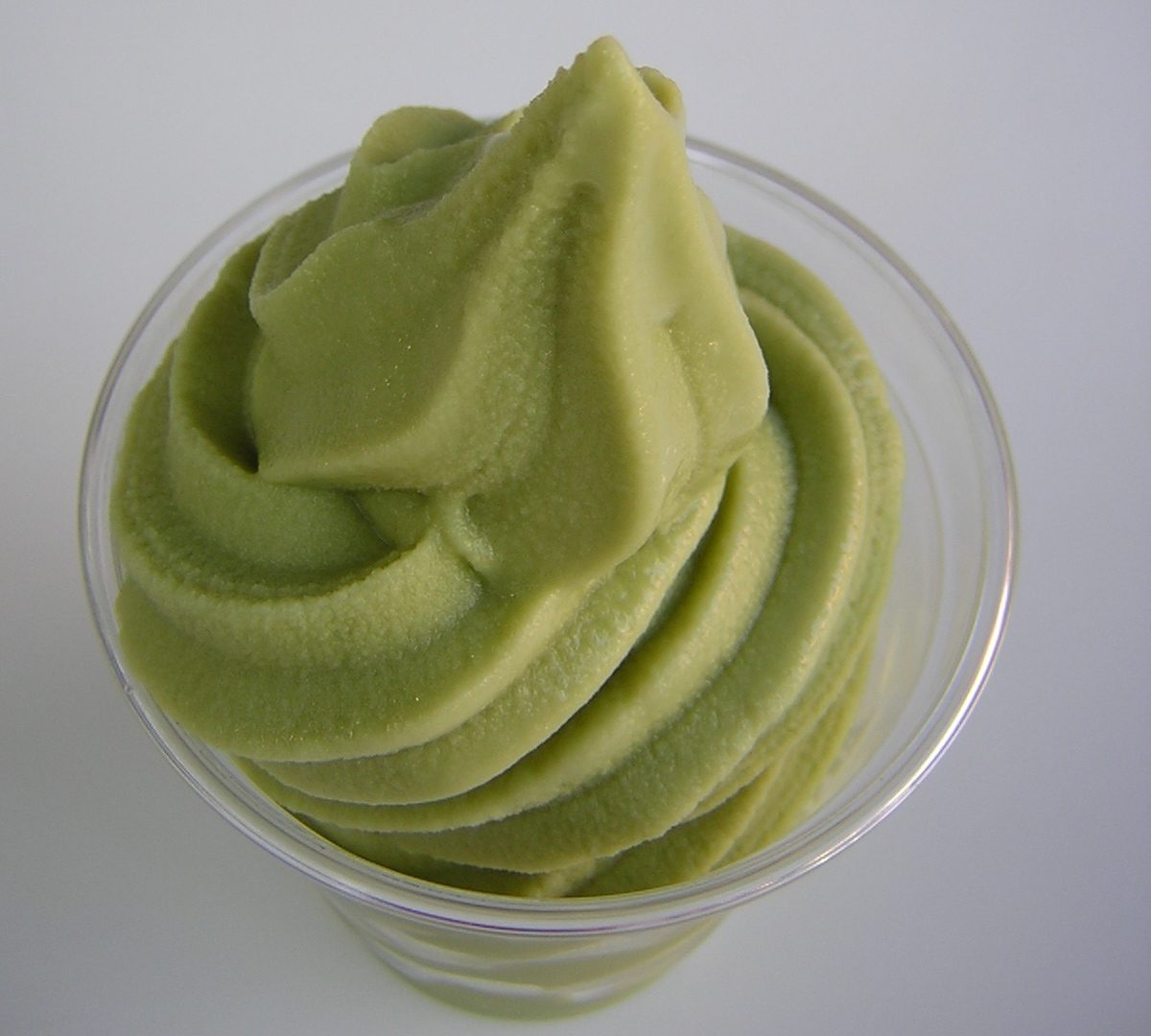
What makes it stick is the mix of place, craft, and timing, with a scheduled broadcast tied to 2026-06-20 and a local food story that feels very Japanese, in the best way.
Guess what? Yame 抹茶 (matcha, powdered green tea) is no longer just a niche favourite for tea geeks and cafe hunters. It’s become a regional story, the kind that ties together farming, tourism, broadcasting, and export strategy in one neat package.
Yame in Fukuoka Prefecture has spent years building its name around high-grade green tea, especially matcha and 玉露 (gyokuro, premium shaded green tea), and now the town is getting fresh attention thanks to TV coverage tied to a June 20, 2026 broadcast date. That timing matters. It turns a local product into a shared national talking point, and then into something overseas buyers can notice too.
Yame, Fukuoka and the rise of matcha hit makers
Did you know that Yame is one of Japan's best-known tea regions outside Shizuoka? The area has long been praised for its shaded tea-growing methods, rich aroma, and smooth taste, and that reputation didn't appear overnight.
Here’s the deal: when people call Yame the home of matcha hit makers, they’re talking about more than trendy packaging. They’re talking about growers, tea blenders, and processors who know how to create a product that works in both a tea bowl and a latte cup. The local industry has had to adapt, because international demand doesn’t always want the same thing Japanese households do. Sounds good, right?
Yame tea is also backed by a strong regional identity. The town sits in southern Fukuoka, where mountains, mist, and careful cultivation help create ideal tea conditions. That geography isn’t a side note, it’s part of the brand. No wonder, because when a place looks and feels like a tea landscape, visitors want to experience it as well as drink it.
Why the 2026-06-20 TV broadcast matters
Know that feeling when a local product suddenly shows up on TV and everything changes? That’s the kind of boost Yame is chasing here. A broadcast on 2026-06-20 gives the region a fixed media moment, and that matters for both domestic buzz and inbound interest.
Before I forget: TV exposure can do three jobs at once. It introduces viewers to the product, it puts a location name into their memory, and it creates search traffic that tourism offices can use later. For Yame, that means viewers may start with matcha, then move on to maps, tea shops, farm visits, and maybe even a countryside stay. From my experience, that chain reaction is exactly how small regional stories become travel stories.
What viewers are likely to notice
First, the product itself. Yame matcha tends to be described as deep, fragrant, and pleasantly rounded, which makes it easy to feature in drinks and sweets. Second, the scenery. Tea fields and local workshops give TV crews plenty of visual material, and Japanese regional programmes love that combination.



Third, the people. When a broadcast spotlights producers, it gives a face to the tea, and that makes the story feel honest. That's important for export. Overseas customers often want to know where a product comes from, who made it, and why it tastes different. Sounds weird, but it's true.
From tea bowl to suitcase: tourism and export effects
On a related note: tourism and export don't have to be separate stories. In Yame, they support each other. A traveller who buys matcha in town may later order it online from abroad, while a buyer who first sees the tea in an export listing may decide to visit the region on a future Japan trip.
The best part: this is where regional food becomes a real economic tool. Matcha isn't only sold as loose powder. It shows up in confectionery, ice cream, 蕎麦 (soba, buckwheat noodles), pastries, and hotel sweets, which gives local businesses many ways to use the same core ingredient. That flexibility helps a small area punch above its weight.
My tip: if you're a Japanese learner, keep an eye on tea vocabulary. Words like お茶 (ocha), 緑茶 (ryokucha, green tea), and 煎茶 (sencha, steamed green tea) come up all the time in menus and tourism copy, and matcha is often used in loanword-friendly contexts overseas. Learning how these words appear in ads and interviews will make TV clips and travel articles much easier to follow. Simply brilliant.
How to read the Yame matcha story like a Japan fan
Let me show you why this story matters beyond tea lovers. Yame is a good example of how Japanese regions package local pride for modern audiences. The formula is simple, but not easy: strong product, strong place name, clear broadcast moment, and a story that can travel.
For Japan fans, that means one town in Fukuoka can teach you a lot about regional branding. For learners, it shows how Japanese media often links food, place, and trust. A local speciality is never just food, it's proof of identity, and sometimes it's a passport to tourism and trade.
And yes, Yame has that rare combination of old-school craftsmanship and export-ready appeal. That's why the current TV buzz feels bigger than a single segment. It sounds like a local success story, but it also fits Japan's wider push to turn regional food into international demand. This is a proper hidden gem!
Frequently Asked Questions
Where is Yame?
Yame is in Fukuoka Prefecture, in southern Japan.
Why is Yame matcha getting attention now?
A TV broadcast dated 2026-06-20 has helped push the region's tea story into the spotlight.
Why do Japan fans care about this?
It connects regional food, tourism, and export culture in one place.


