
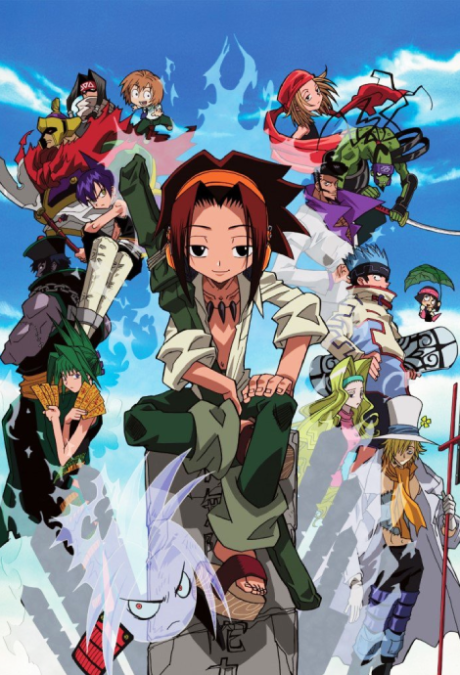
No wonder, because TV anime tie-in goods can disappear in a flash, especially when a legacy brand like Shaman King is involved.
Shaman King is getting another round of online くじ (kuji, lottery draw) merch, and this time the second Funbari kuji series is being reprinted. For anime merch fans, that means a real chance to grab items that sold out fast the first time around.
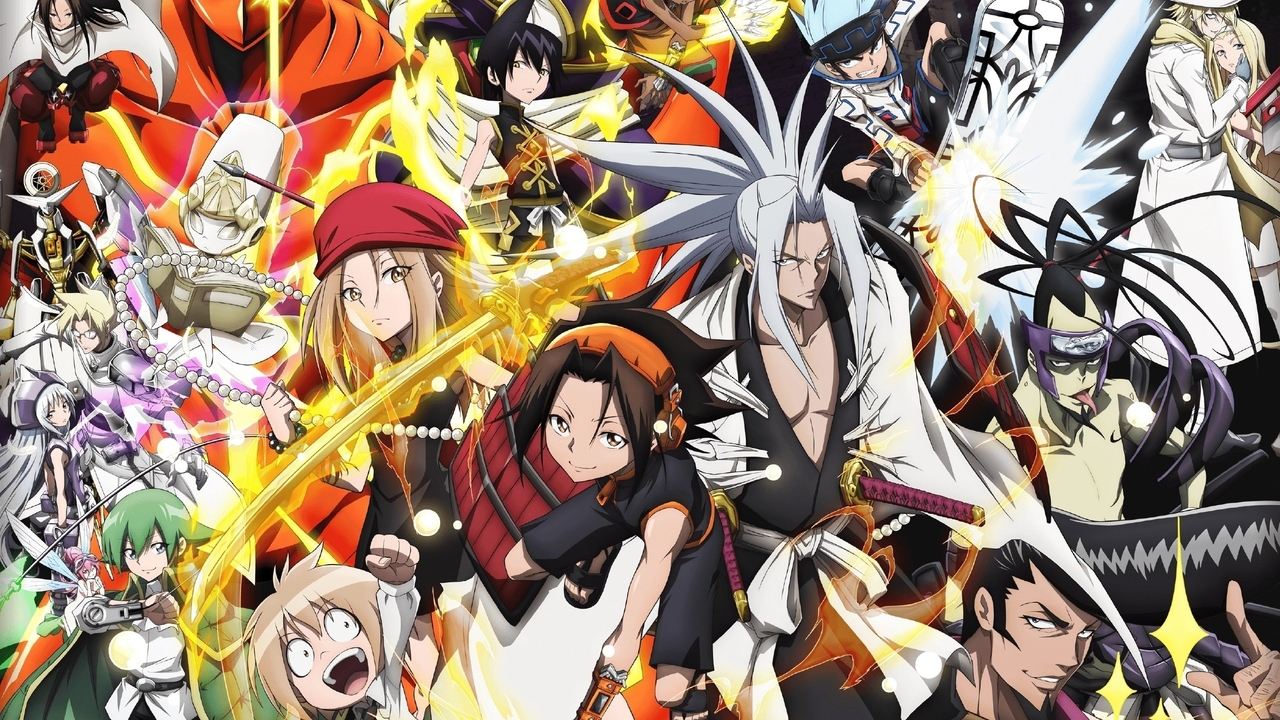
No wonder, because TV anime tie-in goods can disappear in a flash, especially when a legacy brand like Shaman King is involved.
What the Shaman King online kuji reprint is all about
Let me show you why this matters. The announcement comes from the TV anime SHAMAN KING merchandise line, where the online kuji 第2弾 (dai 2-dan, second installment) is coming back as a re-sale, or reprint. In Japanese merch culture, a kuji is basically a lottery system, so you buy a ticket, or a set number of chances, and get one prize from the pool. That makes it exciting, a little dangerous for your wallet, and very easy to understand once you know the format.
The phrase Funbari Kuji points straight at the series’ own branding. “Funbari” is strongly tied to funbari onsen in the story, so this isn't just random artwork slapped on a product. It’s a merch line that leans into the world of the anime itself, which is exactly why fans keep paying attention. See what I mean?
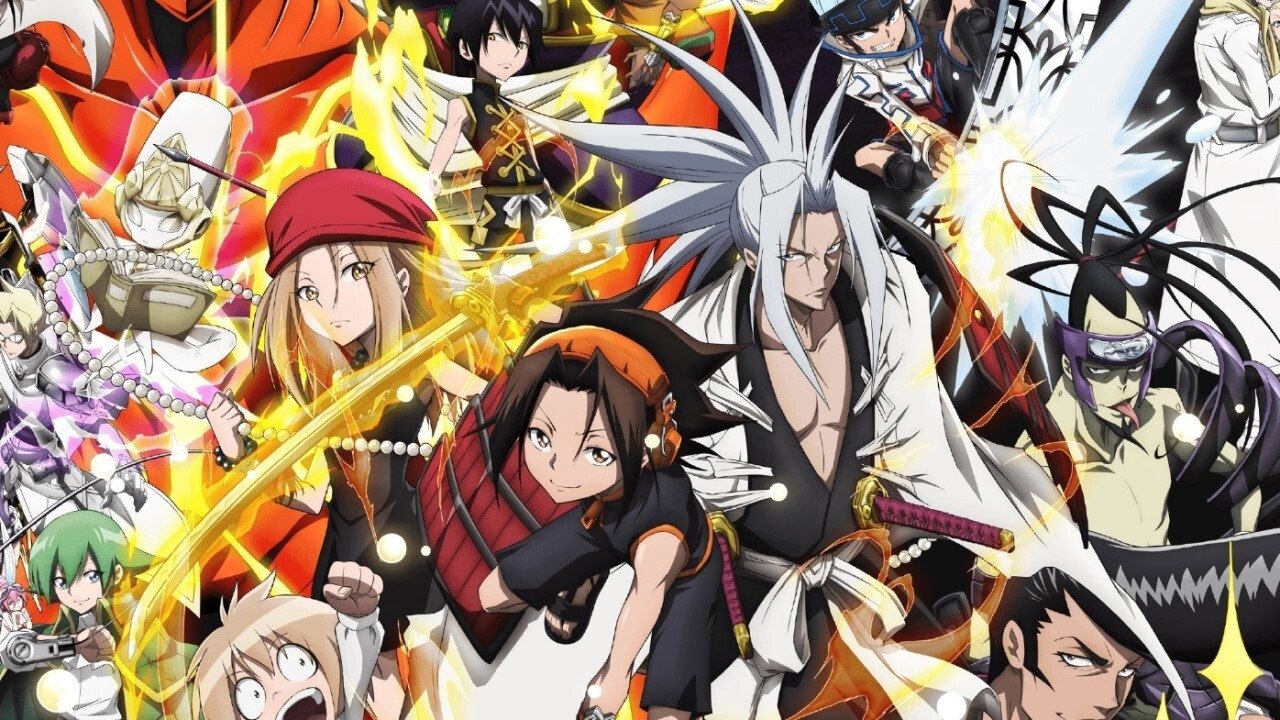
What many overlook is that reprints like this usually signal demand stayed strong after the first run. In other words, the first release didn’t fully satisfy the crowd, or the stock got snapped up too quickly. For collectors, that’s a green light, because it often means you’re getting a second shot at items that were hard to find on the resale market.
Why this Shaman King merch news hits a nerve with fans
Here's the kicker: Shaman King is a proper legacy brand. The manga ran in Weekly Shonen Jump from 1998, and the franchise has kept coming back through anime, games, and new goods for years. The original TV anime aired in 2001, while the modern remake arrived in 2021, so the series now has both nostalgia power and current visibility. That combination is gold for merch makers.
Picture a narrow alley in Tokyo. One shop window has acrylic stands, another has clear files, and somewhere in the back there’s a tiny capsule toy machine. That kind of layered merch scene is exactly why Japanese fans understand kuji so well. You’re not just buying stuff, you’re taking part in a short, limited-time event with built-in suspense. My tip: if you’re new to Japanese merch culture, learn the word saiban for numbered draws and 価格 (kakaku, price) for price, because those terms show up everywhere on product pages.
Plot twist: reprint announcements also say a lot about fandom staying power. Shaman King isn’t the loudest anime property on the market right now, but it has a loyal base that spans older manga readers and newer anime viewers. That’s a sweet spot, because the older crowd remembers the original run, while younger fans may have come in through the 2021 anime. Not bad, right?

How online kuji works, and why reprints matter for collectors
Pro tip: online kuji is one of the easiest ways for overseas fans to understand modern Japanese merch habits. Instead of visiting a physical shop, you join the draw online, then the prizes are shipped later. In Japan, this format has grown popular because it reduces store congestion and creates a clean, time-limited sale window. It’s also a dream setup for brands that want to test demand without overproducing inventory.
That brings us to the practical side. A reprint doesn't always mean every item will be identical in quantity, but it usually gives buyers another run at the same prize line-up. For collectors, that can mean the difference between paying normal retail and hunting expensive aftermarket listings on Mercari or other resale platforms. On a related note, if you’re studying Japanese, kuji pages are a great way to learn product vocabulary like prize, set, limited, and re-sale as they often appear in katakana-heavy marketing copy.
Why this matters for Japan fans outside Japan
What most people don't know is that Japanese merch releases often tell you as much about fandom trends as about the series itself. A second online kuji run suggests that Shaman King still has enough pull to justify another production cycle. That’s useful information if you follow anime goods broadly, because it shows which older franchises still have commercial life. For fans abroad, it also means there may be a better chance to catch the next wave through proxy services, buying forwards, or second-hand shops that handle Japan-only items.
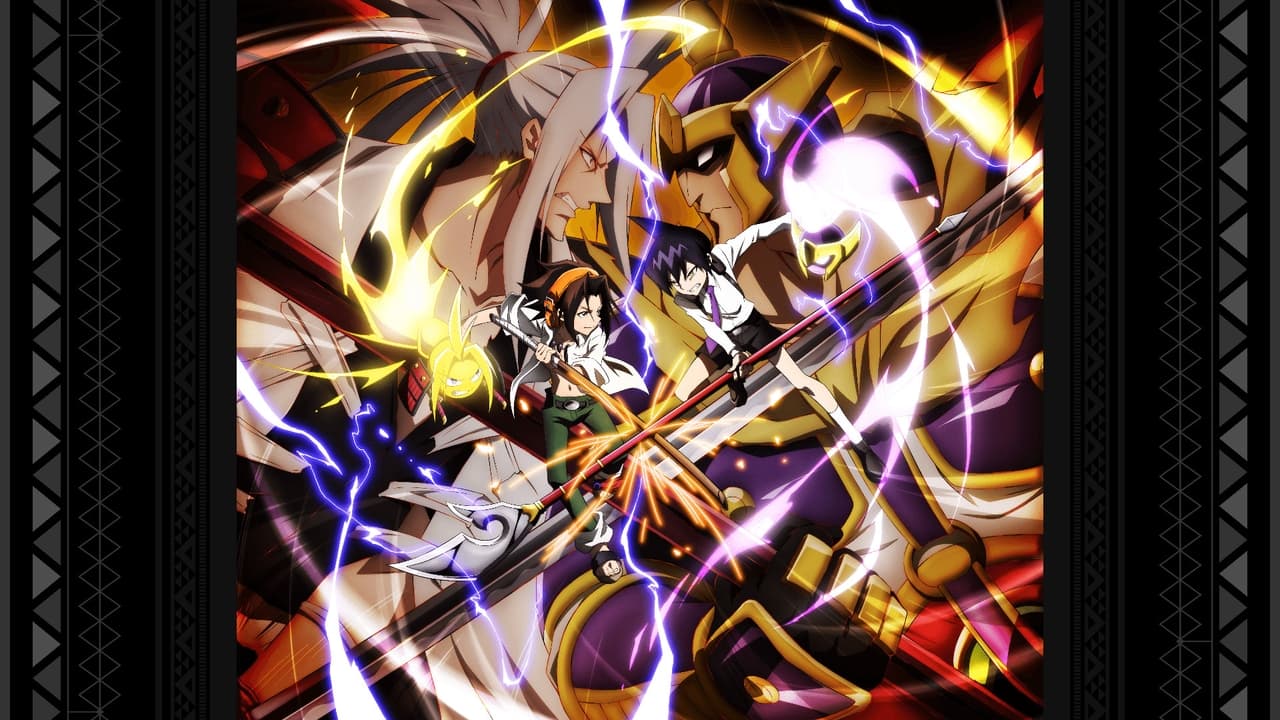
What I especially like is that Shaman King merch doesn't rely only on main character portraits. Lines like this can include themed designs, logo goods, and event-style items that feel more tasteful than generic poster art. This is my hidden gem! If you enjoy anime goods that connect to setting and lore, not just character popularity, a Funbari-branded kuji is exactly the kind of release worth watching. Convinced yet?
What Japanese learners can take from this release
For language learners, this announcement is a nice little vocabulary lesson. The key terms here are オンラインくじ (onrain kuji, online lottery draw), 第2弾 (dai nidan, second installment) for second round, saiban for re-sale or re-release in context, and furiipuri style marketing language when brands talk up a return. You’ll also see how Japanese merch copy often mixes English loanwords with native phrasing, which makes it easier to read once you know the pattern.
Quick detour: if you ever browse Japanese shopping sites, pay attention to the verbs around these product announcements. Words like 販売 (hanbai, sale) for sale, 予約 (yoyaku, reservation / pre-order) for reservation, and kikaku for campaign or project come up constantly. Learning them through real merch news, instead of textbook examples, makes them stick faster. My verdict: this is one of the more useful ways to train your reading skills while enjoying something fun.
In the end, the Shaman King online kuji reprint is exactly the kind of anime merch story Japan fans like to keep an eye on. It has nostalgia, a clear product angle, and a second chance for anyone who missed the first drop. If you follow limited goods, legacy anime, or Japanese shopping culture, this is worth a look. more Japan news on jpnerd.com
In pictures
Frequently Asked Questions
What is an online kuji?
It is a lottery-style merchandise sale held online, where buyers receive prizes from a set pool after entering the draw.
Why do reprints matter for anime merch fans?
Reprints give collectors another chance to buy items that sold out fast or became expensive on the resale market.
Is Shaman King still active as a franchise?
Yes, it remains active through anime, merchandise, and periodic new releases that keep the brand visible for fans.

