
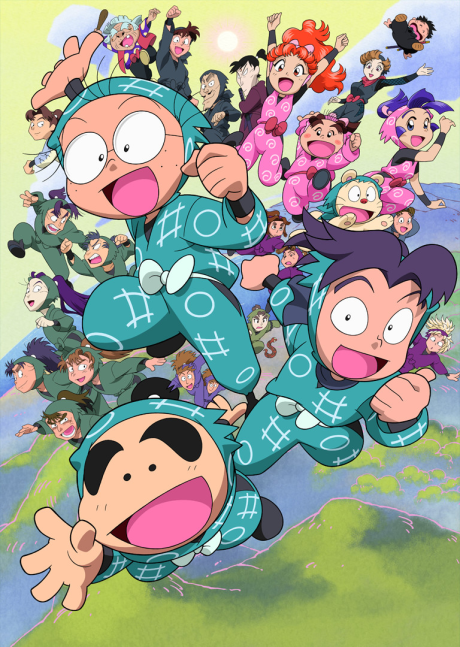
Really, this is the kind of news that makes Japan fans smile, because it mixes nostalgia, schoolyard energy, and a very real reminder that old anime can still have serious staying power.



Nintama Rantarō, a long-running anime that never really left
What most people don't know is that 忍たま (nintama, young ninja trainee) Rantarō first started airing in 1993, which means it has already crossed the 30-year mark with room to spare. The series is based on Kazuhisa Sakaguchi's manga Rakudai 忍者 (ninja) Rantarō, and the anime has become a fixture of Japanese kids' television, especially for viewers who grew up in the 平成 (Heisei) era.
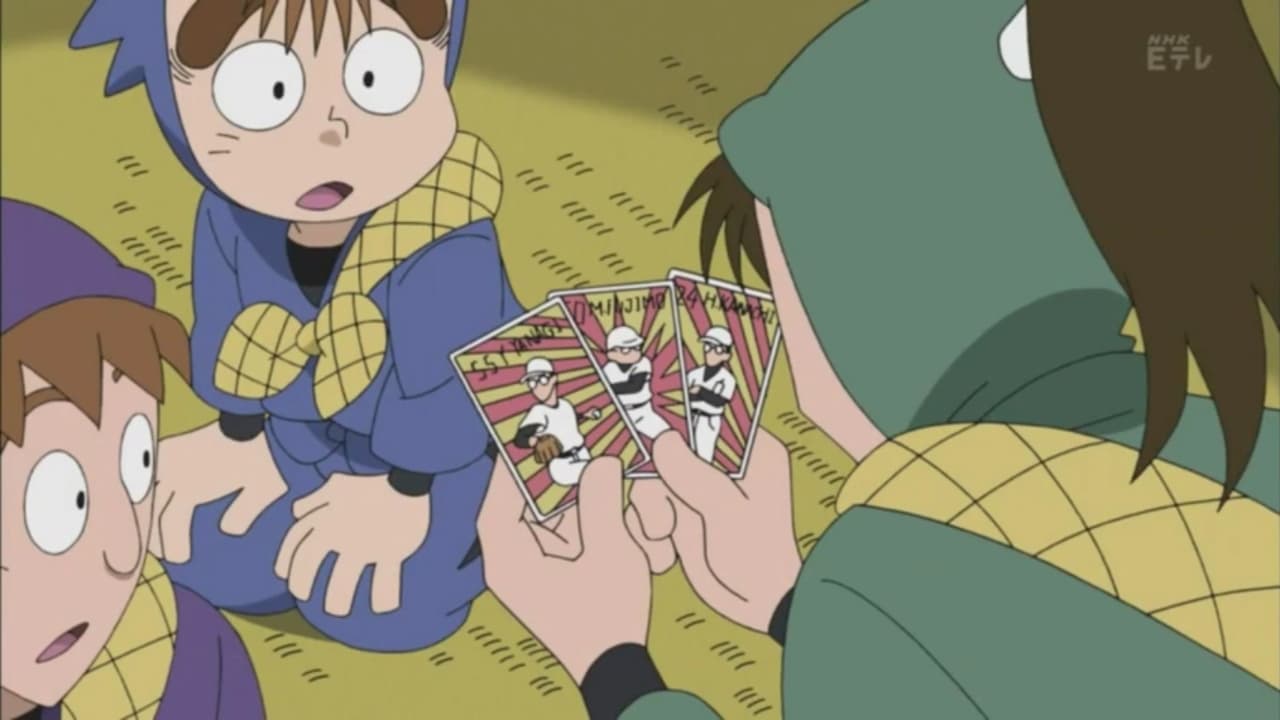
The setting is simple, but it works. A group of young ninja trainees, called nintama, stumble through lessons, chores, and mischief at a ninja school. Rantarō, Kirimaru, and Shinbei are the core trio, and their everyday chaos gives the show its warm, easygoing rhythm. One reason the series has lasted so long is that it doesn't try to be cool in a flashy way. It just keeps being funny, approachable, and very Japanese in its details. Not bad, right?
Imagine a narrow alley in Tokyo. You can almost picture a kid heading home after 塾 (juku, cram school), humming the theme song, or an adult catching a rerun and instantly remembering snacks, schoolbags, and summer afternoons. That kind of shared memory is powerful, and Nintama Rantarō has plenty of it. But that's not all.
The Minto announcement and the new d Vario Pass deal
Here's the thing: the recent news isn't just about nostalgia, it's about distribution. According to the announcement posted by Minto on PR Times, Nintama Rantarō is now part of the d barryu pasu catalogue, giving the series a new digital route to audiences who may never have watched it on TV. That's a pretty practical move. If a show has lasted this long, the next battle is often not production, it's access.
The d barryu pasu service is connected to Docomo's content ecosystem, so this deal matters for visibility. A classic anime can be beloved and still be hard to find legally in one place, and that can keep younger fans away. The new arrangement helps close that gap. Wild, isn't it? A series that began when many current fans were not even born is now being repackaged for streaming-era discovery.
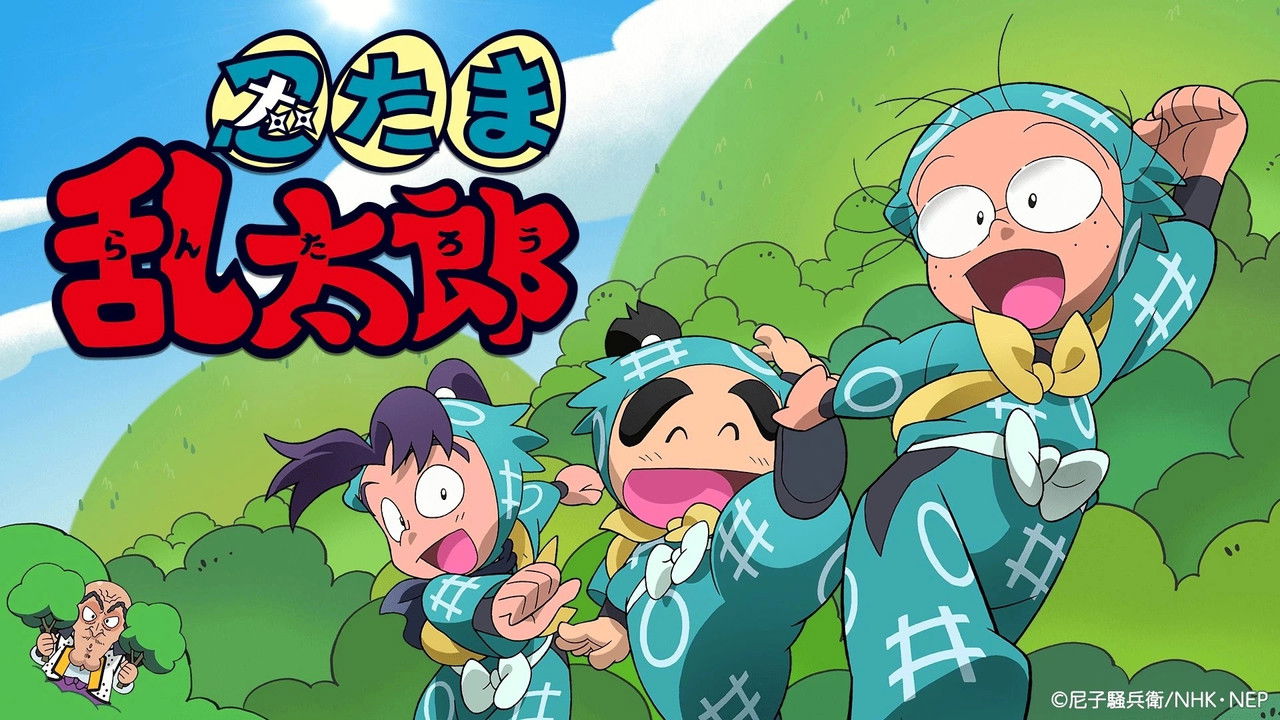
Let's be honest: this is exactly how older Japanese franchises stay alive. Not by sitting in storage, but by being made easy to watch, share, and recommend. A strong back catalogue can keep building fandom if the platforming is right. Nintama Rantarō has the advantage of a huge episode count, clear character identities, and a tone that doesn't depend on dated trends. Simply brilliant.
Why Nintama Rantarō still works for Japan fans and learners
To be fair, not every long-running anime stays relevant. Some get trapped in their own history. Nintama Rantarō avoids that problem because it is rooted in everyday language and school-life humour, which makes it especially useful for Japanese learners. You hear simple verbs, childlike banter, classroom expressions, and lots of repeated phrases. That repetition is a gift if you are trying to build listening confidence.
Language lessons hidden in the comedy
My tip is to watch with subtitles first, then rewatch a few scenes without them. The show is ideal for catching casual speech patterns, especially when characters argue, exaggerate, or fail at ninja training in the most ordinary way possible. Know that feeling when you understand just one sentence and suddenly the whole scene clicks? That's the kind of win this series gives you.
Culturally, it also opens a window into Japanese school humour, group dynamics, and the long tradition of friendly chaos in kids' entertainment. You can compare it with other classics like Doraemon or Crayon Shin-chan, but Nintama Rantarō has its own softer, more historic flavour. It feels tied to the idea of learning through laughter, which is very Japanese in spirit. Personally, I like that it doesn't rush. It lets the characters be imperfect, and that makes the comedy feel warmer. Convinced yet?
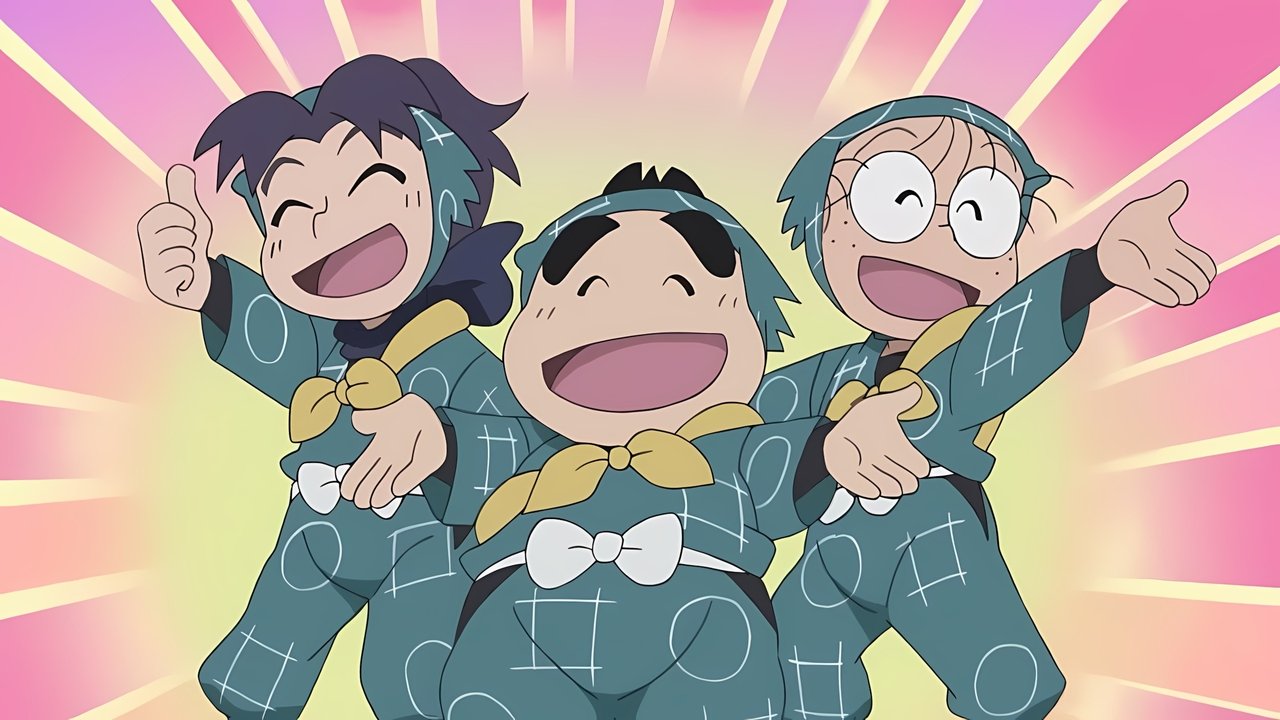
Thirty years later, the appeal is still concrete
Oh, almost forgot: longevity also says something about trust. A show doesn't survive for three decades unless parents, broadcasters, and fans keep seeing value in it. The fact that Nintama Rantarō is still being distributed through a fresh deal with Minto shows that the brand still has commercial life, not just nostalgic value. That matters in a media landscape where attention moves fast and old titles can disappear overnight.
And if you're learning Japanese, there's a practical angle too. Long-running family anime are often better study material than trendy seasonal shows, because they offer stable voice acting, repeated jokes, and familiar settings. You can return to the same characters over and over, and that makes vocabulary stick. When a series lasts this long, it builds its own little language universe. That kind of consistency is rare. But that's not all.
The bigger picture is simple: Nintama Rantarō isn't surviving by accident. It has stayed relevant because it is easy to watch, easy to recommend, and easy to remember. More than 30 years on, that's a very real achievement, especially for an anime aimed at kids. If you missed it the first time around, this new distribution push is a great excuse to give it a look. Seriously though: sometimes the most durable classics are the ones that never stop being useful.
Frequently Asked Questions
What is Nintama Rantarō?
It is a long-running Japanese anime about young ninja trainees and their everyday adventures at ninja school.
Why is the new distribution deal important?
It makes the series easier to find legally, which helps both longtime fans and new viewers discover it.
Is Nintama Rantarō useful for Japanese learners?
Yes. Its simple dialogue, repetition, and school-life setting make it good listening practice.


