

If you’ve never heard of Fool Night before, don’t worry. That’s exactly why this is the perfect place to start: what the story’s about, who’s behind it, and why Japanese fans are already talking about it.



What Is Fool Night, and Why Are People Talking About It?
Fool Night is a TV anime based on the manga by Kasumi Yasuda, and the pitch is already pretty striking. The story takes place in a bleak future where humanity has learned how to survive by turning plants into people through a process called transfloration, or 転化 (tenka, conversion) if you want to think about the Japanese sound of the concept. Sounds weird, but it’s true. That strange idea is exactly what gives the series its mood, because this isn't fluffy science fiction, it’s a dark, uneasy world where life and identity are always under pressure.
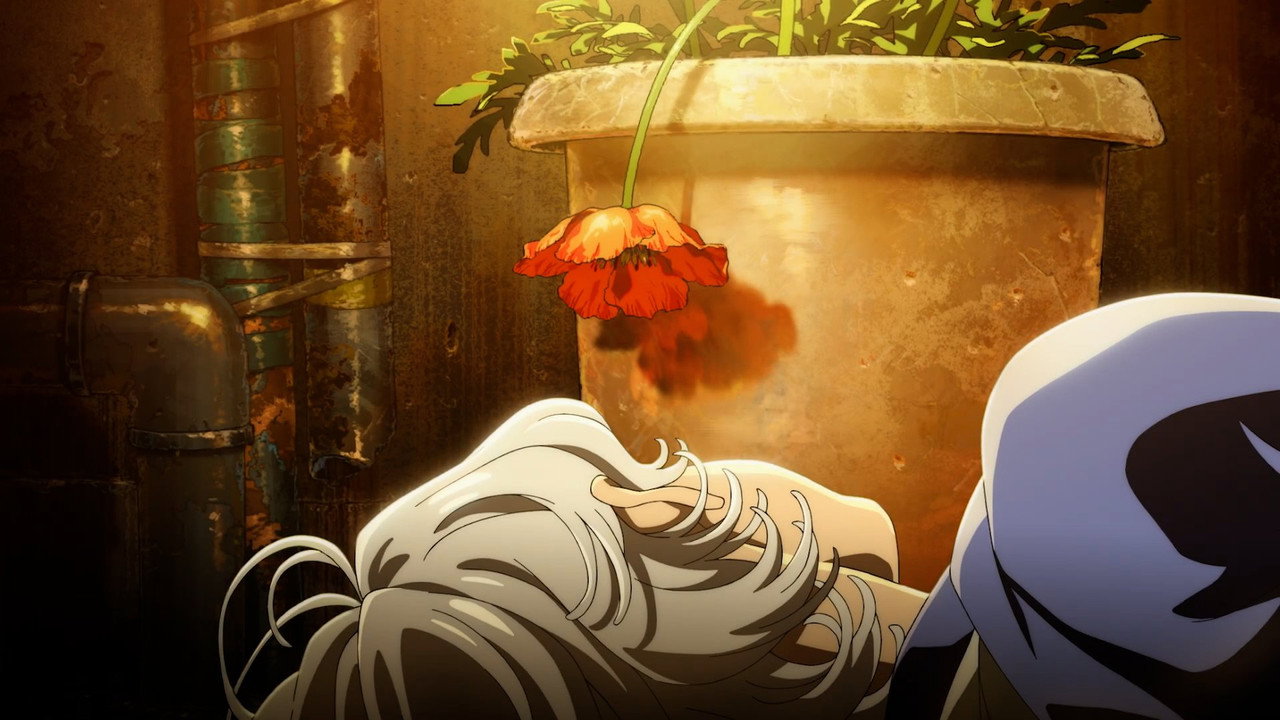
That reminds me: the best Japanese genre stories often start with one wild concept, then build a whole emotional world around it. Fool Night seems to be doing exactly that. If you like manga that mix body horror, social anxiety, and quiet sadness, this one should be on your radar. Convinced yet?
Sunrise x Shaft: A Big Studio Combination for Anime Fans
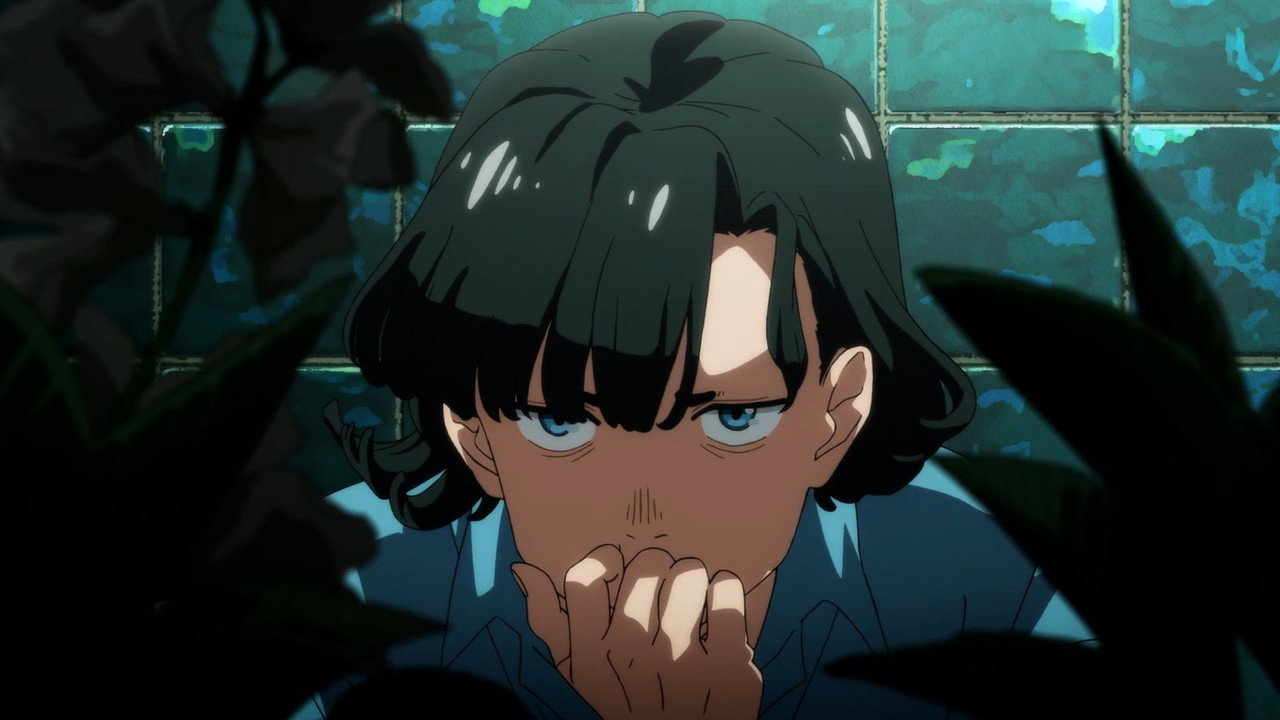
The reason’s simple: Sunrise and Shaft are two names that carry real weight. Sunrise is known for mecha, action, and long-running projects, while Shaft has a reputation for stylised direction, sharp visual ideas, and off-kilter atmosphere. When those two studios are attached to the same anime, people notice. No wonder, because this is being talked about as the first Sunrise x Shaft anime project.
For Japan fans, that kind of studio pairing is a bit like seeing two strong 料理 (ryouri, cuisine; cooking) styles fused into one meal. You already expect a lot, then the surprise is how well the ingredients fit. A good example: Shaft’s visual language often leans into bold framing and unusual camera work, while Sunrise brings strong production muscle and genre experience. Put them together and you get a title that could look very different from a standard late-night anime. Sounds good, right?
Why the studio pairing matters
What I especially like is that this isn’t just industry noise. Studio identity matters in anime, and fans do follow it closely, the same way music listeners track a favourite producer or manga readers follow a 漫画家 (mangaka, manga artist). If Fool Night lands well, it could become a reference point for future cross-studio projects, especially ones that aim for a more serious tone instead of easy crowd-pleasing energy. Classic Japan, isn't it?
Fool Night Cast, Netflix Release, and Global Reach
Hand on heart: the cast is another reason this project stands out. Koki Uchiyama is attached to the anime, and Minako Kotobuki is also part of the lineup. Both are well known to Japanese anime fans, and that matters because voice acting can change how a heavy story lands. Uchiyama has a cool, controlled presence in many roles, while Kotobuki often brings warmth and emotional clarity. That contrast could be exactly what Fool Night needs.
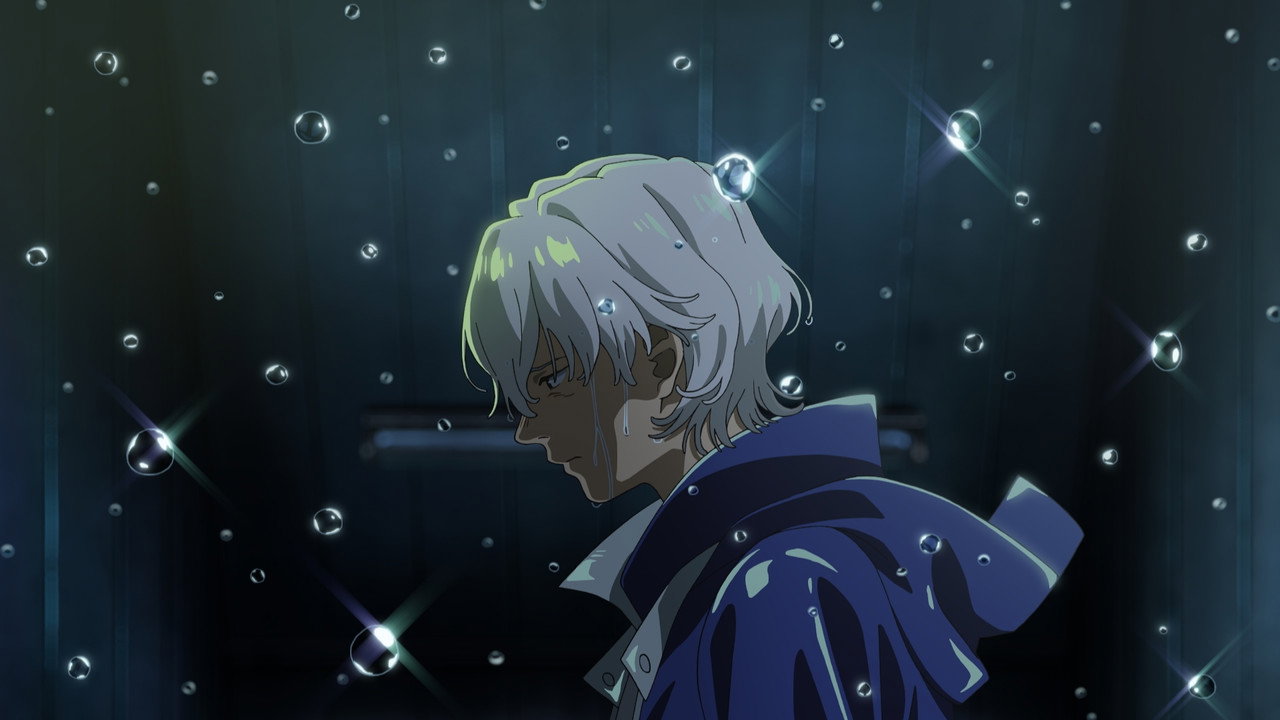
As for the release, Netflix is set to distribute Fool Night worldwide in 2026. The platform angle is important, because it means the series won't be limited to Japan-first hype. Fans in Europe, North America, and elsewhere will get the same launch window, which is a big deal for a title like this. If you're learning Japanese, that also means you may be able to watch early with subtitles, then come back to key phrases and character names later. Insider tip: dark anime often uses more formal or dramatic language, so it's a useful listening challenge too.
What this means for international viewers
Here's the deal: a Netflix global launch lowers the barrier to entry, but it also raises expectations. Viewers will expect clean subs, fast access, and enough marketing to explain the premise without spoiling the fun. Since Fool Night is based on a manga, there’s also a good chance readers will compare the adaptation closely to the original art and pacing. That keeps everyone alert, especially if the anime leans into atmosphere over action.
Why Fool Night Is a Good Entry Point for Japanese Learners
The first time I went to Japan, I noticed how often people talked about moods and impressions, not just plot points. That’s one reason anime like Fool Night can be useful for learners, because the dialogue may revolve around emotion, uncertainty, and social tension. You’ll hear words and expressions tied to survival, choice, and transformation, which are easy to remember when the story’s intense. No joke: that kind of vocabulary sticks.
If you already know basic anime terms like 気持ち (kimochi, feeling), 夢 (yume, dream), or 生活 (seikatsu, daily life), a show with a serious setting gives you a chance to hear them in a different emotional register. My tip: don’t just watch for plot. Listen for how characters speak when they are scared, resigned, or trying to hide something. That’s where a lot of real Japanese rhythm shows up, especially in manga-based dramas with a heavy atmosphere. But that’s not all.
Ever wondered why learners keep returning to dark anime? The reason’s simple: clear stakes make language easier to follow. When a character is warning someone, making a decision, or explaining a rule of the world, the scene usually gives you enough context to guess meaning even before subtitles help. Fool Night looks like one of those titles, where the story world itself does half the teaching for you. Convinced yet?
Frequently Asked Questions
What is Fool Night?
It is a TV anime based on the manga by Kasumi Yasuda, set in a dark future where humans survive through transfloration.
Which studios are making Fool Night?
The anime is being produced as a Sunrise x Shaft project, which is a notable studio combination.
When will Fool Night stream on Netflix?
Netflix is planned to stream the series worldwide in 2026.

