That brings us to the viral hook: a short clip from Nara can travel far beyond Japan, especially when deer act like they own the place. No wonder, because the city’s deer have been part of the local image for centuries, and they still know how to steal the show.



Have you noticed how some Japan clips spread because they feel almost too perfect to be real? The Nara deer clip is one of those moments. A calm park, a few tourists, and then a deer that looks one second away from becoming the main character. Not bad, right?
Nara deer and why this clip works so well
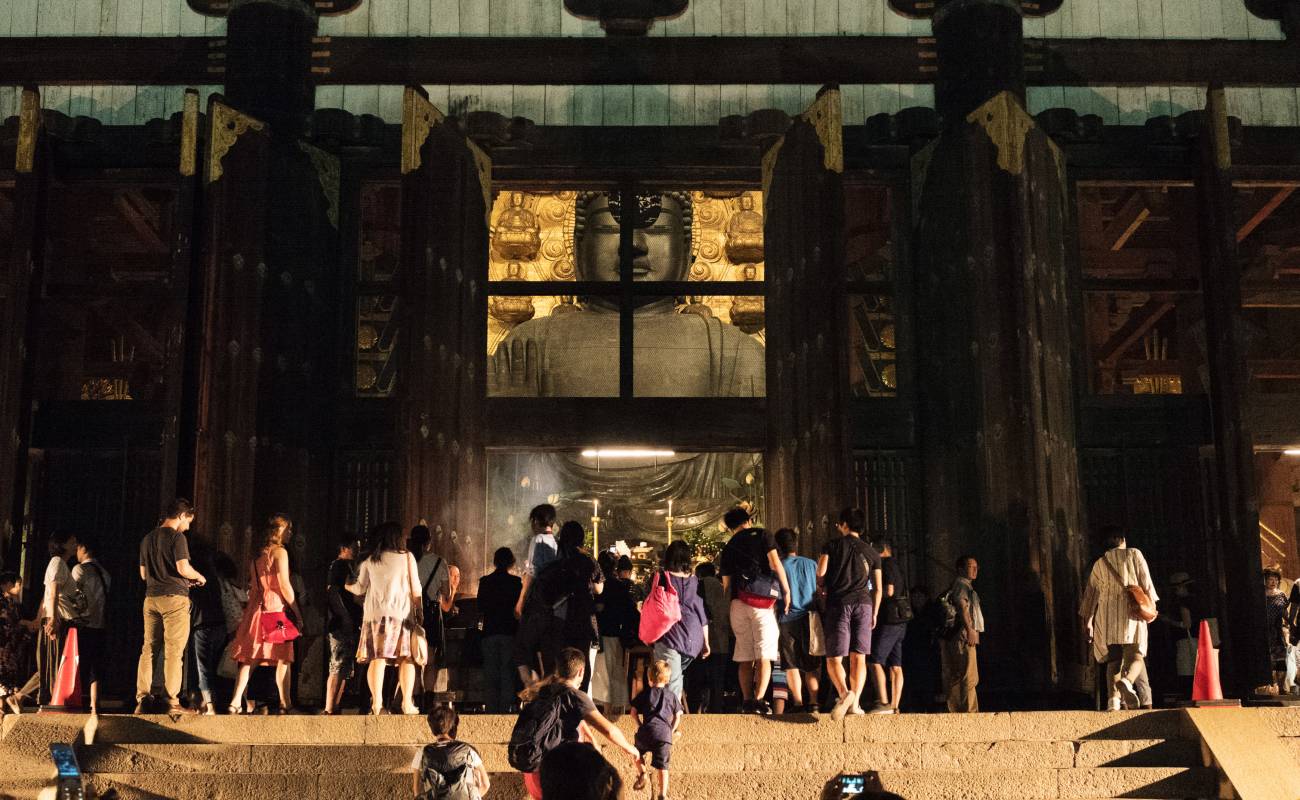
Nara is one of Japan’s most recognisable travel spots, and the deer are a huge reason why. Around Nara Park, which sits near famous landmarks like Todai-ji and Kasuga Taisha, you’ll see hundreds of 鹿 (sika) deer wandering freely. Fun fact: the deer are treated as sacred animals tied to 神道 (Shinto, Shinto religion) belief, and the park has been famous for them for generations.
What makes this clip so meme-friendly is simple. The setting is instantly readable, the animal behaviour is unpredictable, and the emotional tone lands somewhere between peaceful and ridiculous. One deer can look polite, another can look impatient, and a tourist holding crackers can suddenly seem like they’re in a tiny wildlife drama. Sounds weird, but it’s true.
For Japan fans, that’s part of the appeal. Nara isn’t just “cute deer content”, it’s a travel image with history behind it. While we're at it: the city was Japan’s capital from 710 to 794, during the Nara period, so the deer are only one part of a much older cultural landscape. Wait, there's more.
Travel trending: how a short deer moment becomes internet gold
Plot twist: the internet loves content that feels both wholesome and slightly out of control. That’s why a Nara clip can trend so quickly on travel feeds, short-video apps, and repost-heavy platforms. The combination is hard to beat, because it gives you Japan scenery, animal behaviour, and an instant joke in under 20 seconds.
That reminds me: a lot of Japan travel trends start with one small visual detail. Cherry blossoms, vending machines, train stations, ramen steam, and yes, deer in Nara. No exaggeration: the best viral travel clips usually don’t try too hard, they just capture a moment that already has built-in personality.
What most people don't know: the deer in Nara are not domesticated pets. They are wild animals that have become used to people, and that’s exactly why the footage feels so lively. A deer may bow for crackers, but it can also snatch the snack bag if you’re not quick. Convinced yet?



What Japanese learners can pick up from a Nara deer clip
Know that feeling when a travel video teaches you more than a textbook ever could? This is one of those cases. If you’re studying Japanese, a Nara clip gives you a neat way to connect words with real places. Nara is Nara, deer are shika, park is 公園 (koen), and polite bowing is o-jigi, which is useful far beyond sightseeing.
Useful words to notice
You might also hear travellers say お土産 (omiyage) for souvenirs, or 煎餅 (senbei, rice crackers) for crackers, especially deer crackers sold near Nara Park. My tip: learn place names alongside simple nouns, because they stick better when you can picture them. Nara, Todai-ji, Kasuga Taisha, and shika are easy anchors for your memory.
Speaking of which, short clips are great for listening practice too. Even if the language in the video is minimal, you can still train your ear for tourist speech, quick reactions, and everyday expressions like 可愛い (kawaii, cute), 凄い (sugoi, amazing / awesome), or はい (hai, yes). That brings us to the real charm of Japan travel content: it’s language, culture, and atmosphere in one small package.
Why Nara keeps winning on social media
Why does Nara keep showing up online? Because the city gives creators something rare: a scene that feels immediately Japanese, but still fresh every time someone films it. The deer are never exactly the same. One might pose, one might nibble, and one might stare at the camera like it already knows the clip will go viral.
No joke: that kind of visual humour travels across language barriers. Even if someone doesn’t know the history of Nara or the word shika, they still get the joke. And for people learning Japanese, that makes the clip extra useful, because you can connect the funny image with the actual vocabulary and place names.
What I especially like is that Nara clips don’t need heavy editing. They work because the location is strong, the animals are memorable, and the vibe is honest. If you’re planning a Japan trip, Nara is one of those places that can feel both peaceful and wildly entertaining in the same afternoon. Sounds good, right?
Frequently Asked Questions
Why are the deer in Nara so famous?
They live freely around Nara Park and are closely tied to the city’s cultural history, so they’ve become one of Japan’s most recognisable travel symbols.
Can visitors feed the deer in Nara?
Yes, visitors can buy special deer crackers, but it’s best to keep your food secure and follow local guidance.
Is Nara a good place for Japan beginners?
Yes, it’s easy to explore, very photogenic, and full of useful cultural details that make Japan learning feel real.