
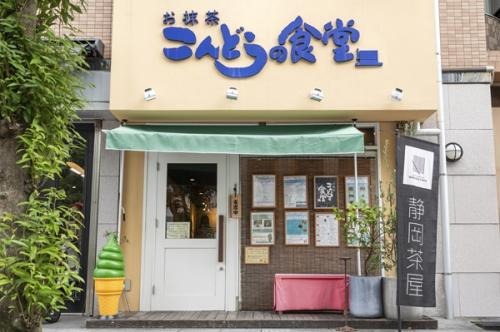
抹茶 (matcha, powdered green tea) Kondou Cafeteria in Shizuoka is one of those places that rewards a slow visit. It’s not just a cafe with a green tea theme. According to Shizuoka City Tourism Navi, it serves loose-leaf tea to order, and it also offers matcha shots and tea cocktails. That mix makes it a good fit for travellers who want a local tea stop with a bit of city personality.
What many overlook: Shizuoka isn’t an incidental tea city. It’s one of Japan's best-known tea-producing areas, and that matters here. No wonder, because the cafe's menu leans into tea as something you choose, compare, and drink fresh. If you want a place where tea feels specific rather than generic, this is a strong candidate. Convinced yet?
Shizuoka City Tourism Navi and why that matters
When a place appears on Shizuoka City Tourism Navi, you get a useful first filter. The listing is there in English, which helps international visitors verify the basics before they go. That sounds simple, but it saves time. You can check the location, opening details, and the cafe's food-and-drink category without guessing from social media posts.
For Japan fans, an official tourism source also helps with context. Shizuoka City has long promoted itself through tea culture, and this cafe fits that image in a practical way. It isn’t trying to be a replica of a tea ceremony room. On the flip side, it still keeps the focus on good tea service, which is what most visitors actually want.
A good example: if you’re planning a tea-focused day in Shizuoka, an official listing like this can sit beside a museum visit, a local lunch, or a walk near the station area. You don’t need a complicated itinerary. You need a reliable place, clear information, and a menu that makes sense once you arrive. Sounds good, right?
Loose-leaf tea to order at Matcha Kondou Cafeteria
What most people don’t know: loose-leaf tea is a better way to taste regional style than many bottled or pre-mixed drinks. At Matcha Kondou Cafeteria, you order tea by the pot, which gives the leaves room to open properly. That usually means more aroma, more control, and a cleaner finish in the cup. If you care about tea, this is the format to look for.
Loose-leaf tea in Japan is often called 煎茶 (sencha, steamed green tea), and it can vary a lot depending on the cultivar, harvest, and roasting level. Some cups lean grassy and bright. Others are rounder and softer. At a place like this, you’re not just drinking something green. You’re tasting the cafe's handling of heat, water, and steeping time.
How to read the menu if you are still learning Japanese
Fun fact: tea menus are good reading practice. Look for words like 茶 (cha) for tea, お茶 (ocha) for tea in general, 緑茶 (ryokucha) for green tea, and ほうじ茶 (hojicha) for roasted tea. You may also see sencha, matcha, and 玄米茶 (genmaicha, brown rice tea). If the menu mentions reicha, that means cold tea. My tip: start with the simplest item first, then compare one hotter, one roasted, and one matcha-based drink. You’ll learn faster that way.
Compared with back home, Japanese tea service often gives you more room to notice small differences. The cup size may be modest, but the flavour isn’t. To be fair, that can be enough for one person, especially if you’re stopping in before dinner. If you prefer big drinks, pair tea with a snack or order a second cup. Wait, there’s more.
Matcha shot and tea cocktails bring a modern edge
Speaking of which, the most distinctive part of Matcha Kondou Cafeteria is probably the drinks that push beyond a standard tea room menu. The matcha shot is the clearest example. It concentrates matcha into a small serving, so you get a stronger taste and a more direct hit of bitterness and umami. Sounds odd, but it’s true. In the right hands, that intensity works.
Then there are the tea cocktails. These are where the cafe's personality becomes visible. Tea cocktails can use matcha, sencha, or other tea bases, then combine them with alcohol or fruit-driven mixers. The result isn’t just novelty. It’s a different way to think about tea, one that fits a city cafe rather than a formal tea house. If you’ve only seen tea in hot cups, this is a practical way to expand your sense of what tea can do. Not bad, right?
Insider tip: if you go with a group, order one classic loose-leaf tea and one of the more experimental drinks. That gives you a direct comparison. You can taste the tea on its own first, then see how the same ingredient changes once it’s used in a cocktail. For learners, that kind of comparison helps vocabulary stick. A single visit can teach you words like kocha, ryokucha, and matcha much faster than flashcards alone.
How to visit and what to expect in Shizuoka
Shizuoka City is easy to combine with a wider Tokaido trip, and that’s part of the appeal. If you’re passing through on the shinkansen, you don’t need to turn it into a major detour. You can treat Matcha Kondou Cafeteria as a planned tea break. Keep your visit simple. Check the tourism listing, confirm current hours, and choose whether you want a quiet tea order or a cocktail-style stop.
What many overlook: a tea cafe can be one of the easiest places to practise polite Japanese. You don’t need long sentences. A short order like onegai shimasu works in many situations, and arigato gozaimasu closes the exchange cleanly. If you want to ask about the tea, try simple words first. Say this tea, this one, or hot/cold if needed. The point is clarity, not performance.
I especially like places where the menu teaches you something by itself. Matcha Kondou Cafeteria does that. It shows you tea in several forms, from loose-leaf service to concentrated matcha and tea cocktails. If you’re building confidence around Japanese tea culture, this is a grounded place to start. Convinced yet?
Frequently Asked Questions
Is Matcha Kondou Cafeteria good for first-time visitors?
Yes. The menu is approachable, and the official tourism listing helps you check the basics before you go.
Can I order regular loose-leaf tea there?
Yes. The cafe is listed with loose-leaf tea to order, so it’s not only about novelty drinks.
What should I try first?
Start with a standard tea order if you want to compare flavours, then try the matcha shot or a tea cocktail.
For more Japan travel and culture coverage, see more Japan news on jpnerd.com.


