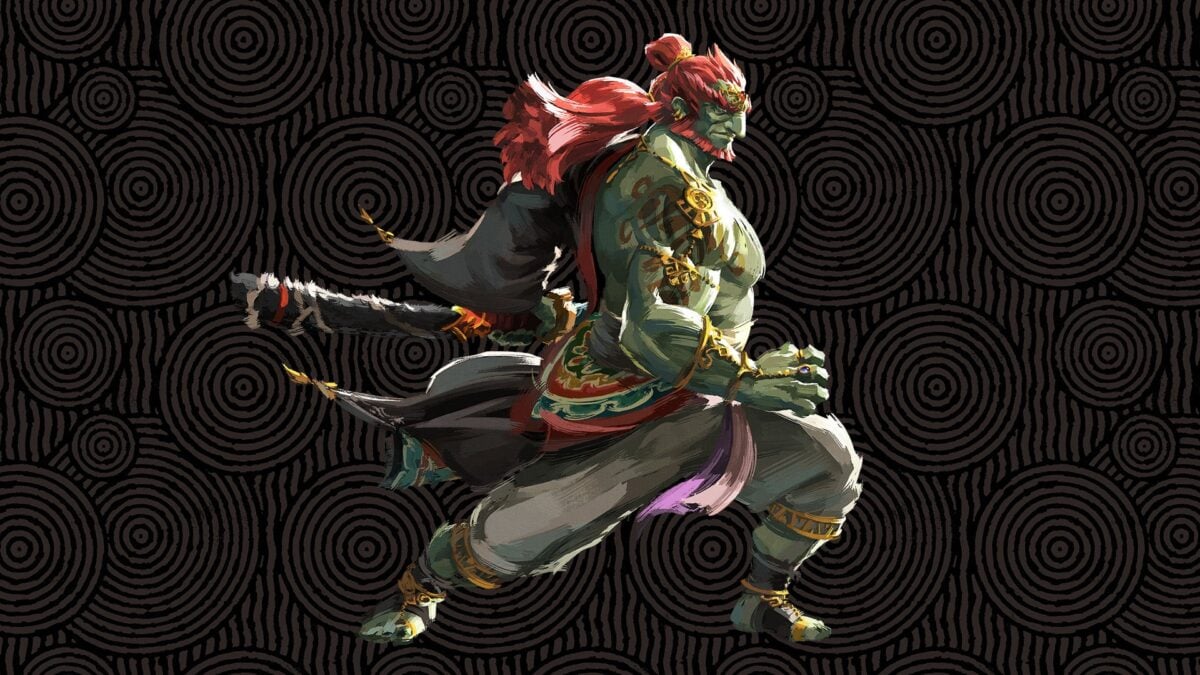
Here’s the thing: a remake would only work if Nintendo tackles the same five problem areas fans have been complaining about for years, from Navi's chatter to the flat expanse of Hyrule Field.
![Dragon Ball Z: Kakarot [Master Edition]](https://s.pacn.ws/1/p/1eh/dragon-ball-z-kakarot-master-edition-908785.1.jpg?v=t8ja8t&width=400)

Ocarina of Time remake: why this Nintendo milestone still matters
Did you know that The Legend of Zelda: Ocarina of Time first launched in 1998 on the Nintendo 64, and still shows up on every serious “best games ever” list? That’s not nostalgia talking; it’s design history. The game introduced Z-targeting, a true 3D adventure structure, and a world that felt huge even when the cartridge was tiny by modern standards.
For Japan fans and Japanese learners, this is one of those titles where the cultural footprint matters as much as the gameplay. Zelda in Japanese is zeruda no densetsu, and terms like 危険 (kiken, danger) for danger, 町 (machi, town) for town, or 森 (mori, forest) for forest are easy to spot if you ever play the original Japanese version. My tip: if you study games through Japanese menus and dialogue, classics like this are a great way to train your eyes while having fun. Personally, that’s the best kind of language practice.
On a related note, a remake isn’t just about making Link's hair look sharper. It has to fix old friction points that players tolerated in 1998 because the game was so new. No wonder, because back then the leap to 3D was the headline, not comfort, pacing, or camera polish. My verdict: the remake idea only works if Nintendo treats this as preservation plus improvement, not a cosmetic job.
1. Navi's redeschwall needs a serious rewrite
Here's the thing: Navi is iconic, but her constant interruptions have become the joke that never went away. “Hey! Listen!” is one of the most recognisable lines in Nintendo history, yet the helper fairy’s chatter often breaks rhythm more than it helps. If Nintendo ever remakes Ocarina of Time, this is the first place to fix.
Less interruption, better guidance
The original game leans on Navi to explain targets, hints, and dungeon mechanics, and that made sense in 1998. The problem is simple: the messaging is too frequent, too repetitive, and too loud. A remake could add smarter context prompts, optional hint tiers, and a toggle for beginners or veterans.
By the way, this is where Japanese learning could fit nicely. In the Japanese version, the tone of helper dialogue often feels different from the English localisation, so comparing lines can teach you how games balance politeness, urgency, and personality. That contrast is a nice reminder that translation is never just word-for-word. Personally, I’d even keep Navi’s personality, just cut the interruptions in half.
2. Hyrule Field needs more to do
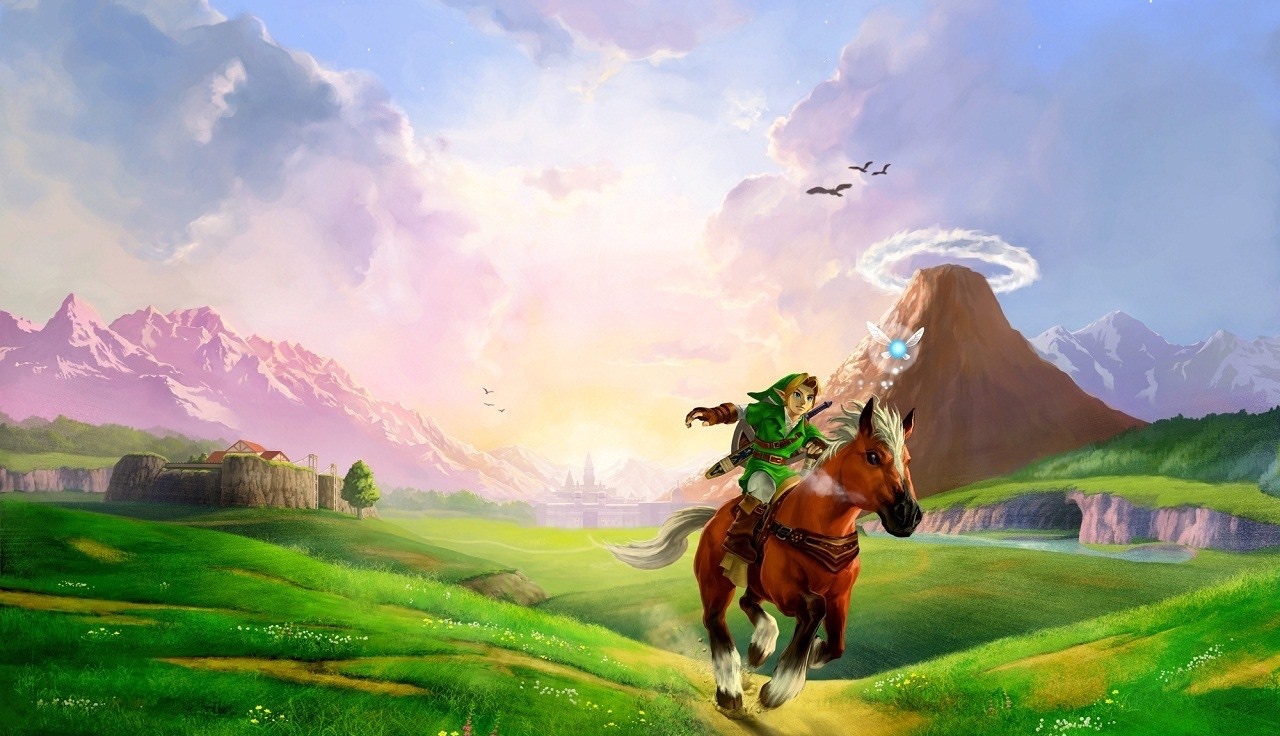
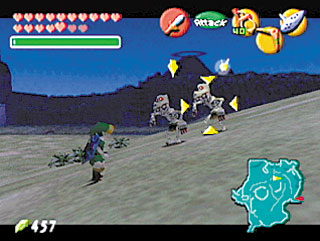
Ever wondered why Hyrule Field feels magical in your memory, but a bit empty when you replay it? The reason is simple: it was designed as a transition space, a grand open plain connecting the game’s regions, not as a dense open-world playground. In 1998, that sense of scale was enough. Today, it needs more activity.
The Hyrule Field area is huge, but outside of enemy encounters, Epona rides, and a few events, there isn’t much reason to linger. That's why a remake should add optional side quests, wandering NPCs, hidden challenges, and environmental storytelling. Even small details, like travellers on roads or seasonal changes, would give the field more life.
On the flip side, Nintendo must be careful not to turn it into busywork. The original pace gave the world breathing room, and that quiet is part of the charm. Classic Japan, isn't it? A little emptiness can feel elegant, almost 間 (ma, purposeful space), that Japanese sense of purposeful space.
3. The camera and controls need modern standards
Picture this: you’re in a tight dungeon room, trying to reposition Link, and the camera decides it wants a different career. That was normal on Nintendo 64, but not acceptable for a remake aimed at new players in 2026 or later. A proper remake has to build around modern camera freedom from the start.
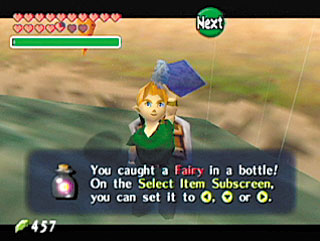
Targeting should stay, because Z-targeting is part of the game’s identity, but the right-stick camera should be smoother and less stubborn. Movement could also use cleaner animation transitions, especially in water sections, climbing, and horseback combat. No wonder, because many later Zelda games already solved parts of this problem.
What I especially like: if Nintendo kept the original game’s weighty movement feel while improving responsiveness, the remake could satisfy both purists and newcomers. That balance is hard, but it’s exactly what a milestone title needs. My tip: preserve the old rhythm, improve the input. See what I mean?
4. Dungeon pacing and puzzle hints need tuning
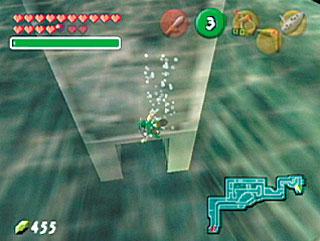
Here's the thing: Ocarina of Time has brilliant dungeons, from Dodongo's Cavern to the Water Temple, but some of the puzzle pacing can drag. The Water Temple is still infamous, not because it’s bad, but because it asks the player to juggle too many layers of water levels, keys, and backtracking. In a remake, that’s where smart refinement would matter most.
Nintendo should not simplify the entire structure into something flat. That would erase the brain-teasing quality that gave the game its reputation. Instead, a remake could improve visual clarity, add better maps, and make switch states easier to read at a glance. A few optional hint systems would also help younger players without softening the challenge for everyone else.
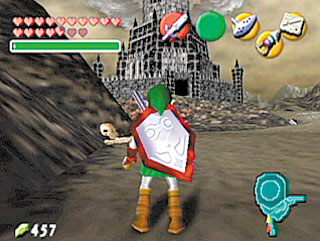
By the way, this also connects nicely to Japanese study. Dungeon names, item names, and text commands often have short, punchy Japanese equivalents, so it’s a useful way to see how game language compresses meaning. That kind of exposure helps you notice patterns fast. Highly recommended:
5. The story presentation deserves better voice and rhythm
Did you know that the original game tells a surprisingly complex story without voice acting? It uses music, animation, and small visual shifts to carry emotion, and that still works. But a remake would need stronger scene direction, better facial animation, and more careful pacing between childhood and adult Link.
The issue is not the plot itself, because the structure is already strong. The issue is delivery. Moments like the opening in Kokiri Forest, the leap into the broader Hyrule world, and the final build-up around Ganondorf deserve a presentation that feels cinematic without losing the quiet Nintendo style. If Nintendo goes too dramatic, it risks losing the game’s fairy-tale tone.
My tip: the remake should keep the story lean and let the atmosphere do the heavy lifting. That’s what made the original unforgettable in the first place. It’s a game that trusts silence, colour, and timing, and that confidence still feels modern. Personally, that’s the real magic Nintendo should protect.
At the end of the day, an Ocarina of Time remake would need more than polish. It would need thoughtful fixes to Navi, Hyrule Field, the controls, dungeon pacing, and story presentation. If Nintendo gets those five Baustellen right, this could become the rare remake that honours a legend instead of replacing it. For more Japan-related gaming and culture coverage, check more Japan news on jpnerd.com.
In pictures
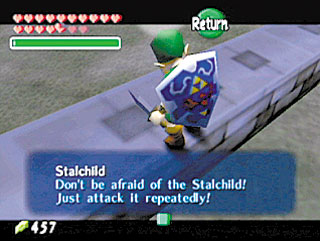
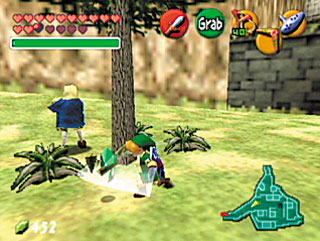
Frequently Asked Questions
Would an Ocarina of Time remake need to change the whole game?
No. It should keep the core structure and fix the rough edges.
Why do fans still talk about Navi so much?
Because her constant hints became one of the most memorable, and most annoying, parts of the original game.
What is the biggest improvement a remake could make?
Better controls and cleaner pacing would probably help the most.