

What makes this even better is the timing, because this Annecy spotlight arrives before the Amazon Prime release on 7 July. If you like anime, Japanese culture, or just want a smart pre-launch overview, this one’s worth your attention.



Guess what? Japan is heading into Annecy 2026 with real force, and the numbers tell the story quickly. According to the original announcement, Japanese works account for 25 animation film entries, a record-setting presence that puts Japan right at the centre of one of the world’s biggest animation festivals. For anyone who’s followed anime for years, that kind of scale isn’t a small PR win; it’s a sign of how deeply Japanese studios still shape the medium worldwide. And there’s more.
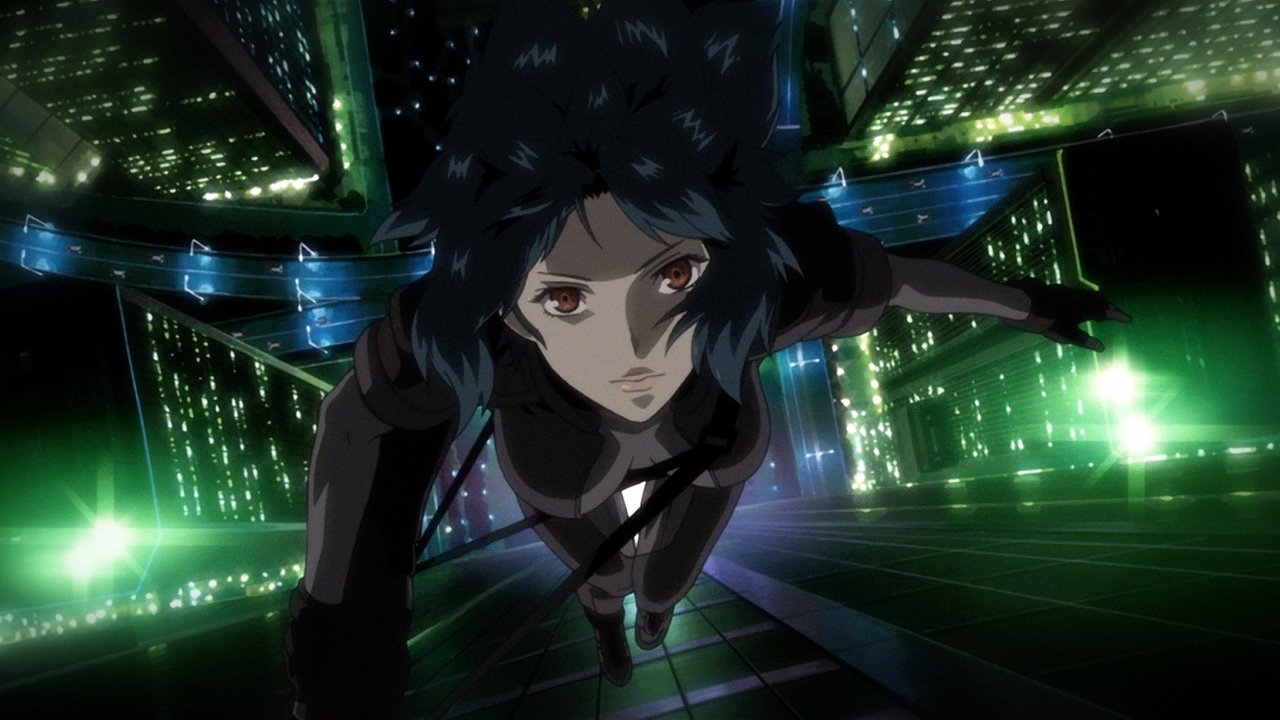
Japan’s 25 Annecy entries: why this feels historic
Annecy, held in France, has long been the place where animation studios from Europe, North America, and Asia show what they can do next. When Japan shows up with 25 titles, it’s not just participating, it’s setting the pace. That matters because Japanese animation has never been limited to one style, one studio, or one audience. From tender coming-of-age stories to intense science fiction, Japan keeps proving that anime can move between genres with ease.
What many overlook is that Annecy is also a business and prestige stage. A strong showing there can open doors for festival circulation, streaming deals, and international sales. So when a country reaches this kind of volume, it suggests confidence from studios, producers, and creators, not just one lucky year. Honestly, that’s the kind of signal Japan fans should pay attention to. Personally...
Why this matters for Japanese learners too
If you’re learning Japanese, this is a neat reminder that anime isn’t just entertainment, it’s a language doorway. Festival coverage often gives you names of studios, staff roles, and genre terms that come up again and again, like 作画 (sakuga, animation drawing / key animation), 声優 (seiyuu, voice actor), and 映画 (eiga, film). My tip: when you read about anime news in English, try matching the English terms with their Japanese equivalents in romaji. It builds vocabulary fast without feeling like study. From my experience.
Ghost in the Shell world premiere on 22 June: what the first two episodes suggest
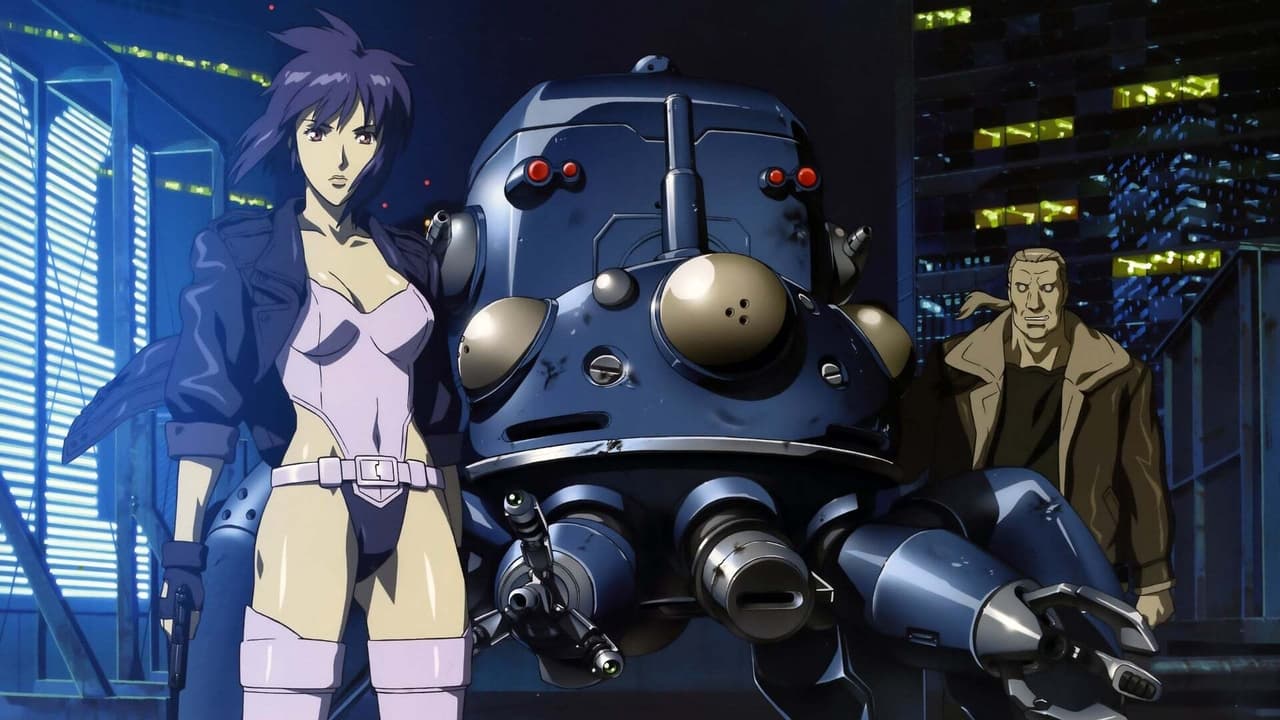
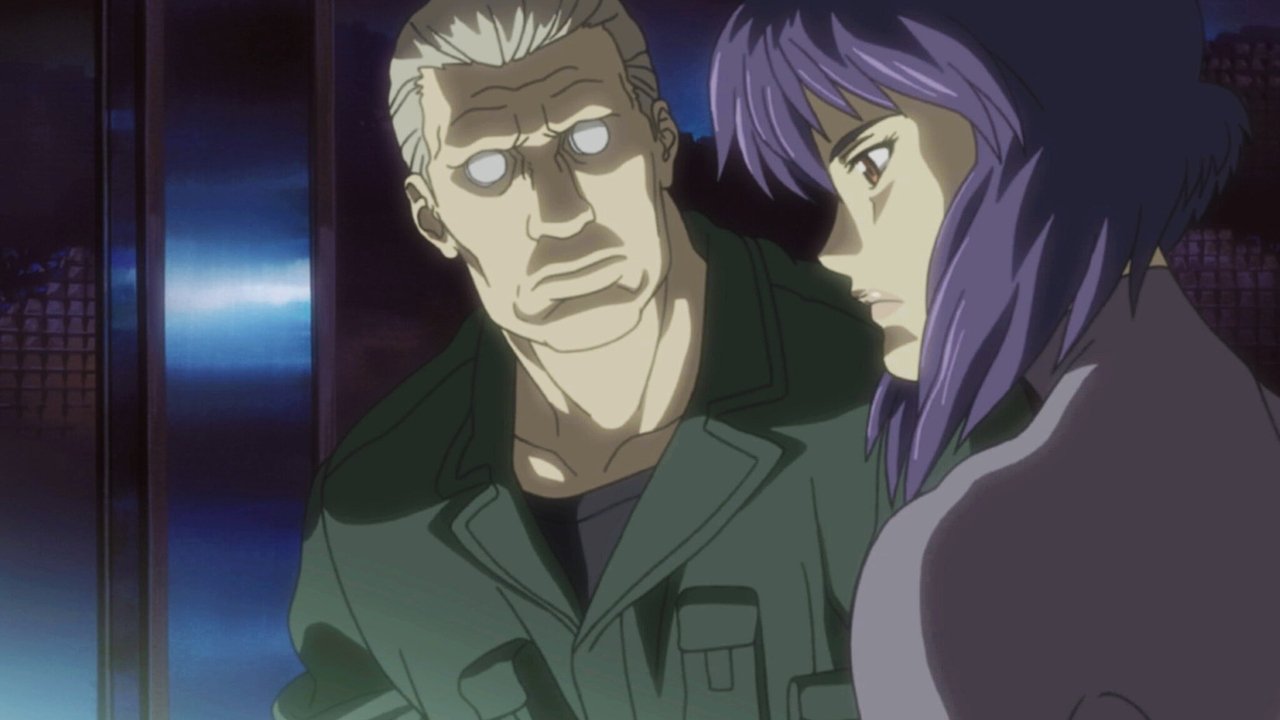
And it gets better: the biggest spotlight of the Annecy season is the world premiere of Ghost in the Shell on 22 June, with Science SARU behind the project. That studio name alone is a clue that this isn’t going to be a lazy remake. Science SARU has built a reputation for energetic direction, fluid motion, and a visual style that often feels alive rather than polished in a generic way. For a franchise like Ghost in the Shell, that combination is exciting.
The first two episodes, according to the early information now circulating, appear to lean into the series’ core strengths: cybernetics, identity, and the uneasy border between human and machine. That’s exactly the space where Ghost in the Shell has always been strongest. If the opening chapters can balance philosophical tension with sharp visual storytelling, the series has a real chance to connect with both long-time fans and newcomers. Highly recommended:
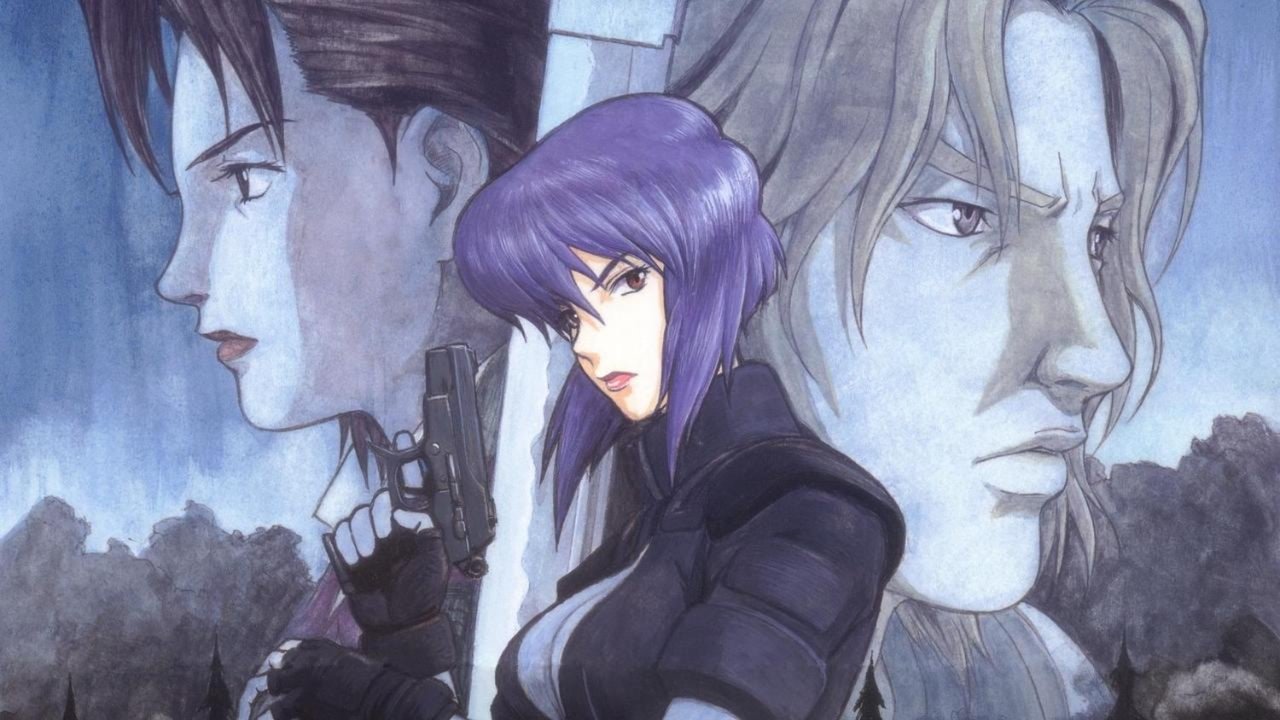
What to watch for in the opening episodes
Let me show you why the first two episodes matter so much. A great anime reboot or continuation often lives or dies on tone, pacing, and how quickly it reminds viewers what made the original property special. With Ghost in the Shell, that means technical detail, atmosphere, and a believable future world. It also means trusting quiet scenes, not just action. I still remember exactly how earlier Ghost in the Shell entries used silence like a weapon, and that memory alone makes me curious about what Science SARU will do here. And there’s more.
Before I forget: this is also smart release planning. Putting the Annecy premiere on 22 June gives the series festival prestige, then the Amazon Prime launch on 7 July keeps the momentum going with a wider audience. That gap is short, which is exactly how you build buzz without letting interest fade. For anime fans, it’s a very Japanese kind of rollout too, careful, timed, and built around anticipation. Wild, isn’t it?
Global Anime Challenge: Japan’s next move beyond one hit title
Trust me on this one: the most interesting part of the announcement may be the Global Anime Challenge. This kind of programme is about the future, not just one title. It points to a bigger effort to support anime creation, international collaboration, and talent development, which is crucial if Japan wants to keep leading while the rest of the world invests more heavily in animation.

To be fair, global attention alone doesn’t guarantee long-term strength. Studios need writers, animators, directors, and producers who can work under pressure and still keep quality high. Japan’s edge has always been the mix of craft discipline and emotional storytelling, but that edge needs fresh talent. A programme like this can help younger creators enter the industry, and that’s a big deal for the next decade. From my experience.
What Japan fans should keep an eye on next
Imagine a narrow alley in Tokyo. A small studio light is still on late at night, and someone is finishing key frames for a project that might travel from Japan to France to the whole world. That image fits this moment perfectly. Japan isn’t just sending finished films to Annecy, it’s also presenting a pipeline, a system, a future. And for learners, that makes the story even richer, because words like 開発 (kaihatsu, development), 国際 (kokusai, international), and 未来 (mirai, future) keep popping up in anime industry coverage for a reason.
My tip: if you follow this Annecy season closely, compare how different outlets describe the same title. You’ll learn both media vocabulary and the cultural framing around anime, which is often just as important as the plot itself. What I especially like is that jpnerd can serve as a pre-launch info stop, especially with Ghost in the Shell arriving on Amazon Prime on 7 July. That gives fans a clean runway, festival first, release second. Personally...
In pictures
Frequently Asked Questions
Why is Japan’s Annecy 2026 showing such a big deal?
Because 25 animation film entries is a record-level presence and shows how strongly Japan still leads the global anime conversation.
When does Ghost in the Shell premiere?
The world premiere is set for 22 June, with the Amazon Prime release following on 7 July.
Why should Japanese learners care about this news?
Anime industry coverage is packed with practical vocabulary, studio names, and cultural context that can help learners build real-world reading skills.

