

With the new 前座 (Zenza, novice performer; apprentice rank) training arc, Akane leaves school, studies under Arakawa Shiguma, and even takes the stage name Akane Arakawa. Not bad, right?



Akane-banashi season 2 is now locked in for January 2027, and the new arc title already tells you where the story is going: the Zenza training arc. For anyone learning Japanese or just getting into Japanese culture, this is the perfect excuse to look at 落語 (rakugo, comic storytelling performance) itself, because the series does more than entertain; it explains a tradition that still feels alive. Wild, isn’t it?
What rakugo is, and why Akane-banashi works so well
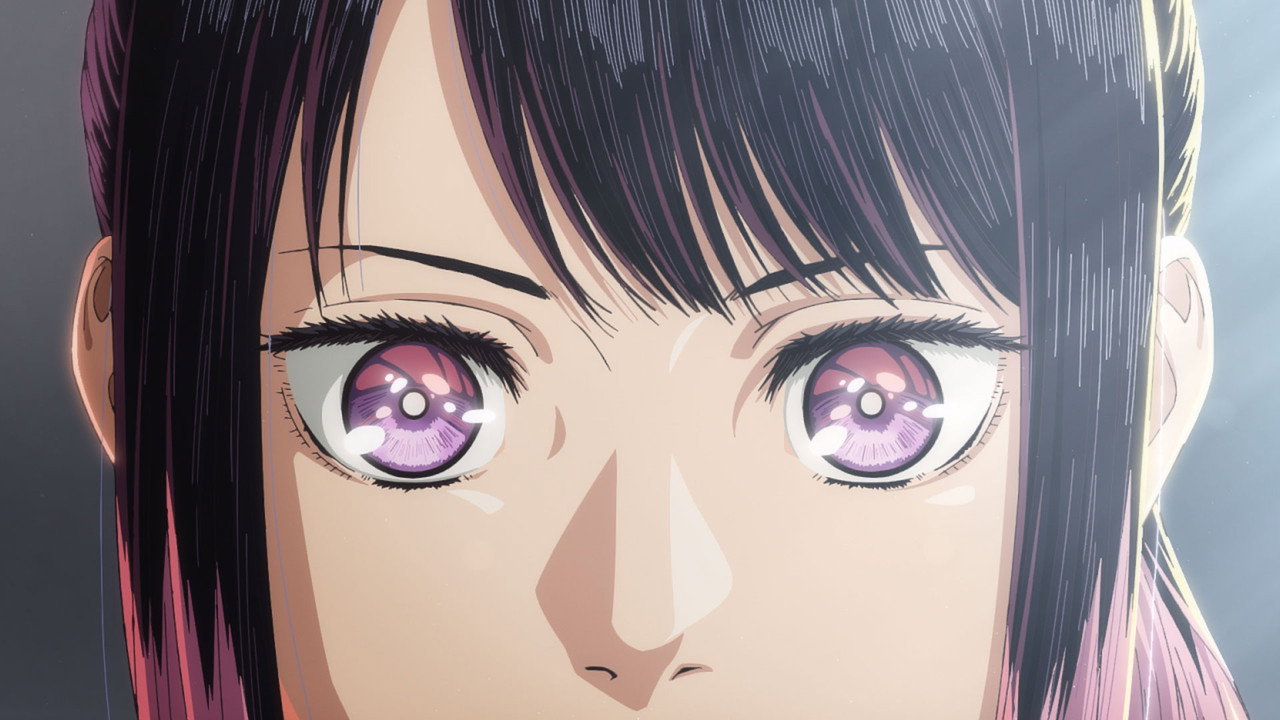
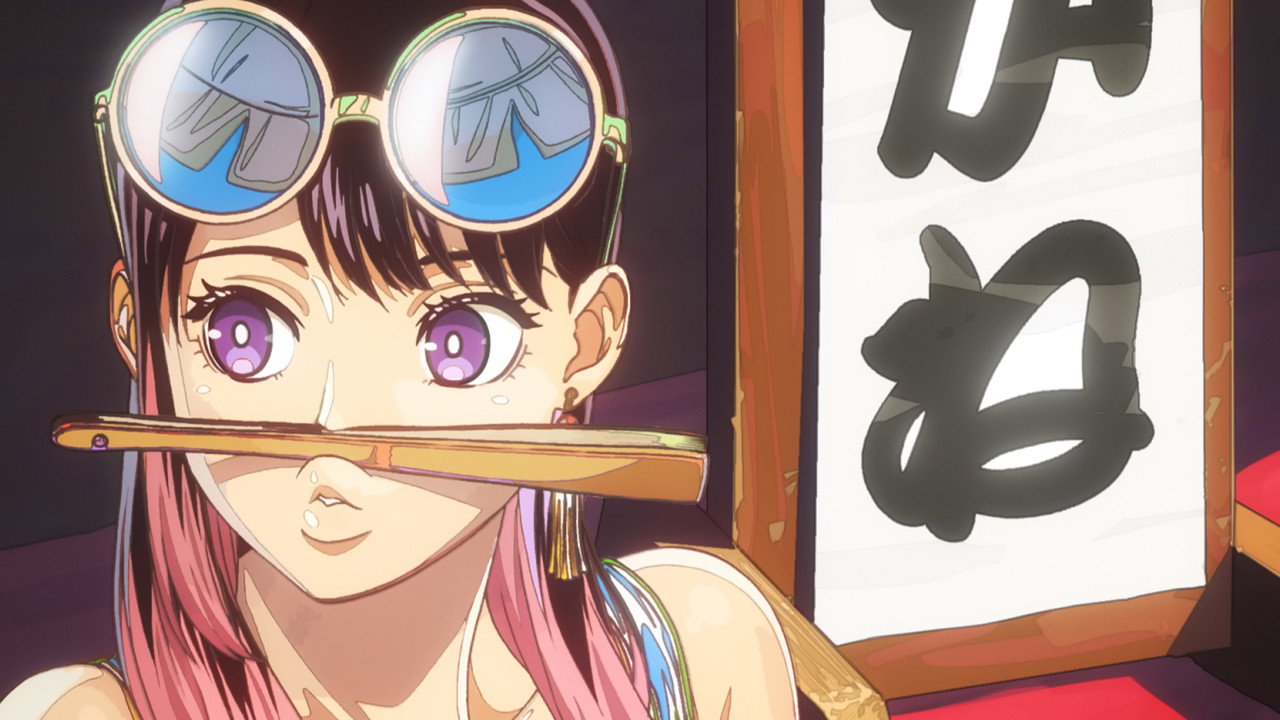
Rakugo is a form of solo storytelling. One performer sits on a 座布団 (zabuton, cushion), uses only a fan and a 手ぬぐい (tenugui, Japanese hand towel), and plays every character in the story through voice, timing, and small gestures. That sounds simple, but the skill level is brutal, because the performer has to keep the audience engaged without movement, costumes, or a full stage setup.
What many overlook is that rakugo is also deeply tied to language. If you’re studying Japanese, you get to hear natural speech patterns, comic timing, old expressions, and the kind of shifts in tone that textbooks never really prepare you for. Akane-banashi uses that strength well, because Akane’s growth isn’t just about ambition; it’s about learning how Japanese performance works from the inside. See what I mean?
I still remember how many fans got hooked by the first season’s setup, because it felt like a sports anime without the sports. You get rivals, discipline, technique, and status battles, but the arena is the 寄席 (yose, traditional performance hall), not a stadium. That makes the series stand out straight away, and honestly, it deserves the long runway it’s getting.
Season 2 in January 2027, and what the Zenza training arc changes
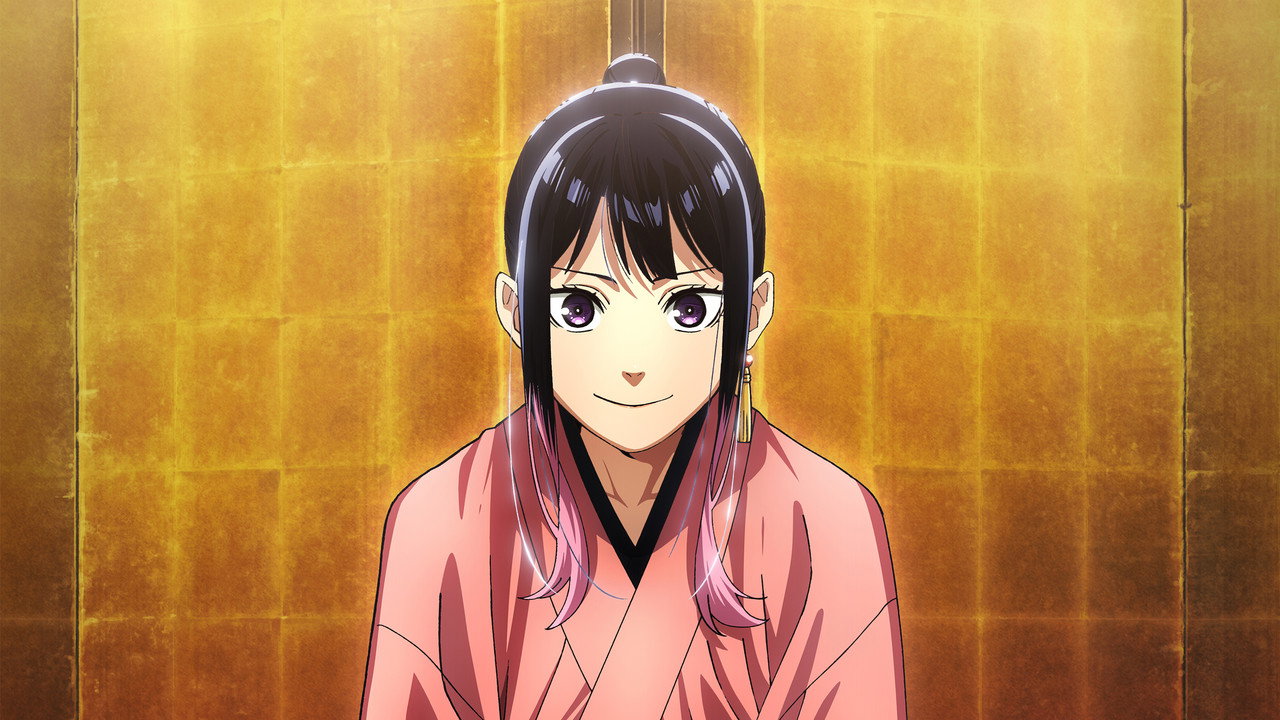
Plot twist: Akane isn’t staying in school forever. In season 2, she leaves that environment and becomes a student under Arakawa Shiguma, while adopting the stage name Akane Arakawa. That’s a serious shift, because in rakugo the name you carry is part of your identity on stage, and names can signal hierarchy, lineage, and artistic placement.
The Zenza arc should also sharpen the emotional stakes. Training arcs can feel repetitive when they only show effort, but in Akane-banashi the pressure comes from a very specific system, one where reputation matters, seniority matters, and every performance can reshape how others see you. The reason is simple: rakugo isn’t just about telling a story well; it’s about proving that you belong in a tradition with rules.
Six new voice actors have also been confirmed for the season, which is a smart move for a story like this. Rakugo thrives on character voices, and new cast additions can make a training arc feel broader, especially when the setting opens up beyond school life. While we’re at it, a January 2027 debut gives the production plenty of time to polish the stage atmosphere, which matters a lot for an anime where the sound of a punchline can carry the scene. My tip: if you plan to rewatch season 1 before then, pay close attention to how often silence does the heavy lifting. Wait, there’s more.

Studio ZEXCS, Ayumu Watanabe, and why the team matters
Studio ZEXCS is handling the anime, with Ayumu Watanabe attached to the project. That combination should make seasoned anime fans sit up, because this is the kind of staff setup that can either respect the source material or flatten it into something generic. Akane-banashi needs control, not flash.
Let’s be honest: a rakugo anime lives or dies on rhythm. If the direction is too busy, the performance loses weight. If it’s too static, the drama falls flat. What I especially like about this setup is that it suggests attention to pacing, facial expression, and stage blocking, all of which matter when one person is supposed to hold a room full of listeners. Classic Japan, isn’t it?
For learners, this is where the series becomes more than a fandom topic. You can listen for honorifics, formal register, and the difference between stage voice and everyday speech. Even a short scene can teach you how context changes Japanese fast, especially when a performer has to sound like several people in one conversation. Not bad, right?
Why Akane-banashi is the best rakugo starting point
It teaches culture through character
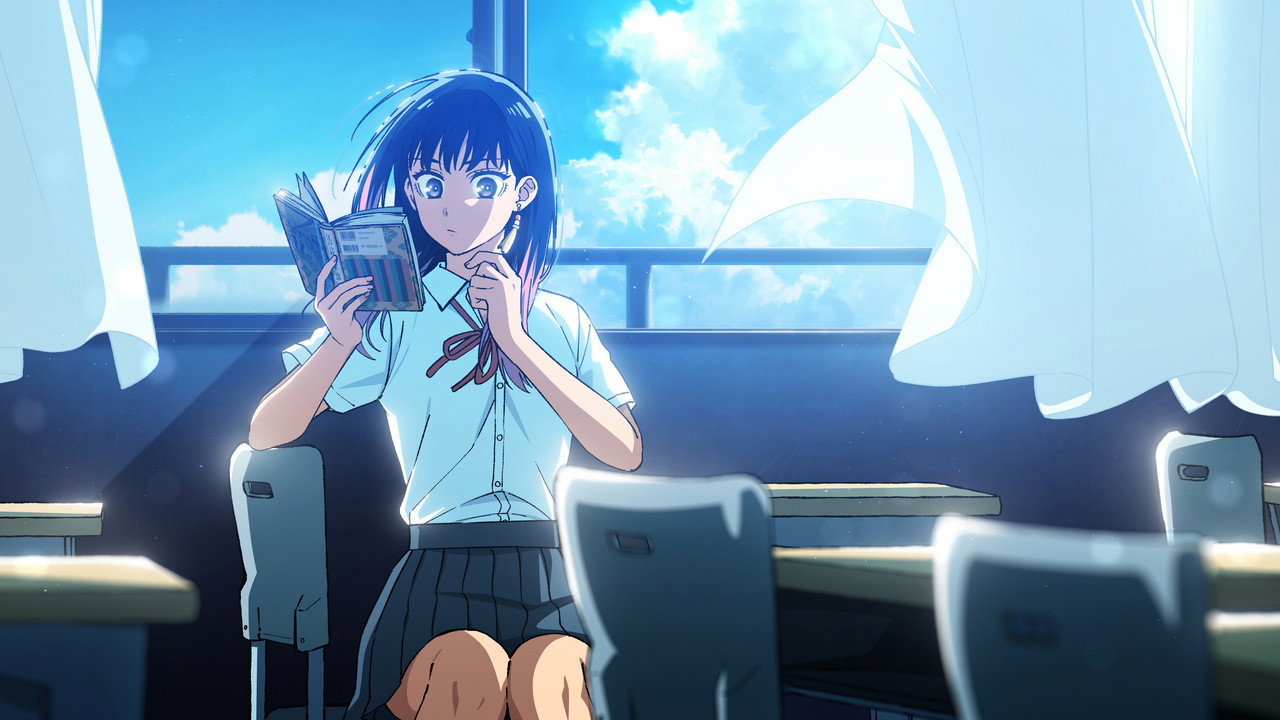
Ever wondered why some cultural topics click only when they’re tied to a story? Akane-banashi does exactly that. You aren’t handed a lecture about rakugo history, you watch Akane struggle, adapt, and learn how the art form works through lived experience. That makes the details easier to remember.
For Japanese learners, this matters because vocabulary sticks better when it has context. Words like yose, 師匠 (shishou, master; teacher), and stage-related language stop feeling abstract once you connect them to a character’s path. And if you hear them repeated in a dramatic setting, they become easier to recognise in other media too. See what I mean?
If season 2 keeps the same level of care, the series could end up doing for rakugo what other culture-forward anime have done for calligraphy, tea ceremony, or traditional theatre: making a niche art form feel approachable without turning it into a simplified lesson. That balance is hard to pull off. Akane-banashi already got a lot of it right.
So yes, January 2027 is still a wait. But it’s also a sign that this adaptation is being treated as something worth timing carefully, and that usually pays off when the story depends on performance. For Japan fans, this is exactly the kind of anime that can lead to deeper curiosity about real-world culture. more Japan news on jpnerd.com
In pictures
Frequently Asked Questions
What is rakugo?
Rakugo is a traditional Japanese solo storytelling performance where one person plays all the characters using only voice, timing, and small hand movements.
When does Akane-banashi season 2 start?
Season 2 is confirmed for January 2027.
Why is Akane-banashi good for Japanese learners?
It shows natural speech, performance language, and cultural context, which can make Japanese vocabulary easier to remember.


