
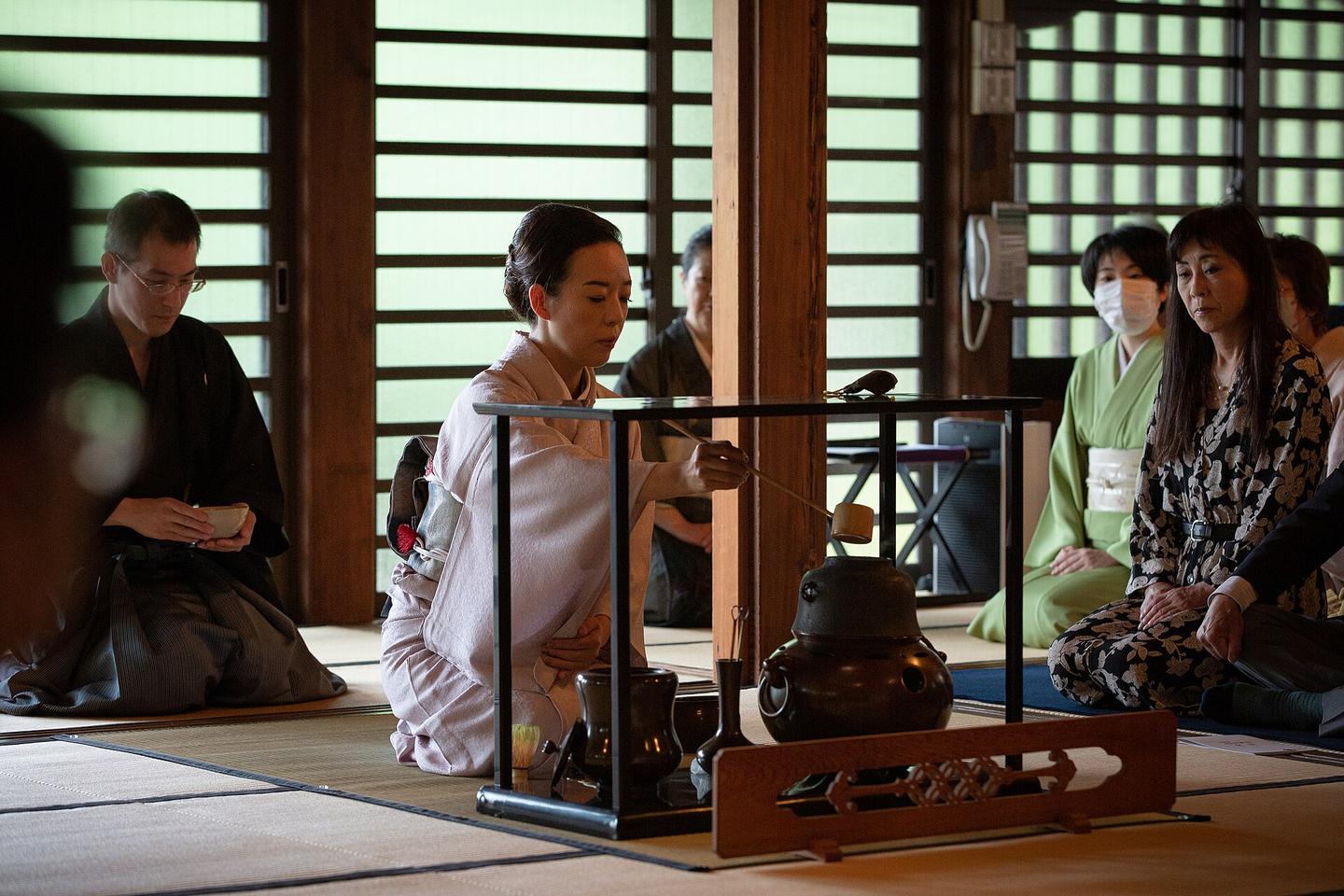
It started in Fortitude Valley, a lively pocket of Brisbane, but the real intrigue is how a brand with overseas heat is now trying to win hearts back home. And yes, there’s a very Japanese sort of symmetry to that.
NAGOMI MATCHA: the Brisbane-born brand with Japanese roots
Picture this: a 抹茶 (matcha, powdered green tea) brand leaves Japan, builds a following in Brisbane, and then returns to Japan with a track record instead of a pitch deck. That’s the basic shape of the 和み (nagomi, harmony; calmness) MATCHA story, and it’s a good one. The brand was born in Fortitude Valley, one of Brisbane’s livelier districts, where late-night bars, cafes, and slightly overconfident brunch spots jostle for attention.
What makes this especially interesting is not just the geography, but the direction of travel. Japanese brands often dream of going global, then polishing the domestic offer afterwards. NAGOMI MATCHA has done the reverse in spirit, if not in strict chronology. It found its rhythm overseas first, then came back to Japan carrying that overseas confidence like a well-packed suitcase.
And let’s be honest: that tends to change how people look at a product. If something has already convinced a foreign audience, people at home start paying a bit more attention. Maybe not instantly, but enough to lean in. My tip? When you see a brand making noise outside Japan and then reappearing inside Japan, it usually means the team has learned how to sell the story as well as the drink.
Over 300 cups a day, and that’s not a typo
On a related note, the figure that really jumps out is more than 300 cups sold per day. Not per week. Not in a busy month. Per day. That’s a proper amount of matcha, the kind of number that suggests the queue isn’t just decorative.
For context, that sort of daily volume tells you a few things at once. First, the product is moving. Second, the shop format works. Third, the branding has hit that sweet spot where people aren’t merely trying it once for the photo, they’re coming back because it fits into their routine. In Japan, that matters. A lot. The market is full of drinks that look nice and disappear, and drinks that become part of the day, which is a much harder trick.
What I especially like is that the success isn’t being framed as some mystical matcha miracle. It’s concrete. It’s measurable. It’s 300-plus cups a day, which is the kind of fact that has a satisfying clunk to it. No misty marketing fog, just customers, cash register noise, and a lot of green tea being whisked into submission.
Why those numbers matter to Japanese learners
If you’re learning Japanese, this is a nice little real-world reminder that retail language matters. Words like 売店 (baiten, shop stand; kiosk) (shop stand), 価格 (kakaku, price) (price), 売上 (uriage, sales; revenue) (sales), and 購入 (konyu, purchase) (purchase) show up constantly in business and food news. You don’t need to memorise a whole finance textbook to follow stories like this, just enough vocabulary to recognise how Japanese media talks about success.
And if you’re in Japan, you’ll already know the emotional logic of a crowded drink counter. A line forms, people watch the menu board, someone asks for less ice, someone else pretends not to be judging the size of your cup. The usual.
From Fortitude Valley to Japan: the return journey
Plot twist: the origin point here is Brisbane, not Kyoto or Uji, which gives NAGOMI MATCHA a slightly different flavour as a story. Fortitude Valley is where the brand was shaped, tested, and apparently loved enough to build real momentum. That origin matters because it gives the return to Japan a kind of circular elegance, almost like the brand has completed a lap and come home with receipts.
Brisbane isn’t the first place most people would associate with a matcha success story, and that’s precisely why this one sticks. Australia has a strong cafe culture, sure, but winning there means matching a market that’s picky, drink-obsessed, and not especially sentimental. If your matcha can win over that crowd, you’ve probably got a product worth taking seriously. Or at least taking another sip of.
That brings us to the branding itself. NAGOMI MATCHA sounds calm, balanced, and quintessentially Japanese, which is presumably the point. The word nagomi suggests harmony, softness, ease, the sort of emotional temperature that matcha likes to project when it isn’t being shoved into a sugary latte. There’s a neat contrast there: a brand with a Japanese name, refined abroad, then reinserted into Japan with an overseas badge of credibility. Stylish, really.
Mind you, this isn’t just about national pride. It’s also about market testing. Australia can act as a proving ground for Japanese food and drink concepts, especially when they’re adapted to local habits. You see the same thing with ramen shops, dessert cafes, and little omakase counters that quietly become hits in Melbourne, Sydney, or Brisbane before people back in Japan clock what’s happened. It’s a bit like hearing your friend has become a minor celebrity abroad before they’ve even posted about it. Slightly absurd, but quite satisfying.
Konbini-style appeal, and why it works in Japan
On the flip side, returning to Japan means facing a brutally efficient domestic landscape. Japanese drink shelves, cafe chains, and konbini coolers are already packed with excellent options, from bottled hojicha to seasonal latte releases that vanish faster than you’d think possible. So if NAGOMI MATCHA wants space, it can’t rely on being “from overseas” forever. It needs that clean, practical, konbini-style appeal.
That phrase matters. Konbini-style in Japan usually means speed, clarity, convenience, and a product that looks good under harsh fluorescent lighting (which is the true test of civilisation, if you ask me). A successful drink has to work at lunch, after a train ride, in summer heat, and in a slightly dazed state at 8.15 in the morning. Fancy is welcome, but usable is mandatory.
Trust me on this one: that’s where NAGOMI MATCHA sounds well placed. A brand that has already won over an overseas market may have learned to present matcha as both premium and approachable. That combination is gold in Japan, where people appreciate quality but don’t want the ritual to feel like homework. One part elegance, one part easy grab-and-go. Not bad, right?
Oh, almost forgot: the broader lesson here is that Japanese food and drink brands are no longer judged only by domestic pedigree. Overseas success can now circle back as a kind of second debut. For learners of Japanese, that’s a reminder to keep an eye on local food news, not just because it’s tasty, but because it’s where language, culture, and business all collide in a very human way.
So yes, NAGOMI MATCHA is more than another matcha label. It’s a story about place, branding, and the strange little loop that takes a drink from Fortitude Valley to Japan and makes that journey part of the appeal. That’s really striking. more Japan news on jpnerd.com
Frequently Asked Questions
Where did NAGOMI MATCHA start?
It began in Brisbane, specifically Fortitude Valley.
How many cups does it reportedly sell per day?
More than 300 cups per day.
Why is this story interesting for Japan fans?
It shows how an overseas success can return to Japan with stronger brand value and real sales momentum.


